





 English
  Francês
  Alemão
  Italiano
  Japonês
  Norueguês
  Portuguese
  Spanish
  4 min of reading
  0 comments


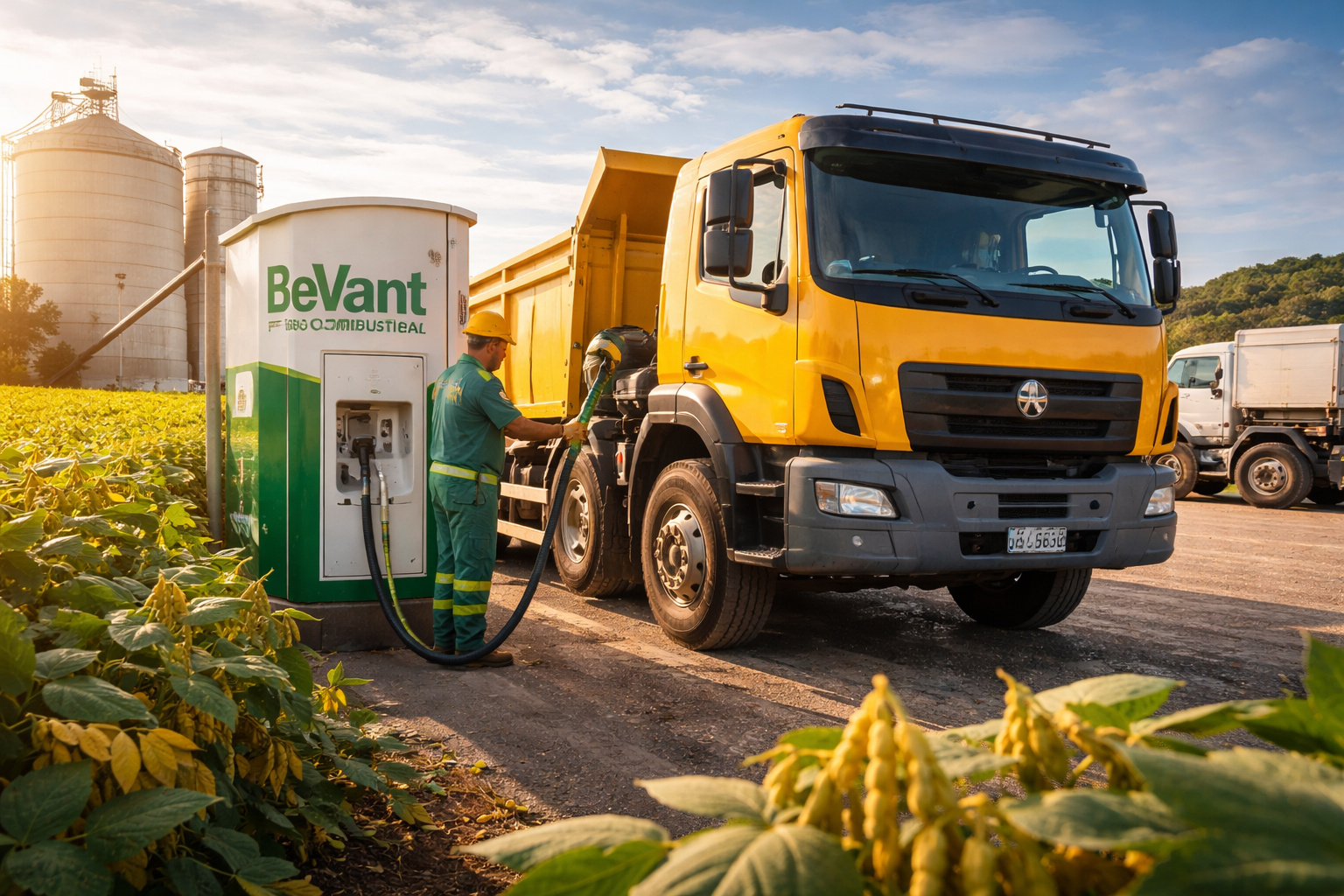
City of Rio Grande do Sul starts using national “drop-in” fuel and projects cost reduction and less dependence on imported diesel
A significant energy initiative recently began in Brazil. It is already drawing attention amid global oil instability. In this context, Passo Fundo, in Rio Grande do Sul, started testing an innovative national biofuel.
This fuel was developed to completely replace diesel in conventional vehicles. At the same time, the project gains importance on the international stage. This is because, since 2024, the conflicts between the United States, Israel, and Iran are putting pressure on oil prices.
As reported by Reuters, the impacts raise costs and increase uncertainties in supply. Thus, the search for safer energy alternatives is growing. Therefore, the movement in Passo Fundo aligns with a global trend.
-
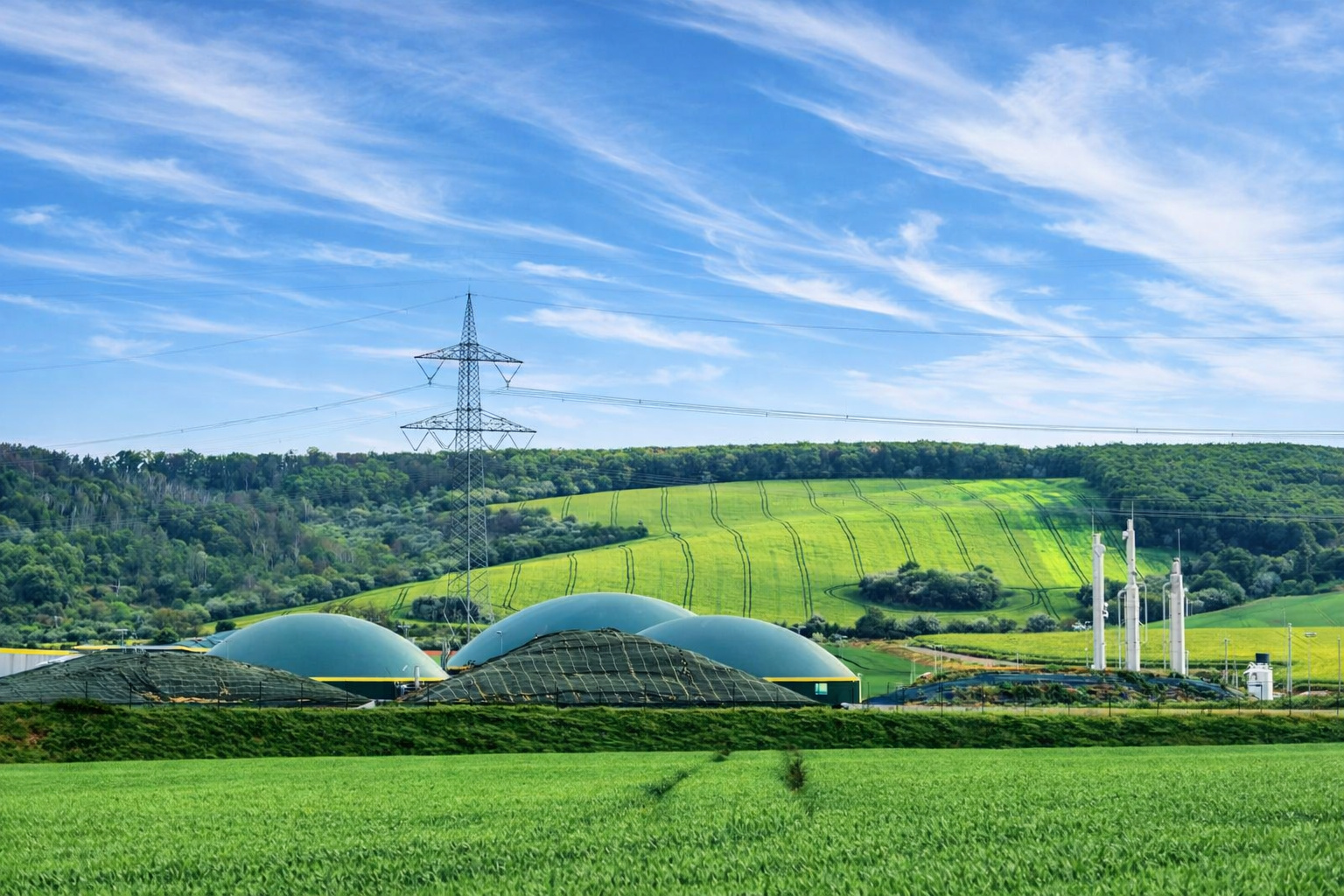
Brazil accelerates decarbonization in the South: International forum in Foz do Iguaçu gathers leaders to discuss the advancement of biomethane in the energy matrix and the potential of “caipira pre-salt.”
-
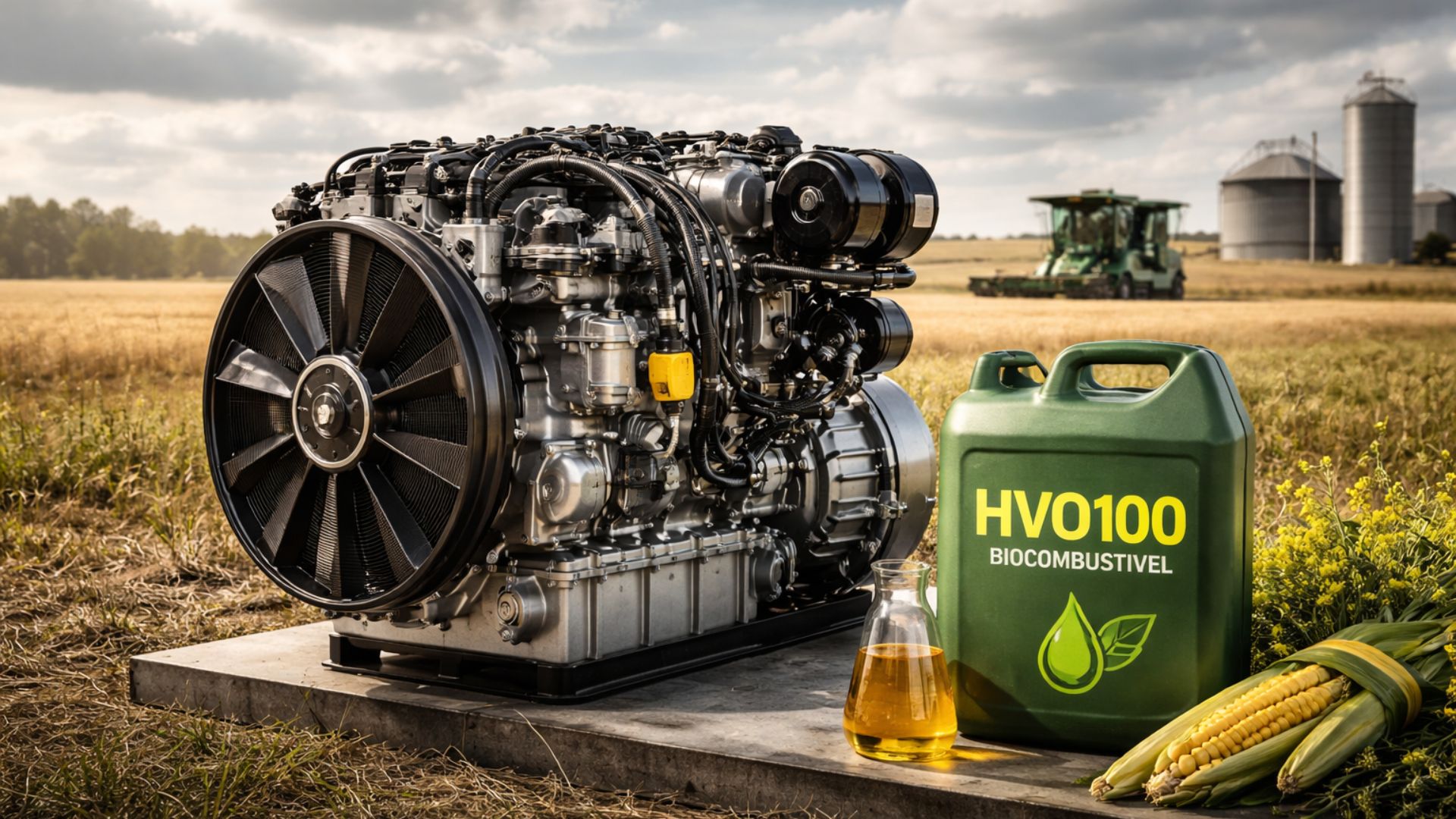
Innovation with biofuel engines transforms agribusiness by replacing diesel without the need for major adaptations, ensuring energy efficiency and helping to reduce dependence on oil.
-
Used Cooking Oil Transforms Into Kerosene: How 1 Million Tons of Used Fat Are at the Center of an Aviation Fuel Market That Could Attract Over $1 Trillion in Investments, Already Fuels Planes with Up to 80% Lower Emissions, and Triggered a Global Competition for This Waste

-
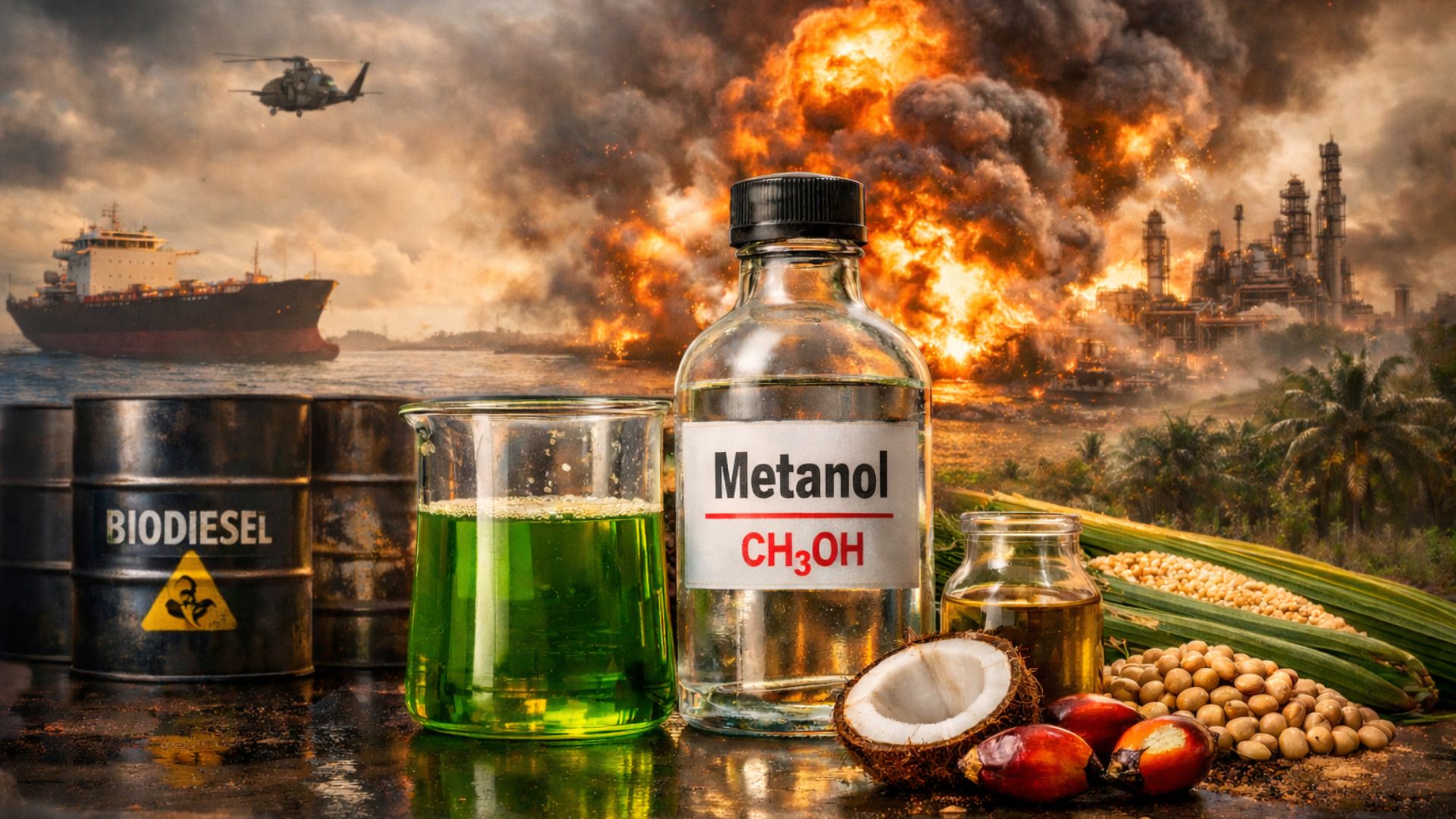
Middle East War Drives Up Methanol Prices and Threatens Global Biodiesel Production, Triggering Warning for Biofuels Industry and Agricultural Market


Development of the new fuel and local strategy
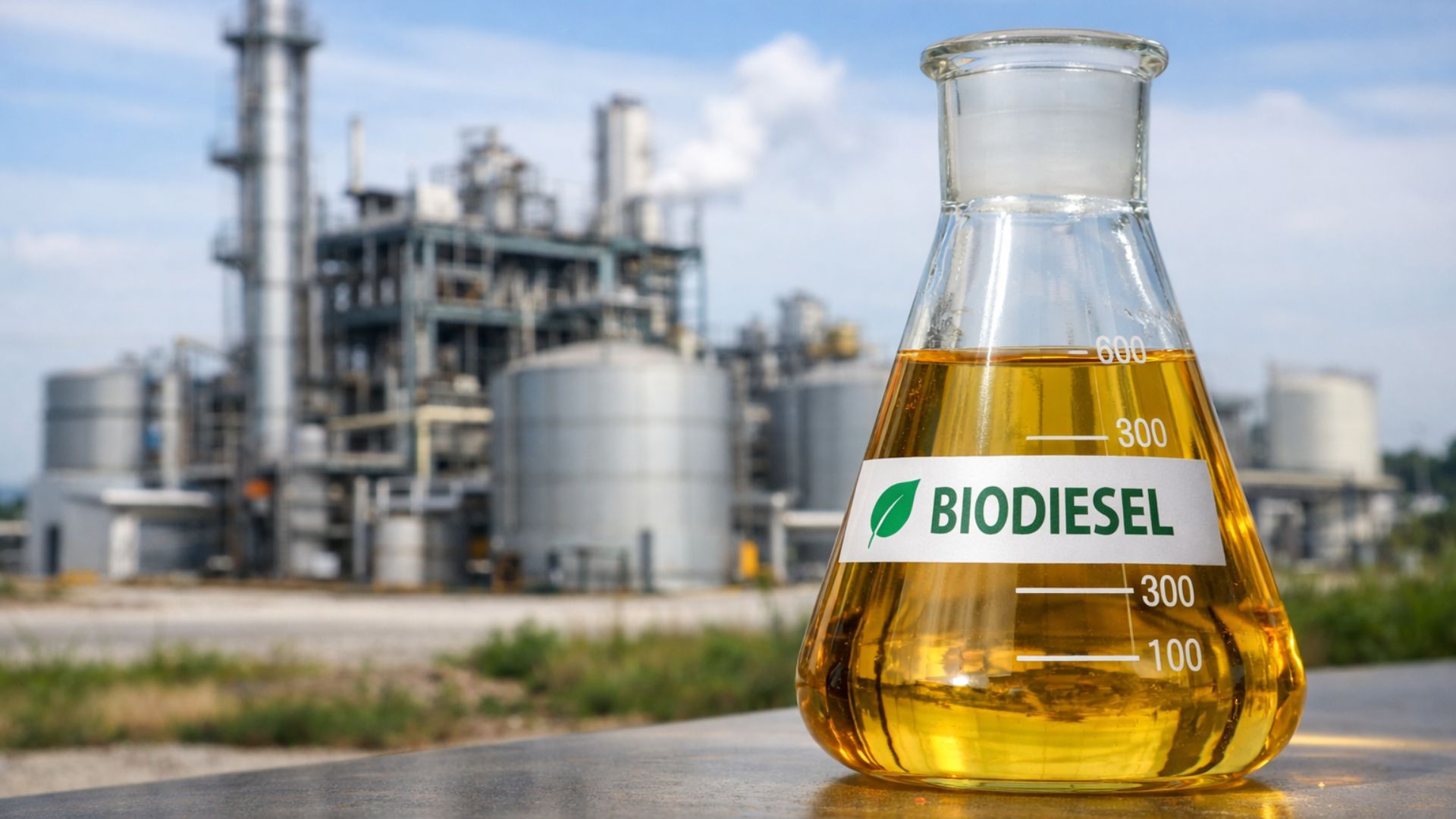
In light of this scenario, the city is betting on a national energy alternative. The fuel is produced from soybeans, animal fats, and used oils. Thus, it increases the utilization of raw materials available in the country.
Moreover, unlike traditional biodiesel, the new product presents a different proposal. In Brazil, biodiesel is mixed with fossil diesel at about 15%. However, the new fuel was developed for total replacement of diesel.
According to Be8, the company responsible for the project, the product has advanced technology. The so-called BeVant uses a “drop-in” system. This allows for direct use without the need for mechanical adaptation.
Initial application in the municipal fleet
At this initial stage, the application occurs in a controlled manner. The city hall started refueling 17 vehicles from the municipal fleet. Among them are trucks, backhoes, and a minibus.
As a result, the estimated monthly consumption reaches approximately 10 thousand liters. This volume meets the initial phase of the project. At the same time, it allows for the evaluation of operational performance.
Additionally, the initiative analyzes costs and environmental impacts. This is essential before a broader expansion. Thus, the municipality adopts a gradual and safe strategy.
Production, regulatory approval, and expansion
The production of the fuel has also advanced recently. At the end of 2024, Be8 received regulatory approval. With this, it began producing BeVant in Passo Fundo.
The initial capacity was set at 28 million liters per year. This volume reinforces the company’s growth strategy. Additionally, it positions the product in the national market.
In a statement to Reuters, the CEO Erasmo Carlos Battistella highlighted the importance of the project. According to him, the fuel will be essential for expansion in Brazil and abroad. Furthermore, the company is negotiating with organizations looking to reduce carbon emissions.
Economic impact and competitiveness of BeVant
From an economic perspective, the scenario still presents challenges. The price per liter has not been officially disclosed. However, Be8 reported that the product is about 15% more expensive than traditional biodiesel.
Still, the fuel presents a competitive advantage. It is cheaper than HVO, known as green diesel. This product is considered its main direct competitor.
In this context, Mayor Pedro Almeida emphasized the importance of the initiative. According to him, the alternative brings more security amid global volatility. Additionally, it represents a relevant competitive potential for the municipality.
Expectation of cost reduction and expansion
Even with a higher initial cost, there is an expectation of price drops. This should occur with increased production. Furthermore, market growth tends to favor competitiveness.
Consequently, the fuel may become more accessible in the medium term. This will enhance its economic viability. Thus, the city hall is evaluating a gradual expansion of use.
The goal is to include the rest of the municipal fleet in the project. However, this decision depends on operational results. Thus, the municipality follows a long-term strategy.
National context and the role of soybeans
In the national scenario, the advancement of biofuel gains even more relevance. Brazil imports about 25% of the diesel it consumes. This data highlights the country’s external dependence.
At the same time, the country is heading towards a record soybean harvest. This factor strengthens the productive chain of biofuels. Therefore, it expands the potential for domestic production.
This context encourages producers and industries. They advocate for greater use of alternatives to fossil diesel. Thus, the country seeks to reduce external energy dependence.
Expanded use and applications in transportation
In addition to the application in Passo Fundo, BeVant is already expanding to other sectors. The fuel is present in the Copa Truck, a national truck competition. This demonstrates its application in demanding conditions.
Moreover, the product is already used by logistics companies. It also appears in urban transport fleets. Thus, it expands its presence in the market.
This advancement demonstrates versatility and growth potential. At the same time, it reinforces its viability as an energy alternative. In light of this, Brazil is undergoing a gradual transition.
In the face of international pressure on oil and the growth of biofuels, a relevant question arises for the energy future. Can solutions like BeVant truly redefine the use of diesel in Brazil?









Seja o primeiro a reagir!