





 Português
  Inglês
  Espanhol
  4 min de leitura
  0 comentários


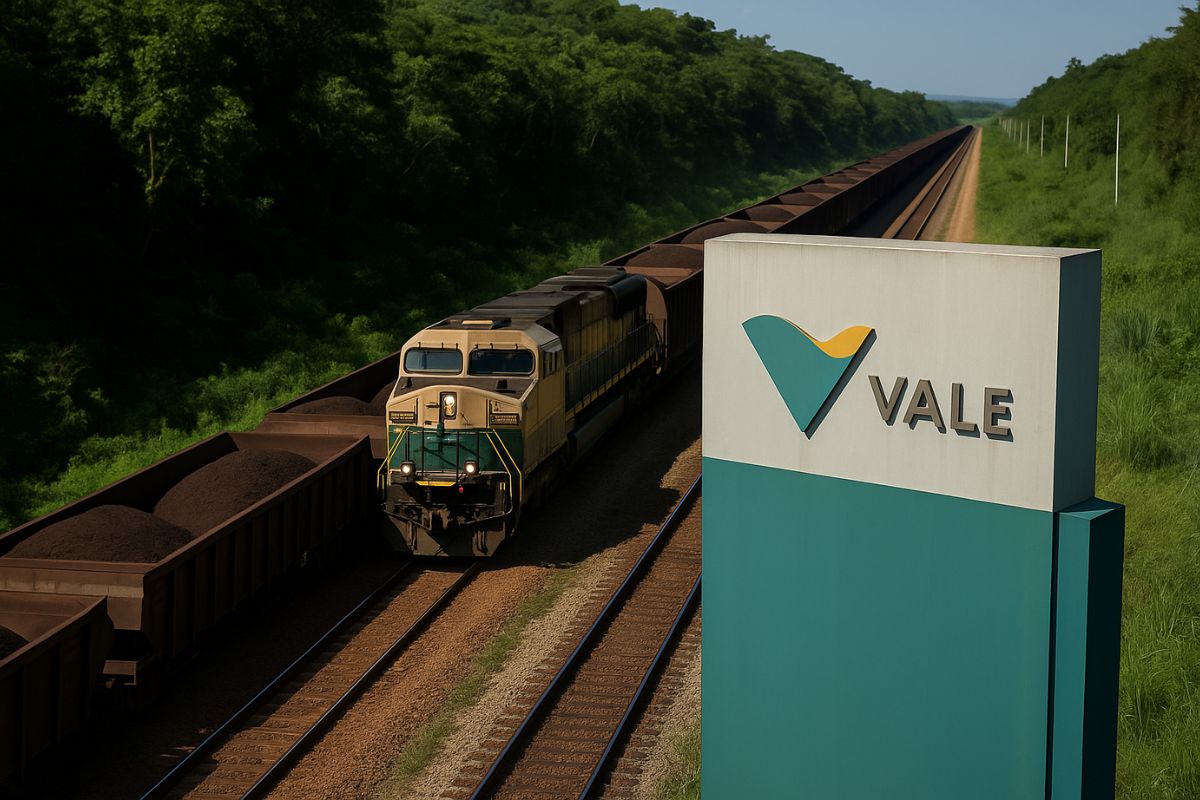
Operating The Only Long-Distance Passenger Trains In The Country And Transporting More Than 300 Million Tons A Year, The Carajás Railway And The Vitória a Minas Are The Pillars Of Vale’s And Brazil’s Logistics.
At the heart of Brazilian logistics, two steel giants stand out as the arteries that pump the country’s mineral wealth to the world. The Carajás Railway, in the Amazon, and the century-old Vitória a Minas Railway (EFVM), in the Southeast, are more than just railroads; they are integrated, world-class logistics systems operated by Vale.
Many believe that these railways are concessions inherited from the old state network, but the story is different. They were built and developed by Vale itself to be the backbone of its operations. Today, after recent billion-dollar renewal agreements, they are preparing for a new cycle of modernization, but not without facing complex social and environmental challenges.
The Crown Jewels: A Legacy Built By Vale, Not By RFFSA
The first point to clarify about the Carajás Railway and the Vitória a Minas is that they have never been part of the old Federal Railway Network (RFFSA). Unlike other networks that were privatized in the 90s, these two corridors were historically developed by Vale itself (at the time, CVRD) as industrial railroads to move its production.
-
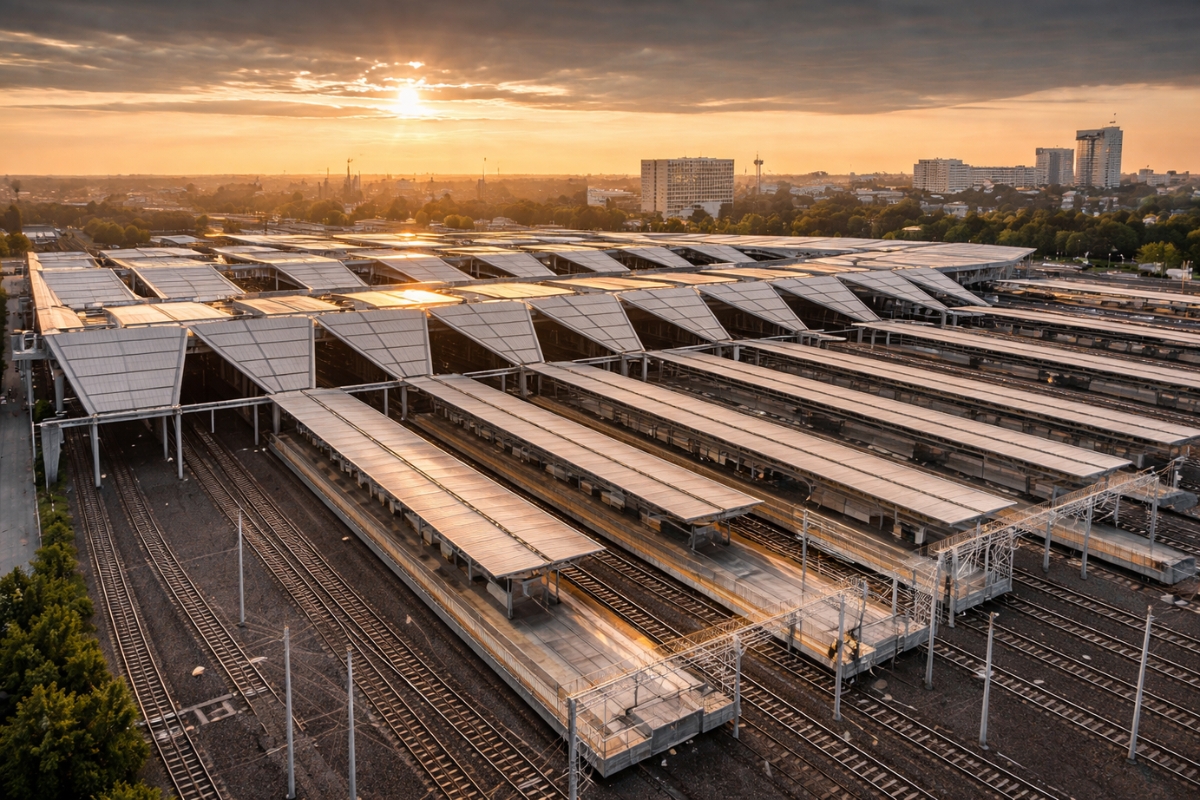
In A European City, The Country’s Largest Railway Junction Was Modernized Without Closing Its Doors, Kept Trains Running During Years Of Construction, Now Serves Up To 60,000 Passengers Per Day, And Installed Solar Panels That Generate About 30% Of Its Energy
-
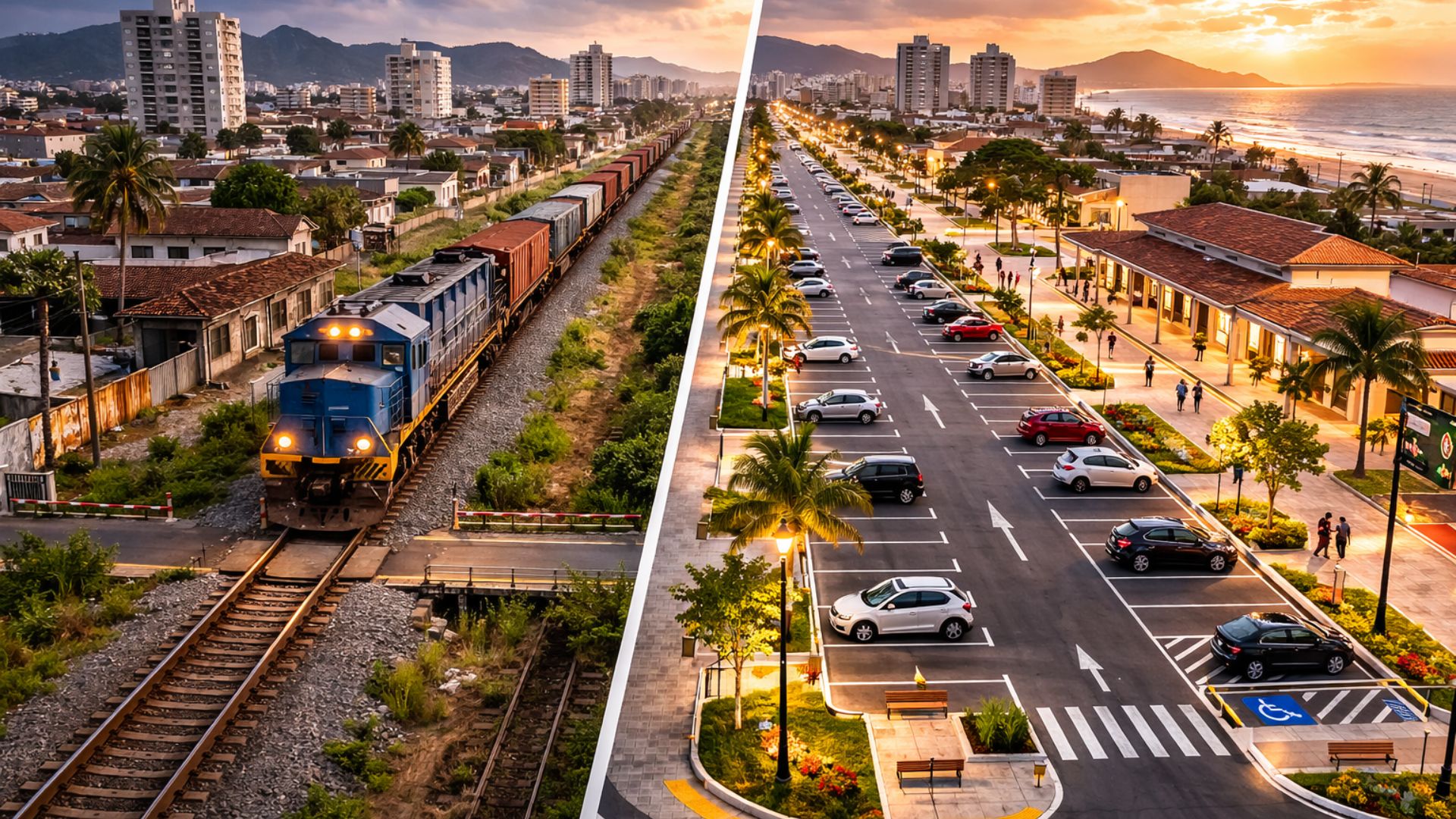
Famous Brazilian Railway May Become a Parking Lot
-
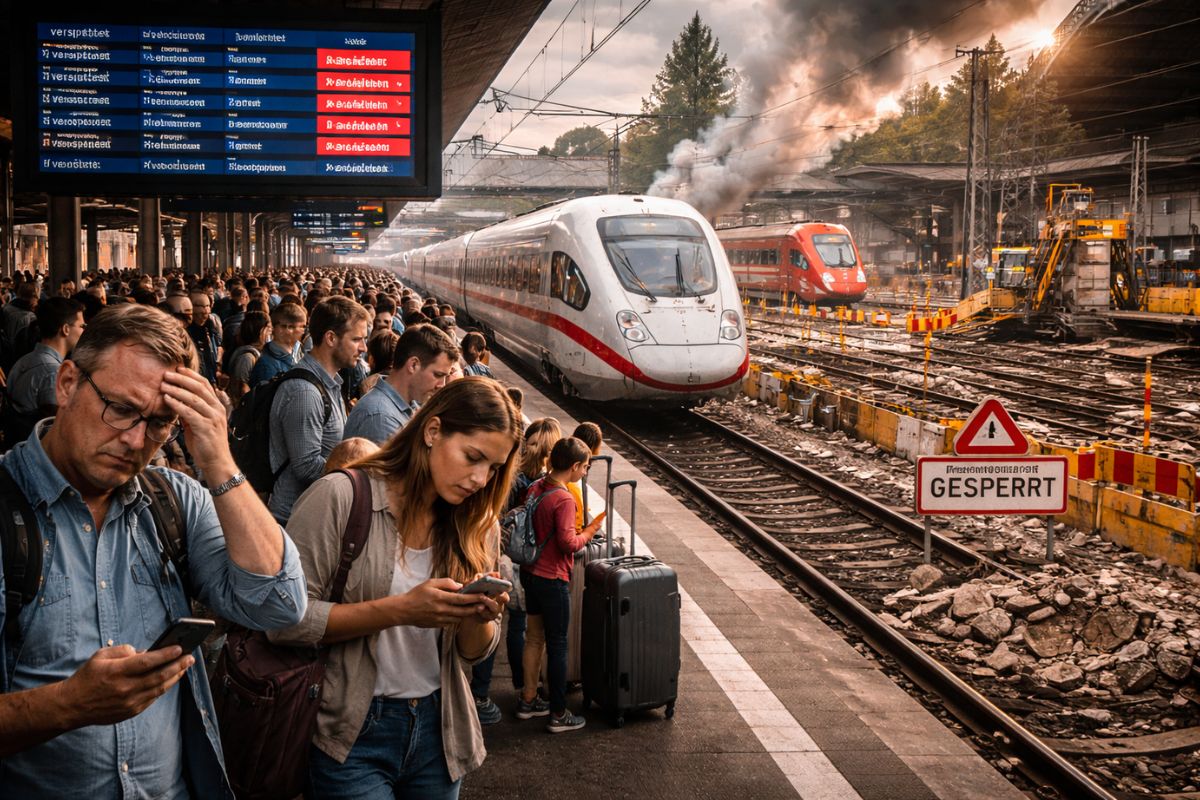
The Country of “Punctual As a Train” Admits It Has Lost Control: High-Speed Trains Delay, Stop, Disappear from the Map and Turn 6-Hour Trips into 10, While Deutsche Bahn Promises Restructuring in 2026 But Faces 19th Century Infrastructure, Staff Shortages and Sections Closed for Months
-
With an Investment of R$ 700 Million in One of the Country’s Main Rail Networks, VLI Reinforces Infrastructure, Receives 8 New Locomotives, and Expands the Corridor Connecting 7 States, Boosting Jobs and the Transportation of Grains, Ore, and Oil Products to the Port of Santos
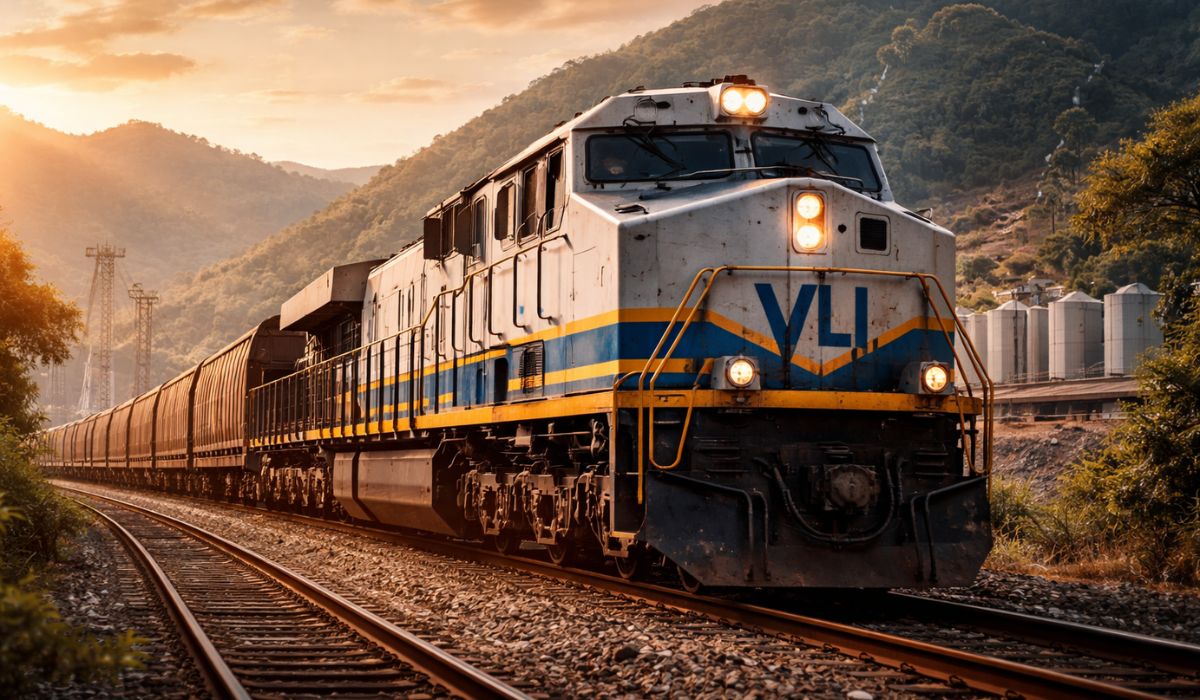

While Vale was involved in the privatization of RFFSA by purchasing other networks, such as the Centro-Atlântica Railway (FCA), the EFC and EFVM have always been operated by it, under direct concessions from the federal government.
The Vitória a Minas Railway (EFVM): The Century-Old Corridor Of The Southeast
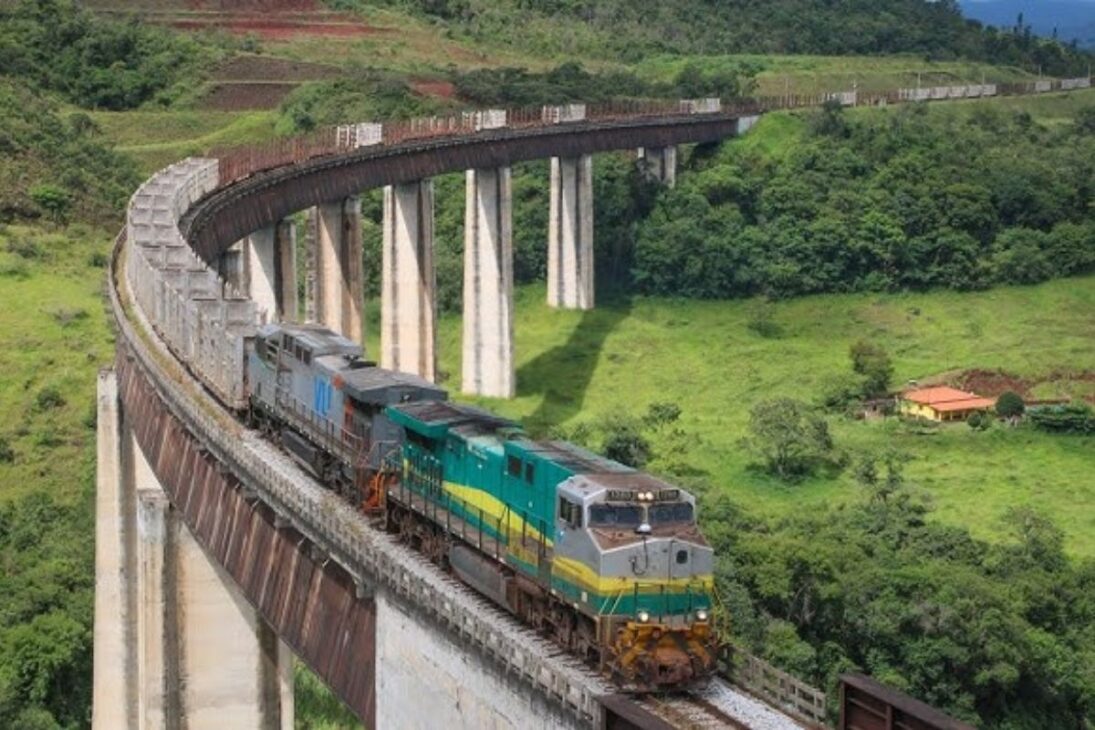
The history of EFVM is a chronicle of more than 120 years. Founded in July 1901 by engineers João Teixeira Soares and Pedro Nolasco, its initial purpose was to transport coffee from the Doce River Valley. However, its fate changed forever in 1908, when English investors transformed it into the corridor for exporting iron ore from Minas Gerais.
With 905 km in length, it connects the heart of mining in Minas to the Port of Tubarão in Vitória (ES). According to operational data from Vale, in 2024, EFVM transported 107.4 million tons of cargo, including not only ore but also steel, coal, grains, and cellulose.
The Carajás Railway (EFC): The Artery Of Mining In The Amazon
In contrast to the gradual evolution of EFVM, the Carajás Railway was born out of a major strategic plan. It was built in record time, between 1982 and 1985, as part of the “Great Carajás Program,” of João Figueiredo’s government, with the sole purpose of exporting the production from the largest iron ore deposit in the world.
With 892 km in length in broad gauge, the EFC connects the S11D complex in Parauapebas (PA) to the Maritime Terminal of Ponta da Madeira in São Luís (MA). Its scale, according to company reports, is monumental. In 2024, the EFC transported 195 million tons of cargo, operating some of the largest trains in the world, with compositions of 330 cars and 3.3 km in length.
More Than Ore: The Only Long-Distance Passenger Trains In Brazil
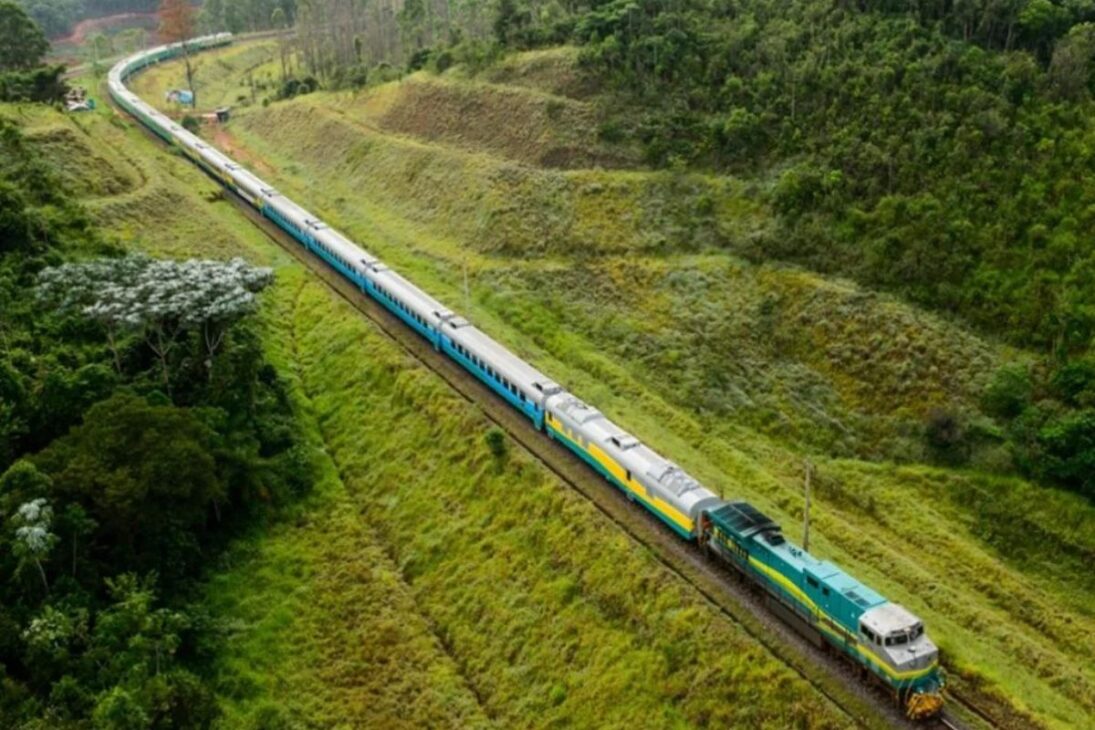
In a country that has practically abandoned passenger rail transport, the Carajás Railway and the Vitória a Minas serve a unique social role. They operate the only two long-distance passenger train services in Brazil, being vital for dozens of communities along their routes.
According to Vale, in 2024, both trains transported a total of over 1.2 million people (845 thousand on the EFVM and a record 423 thousand on the EFC). The service is being modernized, with new cars from Chinese manufacturer CRRC arriving in 2025, and the promise of daily trips on the EFC starting in 2027.
The Billion-Dollar Renewal: The Repactuation Of 2025 And The New Contracts Until 2057
The future of the two railways was secured on December 16, 2020, when Vale, under the management of then-CEO Eduardo Bartolomeo, signed an early renewal of its concessions, extending their validity until 2057. However, the agreement came with a billion-dollar commitment.
In 2025, a new “repactuation” agreement between Vale, the National Land Transport Agency (ANTT), and the Federal Government was established to resolve disputes and define new investment obligations. The pact, awaiting approval from the TCU, anticipates a total contribution of up to R$ 11.3 billion from Vale, to be used both for the modernization of the rail lines and for funding new public interest railway projects, such as the Midwest Integration Railway (FICO).
The Socio-Environmental Challenges Along Vale’s Tracks
Despite operational success, Vale’s railways operate in a landscape of complex socio-environmental challenges. The Carajás Railway, having been built in a border region in the Amazon, has a history of conflicts with indigenous peoples, such as the Gavião Parkatejê, who had their lands cut by the line in 1985 and still report impacts on their way of life.
The EFVM, by traveling through dozens of densely populated cities, deals with everyday issues of noise pollution and safety. Additionally, the collapse of the Samarco dam (a joint venture with Vale) in Mariana in 2015 intensified community distrust along the Doce River Valley. Managing these conflicts and maintaining the “social license to operate” is today one of Vale’s biggest strategic challenges.







Seja o primeiro a reagir!