





 English
  Francês
  Alemão
  Italiano
  Japonês
  Norueguês
  Portuguese
  Spanish
  3 min of reading
  0 comments


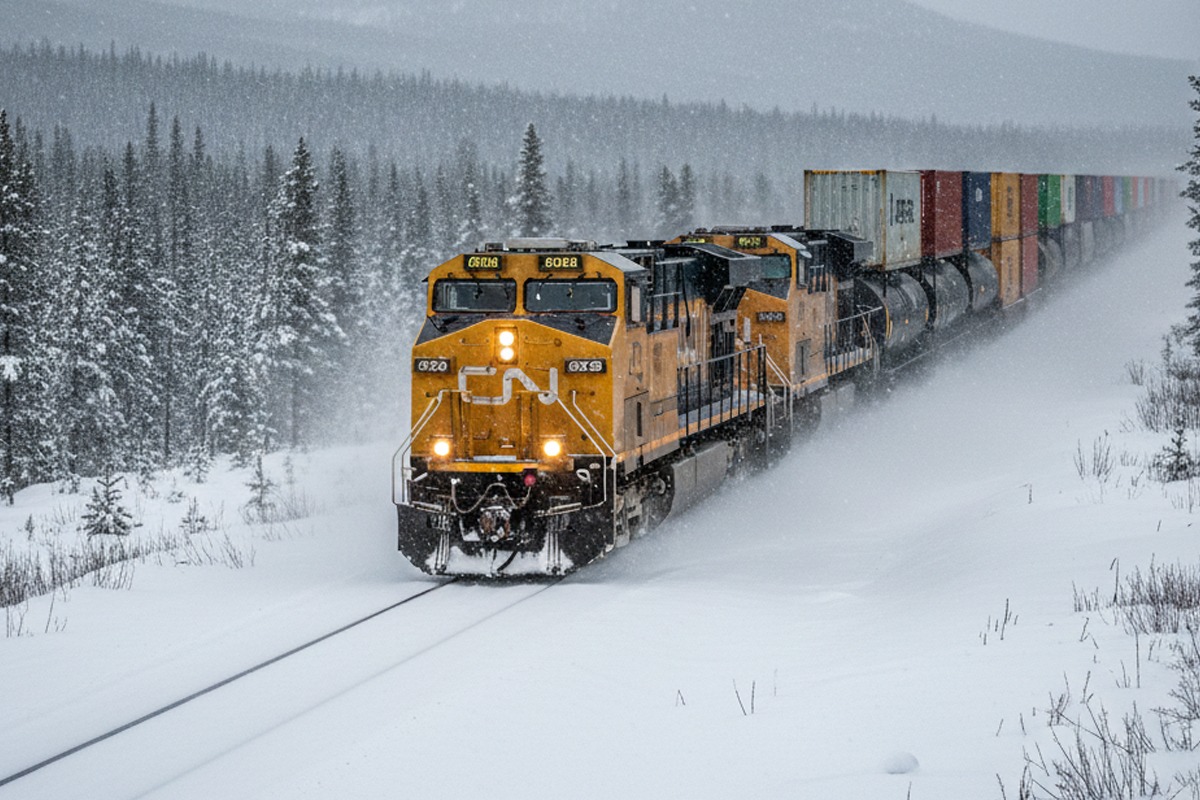
Rail Transport in the US Declines 15.5% in Last Week of January 2026. See Which Sectors Were Most Affected and the Analysis on Climate Impact.
The scenario of freight rail transport in the United States faced a severe setback in the last week of January 2026. After a brief period of optimism with widespread increases, the latest data reveals a sharp contraction in nearly all commodity categories. Between conventional railcar traffic and intermodal units, the total volume recorded a decline of 15.5% compared to the same period last year, totaling 434,361 units.
Slowdown on the Tracks: Rail Transport in the US Records a 15.5% Decline
According to the report from the Association of American Railroads (AAR) for the week ending January 31 (Week 4), the intermodal segment was the most affected, with a reduction of 16.6%, moving only 243,173 containers and trailers. This sector is often seen as a barometer of consumption, and its abrupt decline raised alarms among market analysts.
External research indicates that the logistics sector in the US in 2026 has been dealing with unusual volatility. Analyst Larry Gross points out that the harsh weather and extreme cold in the Eastern US played a crucial role in this slowdown.
-
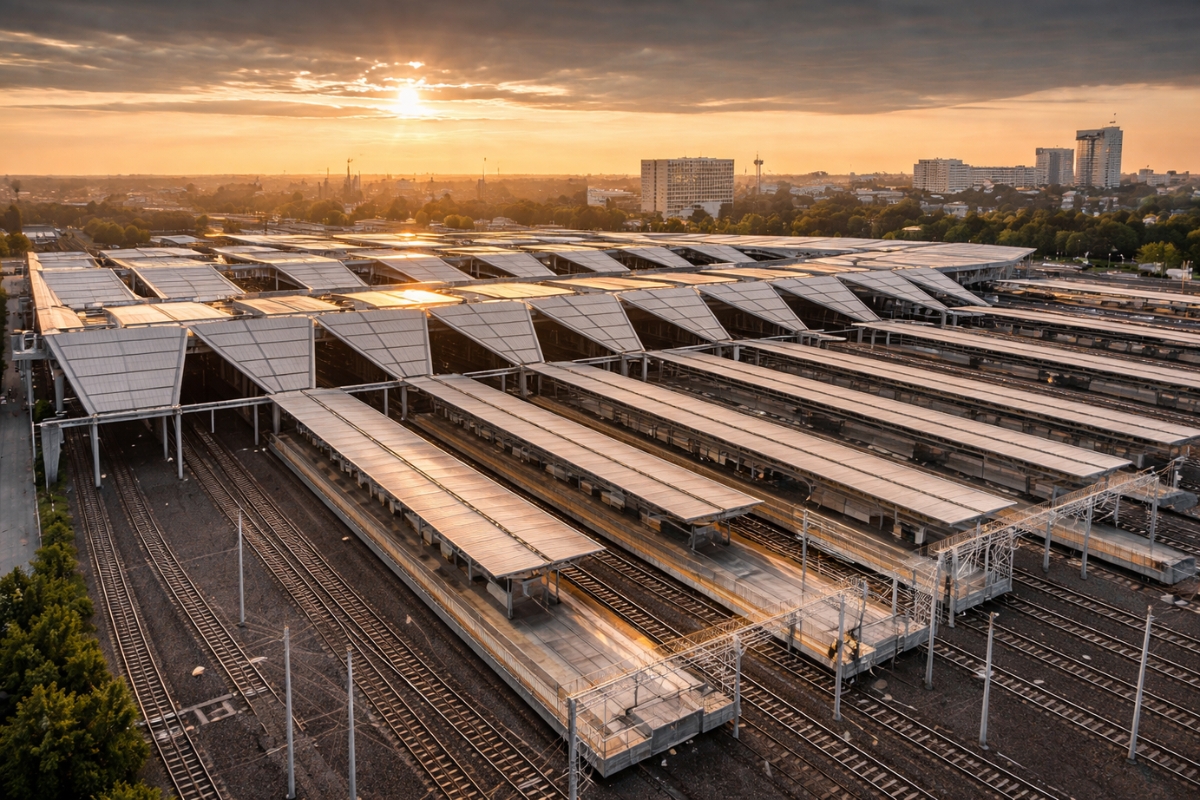
In A European City, The Country’s Largest Railway Junction Was Modernized Without Closing Its Doors, Kept Trains Running During Years Of Construction, Now Serves Up To 60,000 Passengers Per Day, And Installed Solar Panels That Generate About 30% Of Its Energy
-
Famous Brazilian Railway May Become a Parking Lot

-
The Country of “Punctual As a Train” Admits It Has Lost Control: High-Speed Trains Delay, Stop, Disappear from the Map and Turn 6-Hour Trips into 10, While Deutsche Bahn Promises Restructuring in 2026 But Faces 19th Century Infrastructure, Staff Shortages and Sections Closed for Months

-
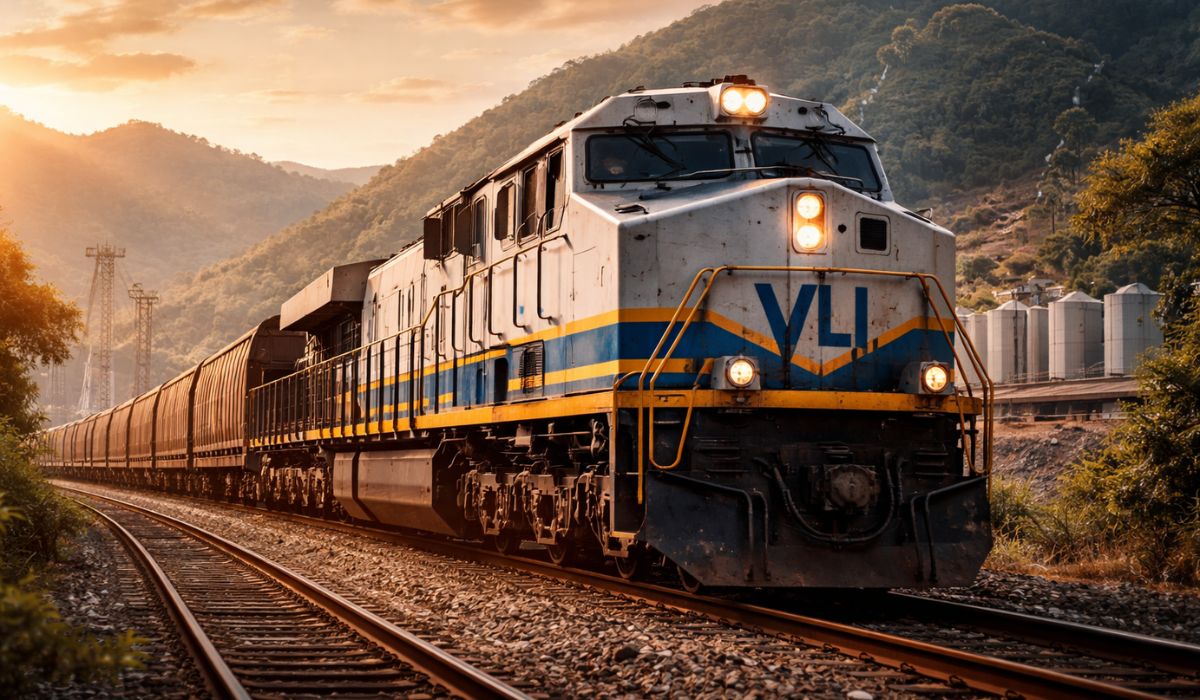
With an Investment of R$ 700 Million in One of the Country’s Main Rail Networks, VLI Reinforces Infrastructure, Receives 8 New Locomotives, and Expands the Corridor Connecting 7 States, Boosting Jobs and the Transportation of Grains, Ore, and Oil Products to the Port of Santos

However, Gross notes that this is the second consecutive week of sharp declines, suggesting that deeper economic factors, such as adjustments in industrial inventories and reduced demand for durable goods, may be putting pressure on the sector. The total decline over the past two weeks has already exceeded 13%.

Detailed Analysis by Freight Category
The analysis of the data reveals a scenario of contrasts, where only one sector managed to maintain growth:
- Grains: It was the only sector to register gains, with a 2.9% increase for the week, totaling 22,655 railcars. Year-to-date, the grain sector impresses with a 17% growth.
- Coal: Experienced a 16.5% decline for the week (50,189 railcars), reflecting the ongoing energy transition and lower thermal demand.
- Motor Vehicles and Parts: Recorded an expressive decline of 27.9%. This data is particularly concerning for the manufacturing industry, indicating a possible slowdown in automobile production.
- Non-Metallic Minerals: Led the week’s declines with a 29.8% retraction, which may be tied to reductions in construction projects impacted by the harsh winter.
Annual Outlook and North American Scenario
Despite the negative week, the year-to-date cumulative figures still present some resilient numbers. In the first four weeks of 2026, US railroads recorded a cumulative volume of 863,558 railcars, representing a 4.4% increase compared to the same period in 2025. However, the chronic fragility in the intermodal sector — which has seen a 3.5% decline for the year — brought the combined total traffic to a slight contraction of 0.1%.
When expanding the view to the entire continent, including Canada and Mexico, the total combined traffic across the nine railroads that report data was 610,660 units for the week, a decrease of 12.8%. The total North American volume for the first four weeks of 2026 remains stable, with a marginal increase of 0.1%.
The market’s expectations are now turning to the February data. Experts anticipate that the normalization of weather conditions and the dissipation of early-year seasonal effects will allow rail transport to regain momentum, especially in the container sector, vital for the integration of global supply chains.










-

Uma pessoa reagiu a isso.