





 Portuguese
  English
  Spanish
  4 min of reading
  8 comments


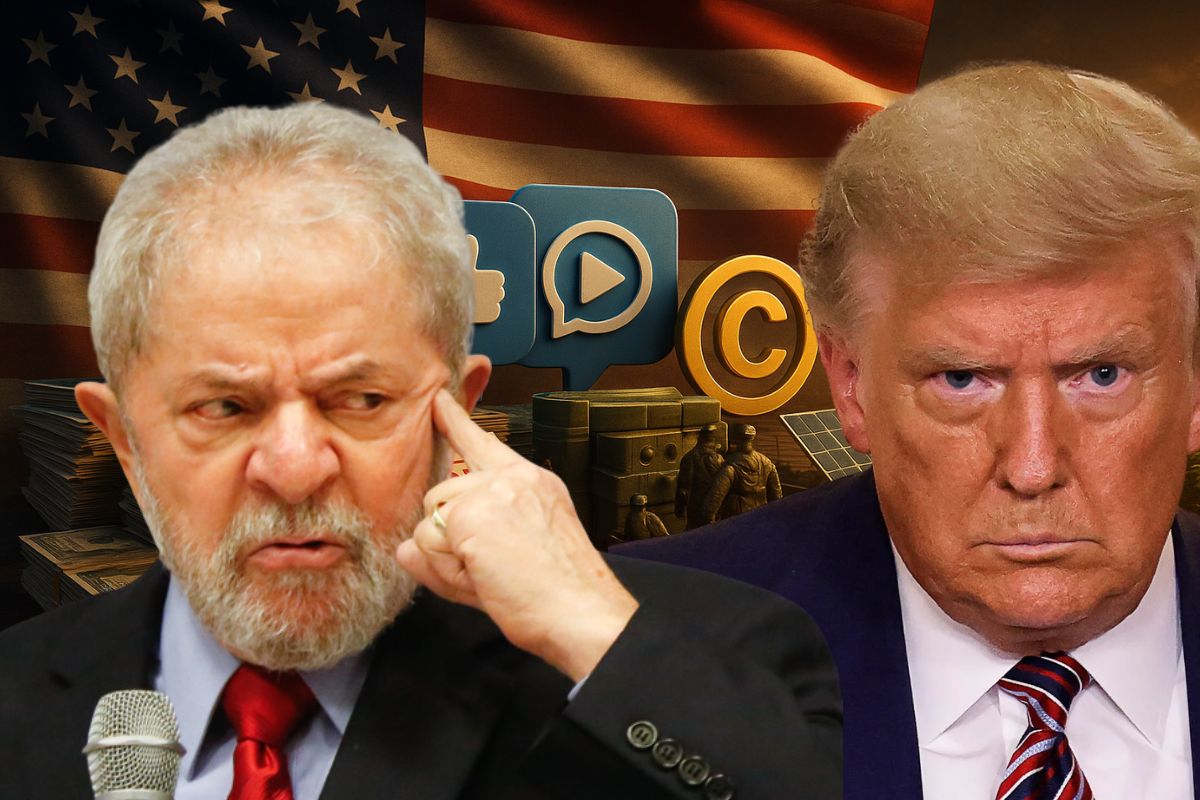


According to Lawyer Davi Aragão, the 301 Section investigation opened by the USA on July 15, 2025, already accumulates 189 official documents and goes far beyond tariffs: it affects PIX, social networks, intellectual property, the environment, and agriculture, with potential for cross-sanctions until 2026.
The trade dispute between Brazil and the United States has entered an unprecedented phase. The 301 Section investigation, led by the USTR (Office of the United States Trade Representative), is not limited to the 50% tariffs announced in July. In just six months, the process already gathers nearly 200 official documents and paves the way for tougher measures against strategic Brazilian sectors.
According to lawyer Davi Aragão, who is following the case, the American dossier is broad, coordinated, and technically robust, while Brazil’s defense was considered weak and scattered. This difference in approach increases the risk that the process evolves into financial, technological, and environmental sanctions, with a direct impact on the economy.
What Is Section 301 and Why Is Brazil in the Crosshairs
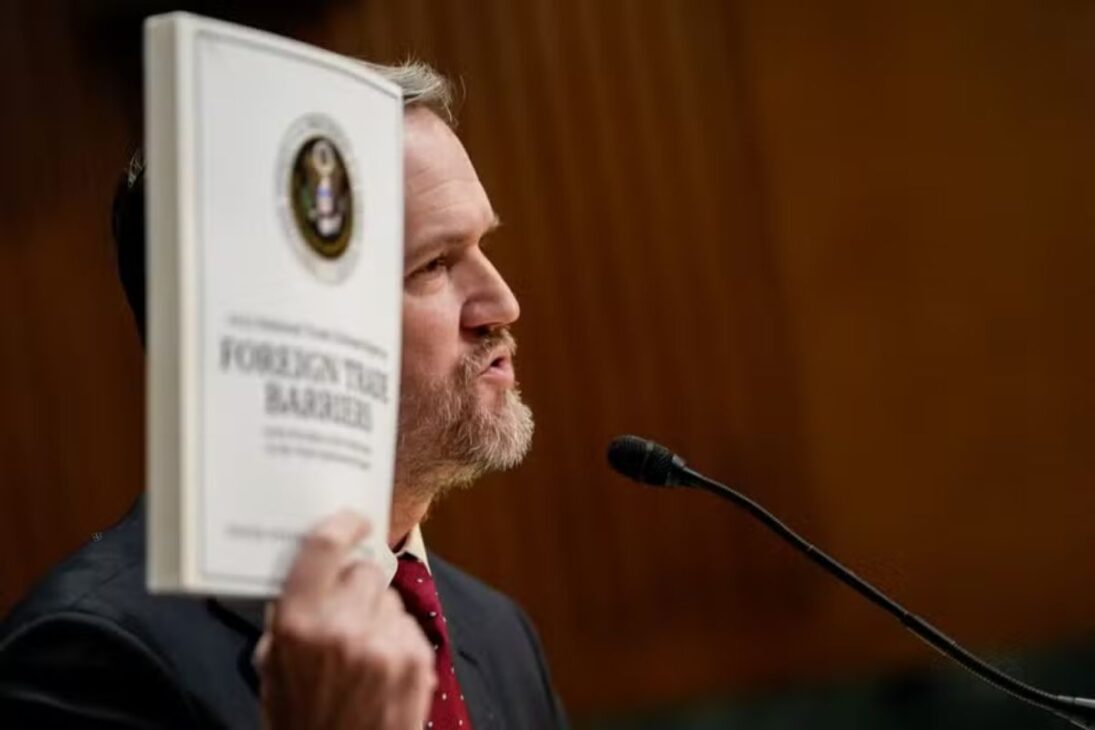
Section 301 is a legal tool created in 1974 that allows the USA to investigate trade practices deemed unfair and apply retaliations.
-
Brazilian city gains industrial hub for 85 companies that is equivalent to 55 football fields.

-
Peugeot and Citroën factory in Argentina cuts production by half and opens a layoff program for more than 2,000 employees after Brazil drastically reduced purchases of Argentine vehicles.

-
A Brazilian city gains a factory worth R$ 300 million with the capacity to process 200 thousand tons of wheat per year, a mill of 660 tons/day, silos for 42 thousand tons, and an industrial area of 276 thousand m².
-
Havan will leave the shopping mall in Blumenau to inaugurate something that the chain has never done before: a megastore in half-timbered style in the Historic Center of the city, which is expected to be completed in May and change the landscape of local retail.

It has been used against powers like China, Japan, and the European Union.
In the Brazilian case, the focus goes beyond import tariffs and includes digital regulation, indirect subsidies, intellectual property rights, and environmental practices.
The process began on July 15, 2025, and already accumulates 75 submissions from American sectors — from big tech companies to agricultural producers — against only 23 Brazilian responses and an official defense of 91 pages.
According to Aragão, this documentary imbalance “exposes Brazil to more aggressive measures than those seen so far.”
PIX and the Digital Sector at the Center of the Dispute
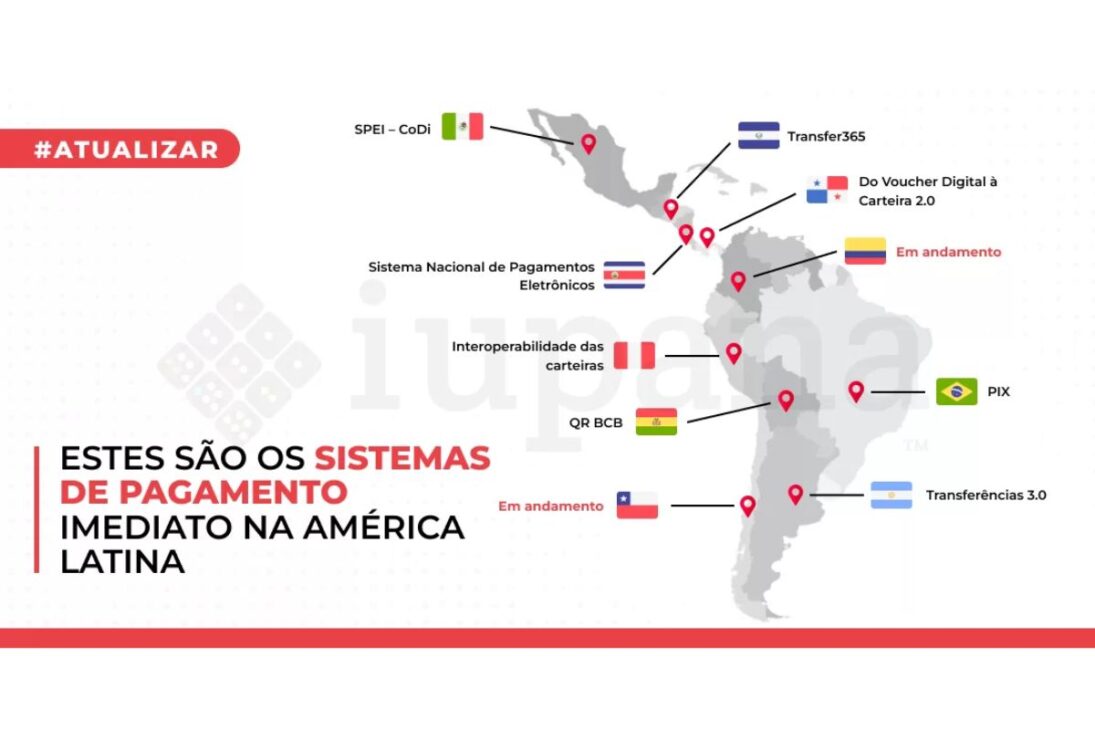
One of the most sensitive points is the PIX, Central Bank’s instant payment system.
American companies like Visa, Mastercard, PayPal, Apple Pay, and Google Pay claim that the free, 24/7, and compulsory model for Brazilian banks works as a disguised state subsidy, which reduced billion-dollar margins of the private sector.
According to data presented in the process, PIX already accounts for 47% of the country’s financial transactions in 2024.
For the USA, this creates a technological trade barrier, as its own standards have been adopted to the detriment of global models.
The Brazilian defense highlighted financial inclusion but did not respond to five central technical points, increasing the pressure.
Social Networks and STF Decisions as Risk Factors
Another target is the decisions of the Supreme Federal Court (STF), especially by Minister Alexandre de Moraes.
Platforms like X/Twitter, Meta, Google, and Microsoft claim that removal orders within 2 to 4 hours, under daily fines of up to R$ 100,000, create regulatory insecurity and disproportionate costs.
The American dossier also cites cases of data delivery directly to Brazilian authorities, without diplomatic mediation, as an additional legal risk factor.
Agriculture and the Environment Under Scrutiny
The offensive spares no Brazilian agribusiness.
Documents point to irregularities in up to 40% of forest licenses issued between 2020 and 2024, in addition to a 70% drop in operations against corruption and environmental crimes.
These elements are used to support the thesis that Brazilian products, such as wood, soy, and corn, reach the international market cheaper due to low oversight.
In the USA, it is estimated that Brazilian wood is 30% cheaper than American wood due to alleged irregular competitive advantages.
Intellectual Property and Audiovisual Under Discussion
The patent and audiovisual sector has also made it to the list.
The INPI patent analysis queue reaches 9 or 10 years, which reduces the effective protection of medicines and technologies.
Digital piracy in Brazil still moves up to US$ 9 billion per year, according to data from the Motion Picture Association.
In streaming, American companies complain about being charged up to 12% on gross revenue, considered a barrier to entry.
The Brazilian defense mentioned ongoing reforms but did not present verifiable goals to reduce delays or combat piracy.
Timeline and Next Steps
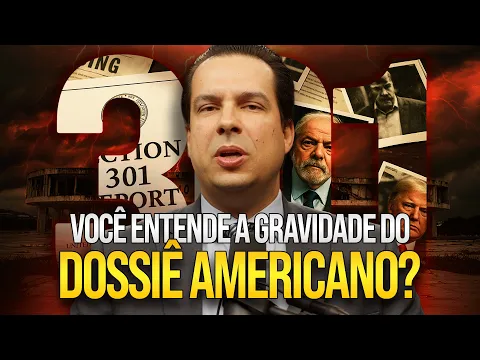

07/15/2025 – Official opening of the Section 301 investigation against Brazil.
09/03/2025 – First public hearing in Washington.
September/2025 – Final deadline for written comments.
By March/2026 – Publication of the USTR’s preliminary report.
By July/2026 – Final decision, barring diplomatic agreement.
If there is no technical negotiation, the USA may adopt financial sanctions (via OFAC), technological restrictions on PIX, and even import bans in supply chains, following the model applied against China in strategic sectors.
For lawyer Davi Aragão, the crucial point is that Section 301 is not limited to import tariffs: it creates a multilateral pressure map that could impact the heart of the Brazilian economy.
If Brazil does not present technical plans and verifiable timelines, the country risks facing trade isolation, financial hurdles, and loss of competitiveness in strategic sectors.
In your opinion, should Brazil negotiate immediately to reduce the risks of Section 301 or face direct confrontation with the USA? What would weigh more: regulatory sovereignty or economic risk? Leave your opinion in the comments — we want to hear from those following this dispute in practice.








O Brasil não tem peito pra enfrentar os EUA. Estamos nesta situação de risco de colapso da nossa economia por causa de meros caprichos dos que dirigem a nossa nação. Precisamos de uma mudança de postura e isto não é **** nem indigno. Ainda há tempo dos governantes salvarem o Brasil!
Ainda acredito que a Soberania pesa mais.
Sem dúvida, chegou a hora de mudar, acabou a república de bananas! Não somos escravos de ninguém! Sou de origem alemã e conheço este tipo de indivíduo mascarado de benfeitor! E me desculpe, mas todos estamos sempre sendo pressionados pelas políticas ocidentais, que nunca fizeram nada além de seu próprio benefício!