





 Portuguese
  English
  Spanish
  3 min of reading
  0 comments


Donald Trump’s Tariffs Pushed Brazil Straight Into China’s Arms
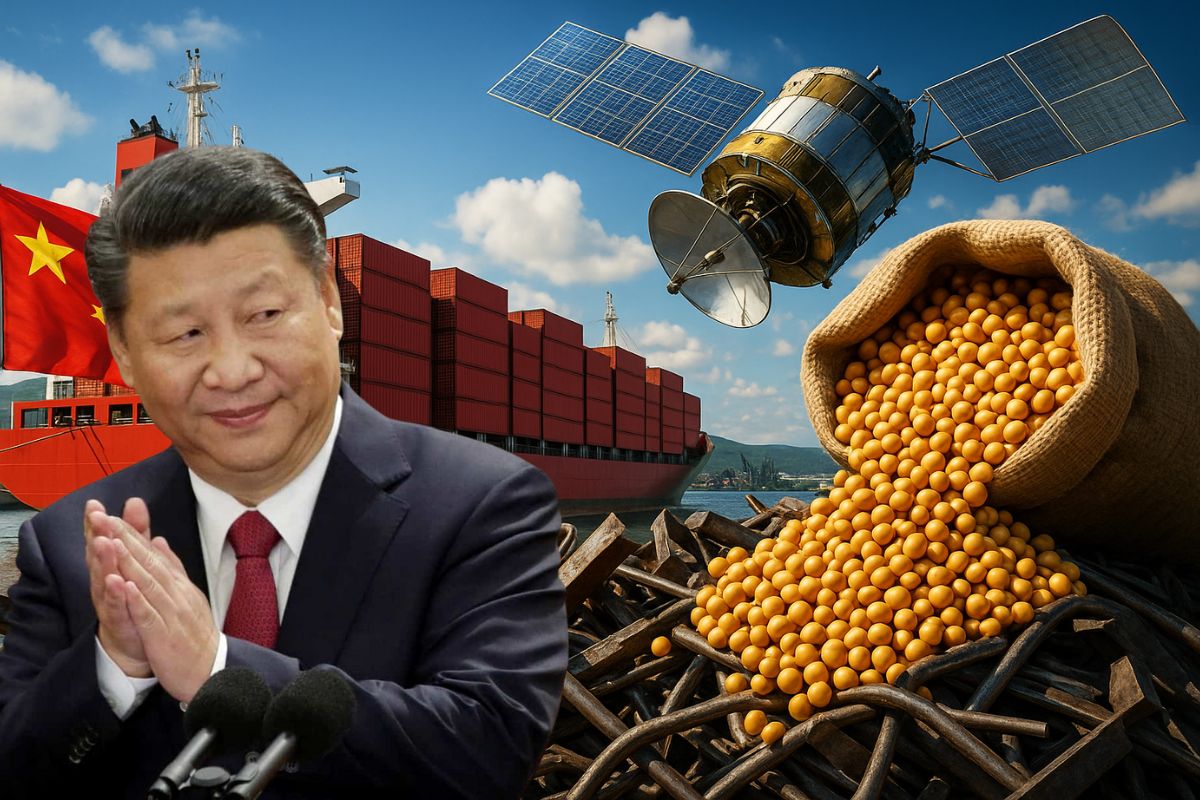
Donald Trump’s tariffs pushed Brazil straight into China’s arms, radically changing the country’s position on the global chessboard. What was once a strategic partnership between Brasília and Washington transformed into a rift, with Beijing occupying the space left by the U.S. Today, China buys most of Brazil’s soy, finances railways, ports, and even helps the government issue debt in Chinese currency, reducing dependence on the dollar.
According to analysis by international commentator Cyrus Janssen, this shift shows how American policies aimed to protect its economy ended up strengthening the rival that the U.S. was trying to contain the most.
How Tariffs Changed The Game
Donald Trump’s tariffs pushed Brazil straight into China’s arms because they hit the main products exported by the country hard. Coffee, soy, meat, steel, and aluminum began to incur fees of up to 50% to enter the American market. Trump’s goal was to reduce deficits and politically pressure Brasília, but the result was an immediate movement toward closer ties with Beijing.
-
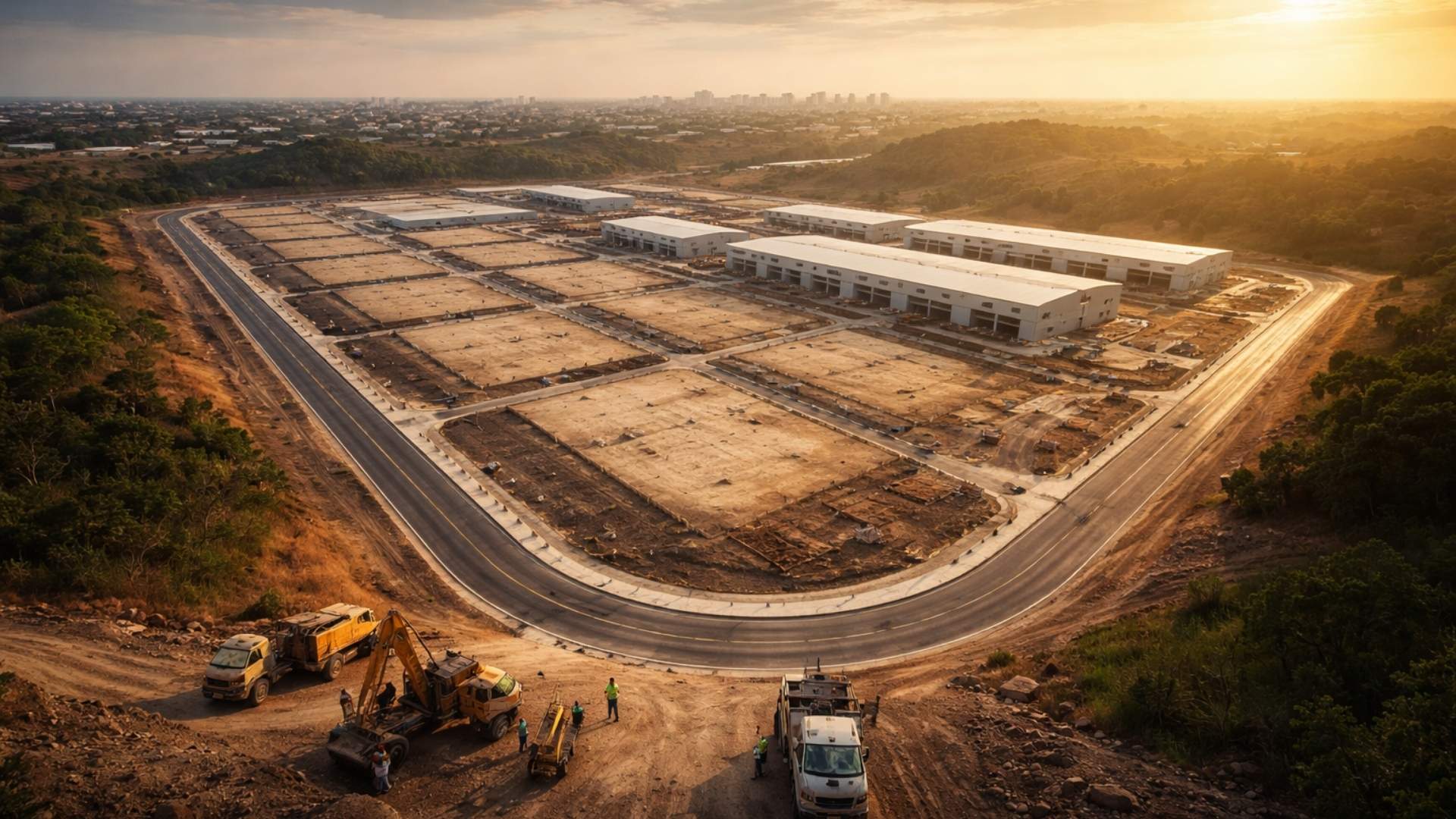
Brazilian city gains industrial hub for 85 companies that is equivalent to 55 football fields.

-
Peugeot and Citroën factory in Argentina cuts production by half and opens a layoff program for more than 2,000 employees after Brazil drastically reduced purchases of Argentine vehicles.

-
A Brazilian city gains a factory worth R$ 300 million with the capacity to process 200 thousand tons of wheat per year, a mill of 660 tons/day, silos for 42 thousand tons, and an industrial area of 276 thousand m².

-
Havan will leave the shopping mall in Blumenau to inaugurate something that the chain has never done before: a megastore in half-timbered style in the Historic Center of the city, which is expected to be completed in May and change the landscape of local retail.


China, which had been increasing its presence in Brazil since the first trade war in 2018, seized the opportunity. Today, 70% of soy exported by Brazil goes to China, and the Asian country has established itself as Brazil’s main agricultural and energy partner.
Agriculture And Chinese Mega-Investments
The most visible shift occurred in agribusiness. While the U.S. closed doors, China built infrastructure to ensure the flow of Brazilian production. In Santos, the largest port in Latin America, Chinese companies already control a significant portion of cargo movement and invest billions in export terminals.
In addition, long-range railway projects are being financed by Chinese capital, connecting producing areas in the Midwest to strategic ports, including the prospect of a bio-oceanic corridor to Peru, shortening grain shipments to Asia by up to 10 days.
Energy, Technology, And Space: Chinese Presence Grows
Donald Trump’s tariffs pushed Brazil straight into China’s arms also in strategic sectors outside of agriculture. Beijing is already financing wind and solar power plants in Brazilian territory, ensuring clean energy and creating jobs. In the space field, the Sino-Brazilian partnership has resulted in satellites that monitor the Amazon and assist in natural disaster control.
These projects show that the alliance is not just commercial but involves technology transfer and integration in sensitive areas, previously dominated by partnerships with the U.S.
The Weight Of The Chinese Currency And The Fall Of The Dollar
Perhaps the most symbolic change is in the financial field. In 2025, Brazil announced the issuance of its first sovereign debt in yuan, the Chinese currency. In practice, this means that the country is reducing its dependence on the dollar and opening up space for a new financial architecture, where China plays a leading role.
With lower interest rates on debt in yuan and a base of investors willing to finance mega-projects, Brazil positions itself as a leader in South America in the movement to diversify global currencies.
Donald Trump’s tariffs pushed Brazil straight into China’s arms, consolidating a relationship that goes far beyond the trade of soy or coffee. Today, the partnership involves infrastructure, energy, technology, space, and even finance. For many analysts, this movement is irreversible and marks the beginning of a multipolar world, where the U.S. loses ground as China assumes strategic roles in South America.
And you, what do you think of this change? Does Brazil gain by getting closer to China or lose by distancing itself from the U.S.? Leave your opinion in the comments — your insight can help understand the impact of this new global scenario.








-

-

-

3 pessoas reagiram a isso.