





 Portuguese
  English
  Spanish
 5 min of reading
  0 comments


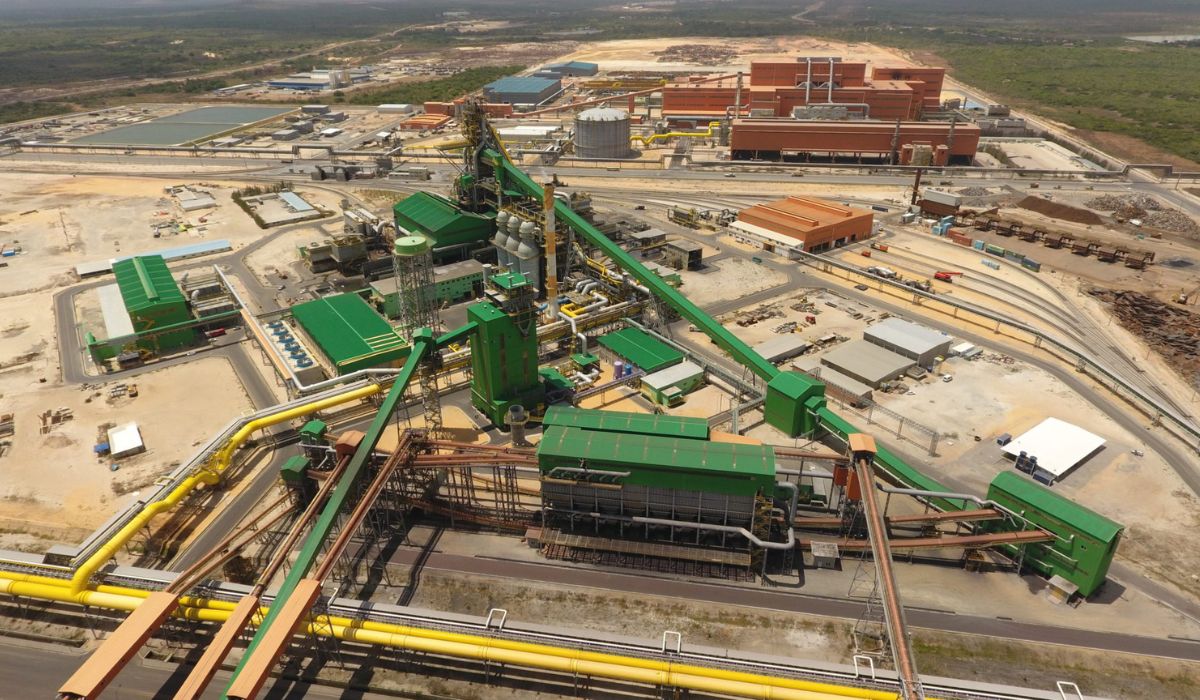
Bankruptcy Filing Exposes Billion-Dollar Dispute Involving Historic Project in Ceará, Disagreements Over Labor and Tax Debts, Reduced Declared Assets, and Attempts by Creditors to Hold the Foreign Parent Company Responsible for Funds Left in Brazil.
Posco Engineering and Construction of Brazil, a subsidiary of South Korea’s Posco Engineering & Construction, filed for bankruptcy in the Ceará court and began to concentrate, in a single process, the discussion about a liability that creditors estimate could reach around R$ 1 billion, according to a report from the portal Diário do Centro do Mundo.
In the records, the company acknowledges debts of hundreds of millions of reais while declaring reduced assets, a scenario that prompted formal challenges from workers, suppliers, and legal representatives.
The company was created specifically to implement the Pecém Steel Company, considered one of the largest private investments ever made in Ceará.
-
Oncorp wins auction and enables biodiesel and gas thermal plants in Brazil, with strategic projects in Suape and Xavantes Aruanã.

-
Raízen Recovery: Shell Cosan May Reduce Control After R$ 65 Billion Debt

-
Outback Montes Claros: Chain Confirms First Unit in Northern Minas in 2026

-
Inpasa Creates Advisory Council and Brings José Olympio to Strengthen Corporate Governance

The work began in 2011 and was completed in 2016, when the plant commenced operations, according to information released by ArcelorMittal, the current owner of the venture.
Reports published by outlets such as UOL and Diário do Nordeste indicate that Posco received the full agreed amounts in the construction contract for the steel mill.
However, after the project’s delivery, issues related to labor obligations, contracts with suppliers, and tax debts in Brazil began to arise, which started to be pursued in court.
Bankruptcy Filing and Procedural Effects
The bankruptcy filing was submitted in September 2025.
According to business law experts interviewed in reports about the case, this type of measure consolidates claims in a single court, suspends individual executions, and alters the dynamics of debt updates.
Creditors claim, in the records, that this consolidation tends to prolong the proceedings and reduce the effectiveness of collections in the short term.
In the proceedings, Posco presented an initial list of about 40 creditors and acknowledged a liability of R$ 644 million.
The majority of this amount corresponds to labor debts, in addition to claims classified as unsecured and obligations with companies within the same economic group, according to information published by IstoÉ Dinheiro.
Attorneys representing creditors dispute the numbers and argue that the actual debt is higher than reported.
Diário do Nordeste reports that there are credits that have not yet been formally included in the proceedings, which could lead to an increase in liabilities as new claims are analyzed by the court.
Dispute Over the Actual Size of the Debts
One of the main points of contention involves tax debts.
According to reports, Posco indicated lower values than those demanded by the Attorney General of the National Treasury.
Representatives of the creditors claim that, just in federal taxes, the total could exceed R$ 200 million, considering ongoing tax executions.
Furthermore, part of the claims is linked to ongoing lawsuits, meaning that the final amounts depend on future decisions.
This uncertainty has been noted in the records as one of the factors hindering the consolidation of a definitive figure for the total liability.
Companies that provided services during the steel mill’s implementation phase, especially between 2013 and 2015, also report financial impacts resulting from non-payment.
These accounts appear in regional reports and in submissions made to the bankruptcy court.
Declared Assets and Creditors’ Questions
Despite the magnitude of the discussed debts, Posco declared to the court a limited set of assets.
Among the listed assets are a plot of land in São Gonçalo do Amarante valued at about R$ 1.1 million, a vehicle in disrepair, and small amounts in bank accounts and financial investments.
Documents mentioned by Diário do Nordeste indicate that, in June 2025, the company had a bank balance of less than R$ 1,000.
For the creditors, this data reinforces the thesis that the company was already operating with scarce resources before the bankruptcy filing, an argument used to challenge the regularity of the financial situation presented.
The company also stated that part of the amounts linked to legal disputes is deposited in court and therefore cannot be used to settle other debts.
Million-Dollar Credit and Attempt to Reach the Parent Company
Among the largest creditors is Campelo Costa Law Firm.
As reported by Diário do Nordeste, the credit attributed to the firm is approximately R$ 567 million, a value recognized in arbitration procedures and in judicial decisions that have already been rendered.
In October 2025, a first-instance ruling preliminarily authorized the piercing of the corporate veil of the Brazilian subsidiary.
The measure allows for claims to be directed at the South Korean parent company and the group’s international holding company, according to terms disclosed by the press.
In the decision cited by reports, the judge highlighted that the Brazilian company was structured to execute a single project.
This understanding has been used by creditors to support the need to broaden the scope of executions.
Project at Pecém and Change of Control of the Steel Mill

Posco exclusively operated in the implementation of the Pecém Steel Company, located in the Pecém Industrial and Port Complex.
ArcelorMittal reported that the plant was commissioned in 2016 and has a production capacity of about 3 million tons per year.
In March 2023, Vale announced the completion of the sale of its stake in CSP to ArcelorMittal.
The transaction, confirmed by the companies involved, was valued at approximately US$ 2.2 billion and occurred after obtaining the necessary regulatory approvals.
ArcelorMittal Pecém stated in a note reproduced by Diário do Nordeste that it did not participate in contracting suppliers by Posco nor had any involvement in those contracts.
According to the company, the ongoing disputes pertain exclusively to the obligations assumed by the contractor during the execution of the project.
Disagreement Over the Causes of Insolvency
In the bankruptcy process, the judicial administrator pointed to factors such as rising costs, economic contraction, lack of new contracts, and the effects of the pandemic as causes of insolvency.
This version has been reported in articles covering the case since the beginning.
Creditors, on the other hand, argue that these explanations do not justify the non-payment of debts after the completion of the project and the full receipt of the main contract.
In submissions made to the court, they advocate for the annulment of the bankruptcy filing and the resumption of collections through other legal avenues.









Seja o primeiro a reagir!