





 Portuguese
  English
  Spanish
  6 min of reading
  5 comments


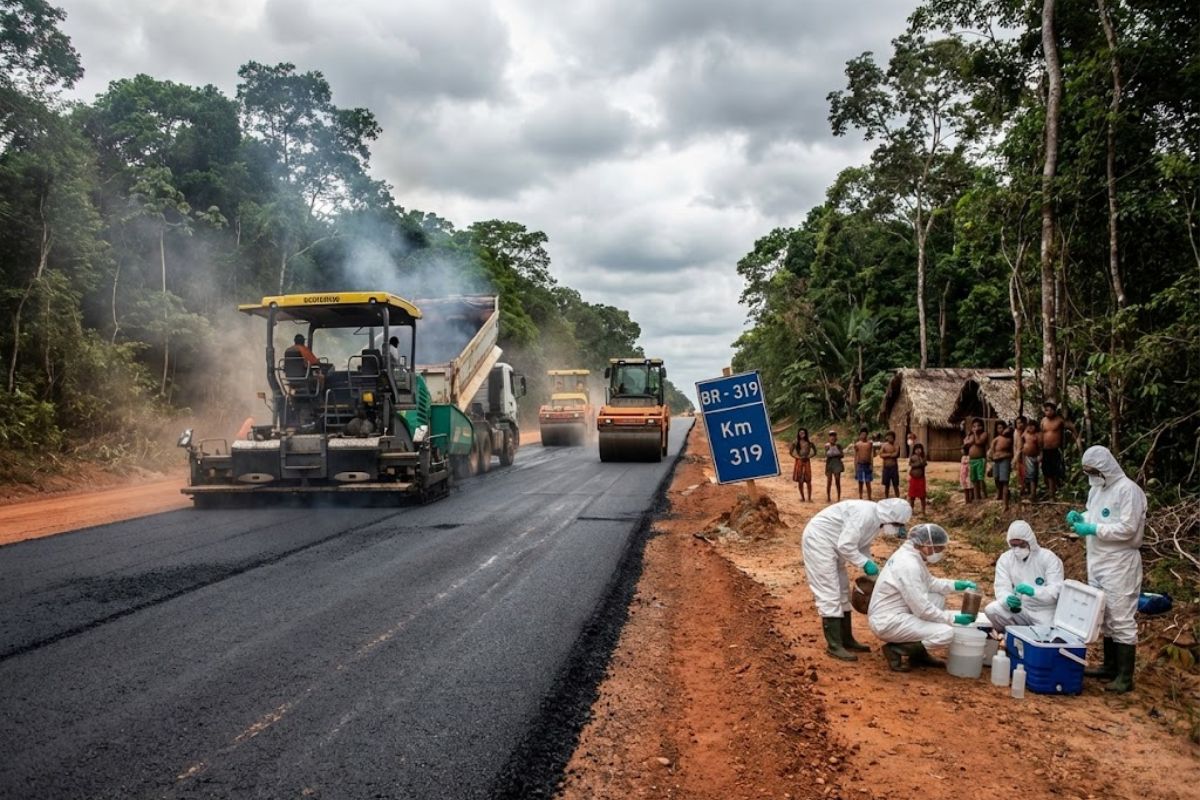


Highway Between Porto Velho And Manaus, In The Heart Of The Amazon, Had 61 Soil Points Sequenced And Areas Of Autazes Analyzed. Researchers Describe Microbial Dark Matter, With Virulence And Resistance Genes, And Say That Paving Can Break The Isolation Of Viruses And Bacteria And Increase Unique Sanitary Risks.
According To Information From Jornal De Brasília, This Monday (12), A Technical Note Signed By 18 Researchers From 13 Institutions Warned That The Paving Of BR-319, The Highway That Connects Porto Velho To Manaus, May Expose The Population To Isolated Strains Of Viruses And Bacteria With Relevant Pathogenic Potential In The Amazon.
Based On The Genomic Sequencing Of Soil Samples Collected At 61 Locations Along BR-319 And Also In Areas Targeted For Potassium Mining In Autazes (AM), The Analysis Points To Evolutionarily Isolated Reservoirs Of “Microbial Dark Matter,” With High Diversity And Genes Associated With Virulence And The Ability To Cause Diseases.
Where BR-319 Cuts The Amazon And Why The “Middle Section” Becomes The Center Of Debate

BR-319 Connects Porto Velho In Rondônia And Manaus In Amazonas, Cutting Through An Extensive Stretch Of Amazon Rainforest.
-
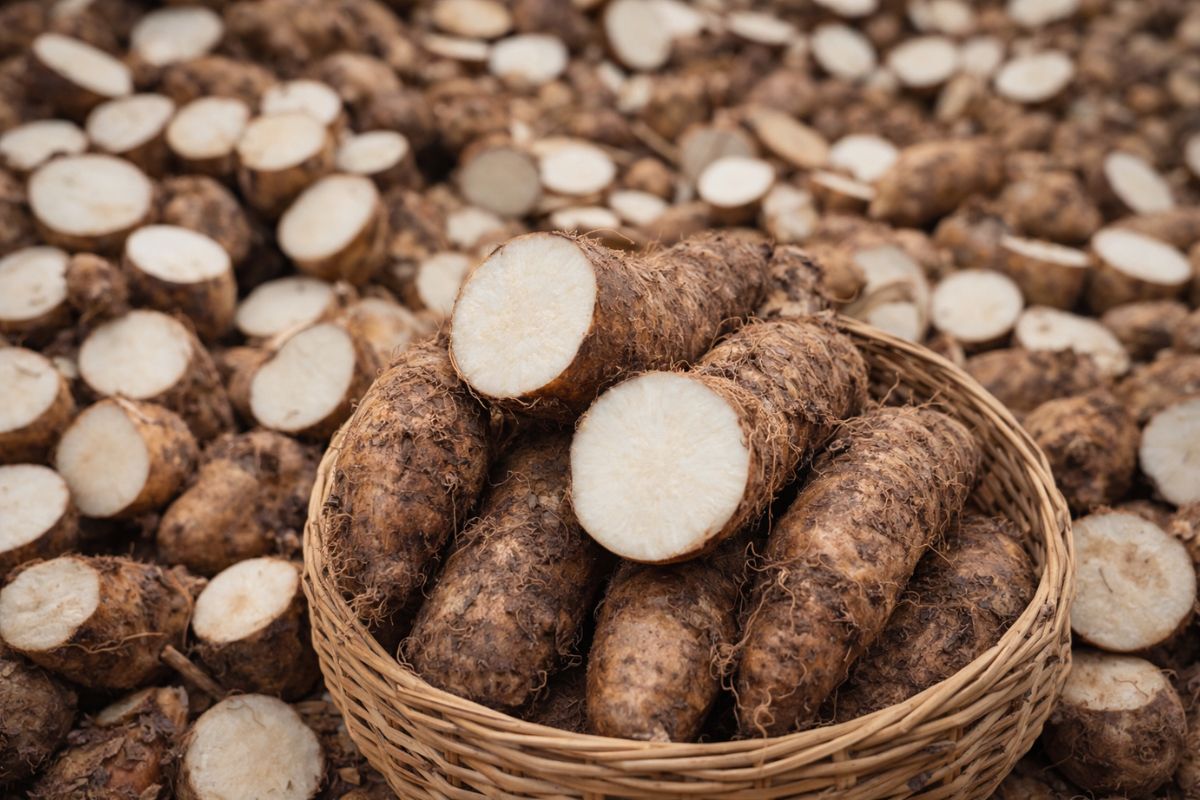
Millions of people have been eating yam for centuries without knowing that this humble tuber contains a compound called diosgenin, which scientists have now discovered can improve memory and help control blood sugar levels.
-
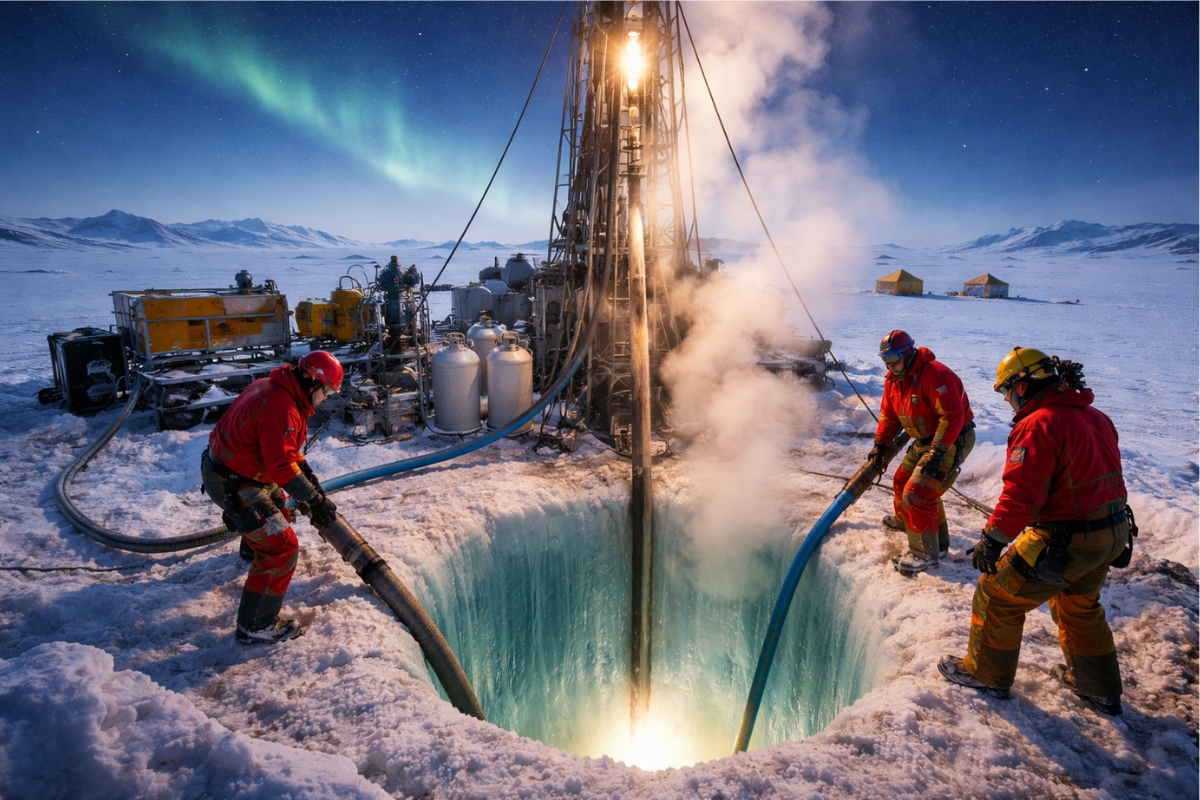
Scientists from an international project drill 1,800 meters of ice in Antarctica using hot water and discover details about one of the most intriguing places on planet Earth.
-
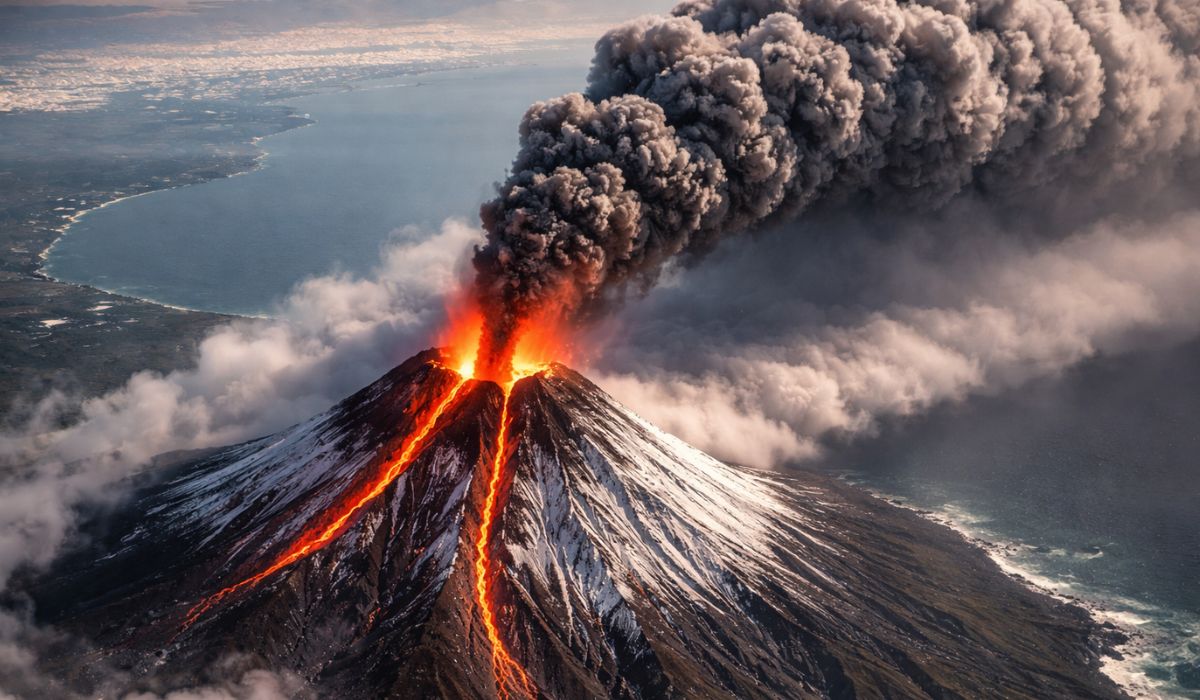
Seen from space, a colossal volcano nearly 5,000 meters high in Russia has released 1,600 km of smoke over the Pacific, forming “devil’s horns” of lava and revealing the brutal force of the Ring of Fire.
-
Expedition 501: Scientists drill into the ocean floor and discover a giant reserve of fresh water hidden beneath the sea, extracting nearly 50,000 liters and revealing an invisible system that could reshape the map of water scarcity.


Within This Route, The So-Called Middle Section Appears As A Sensitive Area Because It Is In The Heart Of The Amazon And Becomes Impassable For Part Of The Year Due To Rain, Which Reduces Circulation And Keeps Large Portions Of Forest Less Exposed To Continuous Flow Of People And Activities.
The Researchers’ Concern Is That Paving Could Change This Dynamic.
The Described Risk Is Not “The Asphalt Itself”, But What Usually Comes With It: Greater Human Presence, More Displacements, New Occupation Fronts, And More Direct And Indirect Interaction With Soils And Forest Areas.
In This Scenario, The Biological Isolation Of Viruses And Bacteria That Evolved Apart For Long Periods May Be Broken, Increasing The Potential For Contact And Circulation Of These Agents.
What Does “Microbial Dark Matter” Mean And Why Is It Treated As A Sanitary Alert

The Technical Note Describes “Microbial Dark Matter” As A Set Of Previously Undescribed Microorganisms.
The Expression Reflects A Practical Problem: There Is An Immense Microbial Diversity In Forest Environments, And Part Of It Remains Little Mapped, Especially In Areas With Low Interference.
The Central Point Of The Alert Is That These Reservoirs Would Not Only Be “New” From A Scientific Point Of View.
According To The Researchers, They Are Characterized By High Diversity And The Occurrence Of Genes Associated With Virulence And The Ability To Cause Diseases.
When Talking About Viruses And Bacteria With Pathogenic Potential, The Focus Is On Genetic Characteristics That Indicate Adaptation, Persistence, And Interaction With Organisms, Including Humans, Under Favorable Conditions.
How Soil Sequencing And eDNA Enter The Investigation Of Viruses And Bacteria
The Work Cited In The Technical Note Is Based On The Processing Of Soil Samples Collected At 61 Locations Along BR-319 And In Areas Of Autazes (AM). The Samples Were Processed At The Federal University Of Amazonas And At The Rio Claro Campus Of The São Paulo State University.
The Approach Involves Environmental DNA, eDNA. The Idea Of eDNA Is To Identify Genetic Signatures Present In The Environment, Which Allows The Detection Of Bacteria And Viruses Without The Need To Culture These Organisms In The Laboratory.
According To The Researchers, This Technique Also Allows For The Identification Of Genes Associated With Pathogenicity, Citing Examples Such As Virulence, Antimicrobial Resistance, Toxin Secretion, And Horizontal Gene Transfer.
This Detail Is Relevant For Two Reasons. First, It Expands The Scope Of Monitoring Because The Soil Can Carry Genetic Signals From Viruses And Bacteria Of Different Origins And Niches.
Second, It Shifts The Debate From “Does It Exist Or Not” To “What Characteristics Exist,” Since The Presence Of Genes Linked To Virulence And Resistance Alters The Risk Assessment.
Where More Signs Of Risk Appeared And Why The 2 To 5 Km Range Matters
According To The Technical Note, The Characteristics Associated With Pathogenicity Were Found More Frequently In Areas Of Primary Forest Located 2 To 5 Kilometers From The Middle Section. This Cut Changes The Perception Of Impact, As It Does Not Limit Attention To The Highway Axis Alone.
In Practice, The Proposed Interpretation Is That The Opening Of Access, Increased Circulation, And Human Presence May Act As Vectors Connecting Areas Of Primary Forest To The Surroundings Of The Road, Breaking Natural Barriers That Helped Maintain Viruses And Bacteria Evolutively Isolated.
The Alert Does Not Describe A Unique Mechanism, But Emphasizes The Consequence: Once The Isolation Is Broken, The Risk Of Emergence Of New Infectious Agents Increases.
Why The Alert Calls For Public Health And Biological Safety At Local And Global Scales
The Researchers Claim That Human Presence Facilitated By Paving Could Break The Isolation Of These Microorganisms, Configuring Substantial Risks To Public Health And Biological Safety At Local, Regional, And Global Scales.
The Word “Global” Appears Because Infectious Agents Do Not Respect Geographical Boundaries, Especially When There Is Greater Connectivity And Mobility Between Regions.
The Document Also Places An Institutional Component At The Center Of The Equation: The Amazon, According To Scientists, Lacks Institutional, Laboratory, And Epidemiological Capacity To Detect And Early Contain The Emergence Of New Infectious Agents.
In Other Words, The Risk Involving Viruses And Bacteria Is Not Limited To The Possibility Of Contact But Also To The Speed And Efficiency Of Response Should Public Health Events Arise.
Who Signs The Note And Why It Was Sent To Public Bodies
The Technical Note Is Signed By 18 Researchers From 13 Institutions, Including USP, Ufam, Unesp, And UFSJ.
The Alert Was Published By Research Centers Qualigov And CBioClima And Sent To The Federal Public Ministry And The Ministry Of The Environment.
According To One Of The Cited Authors, Lucas Ferrante, There Was A Need To Share Results And Issue An Immediate Alert Before Publication In Scientific Journals.
This Movement Reinforces That The Topic Is Treated As A Matter Of Risk And Decision-Making, Not Just As An Academic Debate About Microbial Biodiversity.
The Political And Regulatory Scenario That Pressures Decisions On Paving
The Lula Government Advocates For The Paving Of BR-319.
In July Of Last Year, Ministers Renan Filho, Of Transport, And Marina Silva, Of The Environment, Reached An Agreement To Develop A Socio-Environmental Plan That Enables The Paving Of The Road.
Simultaneously, A Provisional Measure Approved In The Chamber Of Deputies In December Contains A Loophole To Authorize The Work Within 90 Days.
In This Context, The Alert About Viruses And Bacteria Appears As An Additional Pressure Factor: In Addition To The Traditional Socio-Environmental Impacts Associated With A Large Project, The Sanitary Risk Linked To Isolated Microbial Reservoirs Comes Into Play.
The Recommendation Of Scientists And The Highest Tension Point Of The Debate
The Conclusion Presented In The Technical Note Is Objective: Scientists Recommend That The Highway Should Not Be Paved.
The Justification Combines Three Pillars Described In The Material: The Existence Of Evolutionarily Isolated Reservoirs Of “Microbial Dark Matter,” The Detection Of Genes Associated With Virulence And Pathogenicity In Viruses And Bacteria, And The Assessment That There Is A Lack Of Institutional And Epidemiological Capacity For Early Detection And Containment In The Region.
The Highest Tension Point Lies In Reconciling The Promise Of Connectivity And Logistics With A Warning That Treats Paving As A Trigger For Biological Rupture.
For The Researchers, The Risk Is Not Abstract: It Is Supported By Samples, Laboratory Processing, And Genetic Reading Along BR-319 And In Autazes.
Do You Think The Paving Of BR-319 Should Be Suspended Until There Is A Robust Epidemiological And Laboratory Structure In The Amazon To Monitor Viruses And Bacteria, Or Should The Project Move Forward With A Socio-Environmental Plan Despite This Alert?






Não se trata de movimento partidário, se trata de um vasto ecossistema. É lógico pensar que a floresta amazônica é cenário de múltiplos microorganismos das mais variadas espécies e lógico também que uma **** no meio desta vastidão quebre comunidades isoladas, estas as quais ninguém tem ideia do que seja. Deve, certamente, haver a necessidade de ligar essas cidades em especial, porém parece nocivo ao ser humano que seja por terra. Então, caberia aos políticos direitistas e esquerdistas ter mais cérebro e não continuar tal empreendimento em floresta primária.
Faço votos que **** asfalte e duplique toda a BR 319 e use vocês esquerdistas para engrossar o piche.
Essa publicação é passional. A BR 319 já era asfaltada na década de 70 e início dos anos 80. Gostaria de saber quais os reais interesses em manter os cidadãos amazônidas isolados no seu próprio país!