





 English
  Francês
  Alemão
  Italiano
  Japonês
  Norueguês
  Portuguese
  Spanish
  4 min of reading


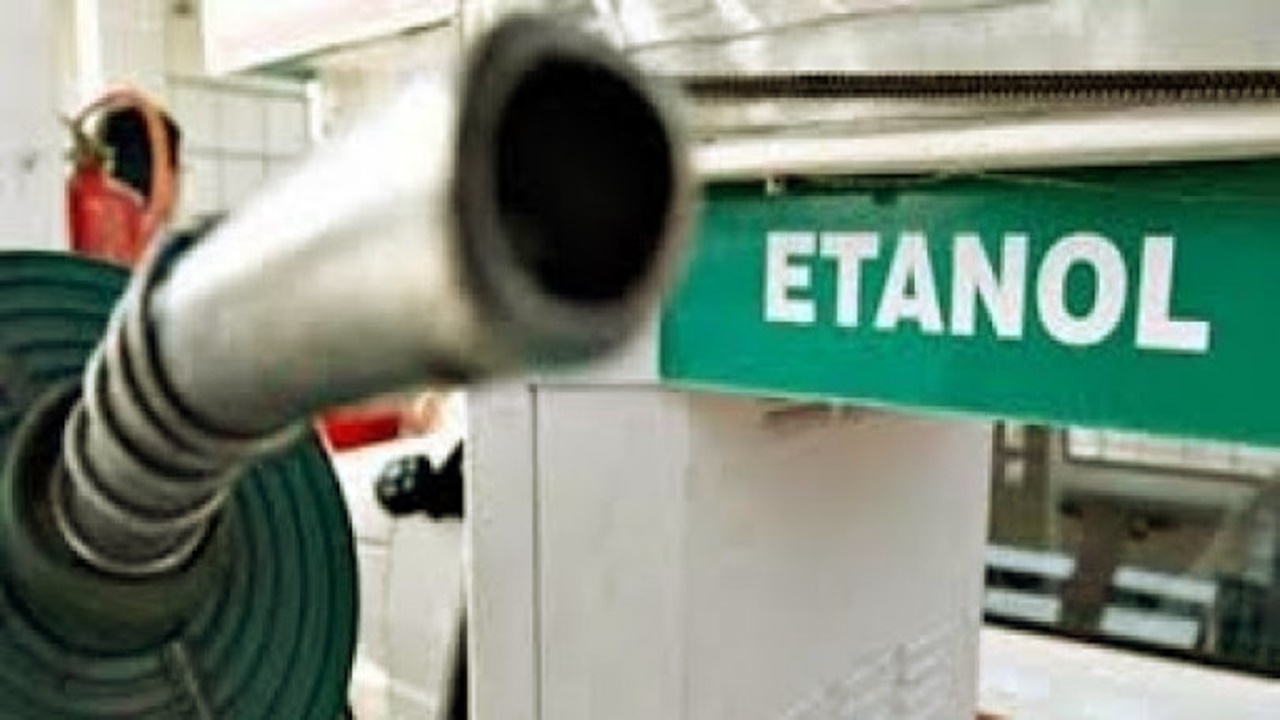
Ethanol Prices at Pumps May Spike Again Due to Sugar Shortage and Increase in Anhydrous Alcohol; Who Will “Foot the Bill” Are the Brazilians
The price of hydrated ethanol started the week with very robust prices at distributors. This is due to a strong 10.05% expansion in production units the previous week. Additionally, according to the Brazilian Sugarcane Industry Association (Unica), due to crop failures in sugarcane, production will decrease, which means higher prices for sugar and ethanol, which could become even more expensive at the pumps in the coming weeks.
Read Also
- Ethanol Price Reaches Nearly 5 Reais at Pumps and Refueling with Gasoline Becomes More Advantageous in Some Brazilian Regions
- Ethanol Price Evaporates at Mills and Exporting the Biofuel to the U.S., the World’s Main Ethanol Consumer, Becomes a Very Advantageous ‘Salvation’
- Ethanol Production Plummets and Mills Increase Sugar Production Due to Low Sugarcane Price
- Hydrogen-Ethanol Mixture Promises to Revolutionize Yield and Reduce Fuel Consumption in Flex Engines
- Ethanol Mills and Sugarcane Suppliers Clash Over Revenue Sharing from Carbon Credit Proceeds Under the Federal RenovaBio Program
- Direct Sale of Ethanol from Mills Will Stimulate Competition and Curb the Rise in Gasoline Prices at Fuel Stations
Another important factor is that higher sugar production prevailed among industries in the Central-South region, while not all units are operating at full capacity, and some have not even opened for the 21/22 harvest.
Therefore, with less supply, the competitiveness between ethanol and gasoline becomes more solid, with an average price difference of R$ 1.80 to R$ 1.90 at the pumps.
-
While Russia dominates the global wheat market, Brazil emerges as an unexpected competitor in the Cerrado, offering grain available in July and August when stocks in the Northern Hemisphere are at their lowest point of the year.

-
China returned almost 20 Brazilian ships with soybeans, but now everything could change: the country that buys 80% of the grain is considering relaxing regulations after impurities held up shipments of thousands of tons and caused million-dollar losses.
-
Chinese giant worth nearly R$ 4 billion that manufactures cables for electric cars, solar energy, and robotics wants to open a factory in SC.
-
Many employers do not know, but the law guarantees domestic workers a 25% increase in salary during trips, 50% for overtime, 20% for night shifts, and 17 additional benefits that can lead to labor lawsuits if not paid.


Another point to consider is that distributors also anticipated, in their purchases, the reaction of oil, which surpassed US$ 68 a barrel in London, and the possible increase that gasoline may suffer.
Sugar Shortage May Further Increase Ethanol Prices at Pumps and the One Who Pays the Bill Is the Consumer
Dry weather and a low rainfall period in 2021 were some of the main factors impacting the drop in sugarcane production and that could directly influence the spike in ethanol prices at pumps.
The president of the Federal District Fuels Union, Paulo Tavares, explains that “estimates vary between 590 and 530 million tons of sugarcane, with a decrease of 15 to 75 million tons compared to the previous crop.”
According to Tavares, another important factor contributing to the rise in ethanol prices is that retailers have increased gasoline by 0.10 cents, due to the rise in anhydrous ethanol, which is priced at R$ 3.37 since the last adjustment made on Friday (7).
And of course, the increase in prices at the pumps will fall on the consumer. “Anhydrous ethanol makes up 27% of gasoline, meaning that 1/3 of regular gasoline is anhydrous ethanol. If it rises in price, gasoline rises in proportion to what it represents. Today, we are already receiving more expensive gasoline due to the effect of anhydrous ethanol,” he reveals.
The reduction in sugar production will be stronger than that of ethanol, and according to Unica, by the second half of June, the situation may return to normal. “The supply increase is expected to happen more significantly starting in June, making ethanol competitive again,” it informs in a statement.
Gasoline Prices May Spike and Ethanol May Become Scarce Due to the Shortage of Anhydrous Alcohol; Supply Shortages Will Impact the Finances of Brazilians Even More
Exemption from PIS and Cofins taxes for fuels ended last week, and business owners in the sector were not pleased at all. At the time, the measure was created to contain the spikes in gasoline and diesel prices imposed by the Petrobras oil company. Now, a new concern arises for business owners: the shortage of anhydrous alcohol. The lack of the input may drive up fuel prices and cause shortages of ethanol at gas stations, ultimately hitting the wallets of Brazilians.
The executive director of the Brazilian Association of Independent and Free Fuel Retailers, Rodrigo Zingales, states that the anhydrous shortage may reflect market dynamics, based on the interests of the mills. “A sugar and alcohol mill is capable of producing sugar, hydrated ethanol, and, eventually, anhydrous ethanol. What happens is: if the international sugar price is high, the mill will prefer to produce sugar instead of ethanol,” analyzes.









Seja o primeiro a reagir!