





 Português
  Inglês
  Espanhol
 6 min de leitura
  10 comentários


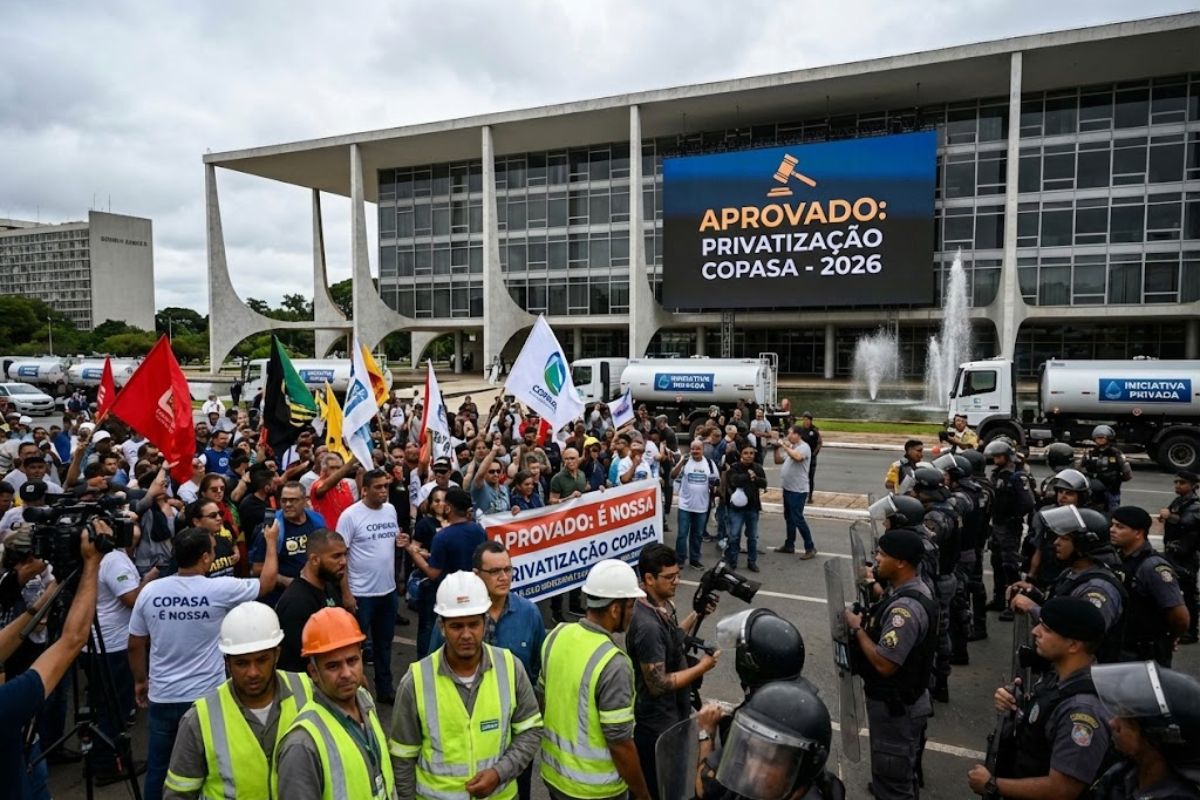


With 53 Votes to 19 on December 17, 2025, the Assembly Authorizes the Privatization of Copasa, Ties the Sale to Propag, Promises Social Tariff, Foresees Golden Share, Imposes Universalization Goals, and Leaves Workers on Alert for the Possible Transfer of Sanitation to the Private Sector as Early as 2026
On December 17, 2025, the Legislative Assembly of Minas Gerais definitively approved, in the 2nd round, PL 4.380/2025, which authorizes the privatization of Copasa and allows the State to lose control of the sanitation company. The text passed with a score of 53 votes to 19, exceeding the minimum of 48 votes required for this type of matter.
The approval is presented by the government as a central piece of the strategy for joining Propag, a program for debt renegotiation with the Union, which would allow for an extension of terms for up to 30 years and a reduction of charges in exchange for paying off a significant portion of the stock with resources obtained from the privatization of Copasa, estimated in billions of reais. At the same time, unions and workers crowded the Assembly in protest, warning of the risks of high tariffs, loss of public control over water, and job insecurity.
What the Assembly Approved Regarding the Privatization of Copasa

The text authorizes the Executive to promote the privatization of Copasa through the sale or subscription of shares that results in the loss or transfer of the State’s controlling power over the company.
-
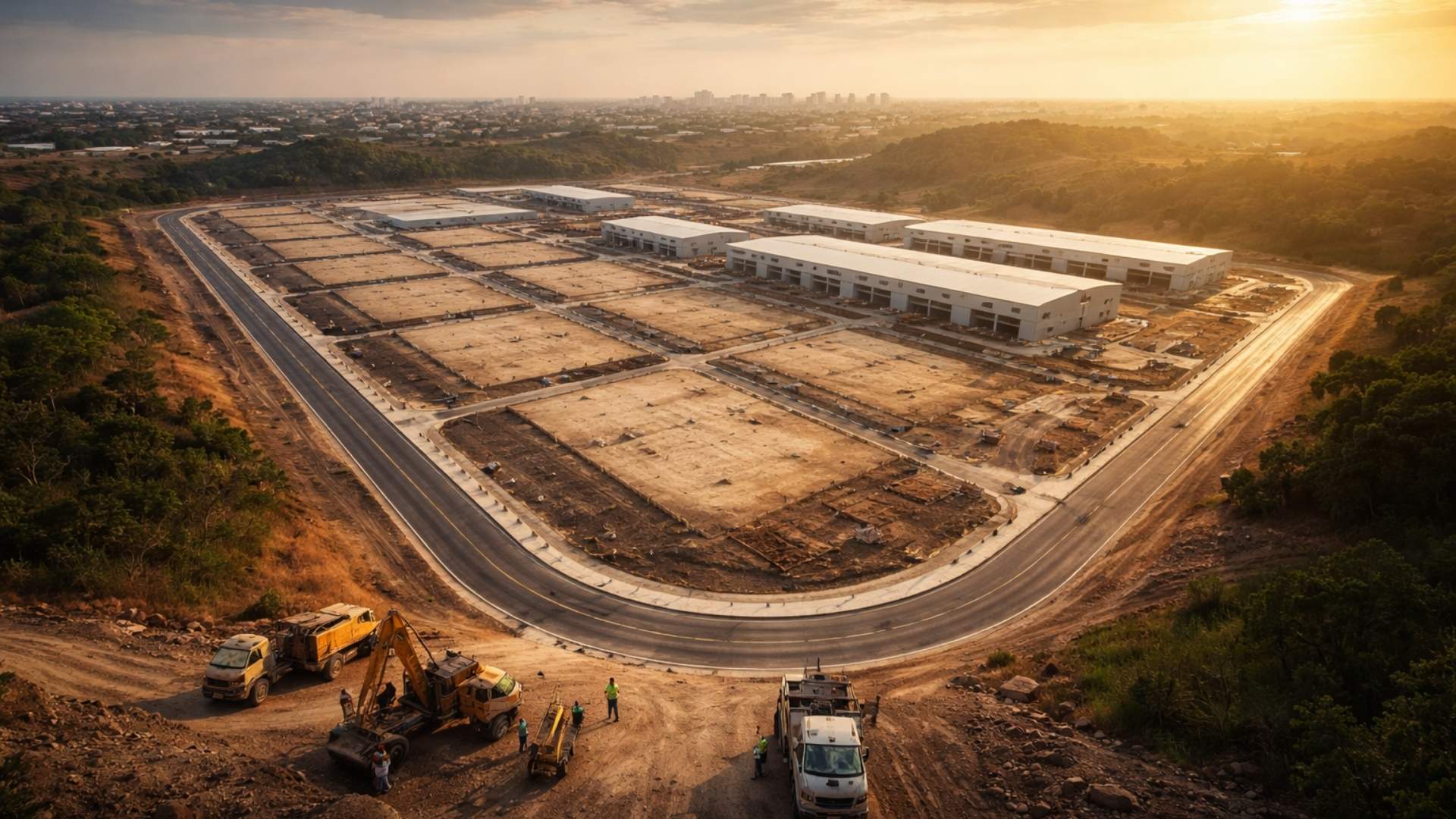
Brazilian city gains industrial hub for 85 companies that is equivalent to 55 football fields.
-
Peugeot and Citroën factory in Argentina cuts production by half and opens a layoff program for more than 2,000 employees after Brazil drastically reduced purchases of Argentine vehicles.

-
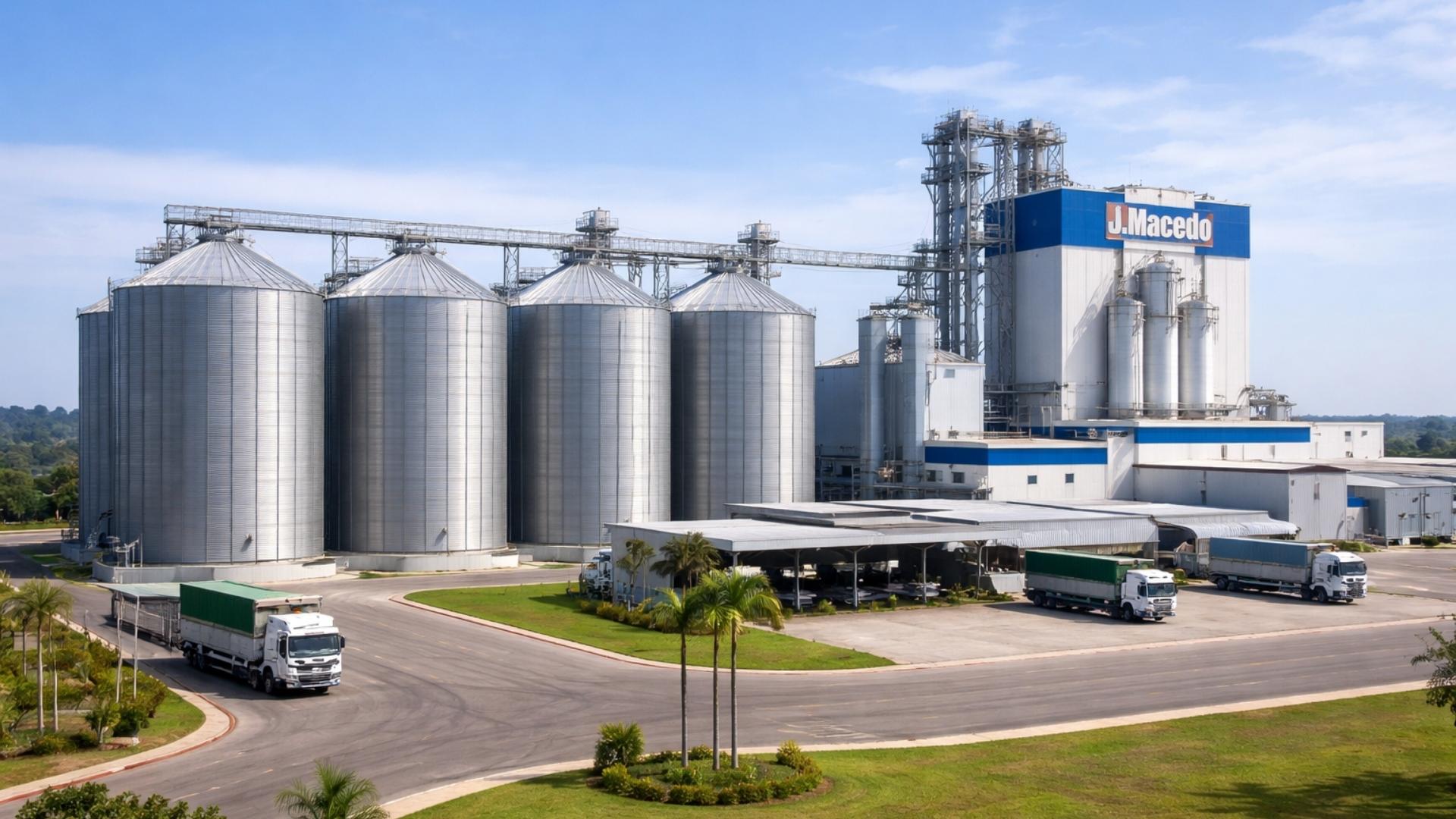
A Brazilian city gains a factory worth R$ 300 million with the capacity to process 200 thousand tons of wheat per year, a mill of 660 tons/day, silos for 42 thousand tons, and an industrial area of 276 thousand m².
-
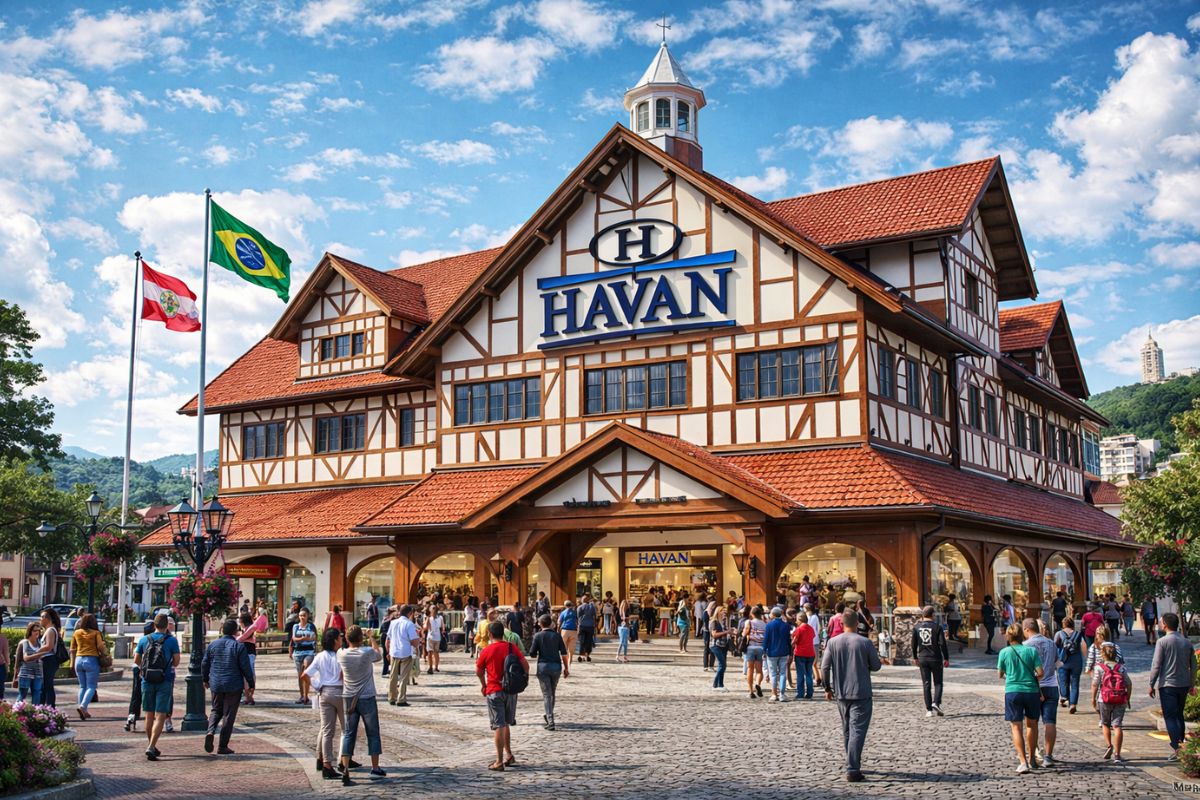
Havan will leave the shopping mall in Blumenau to inaugurate something that the chain has never done before: a megastore in half-timbered style in the Historic Center of the city, which is expected to be completed in May and change the landscape of local retail.

Corporate operations such as mergers, acquisitions, spin-offs, and the creation of subsidiaries are planned, following capital market rules.
In practice, the law paves the way for a model in which Minas ceases to be the controlling shareholder but retains a special share, called a golden share, with veto power over decisions deemed strategic, such as changes in headquarters, alterations to the corporate purpose, or sales of significant assets.
The framework points to a corporation structure, without a single dominant controller, where private blocks vie for influence over the management of the sanitation company.
With the approval in the 2nd round, the project now goes to the governor for sanction or veto, including the possibility of partial vetoes that may return to the Assembly.
Until then, the privatization of Copasa still depends on an act from the Executive and supplementary regulations to define the final format of the operation.
Propag, Minas Debt, and Political Dispute Around Copasa
The state government ties the privatization of Copasa to Propag, a federal program that allows for refinancing the debt with the Union for up to 30 years, with mechanisms for reducing interest contingent on the early repayment of part of the outstanding debt.
The idea presented by members of the Executive is to use the money from the sale to pay about 20% of the debt and thus unlock more favorable conditions in the agreement with the National Treasury.
However, the opposition contests this narrative and asserts that privatization is not a mandatory requirement for joining Propag, classifying the privatization of Copasa as a political decision of the government, and not as a technical imposition for renegotiation.
The debate also revives PEC 24/2023, which removed the requirement for a popular referendum to sell the state-owned company, which, in the view of critics, diminished the direct participation of the population in a structural change in water management in Minas.
Social Tariff, Universalization Goals, and Contracts with Municipalities
The approved text includes clauses on social tariffs, tariff moderation, and universalization goals for water and sewage.
The buyer of the privatization of Copasa must meet objectives aligned with the Legal Framework for Sanitation, including service to rural areas and consolidated informal urban nuclei, with annual monitoring of the goals by the granting authority and the state regulator.
There is an explicit provision for social tariffs for low-income families and commitments to reduce losses, sustainable practices, and improve operational efficiency.
On paper, the combination of goals and oversight seeks to contain abusive increases and ensure service expansion, but the actual design of tariff regulation following the privatization of Copasa still depends on resolutions and the concrete actions of the regulatory agency.
The project also allows for the replacement of program contracts or concessions established with municipalities, conditioned on the completion of the privatization.
In practice, this means that existing agreements with served cities can be renegotiated, shifting to new contracts under private control, which places mayors and city councils at the center of the discussion regarding the privatization of Copasa and its local effects.
Workers, Stability, and Labor Uncertainties
One of the most sensitive points is the future of workers.
The text establishes that employment contracts will be maintained for 18 months after the privatization of Copasa, counted from the effective transfer of control.
Proposals to extend this stability to 60 months were discussed but ultimately rejected during the final proceedings.
After this initial period, the government may adopt measures to relocate employees to other public companies or mixed economy companies controlled by the State, as per future regulations.
In practice, this leaves a limited window of protection and prolongs the anxiety of workers, who fear cuts, restructuring, and changes in regime under the new private management following the privatization of Copasa.
The voting sessions were marked by demonstrations from employees in the gallery and outside the ALMG, with banners against privatization and complaints that there was insufficient debate regarding labor and tariff impacts.
Where the Sale Proceeds Go and What Changes in Water Control
Another central clause defines that the resources obtained from the privatization of Copasa must be allocated primarily to amortizing the State’s debt or fulfilling obligations linked to Propag, with a portion reserved for a state basic sanitation fund.
This fund is presented as social counterbalance, but still lacks detailed rules for application, management, and transparency, raising questions about the real redistributive reach of resources.
By losing controlling interest, Minas Gerais relinquishes direct decisions regarding investments, expansion policy, and operational priorities of the company, transferring prevailing management logic to the market.
The golden share gives the State veto power on specific points but does not replace daily control over the business.
In a scenario of privatization of Copasa, the challenge becomes how to balance returns to shareholders with the obligation to ensure water and sewage at affordable prices.
Probable Timeline, Sale Model, and Risks of Legalization
Market sources indicate the government’s intention to conclude the privatization of Copasa between the 1st quarter of 2026 and mid-year, estimating revenue around R$ 10 billion or more, considering the sale of approximately 45% of the shares, as the State holds about 50.3% of the capital.
Among the discussed formats are an auction on the stock exchange or a larger share offering, possibly defining a reference shareholder.
However, all of this depends on some critical factors: the governor’s sanction, possible judicialization by parties or entities questioning the process and constitutionality, final regulatory modeling, and the positioning of municipalities currently served by the company.
Any impasse on these points could delay or reshape the chronology of the privatization of Copasa.
The company itself, in a statement to the market, has already reported that the PL was approved and will proceed to the governor, committing to inform investors of any new relevant developments without anticipating format or dates for the operation.
In light of the narrow approval and prospects for a sale as early as 2026, do you think the privatization of Copasa is likely to improve the quality and universalization of sanitation in Minas, or do the risks of higher tariffs and loss of public control over water outweigh the promises of efficiency?








E mais um desatino do governo Zema para minas. Jamais cera esquecido. Como o pior demagogo da política de minas. Só tem papo. O mais absurdo ainda. Quer ser político nacional. Uma verdadeira piada.
Cada estatal arrancada das patas imundas dos políticos significa uma moeda de troca a menos pra esquemão, corrupção e roubalheira, e uma vitória a mais pra sociedade e pra Nação.
Cada comentário i.be.cil que Deus me livre
Que pena! Ferraram o povo mineiro TB! Aqui em São Paulo, esse foi um erro e, estamos pagando por isso!
Povo de São Paulo adora um privatista tem mais que se lascar