





 Portuguese
  English
  Spanish
  3 min of reading
  0 comments


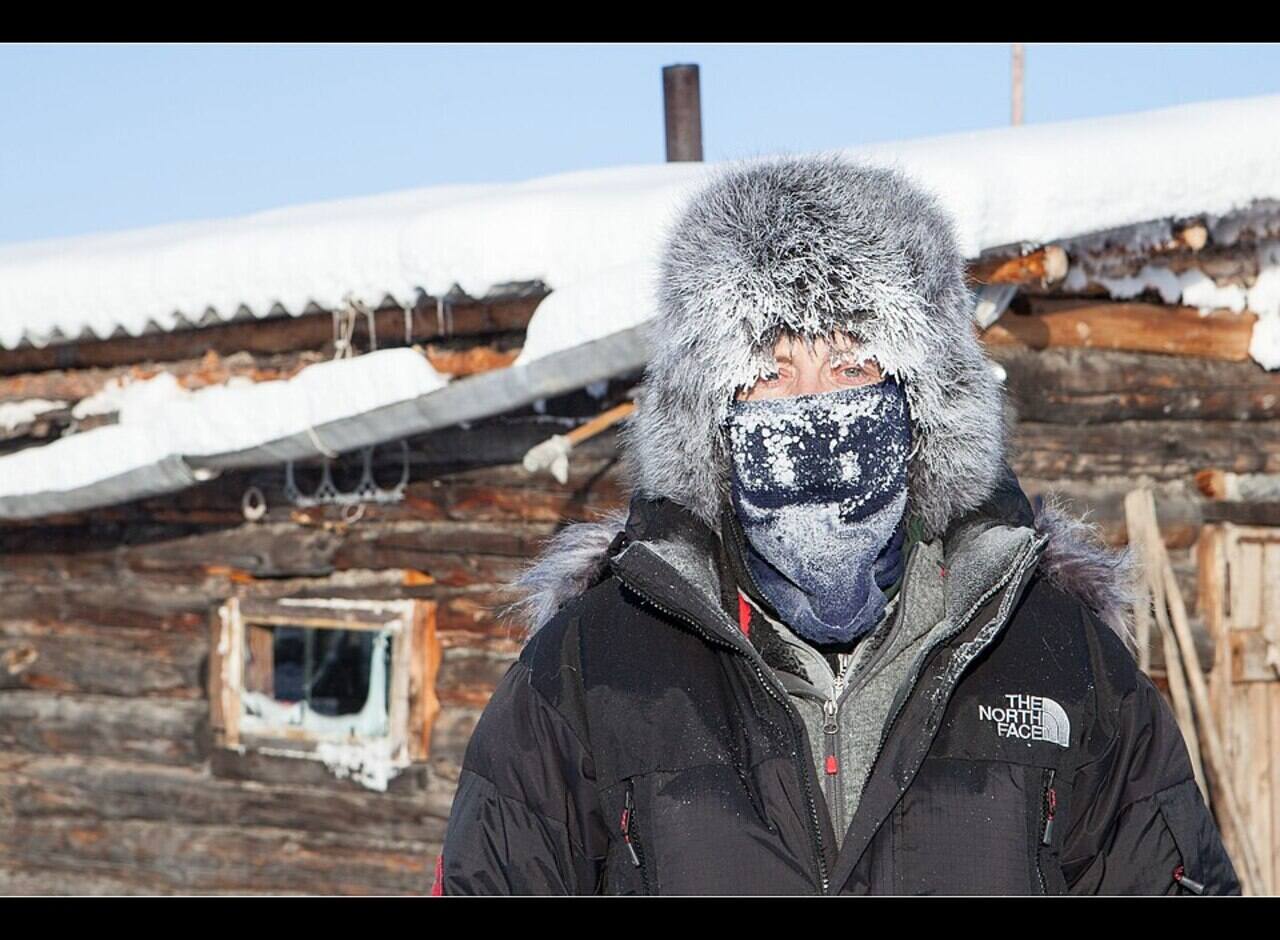
Family In Oymyakon Lives Freezing Routine At -62°C, With Schools Operating, Reinforced Houses And Traditions Maintained Even Amid Permanent Ice
In an isolated corner of Siberia, where thermometers can register -62°C, daily life turns into a true test of endurance. Oymyakon, known as one of the coldest cities on the planet, is home to a family living amid ice and darkness for long periods.
A video available on YouTube shows the complete routine of this family, revealing how it’s possible to sustain life in such an extreme environment.
As dawn breaks, still under the dark and silent sky, adults and children prepare to face another freezing day.
-
Friends have been building a small “town” for 30 years to grow old together, with compact houses, a common area, nature surrounding it, and a collective life project designed for friendship, coexistence, and simplicity.

-
This small town in Germany created its own currency 24 years ago, today it circulates millions per year, is accepted in over 300 stores, and the German government allowed all of this to happen under one condition.

-
Curitiba is shrinking and is expected to lose 97,000 residents by 2050, while inland cities in Paraná such as Sarandi, Araucária, and Toledo are experiencing accelerated growth that is changing the entire state’s map.

-
Tourists were poisoned on Everest in a million-dollar fraud scheme involving helicopters that diverted over $19 million and shocked international authorities.


Dressing is a time-consuming and essential process. Gloves, hats, reinforced boots, and several layers of clothing are not exaggerations, but absolute necessities.
Despite the conditions, life goes on. Children go to school and adults continue their activities. The risk of freezing is always present, but it is taken seriously and with discipline. In Oymyakon, there is no space for carelessness.
Houses Designed To Face The Impossible
The family’s home is designed to protect against extreme cold. Unlike regular houses, it is reinforced to retain heat.
The wood stove remains constantly lit. The entire structure is constantly monitored to prevent any cracks that would allow the cold to enter.
Water, which freezes easily, needs to be melted from the ice collected from the environment. This process is repeated daily, requiring attention and organization.
Food and utensils also receive special care, as even the simplest objects can break in the low temperatures.
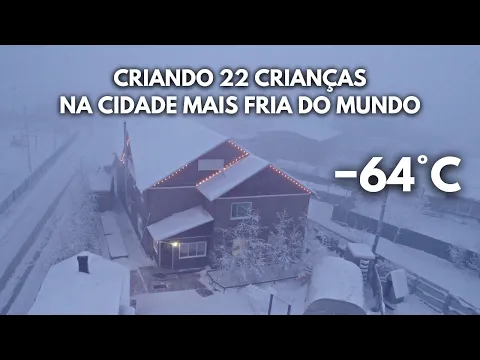

Food To Survive The Ice
The family’s diet is rich in fats and proteins. Foods such as frozen meat and local fish are always present in their meals.
The goal is simple: to provide enough energy to face the harsh climate without compromising health.
In an environment where everything freezes, refrigerators are unnecessary. Foods are stored outdoors. Natural freezing helps, but it also requires preparation and patience when it comes to cooking.
Tradition And Cultural Strength In The Ice
Even with so many challenges, local culture remains alive. Traditional clothing is worn with pride.
Ancient customs continue to be practiced in daily life. Respect for traditions is visible in every detail.
Children learn from an early age to participate in the routine and to understand the value of the environment in which they live. Interaction between generations strengthens learning and keeps the memory of ancestors alive.
Cultural identity remains strong, even in the face of the most intense cold.
In Oymyakon, every gesture is shaped by the cold. Survival requires courage, planning, and respect for nature. But even at -62°C, life goes on.
With information from Diário do Litoral.









-

Uma pessoa reagiu a isso.