





 Português
  Inglês
  Espanhol
  4 min de leitura
  11 comentários



Astronauts On The International Space Station Practice Cement Mixing Technique For Lunar Base In Microgravity
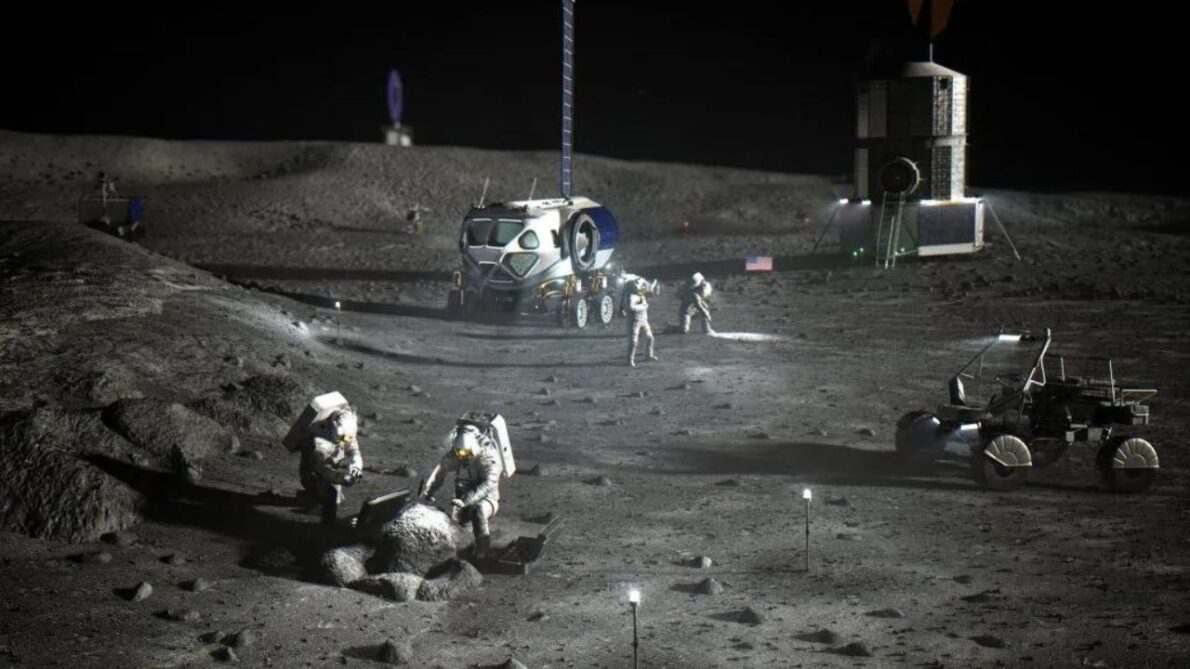
The astronauts of the International Space Station (ISS) are already eyeing the Moon, even before returning there. Aboard the ISS, they are experimenting with cement mixing techniques that could be used for constructing habitable bases on the Moon. This project is part of NASA’s Artemis mission, which aims not only to take astronauts back to the lunar surface but also to establish a permanent base there.
The experiment at the International Space Station is seeking solutions and ingredients for lunar construction, as NASA plans to send astronauts to the Moon as early as 2026 through the Artemis program. The initial plan involves using a temporary base, but the ultimate goal is to create a permanent structure using materials found on the lunar surface to reduce transportation costs from Earth to the Moon.
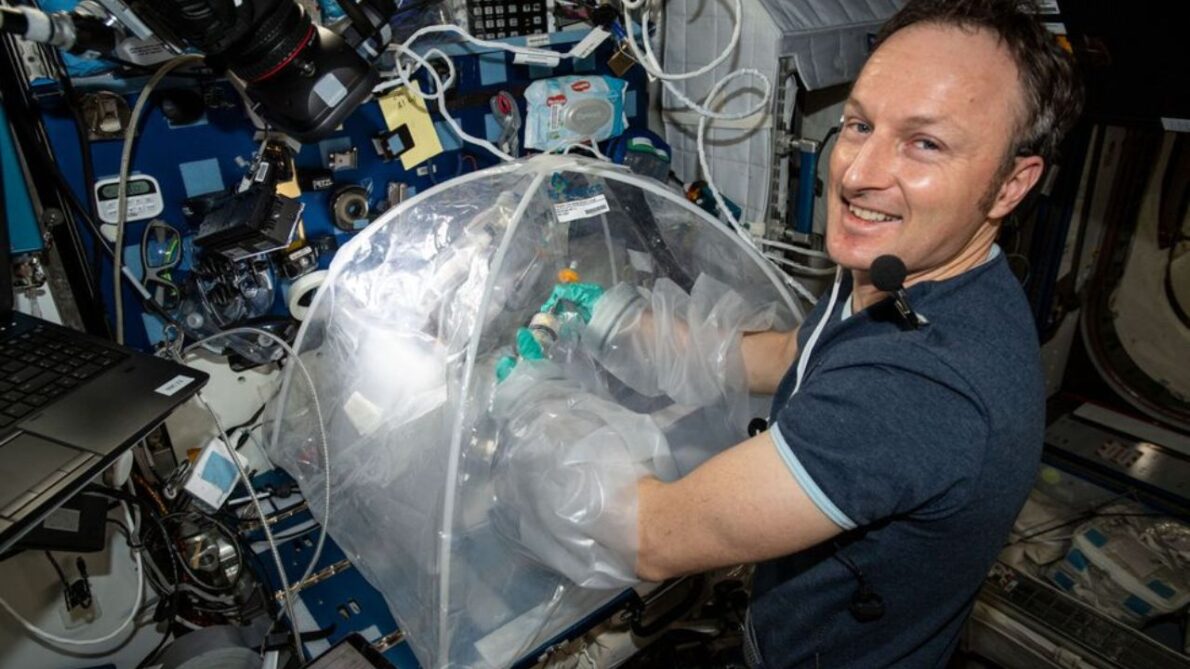
Astronaut Matthew Dominick Conducted An Experiment Aboard The International Space Station
Last Monday (August 12), NASA announced that astronaut Matthew Dominick conducted an experiment aboard the ISS, mixing only a lunar simulant with other materials and a liquid solution, the exact content of which was not revealed. He placed the mixture in two bags, with a third bag containing hot water between them. All of this was stored in a convention, where it will remain until being sent back to Earth on a future SpaceX cargo mission.
-
A bright yellow mushroom imported from Asia escaped from a cultivation farm in the United States in 2010 and is now aggressively spreading across 25 states, destroying entire communities of native fungi in American forests.

-
Buried under China, a colossal machine weighing 20,000 tons began operating as the largest neutrino detector on the planet and, in just 59 days, surpassed results that science took half a century to achieve.

-
Iran enters the center of a climate alert after the war emitted 5.6 million tons of CO2 in two weeks, surpassing the annual pollution of entire countries.

-
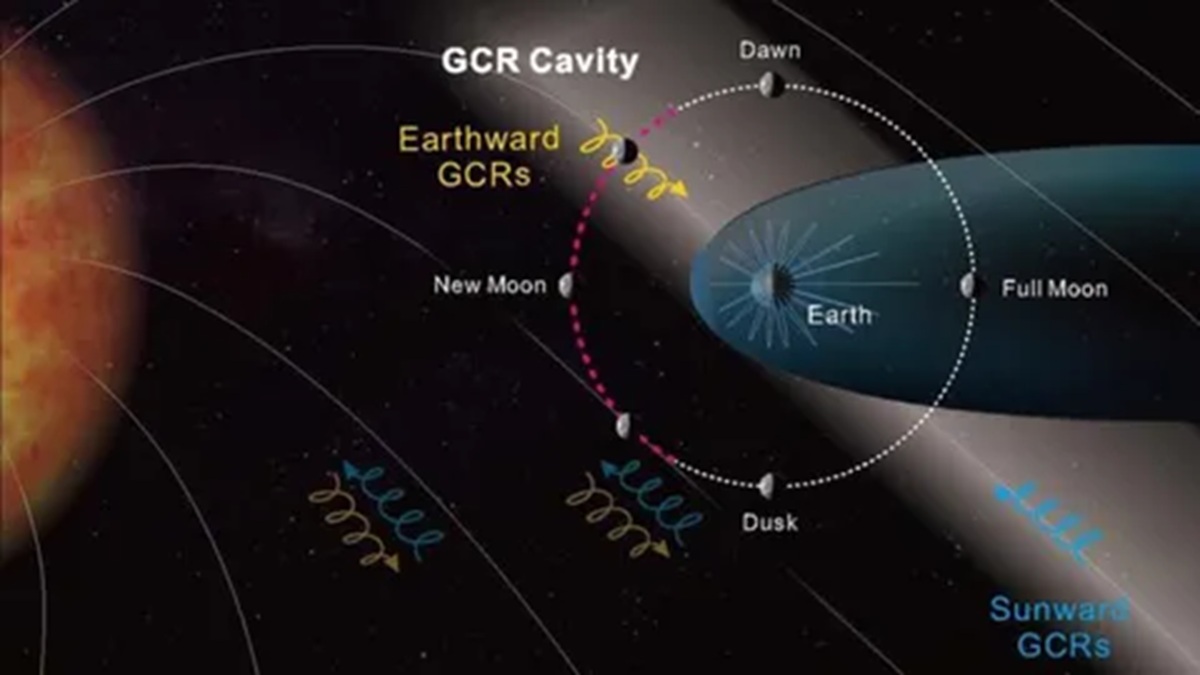
Lunar exploration may change after a Chinese probe finds a “cavity” of radiation that reduces the impact on astronauts by up to 20% at certain times on the Moon.

Project Envisions How To Build Structures On The Lunar Surface
This experiment is part of the investigation into Materials Science in Concrete Solidification, testing different cement imitations, water, sand, simulated lunar soil, and other additives. The goal is not only to construct sustainable structures on the Moon but also to find viable alternatives to traditional cement, which requires a lot of energy and raw materials, while also releasing carbon dioxide in the manufacturing process.
Testing On The International Space Station
Building on the Moon is not as simple as it seems. Besides all the challenges of sending materials to space, the cement mixing process itself can present complications, such as air bubbles and porosity, which make the concrete weaker. The hope is that these issues can be resolved through these tests on the International Space Station, literally paving the way for future lunar constructions.
The work of the Astronauts at the International Space Station is a crucial step for the future of space exploration. If the techniques tested prove effective, we may be closer to seeing the first permanent structures on the Moon, utilizing resources from the lunar surface itself. This would not only reduce costs, but also represent a milestone in humanity’s ability to adapt terrestrial technologies to the extreme conditions of space. The Moon could be the next big construction site for humanity, and the ISS is the laboratory where we are conducting the first tests of this new frontier.
About The Artemis Project

The Artemis Project is an initiative by NASA aimed at returning astronauts to the Moon for the first time since the Apollo missions, which took place from 1969 to 1972. Unlike previous missions, Artemis does not intend to make just temporary landings but to establish a sustainable human presence on the satellite. The idea is to build bases where astronauts can live and work for extended periods, utilizing resources found on the Moon itself, such as water and soil, to create structures and even produce combustion.
In addition to exploring the Moon, the Artemis Project is seen as an important step for the exploration of Mars and other destinations in space. By testing new technologies and developing methods for living off Earth, NASA hopes to learn everything necessary to send humans to Mars in the coming decades. The program also has a commitment to diversity, with the goal of sending the first woman and the first Black person to the Moon, showing that space exploration is for everyone. Thus, Artemis is an ambitious project aiming to expand the boundaries of human presence in space, starting with the Moon and eventually reaching other planets.
So, what do you think about these tests and the Artemis Project? Are we going back to the Moon in 2026 and building on lunar soil? Share your opinion in the comments.







Pensei que fosse o jogo comander & conquer, para de inventar mentira que ninguém nunca foi a lua.
Peimeiro cuidar aqui na terra depois ser exemplo pra lua .
Uma loucura homens querendo tornar-se deuses estão brincando deste negócio de explorar, a título de conhecimento até aceito mais explorar a lua isto é loucura, construir uma base na lua é pessoas que ficaram nessa base para tal façanha precisarão de energia vão usar a solar possivelmente, esquecem das Catástrofes aqui n̈a terra por conta de explorações, sou de Maceió e aqui por conta de explorações da terra existe um bairro fantasmas, seus moradores foram injustamente ressarcidos e a empresa continua explorando o solo sem nenhuma represália. Loucura humana uma aberração este é o meu ponto de vista .