





 Português
  Inglês
  Espanhol
  2 min de leitura
  0 comentários


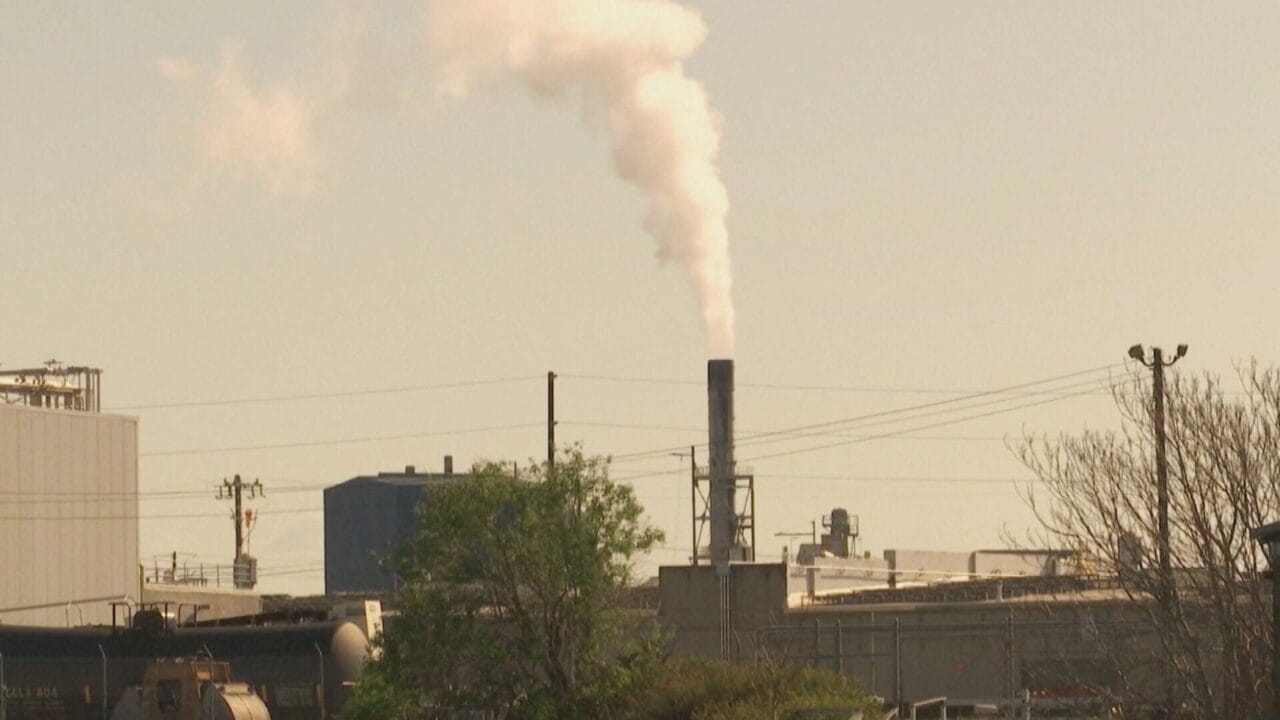
Clean Energy Projects Still Face Challenges in Markets, as Highlighted in the Document.
The International Energy Agency predicts that the demand for fossil fuels, such as oil, coal, and natural gas, will peak by 2030. The report highlights that new assets utilizing fossil fuels are being deployed less frequently as the energy system slows down. On the other hand, clean energy projects encounter obstacles due to cost inflation, supply chain bottlenecks, and higher financing costs.
The International Energy Agency predicts that the demand for fossil fuels, such as oil, coal, and natural gas, will peak by 2030. The report highlights that new assets utilizing fossil fuels are being deployed less frequently as the energy system slows down. On the other hand, clean energy projects encounter obstacles due to cost inflation, supply chain bottlenecks, and higher financing costs.
Fossil Fuel Demand Will Peak by 2030, Report Says
According to the new Global Energy Outlook report from the International Energy Agency (IEA), the demand for oil, coal, and natural gas—the three main fossil fuels—will reach its highest point by 2030. The report also highlights that the deployment of low-emission alternatives is slowing the adoption of new assets utilizing fossil fuels.
-
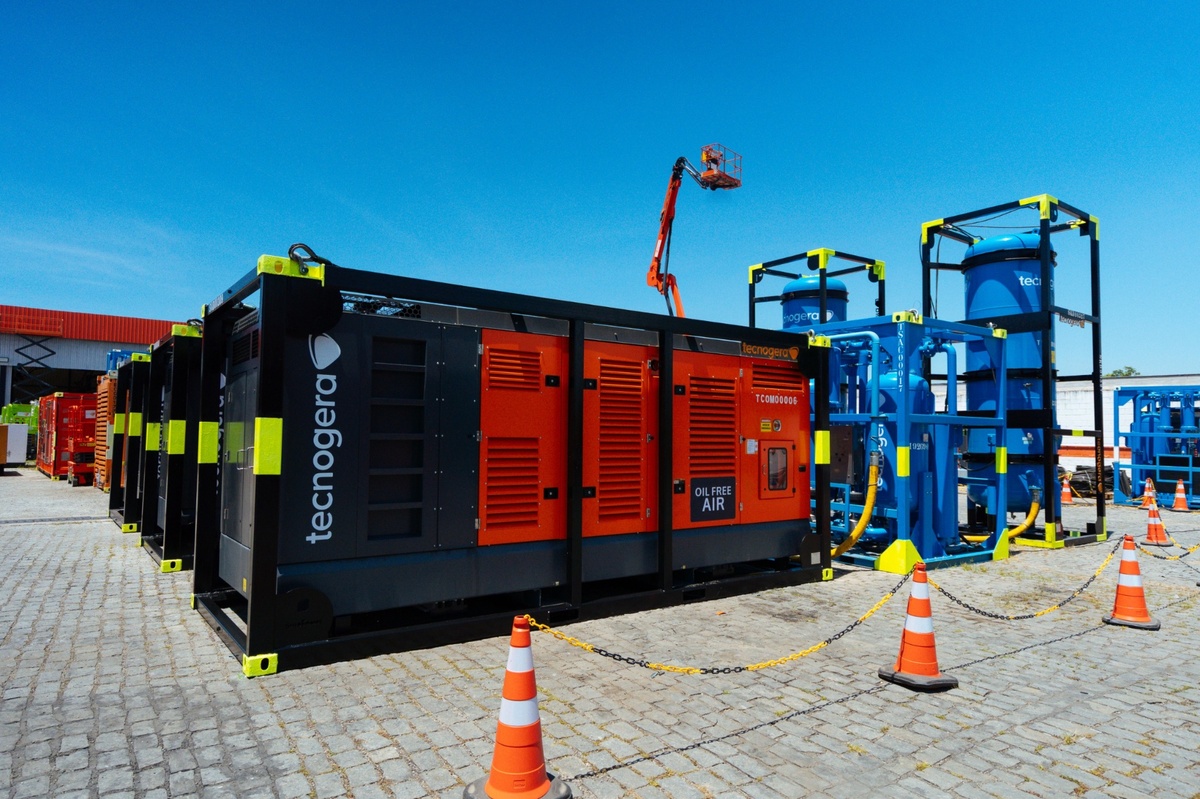
Offshore industrial demand in Macaé skyrockets with the recovery of oil and gas and could grow by up to 396% by 2026 in the Campos Basin.
-
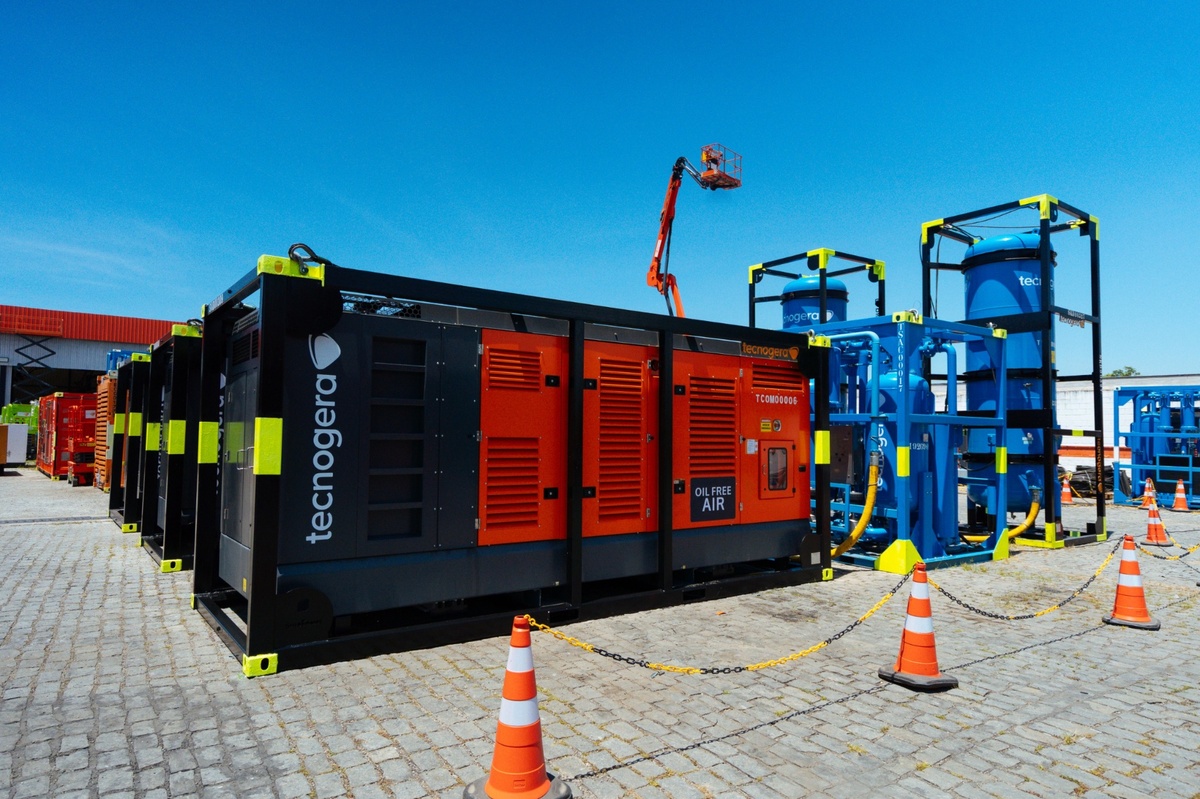
Offshore industrial demand in Macaé surges with the recovery of oil and gas and could grow by up to 396% by 2026 in the Campos Basin.
-
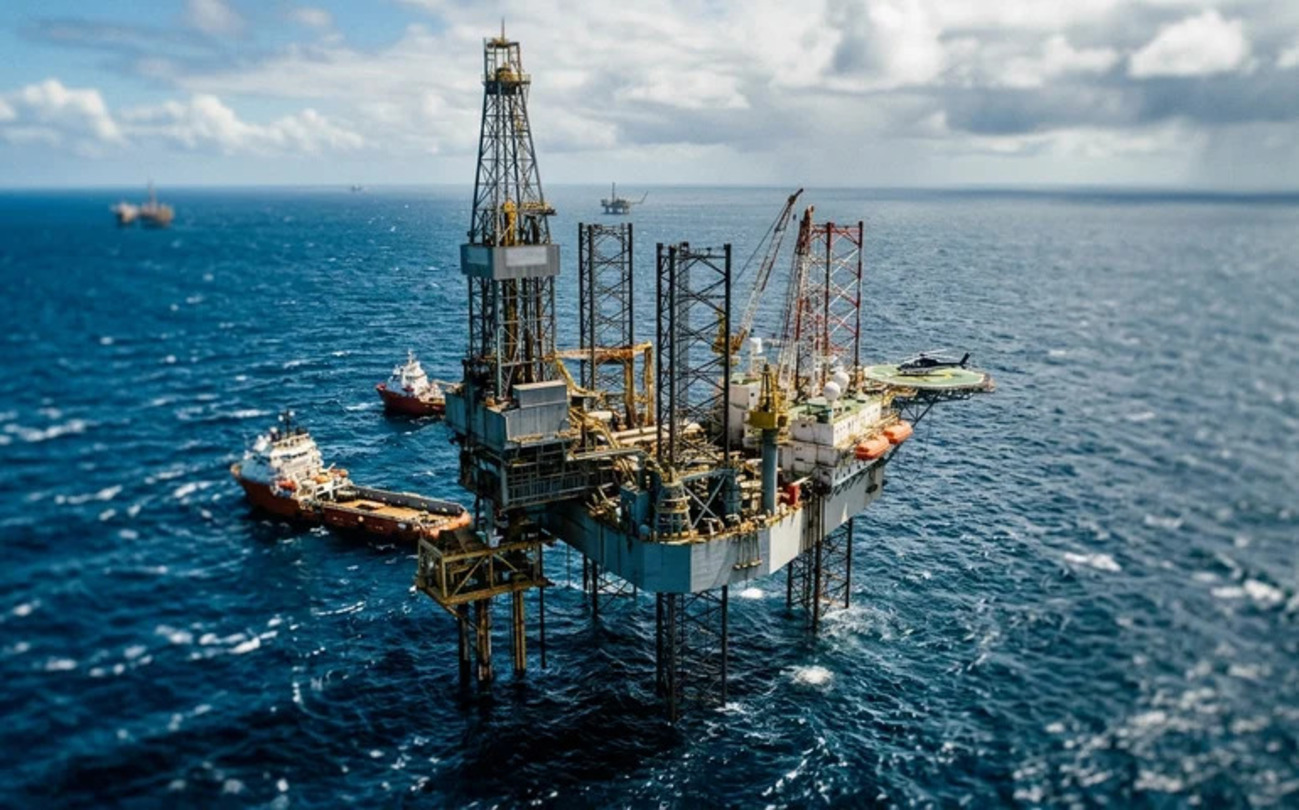
Brazilian giant expands borders in the Southeast: Petrobras confirms new oil discovery in ultra-deep waters in the pre-salt of the Campos Basin.
-
Alert in the global energy market: Severe tropical cyclone hits the coast and disrupts gas production at major plants in Australia, threatening global supply.
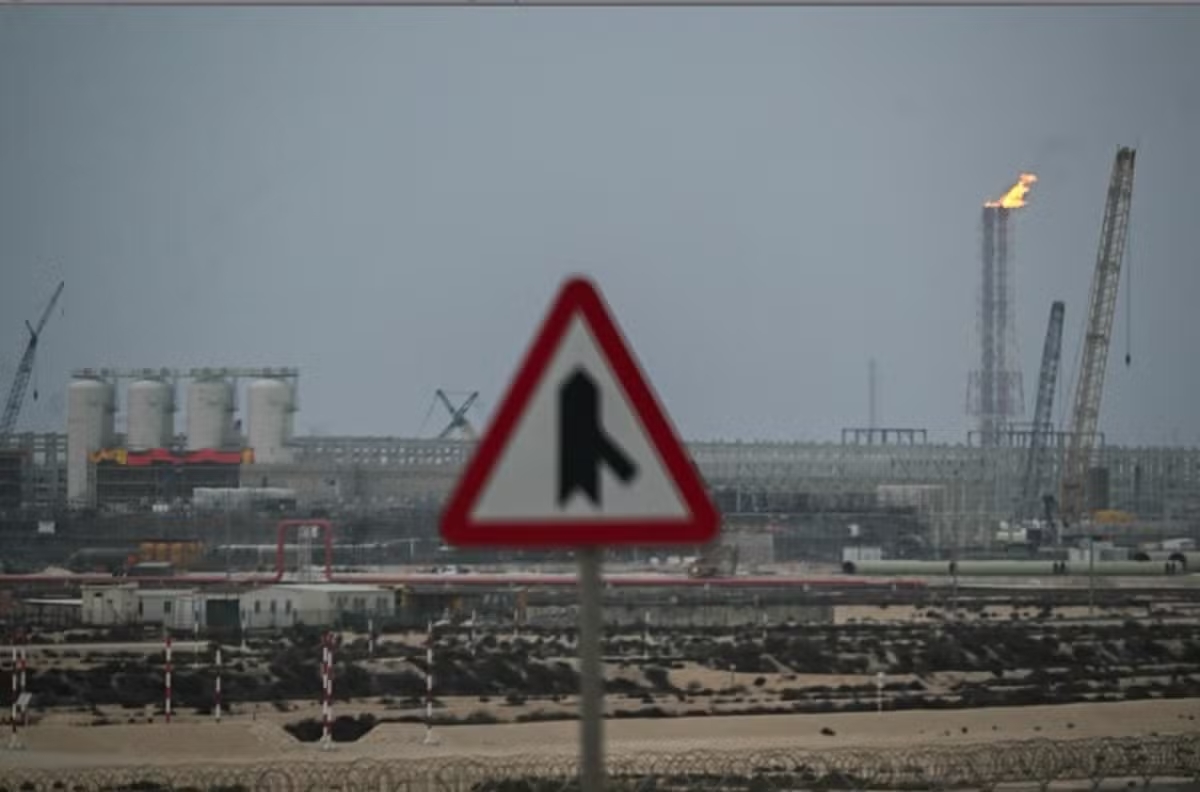

On the other hand, the document reveals that clean energy projects face obstacles in markets, such as cost inflation, supply chain bottlenecks, and higher financing costs.
Despite the end of growth for fossil fuels, the report weakens the justification for increasing investments in this area. The IEA projects three scenarios for its forecasts: the Stated Policies Scenario (STEPS), the Announced Pledges Scenario (APS), and the Net Zero Emissions by 2050 Scenario (NZE).
The agency highlights that clean energy is the most dynamic aspect of global energy investment, with growth expected to be driven by political and market incentives. However, even with the reduction in oil and gas consumption, the report emphasizes that this is not enough to achieve the Net Zero Emissions Scenario by 2050.
For an orderly transition, it is necessary to increase investment across all aspects of a clean energy system. The report also underscores the importance of an accessible, reliable, and resilient energy supply, especially in developing economies.
Emerging markets and developing economies are responsible for a large portion of the global growth in electricity demand, making them essential for the energy transition.
Source: CNN Brazil









Seja o primeiro a reagir!