





 Portuguese
  English
  Spanish
  4 min of reading
  0 comments


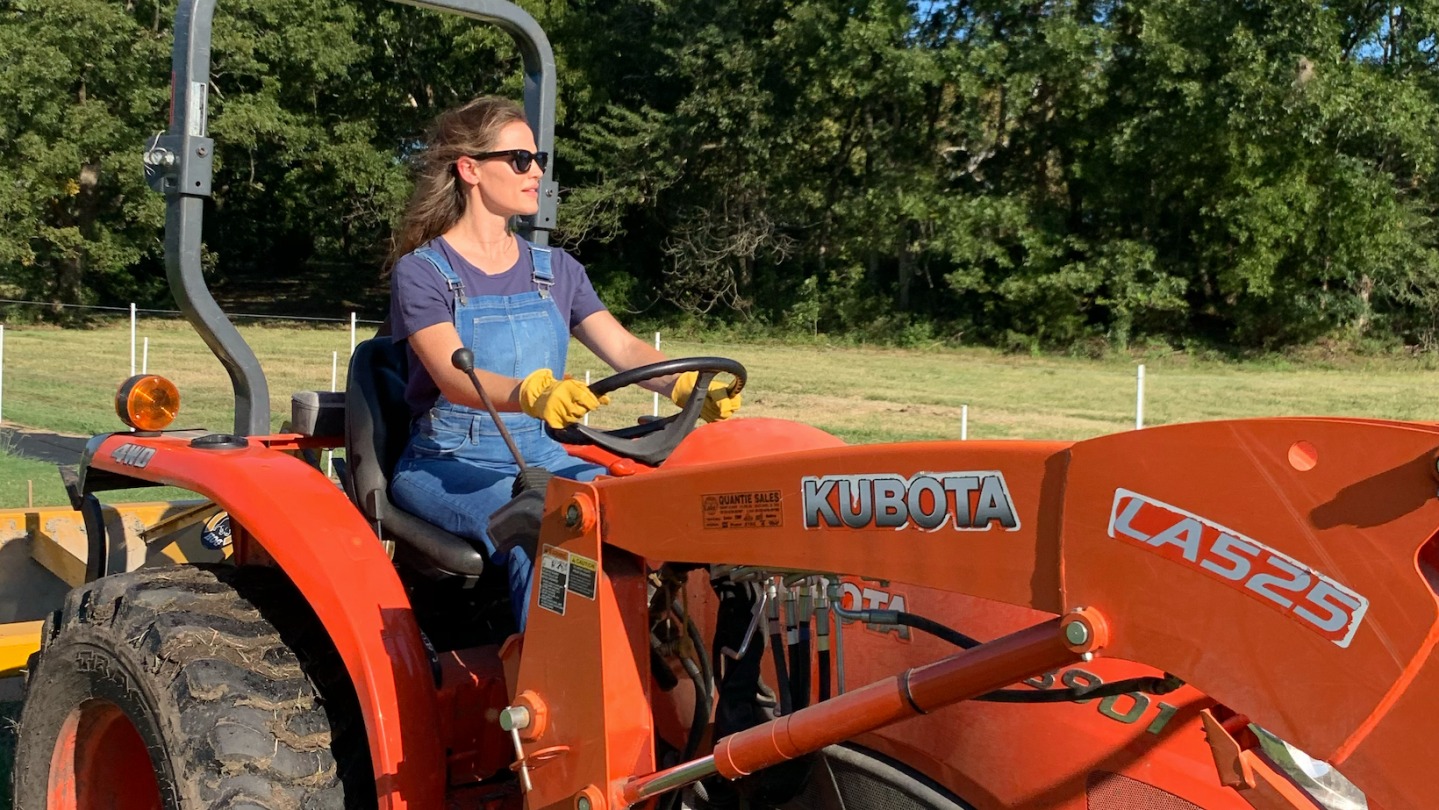
The Debut on the New York Stock Exchange Transforms the Organic Baby Food Brand into a Financial Phenomenon, Highlighting Aggressive Expansion, Strategic Loss, and the Actress’s Decisive Role in Repositioning
The relationship between fame and entrepreneurship often sparks curiosity, but there are stories that go beyond superficial interest. The recent journey of actress Jennifer Garner with Once Upon A Farm has become one of those emblematic cases, combining celebrity, strategy, and numbers that caught Wall Street’s attention.
Actress in Agriculture: From the Screen to the Financial Market
The actress, known for a solid career in Hollywood, helped drive an organic baby food brand until it became a company valued at around US$ 724 million (R$ 3.8 billion) after going public on the New York Stock Exchange.
The move put Once Upon A Farm in the spotlight not only for its financial performance but also for the symbolism of a public figure transitioning to the corporate world.
-
The sugar-energy sector advances with agricultural technology, but agricultural productivity still raises concerns.

-
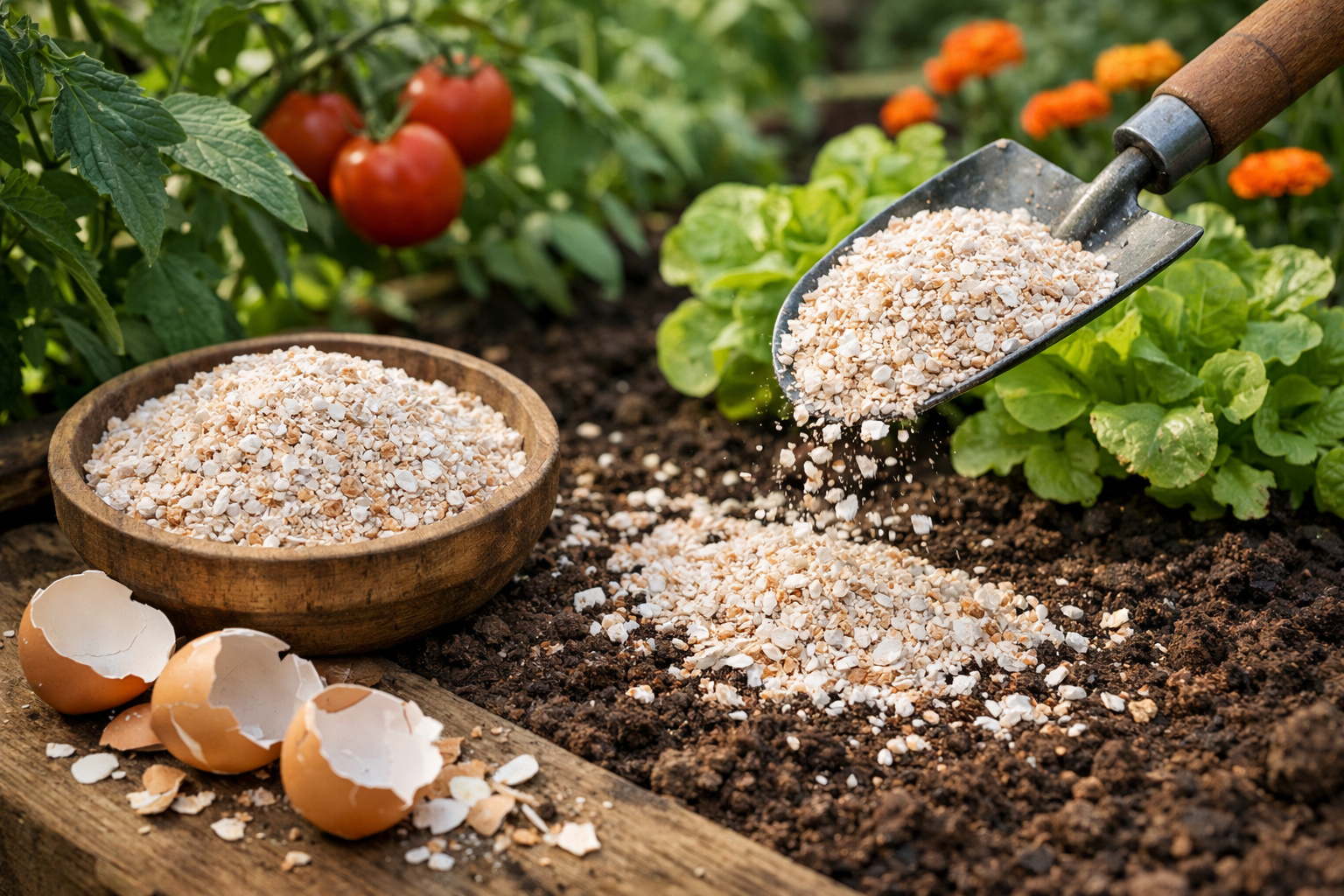
The eggshell that almost everyone throws away is made up of about 95% calcium carbonate and can help enrich the soil when crushed, slowly releasing nutrients and being reused in home gardens and vegetable patches.
-
This farm in the United States does not use sunlight, does not use soil, and produces 500 times more food per square meter than traditional agriculture: the secret lies in 42,000 LEDs, hydroponics, and a system that recycles even the heat from the lamps.

-
The water that almost everyone throws away after cooking potatoes carries nutrients released during the preparation and can be reused to help in the development of plants when used correctly at the base of gardens and pots, at no additional cost and without changing the routine.


Based in Berkeley, California, the company debuted on Friday (6) with shares priced at US$ 18. The offering raised approximately US$ 200 million (R$ 1.1 billion). The response from investors came quickly.
On the first day of trading, the shares rose nearly 17%, surpassing US$ 21 and fueling enthusiasm around the brand.
Growth That Surprised Analysts
While initial public offerings are not rare, cases of substantial appreciation in food companies are still seen as exceptions. Once Upon A Farm enters the market with strong indicators.
In the fiscal year ending in September 2025, the company reported revenue of US$ 225 million (around R$ 1.2 billion), a result that represented growth of over 40% compared to the previous year. Since 2018, the compounded rate has exceeded 60%.
Today, the company is regarded as one of the main drivers of the organic baby food category expansion in the United States.
The data indicates a share of over 60% of the incremental growth in the segment and presence in over 35% of new purchases. Figures that reinforce its influence within a highly competitive market.
The products, which include organic purees and baby snacks, already occupy space in about 25,000 stores.
Among the retailers are large chains like Target, Whole Foods, Kroger, Walmart, Publix, and Wegmans.
Another data point noted by the industry shows that retailers allocating more than 15% of their refrigerated baby space to the brand have reported an average revenue increase of over 10%.
The Strategic Role of Jennifer Garner
Actress Jennifer Garner joined the company in 2017 as a brand director. Over time, she became recognized as a co-founder and accumulated an approximate stake of 7%, valued at around US$ 64 million (R$ 337 million) after the IPO.
Her presence gained weight especially during the roadshow with investors, where she played a direct role in communicating the company’s proposition.
In addition to visibility, Garner helped build an emotional connection with the public. The brand’s narrative began to emphasize natural, traceable ingredients aligned with a more conscious lifestyle.
This positioning helped differentiate the company in a sector historically dominated by large conglomerates.
Aggressive Expansion and Bold Decisions
During the same period the actress entered the business, Cassandra Curtis and Ari Raz brought John Foraker on board as CEO and co-founder.
Foraker holds about 6% of the company, valued at approximately US$ 57 million, while the original founders retain just over 1% each.
One of the first strategic decisions was to drastically expand distribution. When Foraker took over, the brand was present in only 350 stores.
In about a year, that number jumped more than 2,300%, reaching approximately 8,500 points of sale.
The gamble was considered risky, as large retailers rarely offer second chances. Still, about 90% of those stores continue selling the products.
Over the past decade, the company has made significant adjustments. It revamped packaging with more attractive colors, highlighted recipes without added sugar, redefined its target audience after identifying that 80% of consumption came from older children, and modernized its visual identity. Changes that, according to the market, have driven revenue growth again.
Grow First, Profit Later
Despite the significant valuation, Once Upon A Farm went public operating at a loss. The loss in the last fiscal year was US$ 52 million (R$ 274 million), higher than the losses of US$ 19 million in 2022.
The result primarily reflects costs associated with expansion and scaling investments, including fees paid to retailers to secure shelf space.
For analysts, this scenario is common in rapidly growing companies that prioritize market share over profitability.
In 2021, the company adopted the model of a public benefit corporation, allowing it to balance financial goals with social and environmental objectives.
The relationship with farmers has become one of the brand’s pillars. The company sources fruits and vegetables from certified farmers, adhering to standards such as USDA Organic.
Partnerships focused on sustainability enhance traceability and strengthen the quality narrative.
This connection also ties to Garner’s personal story. In 2017, she acquired the farm where her mother grew up, in Locust Grove, Oklahoma.
The property had been purchased by her grandparents in 1936 for US$ 700. Some of the ingredients used in their recipes come from there, expanding the narrative from farm to table.
Prior to the IPO, the company had raised about US$ 98 million, including a round that valued the business at US$ 371 million. Even with the progress, the products are present in only 4.8% of American households.
Now, with strengthened capital, the company plans to expand its portfolio and develop new meals and snacks aimed at early childhood, aiming to accompany families through different stages of infant consumption.
With information from Compre Rural.









-

-

3 pessoas reagiram a isso.