





 Portuguese
  English
  Spanish
 5 min of reading
  0 comments


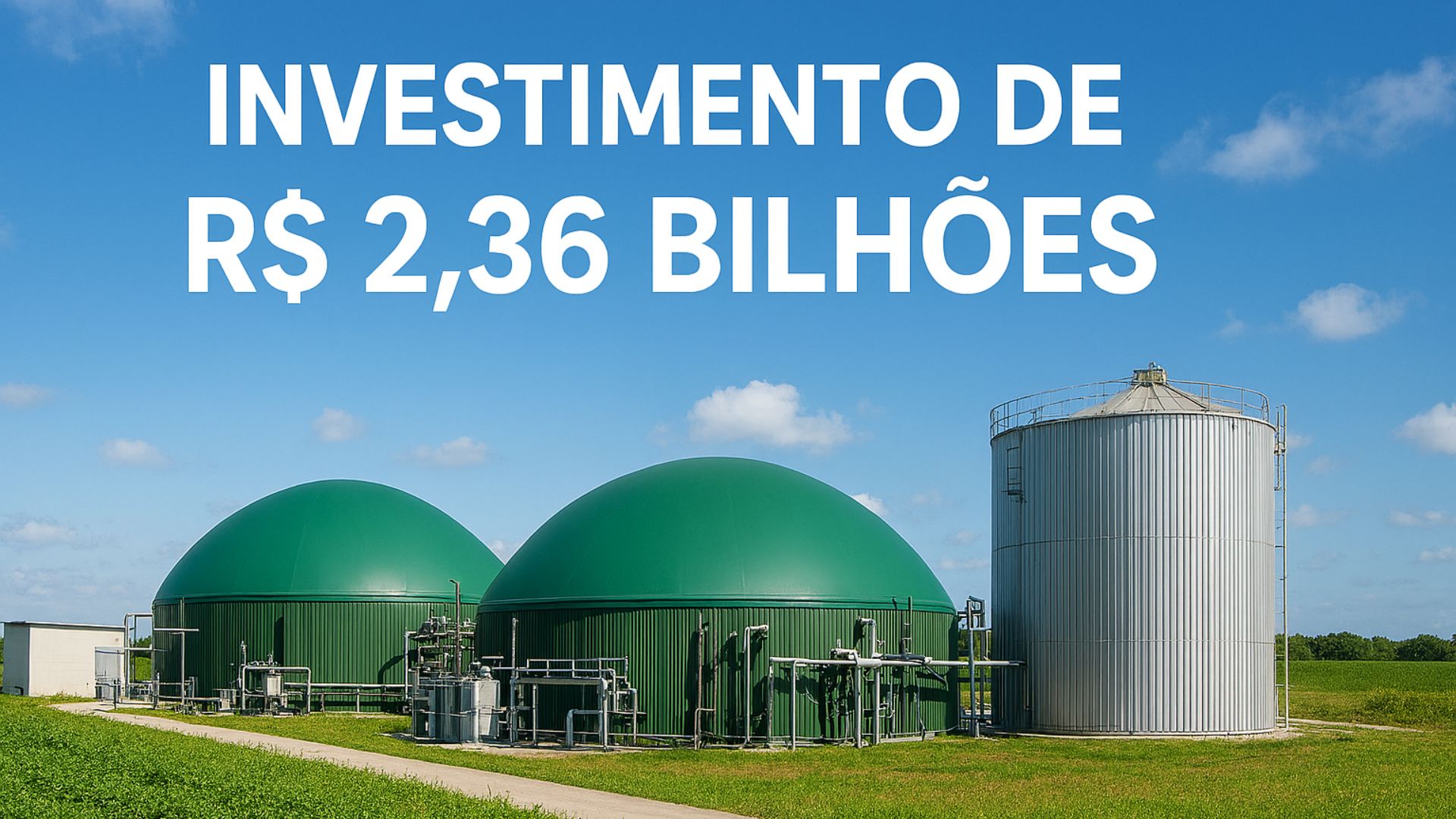
Atvos Confirms Billion-Dollar Investment to Install New Bioenergy Plants and Expand Biofuel Production in Mato Grosso do Sul, Accelerating Industrial and Sustainable Expansion in the State
Atvos announced a major investment of R$ 2.36 billion for the construction of three new industrial plants in Mato Grosso do Sul, expanding its strategic presence in the bioenergy and ethanol sectors in Brazil. According to an article published by the Cana Online website, the project includes the installation of two corn ethanol plants and one plant dedicated to biogas production, reinforcing regional expansion and the advancement of biofuels as an energy alternative.
According to the company’s own estimates, each ethanol plant is expected to reach an annual capacity of around 250 million liters, while the biogas plant is projected to be one of the largest in the world in this sector. This initiative marks a new cycle of industrial expansion in the state, strengthening the regional economy and accelerating the energy transition.
Strategic Importance of Atvos’ Investment in Bioenergy and Biofuels
The announcement reinforces the prominence of Mato Grosso do Sul in advancing new productive models linked to bioenergy and biofuels. The sector has shown continuous growth, and the installation of new plants represents an important milestone for diversifying the Brazilian energy matrix.
-
The Economist states that Brazil has a “secret weapon” against expensive oil and highlights how the country can reduce economic impacts even in international scenarios of high volatility.
-
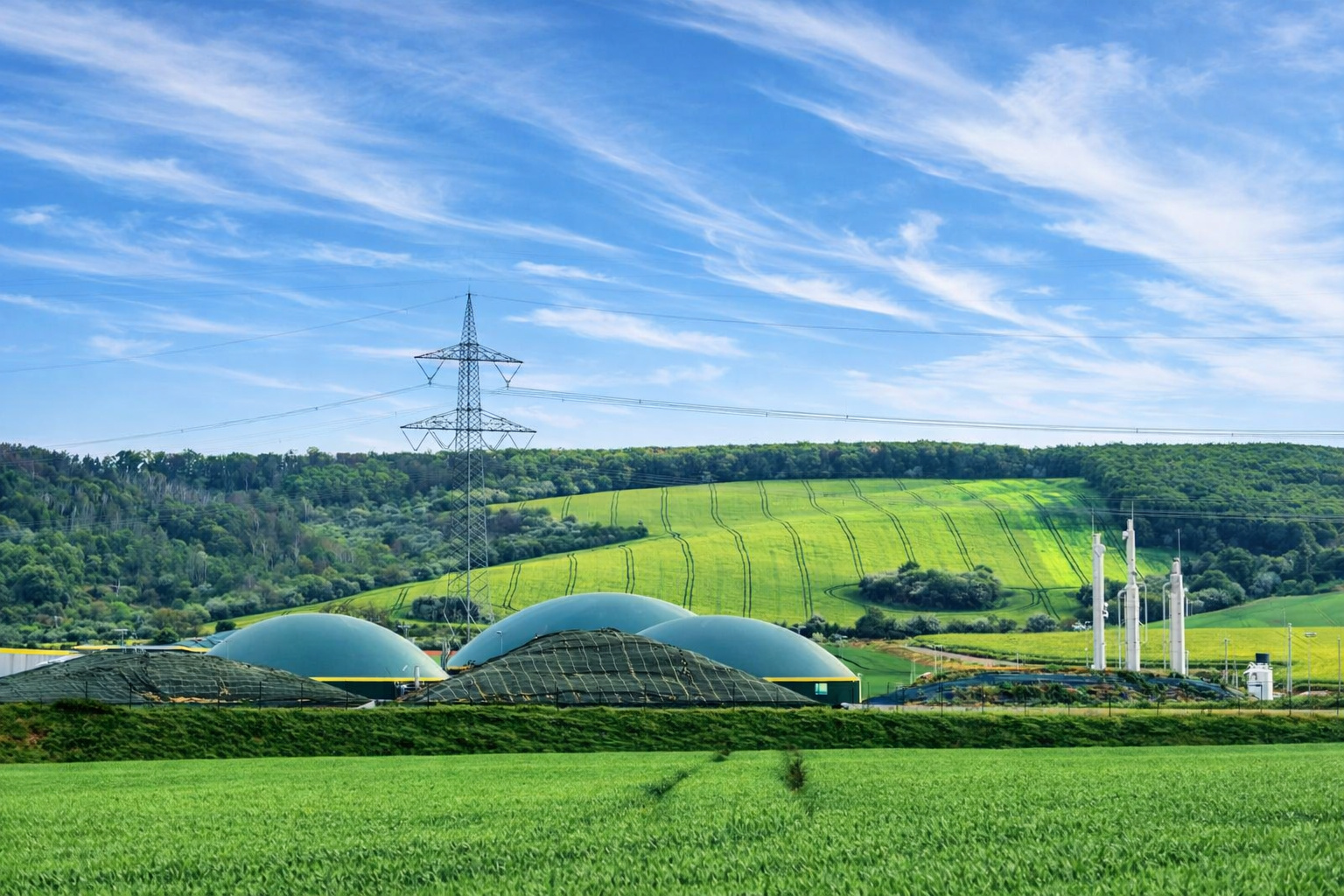
Brazil accelerates decarbonization in the South: International forum in Foz do Iguaçu gathers leaders to discuss the advancement of biomethane in the energy matrix and the potential of “caipira pre-salt.”
-
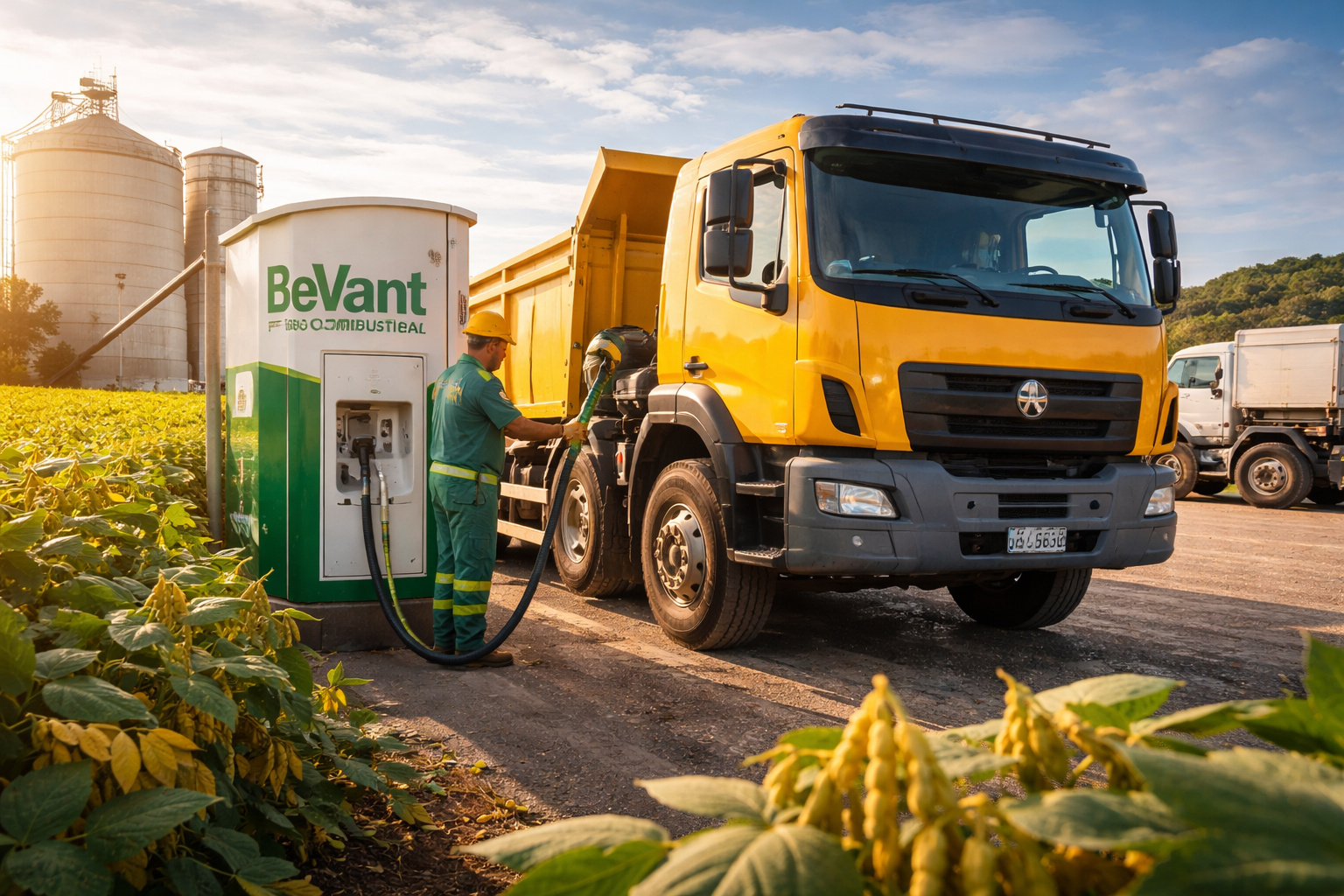
As diesel prices soar due to conflicts in the Middle East, a Brazilian city decides to test a little-known biofuel that promises to completely replace fossil fuel without adaptation and could change the future of energy in the country.
-
Innovation with biofuel engines transforms agribusiness by replacing diesel without the need for major adaptations, ensuring energy efficiency and helping to reduce dependence on oil.
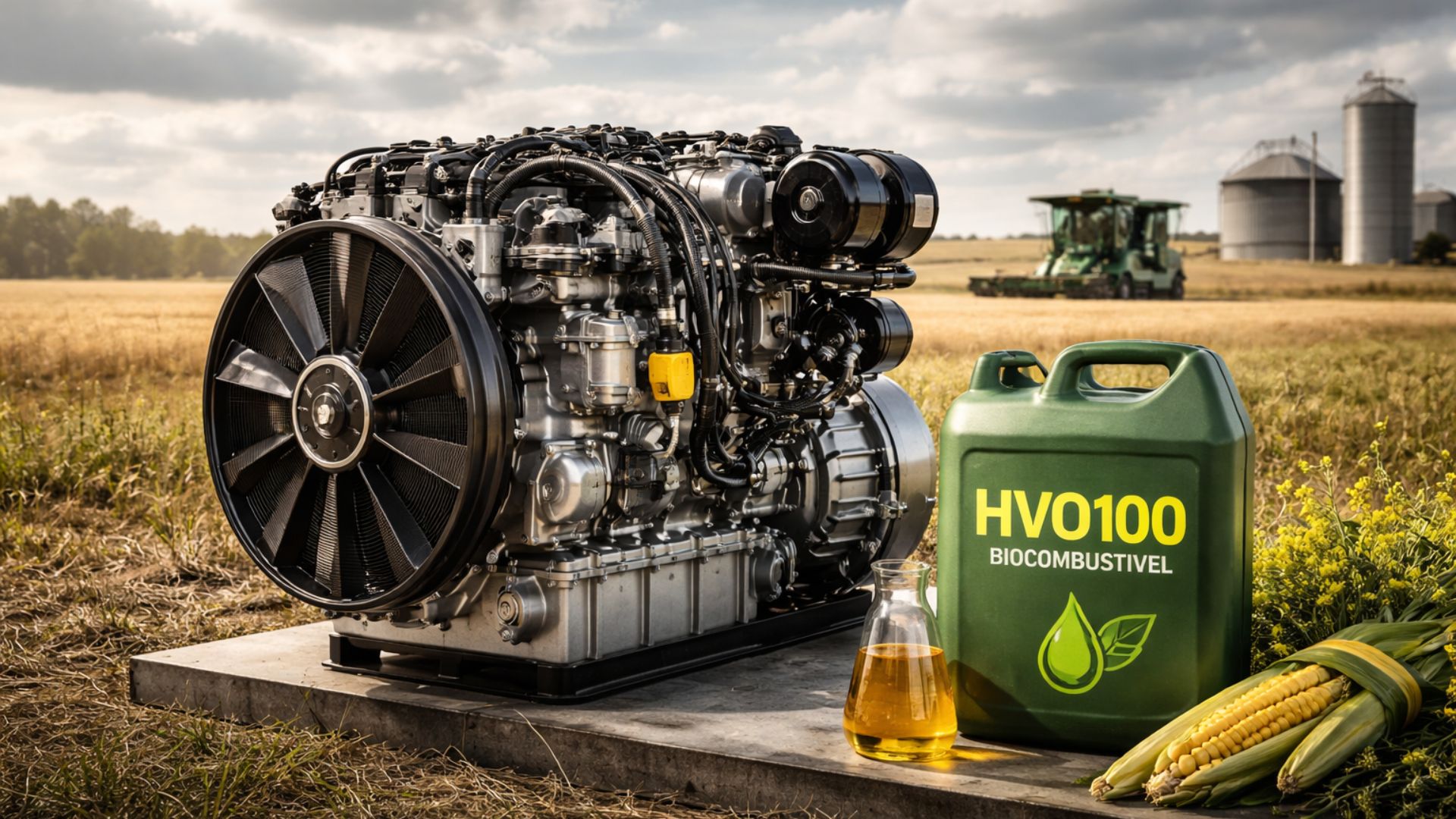

This is an investment that can transform the regional production structure and strengthen the local economy. The choice of the state is not by chance. MS has been expanding its industrial and agricultural presence with a focus on sustainability, recovering degraded areas and stimulating productive chains such as soy, eucalyptus, and corn, which already sustain projects of this nature.
The construction of the three industrial plants positions the state on a development path aligned with the global agenda for decarbonization and the search for renewable fuels.
New Plants and Atvos’ Expansion in Mato Grosso do Sul
Expansion of New Units and Investment Distribution
The expansion plan provides for the distribution of the amount of approximately R$ 1 billion for each ethanol plant and R$ 360 million for the biogas plant.
In addition, this investment continues an already existing agenda. Atvos has been expanding its operations in the state since 2023, with investments exceeding R$ 3 billion aimed at modernizing and expanding industrial operations.
This strategy reveals a consolidation of the sugar-energy hub in Mato Grosso do Sul, which stands out in agricultural production and sustainable energy generation.
Corn Ethanol Production: Projections and Industrial Capacity
The construction of two corn ethanol plants represents a leap in the diversification of the raw materials used for the production of biofuels. It is estimated that each unit will produce around 250 million liters per year, reinforcing the company’s productive capacity.
This industrial model takes advantage of the growing availability of corn in the state, benefiting agribusiness and enhancing competitiveness in both domestic and foreign markets.
Corn ethanol presents itself as a strategic alternative to reduce emissions and decrease dependence on fossil fuels. Furthermore, this dynamic benefits producers and fosters regional integration between industrial hubs, transport, and storage.
Biogas Plant: Sustainable Model and Technological Innovation
The plant dedicated to biogas will utilize waste from the production process for renewable energy generation. According to company data, this operational model allows for the transformation of vinasse and filter cake into renewable gas.
The project complements other initiatives by Atvos in the state. In 2024, the company had already begun construction on a similar plant, with an investment of R$ 350 million.
This production model strengthens the concept of circular economy and creates new possibilities for using agricultural by-products, preventing waste and significantly reducing emissions.
Atvos Investment and Its Impacts on Mato Grosso do Sul
The investment opens up new job opportunities during the construction and operation phases of the plants. The expectation is that nearby municipalities will also benefit from new businesses, infrastructure, transportation, and services.
Moreover, the state already has a consolidated structure to support initiatives of this size, with emphasis on corn markets, logistics, and expanding supply chains.
The state government has been promoting policies to rehabilitate degraded areas. According to authorities, around 5 million hectares have already been recovered and allocated for production.
This scenario further favors the implementation of the new plants and strengthens the state’s position in the energy transition agenda. Mato Grosso do Sul consolidates its status as a hub for innovation and renewable energy in the country.
Technical Challenges and Factors for Viability
Despite the positive outlook, the projects are still in the study phase and require attention to some essential execution points:
- Obtaining environmental licenses and operating authorizations
- Financial and industrial viability for large production volumes
- Dependency on the supply and price of corn
- Evolution of demand for energy and biofuels in the national market
The biogas and ethanol plants depend on favorable logistics conditions and regulatory environment. As they are still undergoing engineering adjustments, timelines and final capacity still need to be confirmed.
Even so, the strategic potential remains high, as this type of project has strong alignment with the current low-carbon economy scenario.
Expansion of the Energy Matrix and Sustainability
In addition to the direct economic impact, the project contributes to the reduction of greenhouse gas emissions by using agricultural waste as raw material for renewable energy generation.
Bioenergy is a viable solution for the Brazilian energy transition. The use of biogas and ethanol broadens the supply of clean fuels and contributes to the development of policies aimed at renewable energy.
The announcement of Atvos’ investment reinforces the importance of bioenergy and biofuels as drivers of regional development in Brazil. Furthermore, it strengthens the role of the sugar-energy sector as one of the main vectors of the energy transition.
Mato Grosso do Sul establishes itself as a hub for large industrial investments, attracting new companies and empowering production chains linked to agribusiness, energy, and logistics.









-

-

4 pessoas reagiram a isso.