





 English
  Francês
  Alemão
  Italiano
  Japonês
  Norueguês
  Portuguese
  Spanish
  5 min of reading
  0 comments



Learn How the Public Hearing Discusses Quality and Prices of Fuels and Their Impacts on the Economy and Daily Lives of Brazilians.
The discussion about the quality and prices of fuels in Brazil is becoming increasingly relevant, as these elements directly impact people’s lives and the functioning of the economy. Moreover, the government, through regulatory agencies such as the National Agency of Petroleum, Natural Gas and Biofuels (ANP), oversees, ensures minimum quality standards, and monitors the market to protect consumers.
Historically, Brazil has gone through different phases in the regulation and supply of fuels. For much of the 20th century, the production and distribution of gasoline, diesel, and cooking gas were highly centralized, with strong state involvement, mainly through Petrobras. During this period, the country faced challenges related to product shortages and inconsistent fuel quality. These problems occurred partly due to limited infrastructure and a lack of systematic monitoring.
As the years went by, market-opening policies and the establishment of regulatory agencies brought significant advancements. Thus, the ANP, created in 1997, began to oversee, regulate, and monitor the sector. Among its main initiatives is the Fuel Quality Monitoring Program (PMQC), which periodically collects samples of gasoline, diesel, and ethanol from various points across the country. In this way, it ensures that products meet the standards required by law. Consequently, this monitoring protects consumers and ensures that vehicles and machinery operate correctly.
-
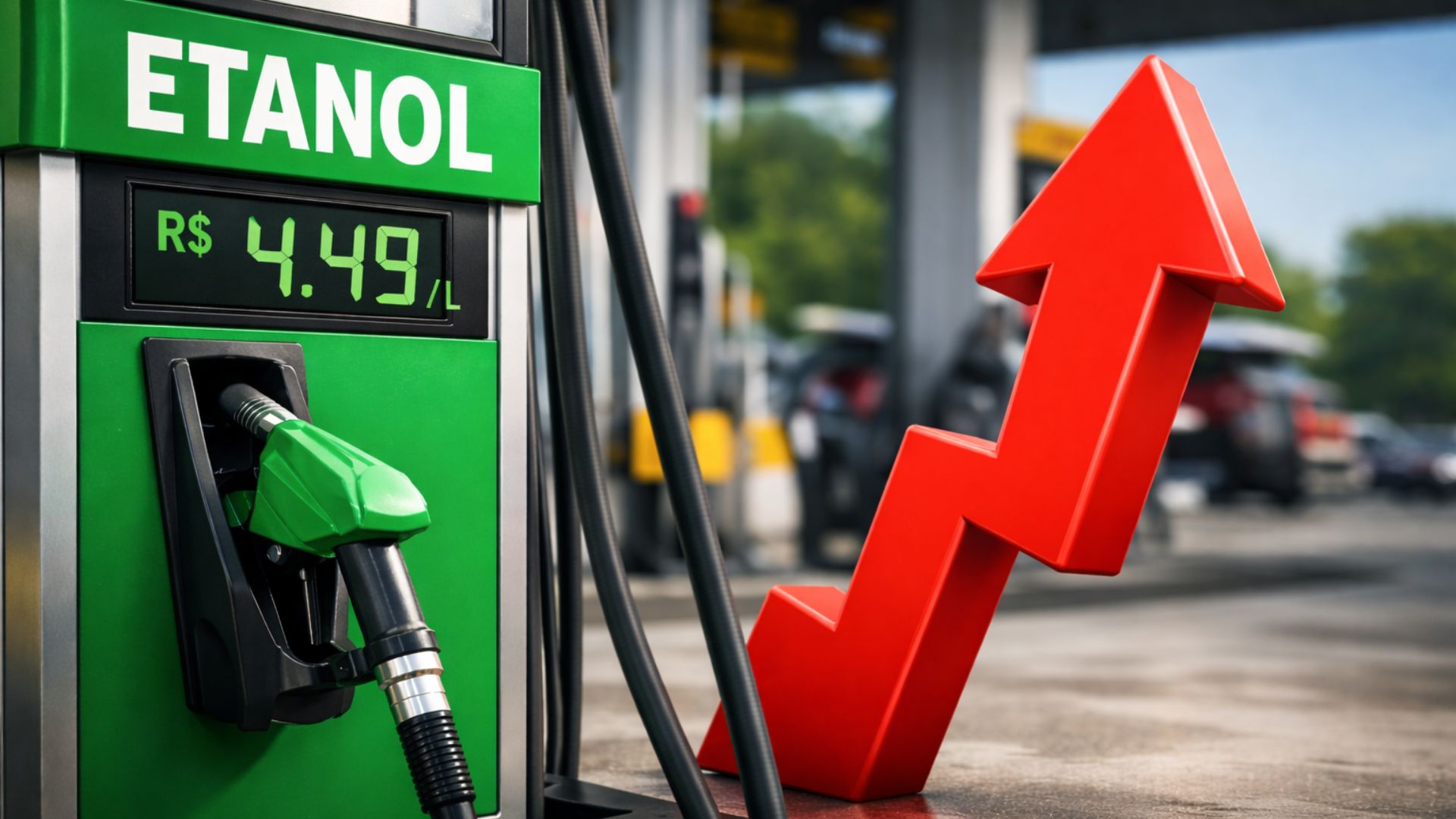
Ethanol Price Rises in 15 States and Remains Competitive in Only One: See Where Ethanol Beats Gasoline, ANP Data, and Impacts on the Brazilian Fuel Sector
-
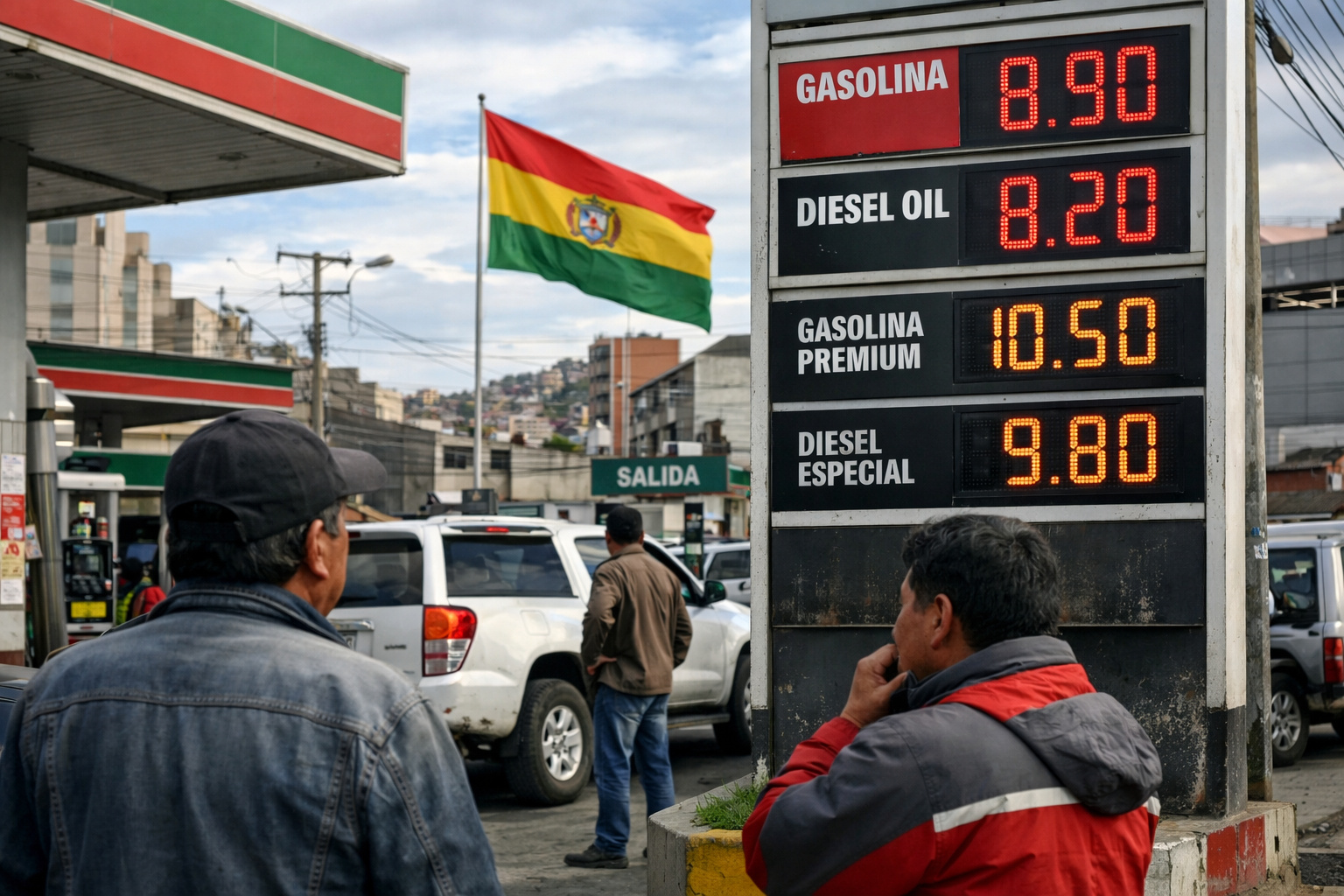
Bolivia Declares National Emergency, Ends Fuel Subsidies, and Prepares Up to 100% Increase in Gasoline and Diesel Prices
-
Brazilian Fuel Market Drives EPE’s New Projections for 2025 and Advances in Diesel, Ethanol, and Aviation
-
ANP Fuel Supply Oversight: Strategic Partnership with Ipem-SP Aims to Enhance Safety, Georeferencing, and Control in the Fuel Market

In addition to direct oversight, the ANP disseminates information about composition, origin, and quality of fuels. Thus, consumers, transport companies, gas stations, and government agencies can make more informed and conscious decisions.
Impacts of Fuel Quality
The quality of fuels directly influences the lifespan of engines and equipment, as well as energy efficiency and pollutant emissions. Furthermore, adulterated fuels or those that do not meet standards can damage vehicles and harm the environment. As a result, they increase the emission of pollutant gases. For this reason, the ANP and other regulatory agencies constantly work to prevent fraud and irregularities.
At the same time, fuel prices directly impact the budegets of families, especially those with lower incomes. Likewise, they influence transportation costs, agricultural production, and industry. Historically, periods of rising global oil prices quickly reflect in internal prices. This triggers political and social debates about subsidies, taxes, and price control mechanisms.
Moreover, quality also affects the automotive industry and the transportation sector. Thus, vehicles running on low-quality fuels suffer from premature wear, increasing maintenance costs and reducing efficiency. Consequently, transportation companies and commercial fleets feel the direct effects of substandard fuels, which raises the cost of products and services.
Public Hearings and Society Participation
The Consumer Defense Commission of the Chamber of Deputies organizes public hearings to discuss these issues transparently. Thus, deputies, ANP representatives, specialists, and members of civil society debate technical, social, and economic aspects. In this way, these meetings help to identify problems, assess existing policies, and propose solutions that improve service quality and reduce negative impacts on consumers.
Deputies emphasize the importance of analyzing both aspects in an integrated manner. For example, Deputy Daniel Almeida emphasizes the relevance of the PMQC and warns that financial difficulties can compromise oversight. Consequently, without consistent monitoring, the population is exposed to lower quality fuels. Additionally, the market may face distortions that harm the economy and the environment.
Deputy Paulão highlights that discussing fuel prices affects the entire society. Therefore, the constant increase has direct impacts on the cost of living and influences the prices of products and services. This creates a cascading effect on the economy. Thus, public debates and well-founded political decisions can establish transparency and control mechanisms, ensuring understandable and fair adjustments.
Furthermore, these hearings allow society to understand the oversight procedures, price formation, and access to historical and up-to-date data about the market. For this reason, interaction among government, industry, and consumers strengthens the governance of the sector and encourages better practices.
Long-Term Benefits of Focusing on Fuels
In addition to the immediate impact, focusing on fuel quality and prices generates long-term benefits. Therefore, continuously improving quality ensures greater durability of vehicles and machinery. This reduces maintenance costs and increases energy efficiency. In turn, stabilizing prices allows for more predictable economic planning, favoring investments and decreasing the population’s vulnerability to fluctuations in the international market.
The environmental context also deserves attention. After all, the production and consumption of fossil fuels directly affect greenhouse gas emissions. In this regard, low-quality fuels exacerbate pollution problems and contribute to climate change. Thus, monitoring quality connects to broad sustainability and environmental responsibility policies.
Another relevant aspect is the role of society. Therefore, citizens can participate in public hearings and consultations on fuel policies. In this way, they strengthen transparency and dialogue between government, market, and population. Thus, when the debate involves different perspectives, it increases the likelihood that decisions reflect collective interests and promote social well-being.
Public engagement also raises awareness of the impacts of fuel quality on health, the economy, and the environment. Therefore, communities and associations can make complaints about irregularities. Additionally, they can monitor the implementation of public policies, encouraging swift corrective actions.
Fuel Diversification and Future Challenges
In recent years, Brazil has diversified its fuel matrix, incorporating ethanol, biodiesel, and advanced biofuels. This diversity requires continuous attention to quality and prices, as each type of fuel has specific regulations and standards. Thus, ensuring that all products meet safety and efficiency criteria ensures access to reliable and sustainable alternatives.
In addition to diversification, technological advances allow for real-time quality monitoring, fraud prevention, and logistics optimization. Thus, these advances, combined with efficient regulatory policies, improve access to information about prices and quality in different regions of the country.
Therefore, discussing fuel quality and prices involves historical, technical, economic, and social aspects. Thus, public hearings represent valuable opportunities for dialogue, oversight, and policy enhancement. Society participation, the actions of regulatory agencies, and the commitment of parliamentarians guarantee that the fuels consumed in the country are safe, efficient, and accessible.
Continuous attention protects the consumer, strengthens the economy, encourages innovation in the energy sector, and contributes to sustainable development. Thus, investing in monitoring, transparency, and consumer education helps address challenges related to fuel quality and prices and build a fairer and more balanced market for all.










Seja o primeiro a reagir!