





 English
  Francês
  Alemão
  Italiano
  Japonês
  Norueguês
  Portuguese
  Spanish
 6 min of reading
  0 comments


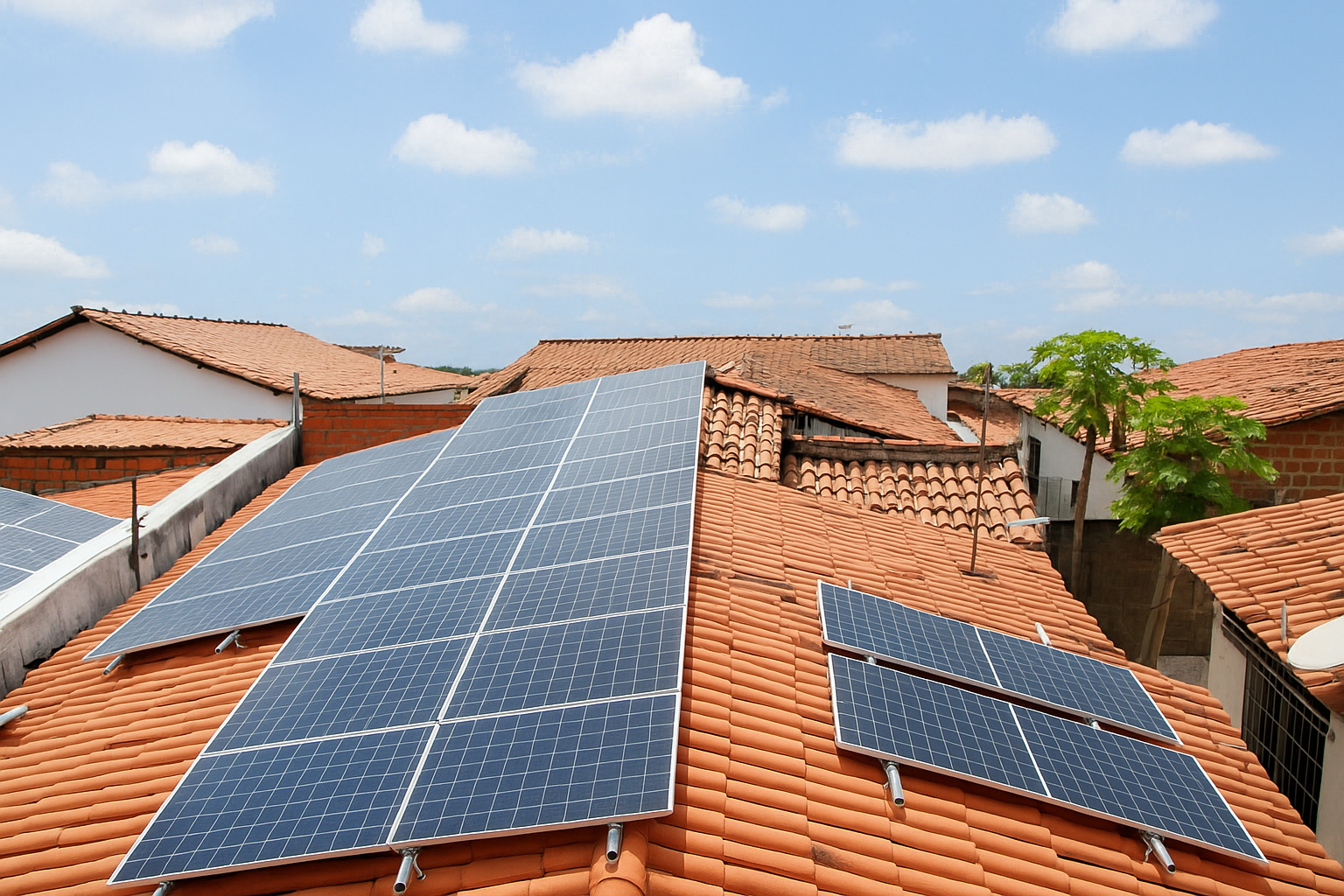
Understand How Solar Energy Taxes Raised Consumers’ Bills in Piauí and Generated Complaints About Improper Charges.
In recent years, Brazil has seen significant growth in the use of solar energy. Additionally, the search for cleaner energy sources and the need to reduce electricity costs have driven this advance.
Indeed, solar photovoltaic energy allows consumers to generate their own electricity through solar panels, making it a popular alternative for homes, businesses, and rural properties. However, recent changes in Piauí’s legislation have raised a delicate issue: the charging of taxes on solar energy, which has consequently generated dissatisfaction among consumers.
Historically, incentives for solar energy in Brazil began to solidify in the 2010s. For example, government programs and public policies aimed at promoting renewable sources contributed to the sector’s expansion.
-
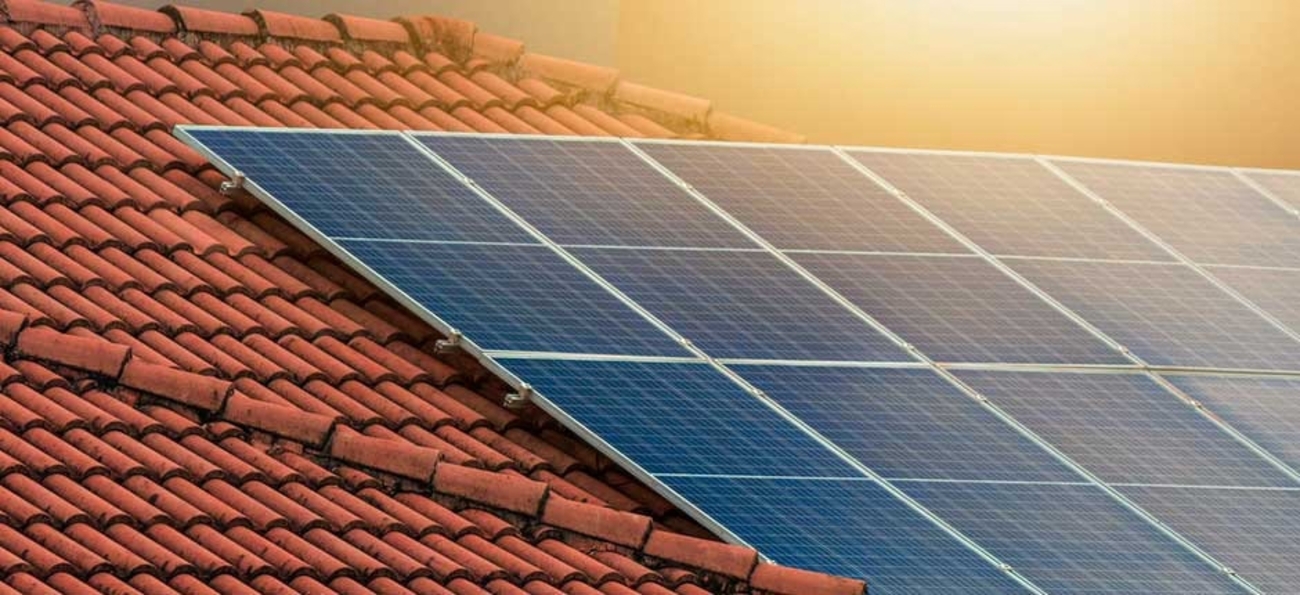
Roraima bets on the sun to escape high tariffs: Amid the energy crisis and price hikes, solar energy is growing in Roraima and transforming consumption in the North region.
-
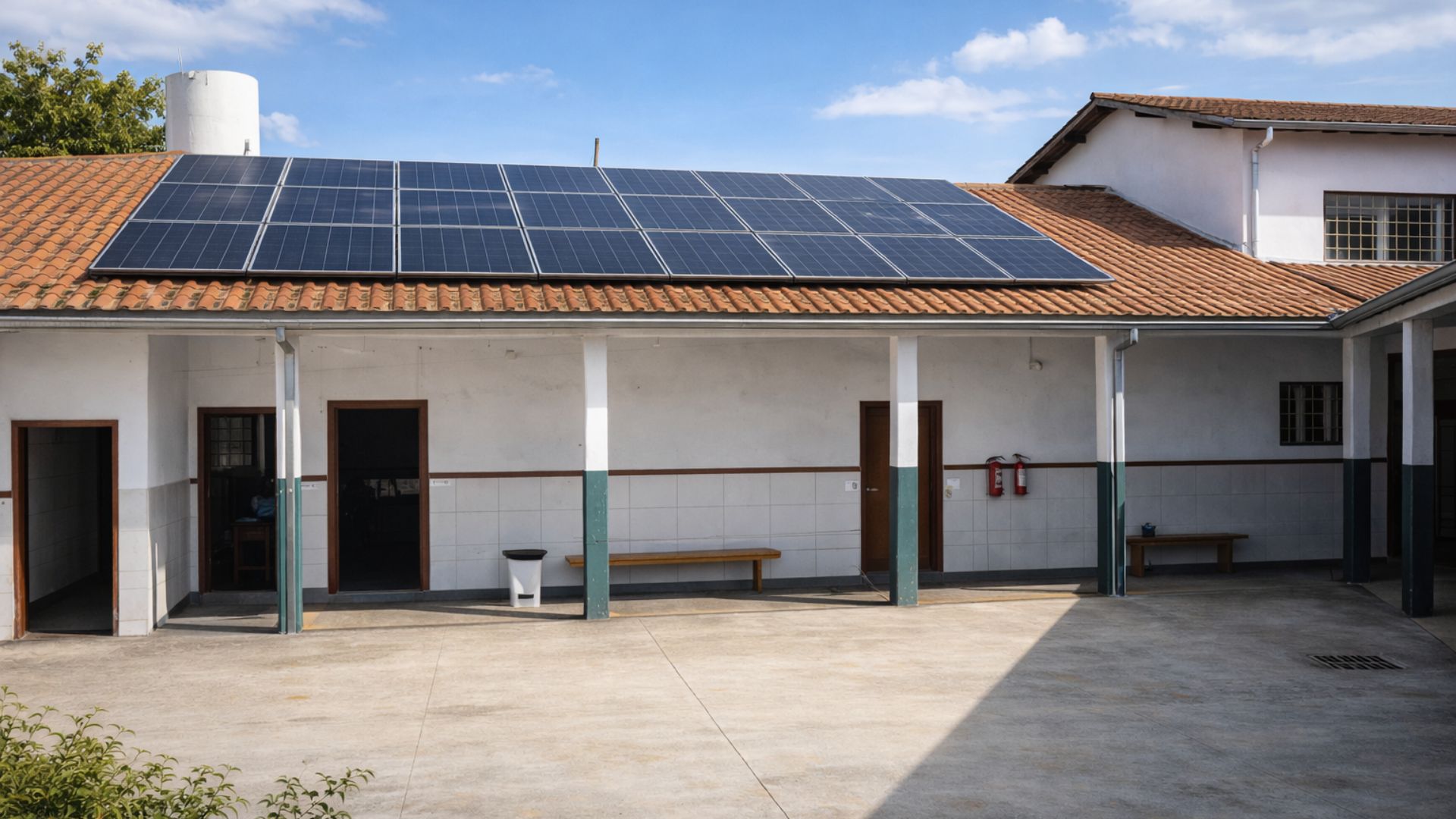
Copel boosts solar energy in Paraná and brings innovation to public schools, promoting savings on electricity bills, energy efficiency, and a direct impact on the quality of education.
-
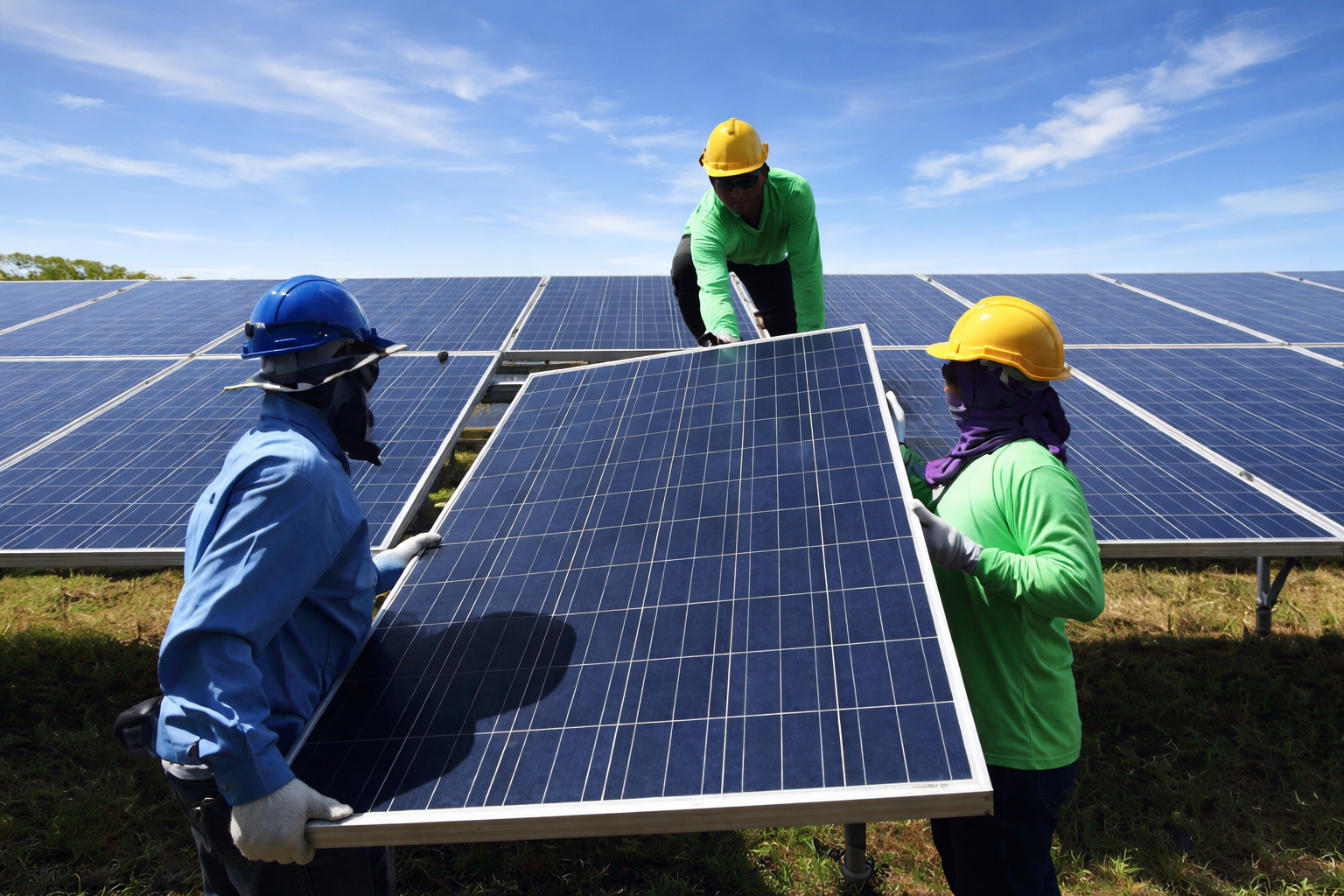
Brazil reaches historic milestone in solar energy: Sector surpasses 2 million accumulated green jobs and generates billions in the national economy even under market pressure.
-
Minas Gerais takes the lead in renewable energy: State surpasses historic mark of 14 GW in solar energy generation in MG and consolidates dominance in the Brazilian electric sector.
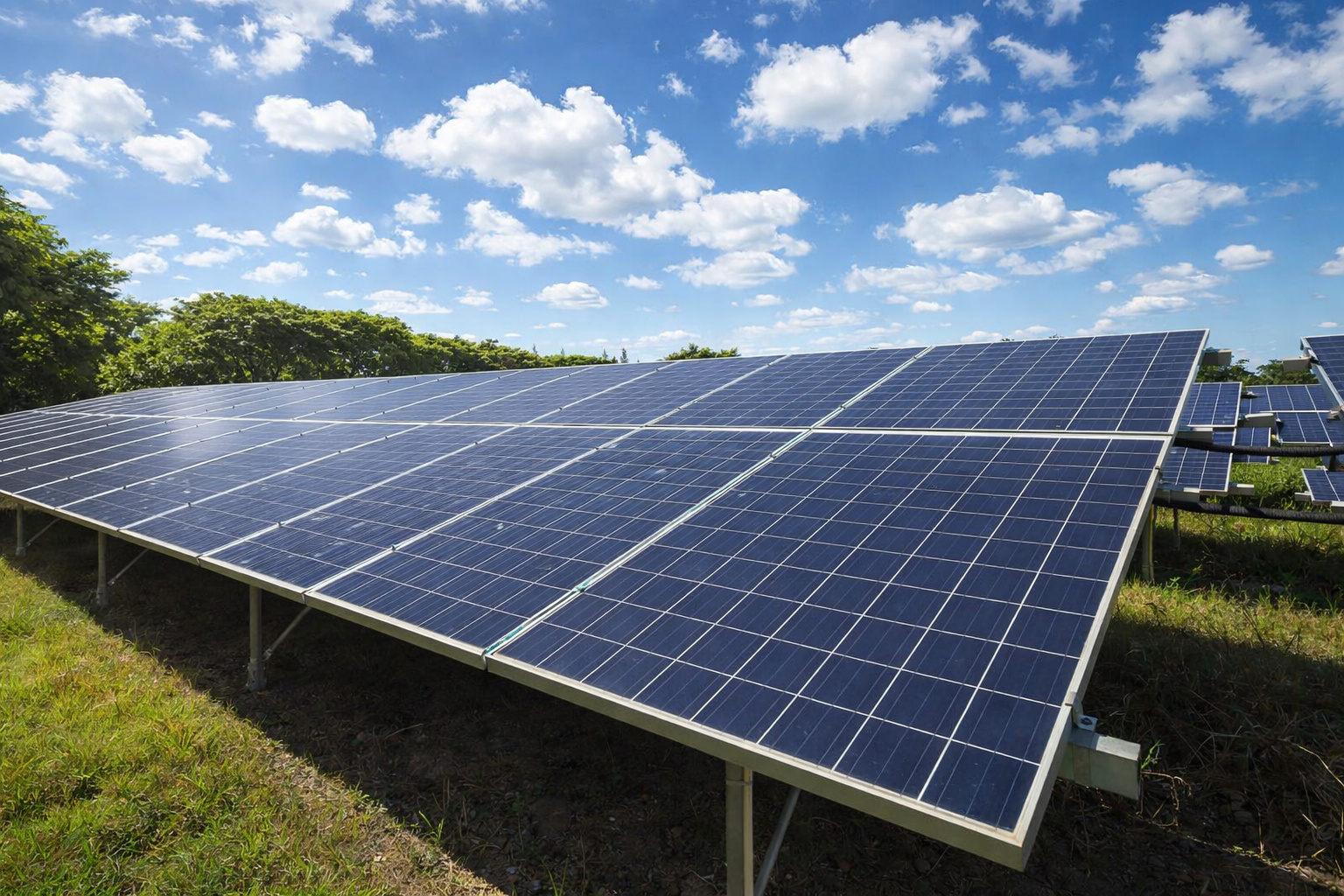

Moreover, the country, privileged by abundant sunlight, saw in solar energy an opportunity for energy diversification and a reduction in dependence on fossil fuels. Until then, consumers who invested in photovoltaic systems paid minimal fees for using the utility’s electric grid. They could, at the same time, inject excess power into the distribution grid, generating credits that offset their consumption.
Furthermore, the growth of solar energy in Brazil has also been linked to fiscal incentive policies, such as the exemption from ICMS in some states and the reduction of import tariffs on equipment. These measures have therefore made solar energy more accessible, especially for medium-sized homes and small businesses.
However, the recent change in Piauí shows how legislative changes can quickly impact consumers’ financial planning and, consequently, discourage new investments.
Changes in Piauí Legislation and Impact on Bills
In Piauí, the reality began to change in 2024, when the Legislative Assembly approved a law that altered the way solar energy is charged. Thus, consumers started paying ICMS (Tax on the Circulation of Goods and Services) on the electricity they generate.
This measure, along with the creation of a fee for using the grid and the infrastructure of the utility Equatorial Piauí, considerably raised the amounts on monthly energy bills.
Before the law was approved, consumers paid only a minimal maintenance fee for the electric grid. For single-phase systems, the fee was around R$ 30, while for three-phase systems, it exceeded R$ 100.
With the new legislation, in addition to this usage fee, the ICMS began to apply to solar energy, thus doubling the cost of many consumers’ bills.
On the other hand, utilities and industry experts justify that, even with self-produced energy, the electric grid continues to transport excess electricity to other consumers.
Marco Melo, president of Apisolar, explains: “Even with self-generation, there are operational costs, grid maintenance, and infrastructure use that justify charging fees for system use.”
However, many consumers were surprised by the additional amount and were not prepared to cover it.
Moreover, for experts, this change represents a challenge for the energy transition, as predictability and cost stability are essential to stimulate the installation of new photovoltaic systems.
In addition to the immediate financial impact, the measure could influence market behavior and the decisions of consumers who are still considering adopting solar energy.
Legality of Charges and Precedents in Other States
The introduction of ICMS on solar energy has generated debates about the legality of the charges. For instance, in other Brazilian states, such as Goiás, Maranhão, and Alagoas, the attempt to tax self-generation of energy has also sparked controversy.
In some cases, the courts have suspended the charges, deeming them improper. Indeed, the example of Goiás is emblematic: the governor requested that his party, the MDB, file an action of unconstitutionality. This resulted in injunctions that returned the amounts paid by consumers.
In Piauí, it is expected that similar situations will occur. Thus, consumers who have taken legal action have obtained favorable individual decisions, thereby suspending the payment of ICMS in their homes.
Lawyer Cleano Jales, who is involved in several cases in the state, has already secured injunctions that prevent the tax from being charged. He believes that soon there will be a collective decision benefiting all affected consumers.
Furthermore, the legal debate highlights the need to harmonize state laws and national policies for promoting clean energy. While some states seek to raise funds through taxes on self-generation, others continue to offer incentives that encourage the adoption of renewable technologies.
Thus, a disparate scenario for investors and consumers arises in different regions of the country.
Solar Energy Taxes: National Debate and Consumer Perception
The debate over the taxation of solar energy is not limited to Piauí. In fact, experts discuss the need to balance state revenue with the incentive for sustainable energy consumption.
ICMS, as a state tax, constitutes an important tool for local governments, but its application to self-generated energy has proven to be a barrier to the growth of renewable sources. Therefore, the case of Piauí reflects a broader dilemma: how to reconcile tax collection with public policies that promote clean energy.
Additionally, consumers report that the additional charge has generated surprise and frustration. When investing in solar energy, they expected to reduce their electricity costs while also contributing to environmental preservation.
For Helder Jales, secretary-general of Apisolar, the charge lacks legal backing, and experiences in other states show that the courts can act in favor of consumers. Therefore, this scenario highlights the importance of clear regulations and dialogue among utilities, government, and society to ensure that energy policies advance without penalizing those who invest in sustainability.
Transparency in billing and clarification about operational costs of the electric grid are essential. Furthermore, consumers want to understand exactly what they are paying for and avoid financial surprises.
Thus, the lack of clear communication regarding changes in legislation and the introduction of new taxes can undermine public trust and reduce the adoption of solar energy.
Integration of Solar Energy into the Electric Grid
The situation in Piauí also demonstrates the complexity of integrating solar energy into the conventional electric grid. When consumers produce more energy than they consume, they transfer the surplus to the utility’s grid, ensuring that other users benefit.
This is where operating and maintenance costs arise, which utilities argue as justifications for additional fees. However, the value and manner of this charge must be transparent and proportional, avoiding, therefore, that the incentive for self-generation of energy be compromised.
Another challenge involves compensation policies that encourage distributed generation without compromising state revenue. Energy credit systems, net metering agreements, and tax incentives have proven to be important tools in other countries.
Thus, their adaptation to the Brazilian context may balance the interests of consumers, utilities, and government.
In summary, the increase in solar energy taxes in Piauí highlights a transition and adaptation moment in the Brazilian energy sector. While solar energy continues to grow as a viable and sustainable alternative, legislation needs to balance tax collection and incentives for clean energy production.
Thus, the case of Piauí serves as a warning to other states and the country: taxation on self-generation of energy should consider the financial impact on consumers and long-term goals related to sustainability and reducing dependence on fossil sources.
Meanwhile, dialogue among government, utilities, and civil society is essential to ensure that renewable energy expansion remains balanced. This ensures that investments in clean technology are not discouraged by unexpected charges.









Seja o primeiro a reagir!