





 Portuguese
  English
  Spanish
  5 min of reading
  0 comments



Chinese Manufacturers Forecast Significant Increase in Solar Panel Prices in 2026, Driven by Tax Changes, Input Costs, and Reorganization of the Photovoltaic Industry.
The international solar panel market is undergoing a significant inflection point. After years of falling prices, manufacturers indicate that 2026 is expected to solidify a new cycle of adjustments, with increases that could reach up to 30% throughout the year. The movement became more apparent at the end of 2025 and is already affecting negotiations in different regions.
Executives from Chinese companies reported to Canal Solar that the first increases have already been implemented. Between the end of December 2025 and the beginning of January 2026, the prices of photovoltaic modules rose between 10% and 15%. The expectation, however, is for new adjustments in the coming months, as structural factors gain momentum.
This scenario marks a significant change for a sector that had been operating at historically low levels since 2023, when oversupply and reduced production costs pressured prices downward.
-
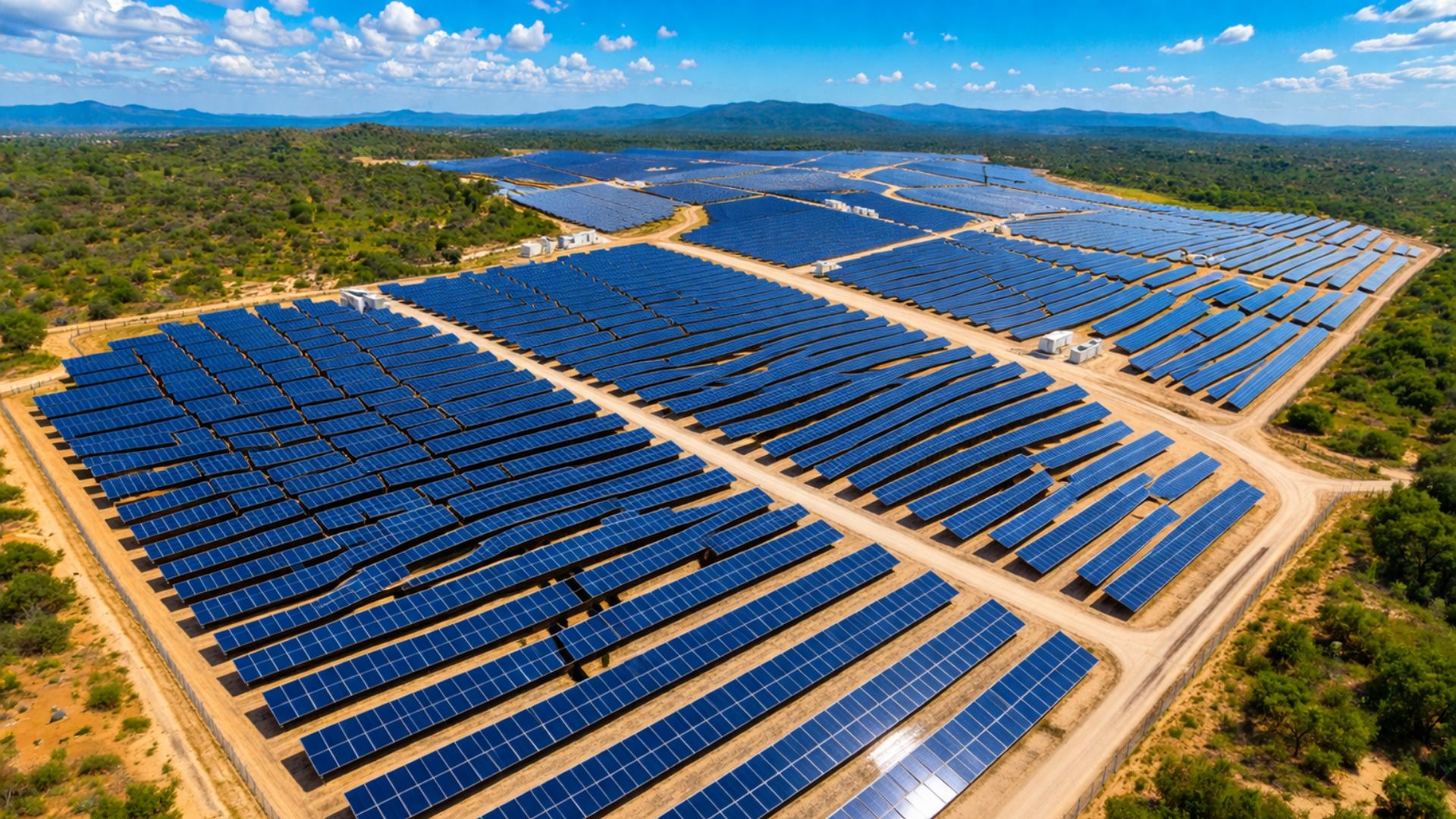
The Sol do Agreste Photovoltaic Complex begins operations in Pernambuco and accelerates the expansion of solar energy in Brazil, directly impacting the reduction of emissions and strengthening the sustainable energy matrix.
-
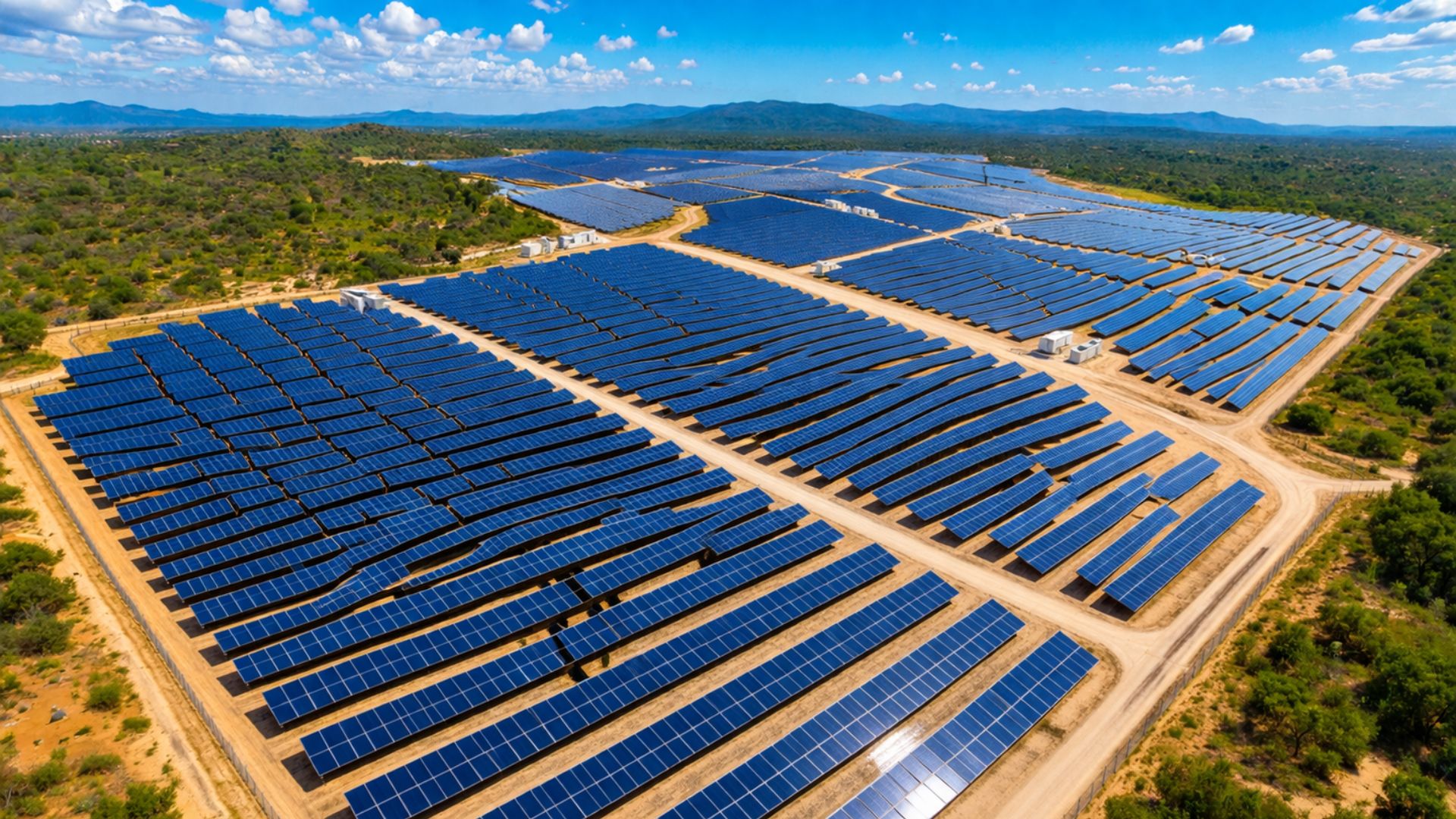
The Sol do Agreste Photovoltaic Complex begins operations in Pernambuco and accelerates the expansion of solar energy in Brazil, directly impacting the reduction of emissions and strengthening the sustainable energy matrix.
-
Roraima bets on the sun to escape high tariffs: Amid the energy crisis and price hikes, solar energy is growing in Roraima and transforming consumption in the North region.

-
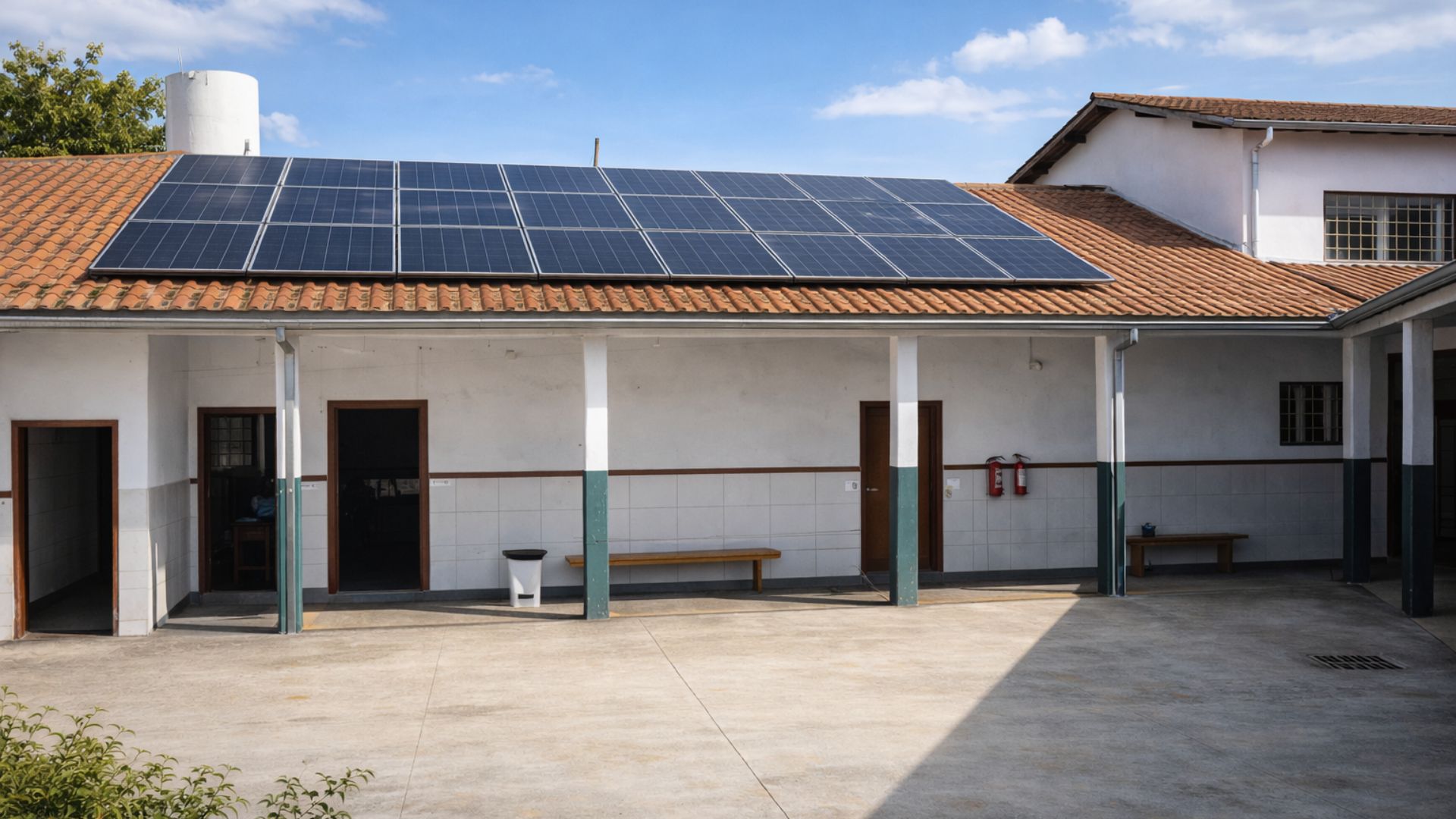
Copel boosts solar energy in Paraná and brings innovation to public schools, promoting savings on electricity bills, energy efficiency, and a direct impact on the quality of education.

Adjustment Surprises by Timing and Signals Structural Adjustment
For Matheus Cerutti, Head of Sales Latam at Astronergy, the first increase drew attention due to the timing of its occurrence. “At the end of last year, there was already an expectation of increase, but the movement happened more quickly than many expected. This first adjustment is already around 10%,” he stated.
According to the executive, the market has not yet fully absorbed this new level. Moreover, there are clear signs that the initial adjustment will not be isolated. “I believe there could still be another increase of around 10% before or shortly after the Chinese New Year. It’s a reading of the scenario, not an absolute certainty, but the signs point in that direction,” he explained.
In Cerutti’s assessment, the sector is undergoing a structural adjustment and not just a one-time movement. The combination of tax changes, industrial reorganization, and rising input costs creates an environment of higher costs for solar panel manufacturers.
End of Tax Incentive May Further Pressure Prices
One of the central factors pointed out by manufacturers is the possible elimination of the VAT (Value-Added Tax) rebate, an incentive granted by the Chinese government for exports. Currently, this benefit is around 9%, after having been reduced from levels near 13% in previous years.
Cerutti warned of the direct impact of this change. “When this incentive is removed by the Chinese government, the impact will be direct. We are talking about an additional 9% increase in price,” he emphasized.
According to the executive, more recent contracts already incorporate automatic adjustment clauses linked to changes in Chinese tax policy. This indicates that the market is anticipating the end of the benefit. “I believe the accumulated increase throughout the year could reach something between 25% and 30% in relation to the prices of Chinese photovoltaic modules practiced until the end of last year,” he concluded.
Supply Chain Undergoing Deep Reorganization in China
Beyond the tax issue, the photovoltaic industry is facing significant changes in its production structure. According to Cerutti, the Chinese government has begun to impose stricter capacity control guidelines, especially in the polysilicon segment.
This policy has contributed to nearly a 50% increase in the price of the input throughout 2025. Polysilicon is one of the main components of the solar chain, and its appreciation directly impacts the final cost of solar panels.
At the same time, manufacturers are shutting down old production lines. Technologies considered outdated, such as PERC, are gradually being replaced by next-generation modules. This process requires high investments and reduces the available supply in the short term, which reinforces the pressure on prices.
Strategic Raw Materials Increase Cost Per Watt
Another important driver of rising costs is the appreciation of essential raw materials. Silver, copper, and aluminum have seen significant increases, affecting the cost per watt of photovoltaic modules.
Silver, in particular, is used in the metallization of solar cells, forming conductive tracks. The rise in the price of the metal has been observed since the end of 2025 and is already directly impacting industrial costs.


Felipe Santos, LATAM Regional Director at Osda Solar, stated that the upward movement did not just begin now. According to him, it is a gradual buildup. “The upward movement in solar panel prices did not start now, but has been building since the end of 2025, driven by a combination of structural and macroeconomic factors,” he explained.
In addition to silver, aluminum is another significant element. “The price of aluminum has skyrocketed, and this directly impacts the cost of the module,” Santos stated, noting that the metal is widely used in the structures of solar panels.
Exchange Rate and Supply Control Reinforce Upward Trend
The exchange rate also plays a role in the equation. The appreciation of the Yuan against the Dollar pressures international prices, as production costs are primarily in local currency. To maintain profitability, manufacturers adjust prices in Dollar.
Santos also highlighted the role of production capacity control imposed by the Chinese government. According to him, reducing oversupply creates a more disciplined pricing environment. “In addition to the measures taken to stabilize the industry and make it healthier, these macroeconomic factors have been strongly impacting module prices since the end of last year,” he concluded.
Prices Still Below Historical Levels
Despite the prospect of significant increases, industry executives remind us that current prices are still far from the levels observed in previous years. Cerutti emphasized that since January 2023, prices have decreased by about 65%, reaching a historic low.
Even with the projected adjustments for 2026, the market is not expected to return to 2022 levels. This factor helps explain why part of the sector views the movement as a necessary correction for the sustainability of the industry.








Seja o primeiro a reagir!