





 Portuguese
  English
  Spanish
  7 min of reading
  0 comments


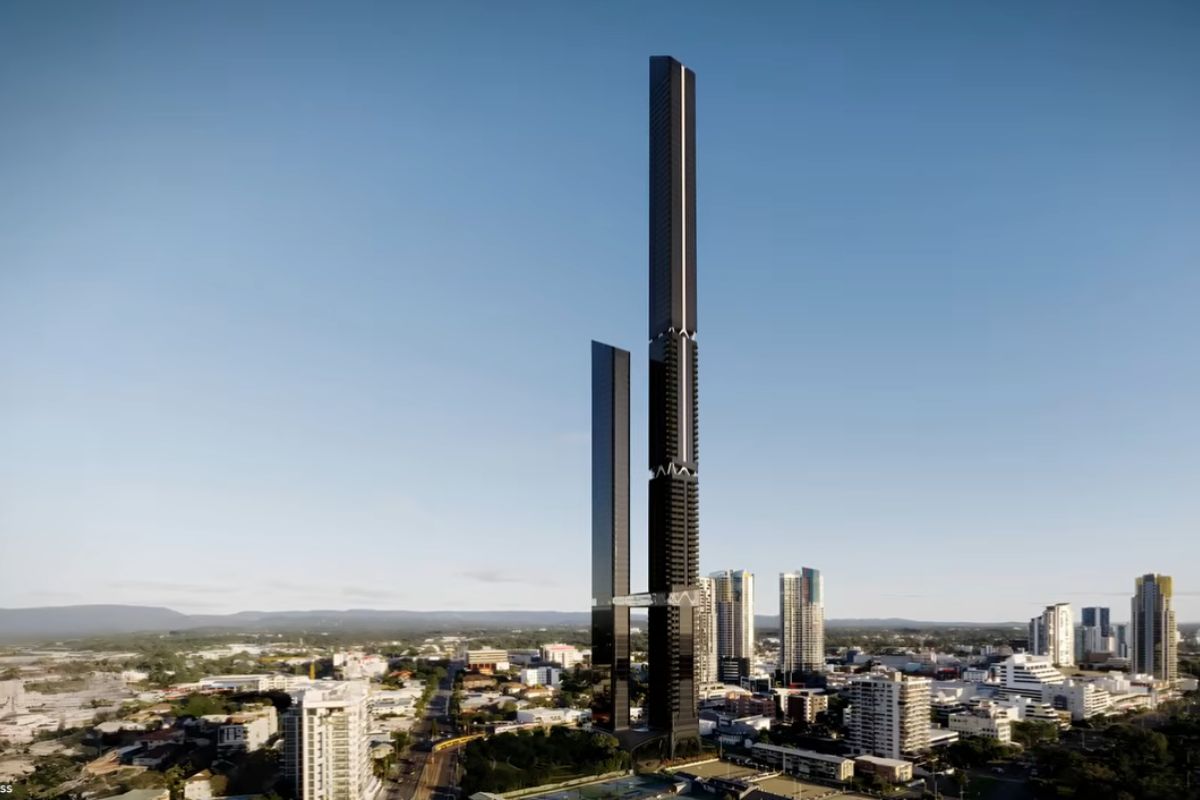
The New Tallest Skyscraper In Australia Has Not Left The Drawing Board, But Sydney, Melbourne, Brisbane And Gold Coast Are Already Competing For Urban Limits, Political Exceptions, And Real Estate Ambition To Surpass The 322 Meters Of The Q1 Tower, Record Holder Since 2005 And Still Untouched After Two Decades Of Absolute Reign In The Country.
The tallest skyscraper in Australia is once again a topic of real competition after two decades in which the Q1 Tower, in the Gold Coast, remained isolated at the top with 322 meters. Now, Sydney, Melbourne, Brisbane, and the Gold Coast itself are re-entering the race with projects, regulatory changes, and urban exceptions that may reopen a record that seemed frozen.
The issue is not merely symbolic. A new skyscraper of this magnitude involves urban space, employment, housing, international prestige, and a city’s ability to push its own physical limits. For years, no competitor has managed to topple the Q1 Tower. But this time, the competition seems less theoretical, though it remains filled with hurdles, financial risks, and execution uncertainties.
How Sydney Lost The Lead And Melbourne Took The Spotlight
For much of the 20th century, Sydney was the Australian reference when it came to skyscrapers. In 1967, the city erected the Australia Square Tower, at 170 meters, the first major vertical landmark in the country.
-
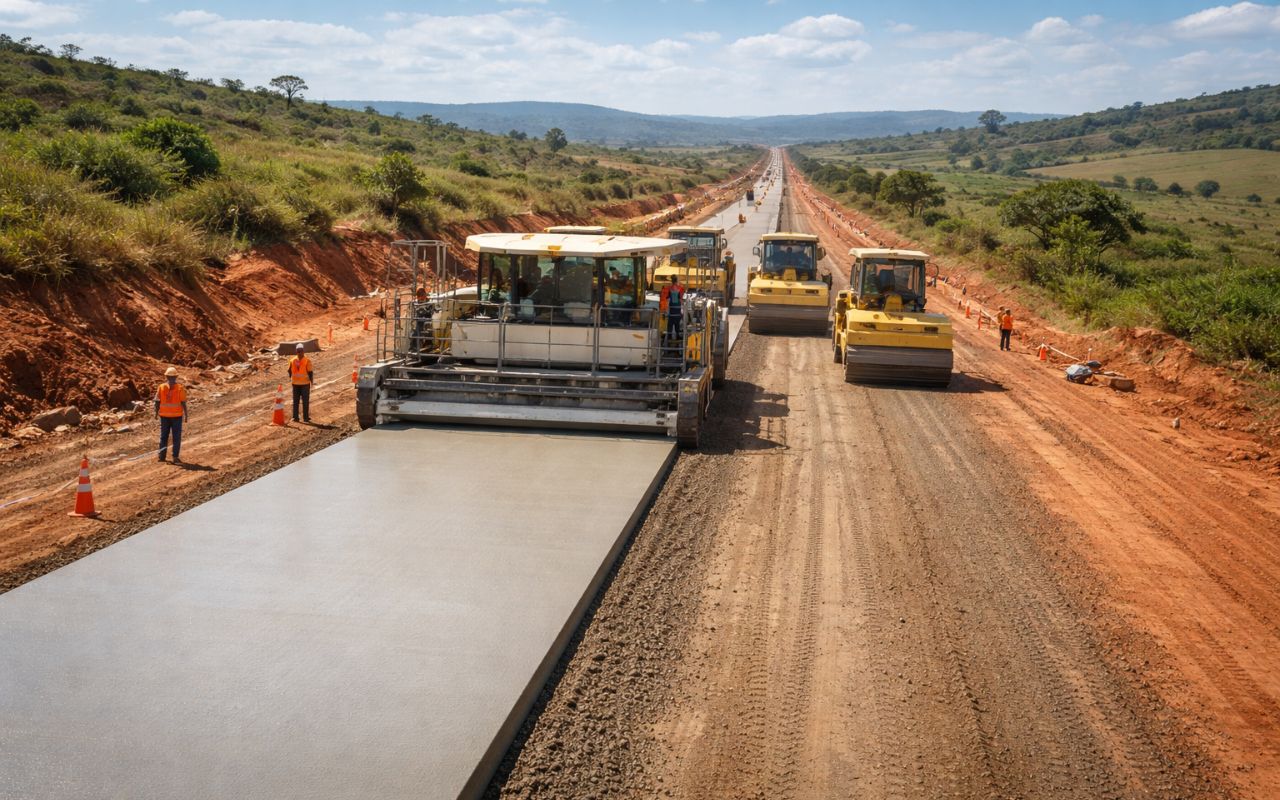
New CCR concrete paving technology promises roads up to 3x more durable, less maintenance, and cost reduction in Brazil.
-
Made from recycled plastic, plastic wood is gaining space in the construction industry because it does not rot, resists moisture, and reduces maintenance costs over the years.

-
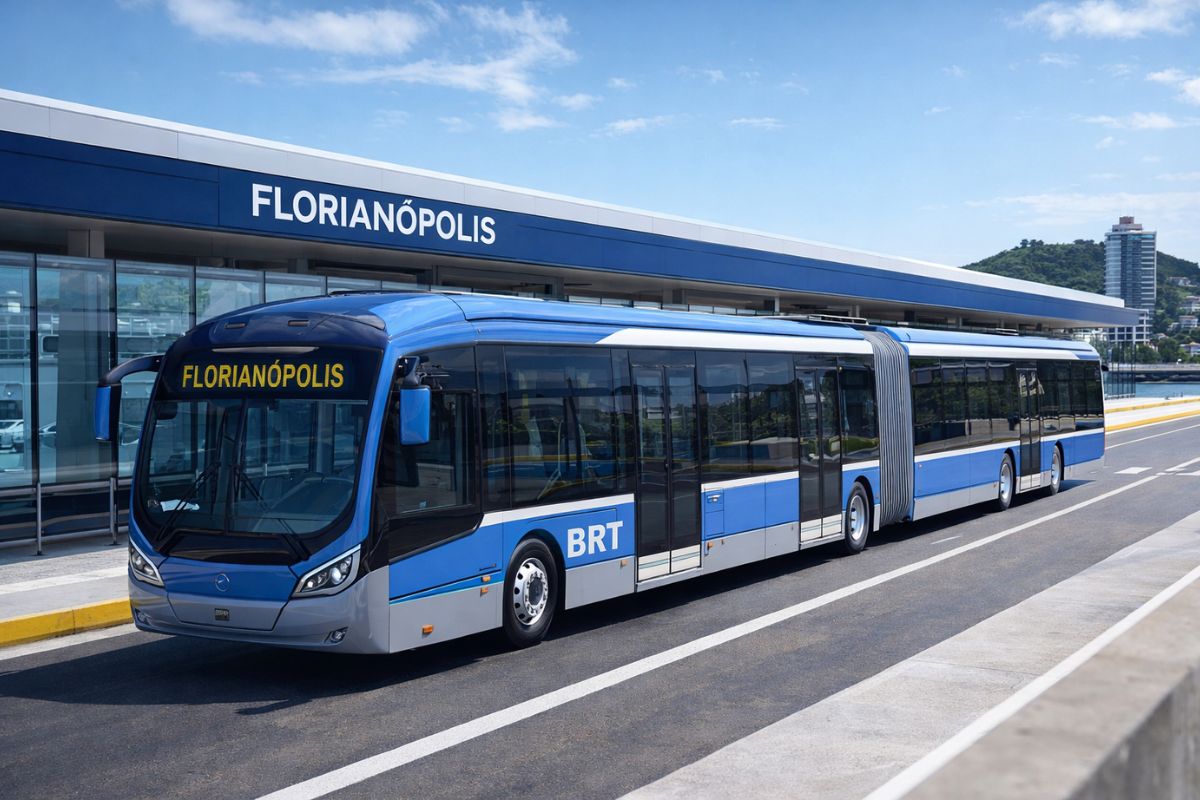
Florianópolis will receive a million-dollar BRT that will begin construction in 2026 with nearly 400 million in funding from the federal government and the Inter-American Development Bank, and the map already shows the routes for the exclusive bus corridors.
-
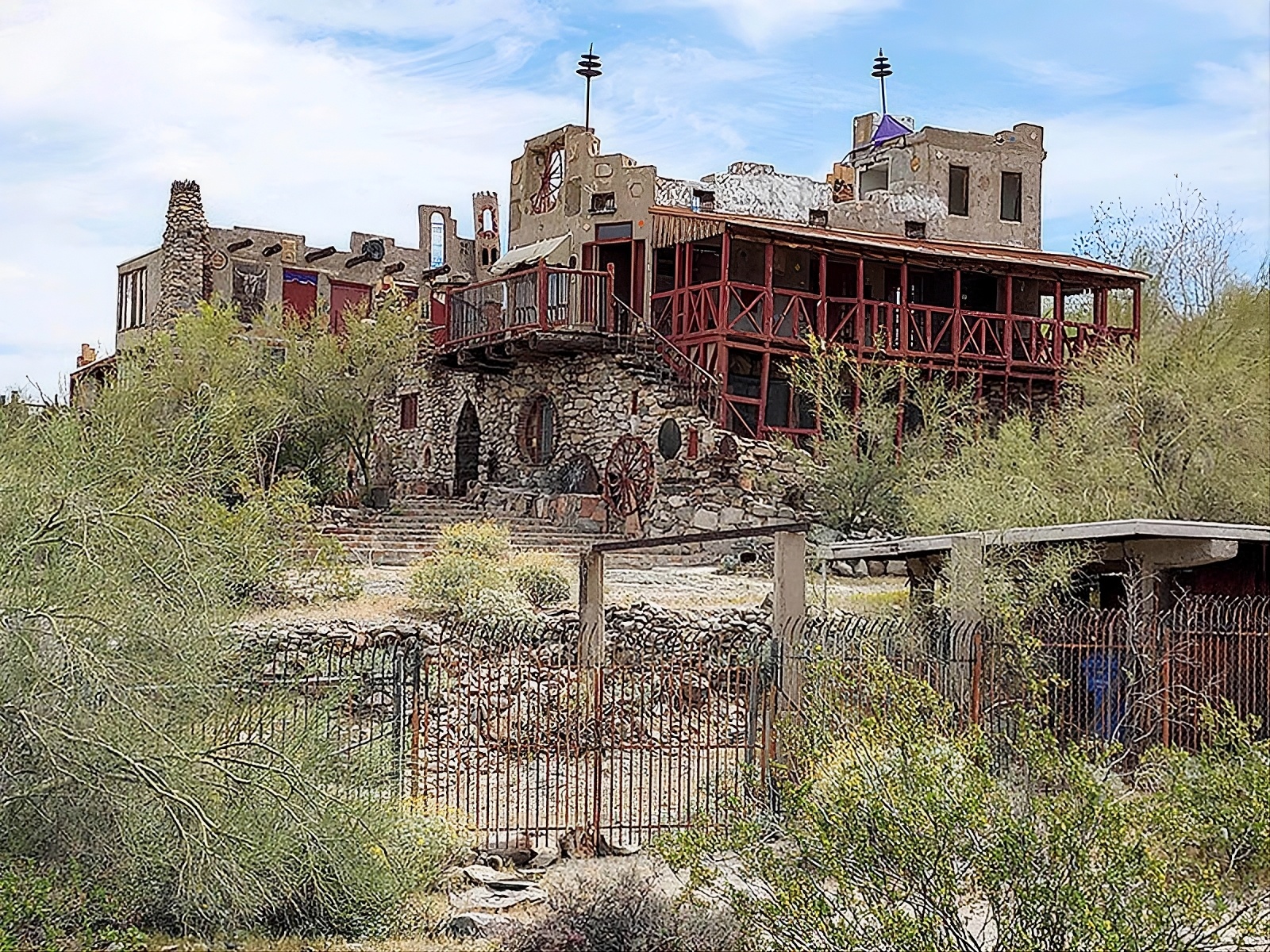
Without a blueprint, without an engineer, and using scrap from the dump, a father spends 15 years building an 18-room castle for his daughter, featuring tram tracks, 13 fireplaces, and over 700 m², which may now be demolished.


In the following decade, it advanced further and surpassed the 200-meter mark for the first time, consolidating its image as the national capital of large buildings and even holding the title of the tallest building in the southern hemisphere for nine years.
This dominance began to crumble in 1986, when Melbourne entered the competition with the Rialto Towers, an office building of 251 meters. From there, the center of gravity of the race shifted.
Shortly afterward, Melbourne itself surpassed the previous mark with 120 Collins Street and held the crown for 14 years.
This was the moment when Sydney’s old leadership ceased to be automatic and the record began to circulate among cities with increasingly ambitious goals.
The most drastic shift, however, came in 2005, when the Gold Coast emerged almost as an unlikely challenger. Smaller and less traditional than Sydney and Melbourne, the city bet on image to project itself nationally.
Thus was born the Q1 Tower, at 322 meters, the first building in Australia to surpass 300 meters and a landmark that reshaped the country’s hierarchy.

The following year, Melbourne responded with the Eureka Tower.
Its roof was slightly taller than that of the Q1 Tower, but the overall measurement of the Gold Coast tower still prevailed due to the spire. Since then, no one has been able to change that outcome.
Australia spent twenty years looking at the same top without being able to displace it.
Why Building So High Became An Urban And Economic Dispute
The race for the next tallest skyscraper in Australia does not exist solely out of vanity. These buildings are seen as tools to maximize land use in areas under significant urban pressure.
The reasoning is simple: on the same land, the more floors, the greater the usable area for offices, housing, and economic activities. This is especially important in cities trying to concentrate jobs, attract investment, and respond to population growth.
The example used in the Australian discussion is direct. A building like 120 Collins Street, in Melbourne, offers 65,000 square meters of office space and supports thousands of jobs.
Meanwhile, the Q1 Tower, in the Gold Coast, is residential and has enough space for 526 apartments. The skyscraper, in this context, is not just a visual trophy, but a way to stack economic and housing density where the land is more valued.
At the same time, these towers create problems. They cast shadows, alter wind circulation, put pressure on flight routes, and require more complex urban rules.
In Australia, these limitations are particularly strong because the regulations are stricter than in markets that accept more extreme heights with greater flexibility.
There is protection for public parks against overshadowing, requirements related to airspace, and urban limits defined on a city-by-city basis.
This point is crucial. The ceiling of the race is not national; it is municipal.
This means that Sydney, Melbourne, Brisbane, and Gold Coast enter the game with different cards. It is not enough to want to build the tallest skyscraper in Australia.
The city must legally accept that height and politically support the exception or change of rule.
Sydney And Brisbane Want To Rise, But Are Confronted With Tougher Limits
Brisbane has grown significantly in the tower market over the past decades, especially after the Gold Coast took the lead with the Q1 Tower.
The city opened the Brisbane Sky Tower, at 270 meters, in 2019, and another building of 260 meters in 2021. Still, neither came close to the national record.
The central issue is regulatory: Brisbane’s height limit is set at 275 meters, and so far, nothing has changed sufficiently to put it in a real contest for the top.

This blockage is linked to the city’s busy airport and the authorities’ concerns over flight routes.
In other words, Brisbane can build close to the limit, but cannot exceed it. This practically takes it out of the race against the Q1 Tower, because a new champion of Australia would need to surpass 322 meters, something simply beyond the current legal reach of the city.
Sydney is in a different situation. For a long time, it too was stuck with a limit similar to Brisbane’s.
The city recently agreed to raise the limit to 330 meters. This move was defended with the idea that taller buildings could generate new jobs and expand the urban potential of the center.
Even with this elevation, Sydney still seems behind the bolder proposals that have emerged elsewhere.
In 2025, it approved some buildings in the range of 300 meters, showing progress, but not necessarily a clear push to take the national record.
Sydney remains relevant in the discussion, but it does not seem to be the favorite on paper, even carrying the historical weight of having been a pioneer in large buildings in Australia.
Melbourne And Gold Coast Are The Cities That Really Threaten The Q1 Tower
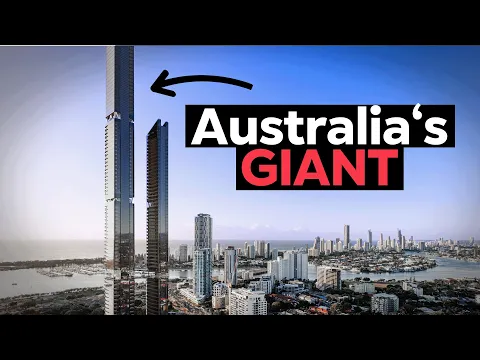
If Brisbane is stuck and Sydney is rising less than it could, the main competition focuses between Melbourne and Gold Coast. In Melbourne, the most aggressive project is the STBNK, also known as the Green Spine, designed for Southbank.
The proposal envisions two towers and reaches a maximum height of 365 meters. This would place the city well above the 322 meters of the Q1 Tower and return Melbourne a record it once held in the past.
The detail is that the official height limit in Melbourne is 315 meters. Still, the city has already shown a willingness to open exceptions when it considers that the project offers exceptional value.
This was precisely what allowed the official approval of the Green Spine in 2020. In other words, Melbourne has not yet won the race, but it has already shown it is willing to relax the rules to try to succeed.
The response from the Gold Coast came at the end of 2025 with the approval of One Park Lane, another two-tower project. The shorter one would be aimed at offices, while the taller would be residential.
The central figure of this plan is what really changes the conversation: 393 meters. If it comes to fruition, One Park Lane not only surpasses the Q1 Tower but also goes beyond the Green Spine in Melbourne.
This puts the Gold Coast in a very strong position.
The city already showed in 2005 that it knows how to use a skyscraper to promote itself nationally, and its height regime is much more flexible than that of Brisbane and more permissive than that of several competitors.
The regulatory loss of Brisbane has turned into a direct advantage for the Gold Coast, which has managed to advance precisely because the airspace and local rules have given it more freedom.
Nothing Guarantees That The Next Record Will Actually Be Built
Despite the appearance of a final showdown between Melbourne and Gold Coast, the race is still far from resolved. The first reason is financial.
The Green Spine has already encountered difficulties, with the company behind the project facing problems and seeking an alternative strategy. This does not mean a definitive cancellation, but it shows that approving a record-breaking skyscraper and actually constructing it are very different things.
The second reason is that Australia’s own history has produced gigantic proposals that never left the drawing board.
The most emblematic case was the Grollo Tower, imagined in Melbourne in the 1990s with estimates between 500 and 678 meters. None of that happened.
Australia knows well the distance between graphic ambition and real concrete, and the supertall market is often exactly where this gap appears.
One Park Lane, from the Gold Coast, is also still too early in its initial phase to be treated as an inevitable winner. The proposal is bold, conceptual, and will require high-level technical execution, market demand, and financial backing.
A skyscraper of 393 meters is not just a larger project. It is an undertaking that needs to function economically for many years in a city that bets a large part of its identity on this vertical gesture.
For this reason, the Australian record remains open but undecided. Today, Melbourne and Gold Coast lead on paper; tomorrow, neither may deliver what they promised.
And if that happens, Sydney or even Brisbane could return to the conversation if they manage to change their limits or approve new leaps. The race remains alive precisely because the top of Australia still depends less on desire and more on execution.









-

-

-

-

11 pessoas reagiram a isso.