





 Portuguese
  English
  Spanish
  5 min of reading
  0 comments


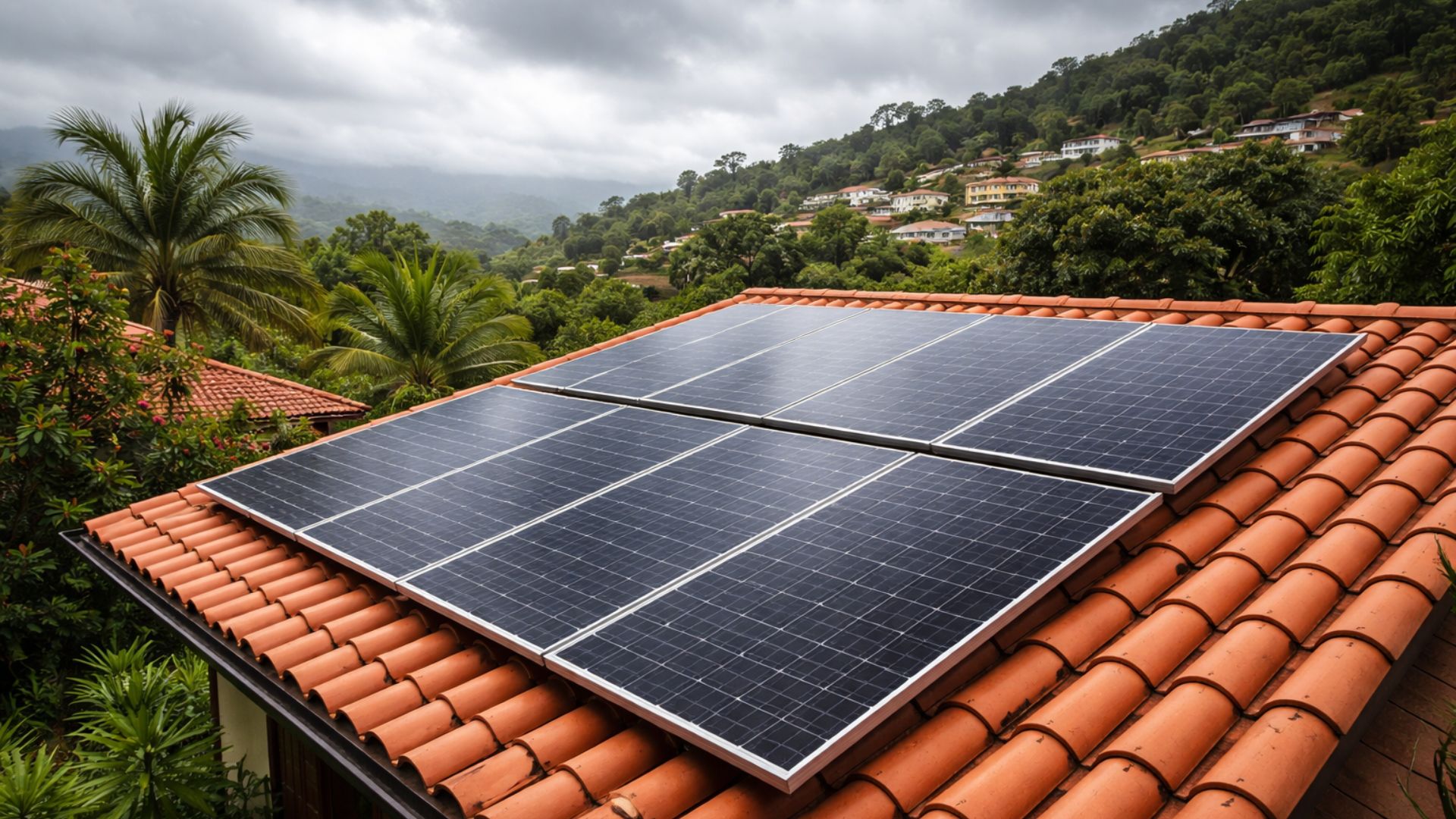
Technological Advances Make Solar Energy Projects Viable Even in Low Irradiation Regions. See How Strategy, Efficient Panels, Storage, and Smart Management Increase Generation and Return.
Solar energy in Brazil is in a phase of consolidation and expansion, but the focus of the sector has changed. If before the main question was where there was enough sunlight, now the central issue is how to make solar energy projects viable in low irradiation regions with technical efficiency and financial return.
This new scenario is driven by advances in efficient panels, bifacial systems, microinverters, batteries, and smart management solutions. Therefore, based on information from Estadão Conteúdo, in this article, we will highlight strategies to generate solar energy in places with low irradiation.
Solar Projects Advance Beyond High Irradiation Areas
According to ABSOLAR, Brazil has already exceeded 60 GW of installed solar capacity, equivalent to about a quarter of the national electric matrix. In distributed generation, there are over 3.7 million systems installed in homes, businesses, and rural properties. In this context, making solar energy projects viable outside of high insolation areas has become essential to sustain sector growth.
-
Roraima bets on the sun to escape high tariffs: Amid the energy crisis and price hikes, solar energy is growing in Roraima and transforming consumption in the North region.
-
Copel boosts solar energy in Paraná and brings innovation to public schools, promoting savings on electricity bills, energy efficiency, and a direct impact on the quality of education.
-
Brazil reaches historic milestone in solar energy: Sector surpasses 2 million accumulated green jobs and generates billions in the national economy even under market pressure.
-
Minas Gerais takes the lead in renewable energy: State surpasses historic mark of 14 GW in solar energy generation in MG and consolidates dominance in the Brazilian electric sector.
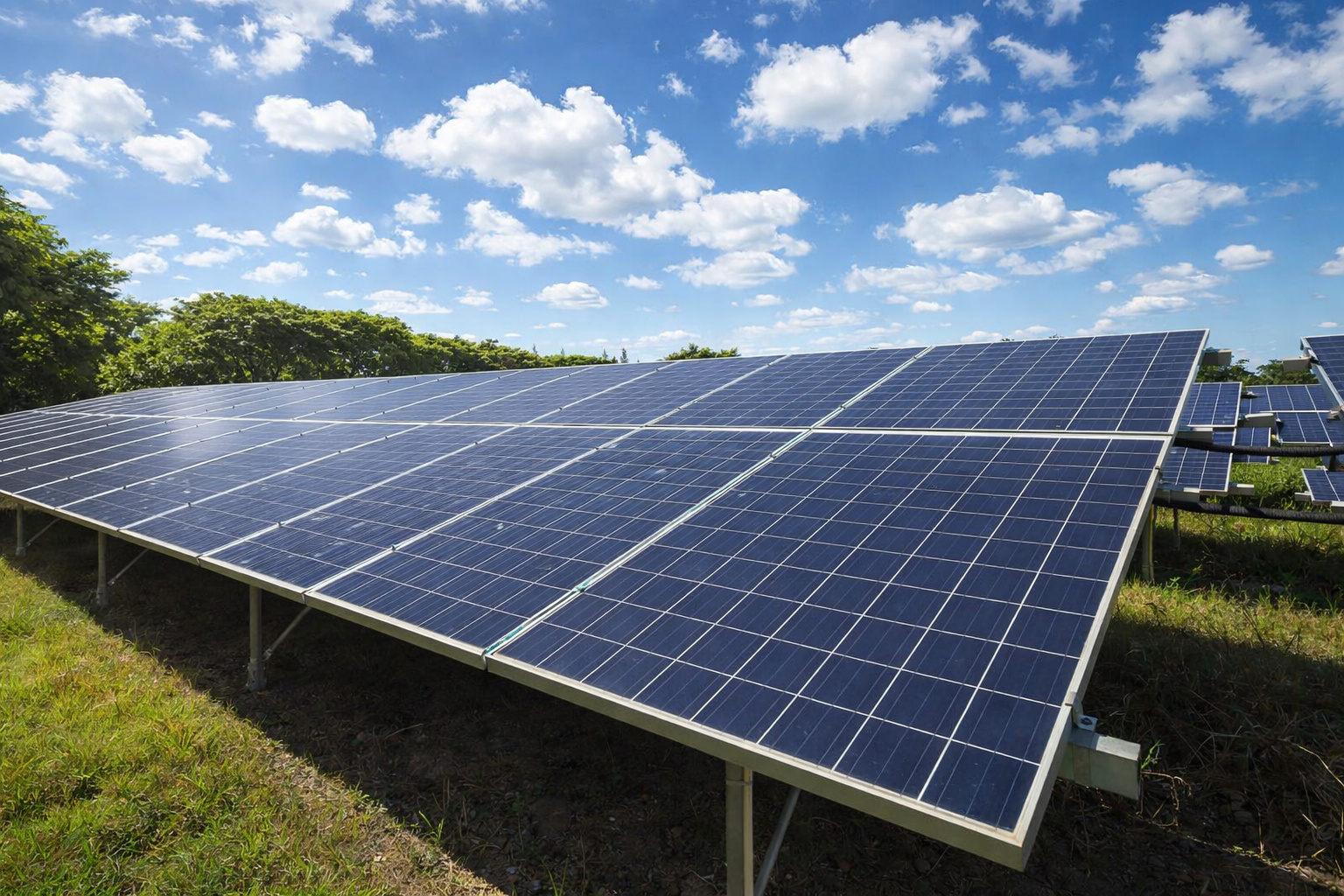

The accelerated growth of solar energy in Brazil is no longer limited to traditionally sunny regions. States in the South, Southeast, and parts of the Midwest, which have greater cloudiness and lower average annual solar incidence, have consistently become part of the photovoltaic generation map.
This movement was only possible because the strategy has shifted from being solely geographical to being technological. In low irradiation regions, every detail of the project directly influences performance. Therefore, solutions that reduce losses, increase efficiency, and enhance the use of available light are crucial for the success of solar energy projects.
Strategy as the Basis for Making Solar Energy Projects Viable
Before choosing equipment, it is essential to define the project’s strategy. This includes analyzing consumption, tariff profile, available space, inclination and orientation of surfaces, as well as local climatic conditions. A well-constructed strategy transforms natural limitations into operational gains.
According to industry experts, low irradiation regions require realistic generation simulations and thorough evaluation of financial returns. However, when the planning is adequate, solar energy projects maintain economic attractiveness and predictability, even in less favorable insolation scenarios.
Efficient Panels Are Decisive in Low Irradiation Regions
The choice of efficient panels is the first technical pillar to make photovoltaic systems viable where the sun shines less. Currently, technologies such as TOPCon and HJT offer greater energy efficiency compared to traditional PERC-type modules.
In low irradiation regions, this difference is even more relevant. Efficient panels can better convert diffuse light, common on cloudy days, and maintain more stable production throughout the year. This means generating more energy in the same area, reducing the need for physical system expansion and improving return on investment.
The most efficient modules facilitate the deployment of solar energy projects on smaller rooftops, common in urban areas, expanding access to distributed generation.
Bifacial Panels Increase Generation in Solar Energy Projects
Another important strategy for low irradiation regions is the use of bifacial panels. These modules capture light from both the front and back, taking advantage of radiation reflected by the ground or nearby light surfaces.
When applied over light-colored roofs, painted slabs, reflective floors, or elevated structures, bifacial panels can increase the total system production. This additional gain, known as the albedo effect, becomes especially valuable in locations with lower direct solar incidence.
In modern solar energy projects, this technology is no longer an exclusive solution for large plants and is now also part of residential and commercial systems.
Microinverters and Optimizers Increase Efficiency in Low Irradiation Regions
In urban or rural environments with partial shading, trees, chimneys, or rooftops with different inclinations, a single panel can compromise the performance of the entire system. Therefore, the use of microinverters and optimizers has become an essential strategy.
These devices allow each panel to operate independently, preventing the performance drop of one module from affecting the others. In low irradiation regions, this independence reduces losses and maximizes available generation, making solar energy projects more efficient and reliable. Microinverters provide individualized monitoring, facilitating maintenance and quick identification of failures.
Batteries and Smart Management Strengthen Solar Projects
The integration of batteries and smart management systems represents a significant advance for solar energy projects in low irradiation regions. Storage allows excess generated during the day to be saved for use at night or during higher tariff periods.
Smart management systems automatically decide when to consume, store, or inject energy into the grid. This combination increases energy autonomy, reduces costs, and protects against fluctuations or drops in supply, especially in places with variable generation throughout the day. With the gradual possible drop in battery costs and the evolution of control software, this strategy is gaining more space in the Brazilian market.
Integration of Technologies Defines the Strategy of Solar Energy Projects
More than just adopting isolated solutions, the differential lies in integration. Successful solar energy projects are those that combine efficient panels, bifacial solutions, advanced power electronics, and smart management, always aligned with the characteristics of the location.
Rodrigo Bourscheidt, CEO of Energy+, a network of renewable energy technology, emphasizes that there is no one-size-fits-all formula. Each low irradiation region requires specific analysis, considering climate, consumption, and economic viability. Still, the principle is clear: the correct strategy transforms less sun into more efficiency.
Low Irradiation Regions Gain Prominence in Solar Energy
With the maturation of the sector, low irradiation regions are no longer seen as limiting factors and begin to represent new opportunities. The expansion of solar energy projects in these areas helps diversify the electric matrix, reduce transmission losses, and increase the country’s energy security. Additionally, it expands access to distributed generation, strengthens the local economy, and accelerates the transition to a cleaner and more sustainable matrix.
Efficiency, Technology, and Strategy Shape the Future of Solar Energy
The recent experience of the Brazilian market shows that making solar energy projects viable in low irradiation regions is a concrete reality. The combination of efficient panels, bifacial systems, microinverters, batteries, and smart management redefines the boundaries of photovoltaic generation.
More than the quantity of sunlight, what determines success today is the quality of the project. With strategy, innovation, and planning, even regions with lower irradiation can achieve high efficiency, financial return, and energy sustainability, consolidating solar energy as a pillar of Brazil’s electric future.








Seja o primeiro a reagir!