





 Portuguese
  English
  Spanish
  3 min of reading
  0 comments


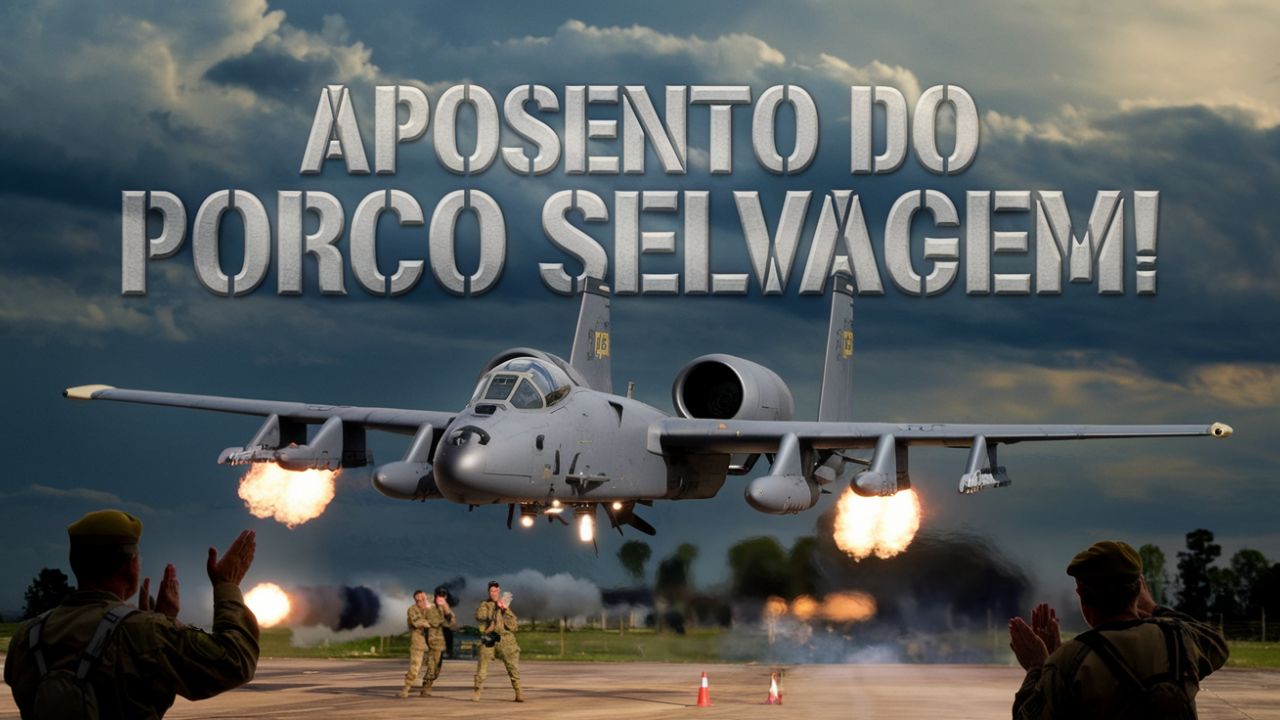
Able to Withstand Gunfire, Destroy Armored Targets, and Save Thousands of Lives, the A-10 Warthog is the Master of Close Air Support — But Faces Institutional Rejection in Favor of More Expensive and Less Effective Options.
When we talk about fighter planes, the image that usually comes to mind involves speed, futuristic design, and cutting-edge technology. However, the A-10 Warthog is living proof that sometimes, simplicity and efficiency outweigh sophistication and cost. It is not just a plane; it is a lifesaver on the battlefield.
The History and Purpose of the A-10 Warthog
The A-10 Thunderbolt II, affectionately nicknamed “Warthog,” was born during the Cold War in response to the need for a robust aircraft for close air support. It was designed to withstand damage and continue operating, providing protection to ground troops.
The A-10 is unique. Equipped with the GAU-8 Avenger gun, it can destroy armored targets with lethal precision. Its ability to fly low and slow ensures that ground troops have the coverage they need, something that modern planes like the F-35 simply cannot replicate.
-
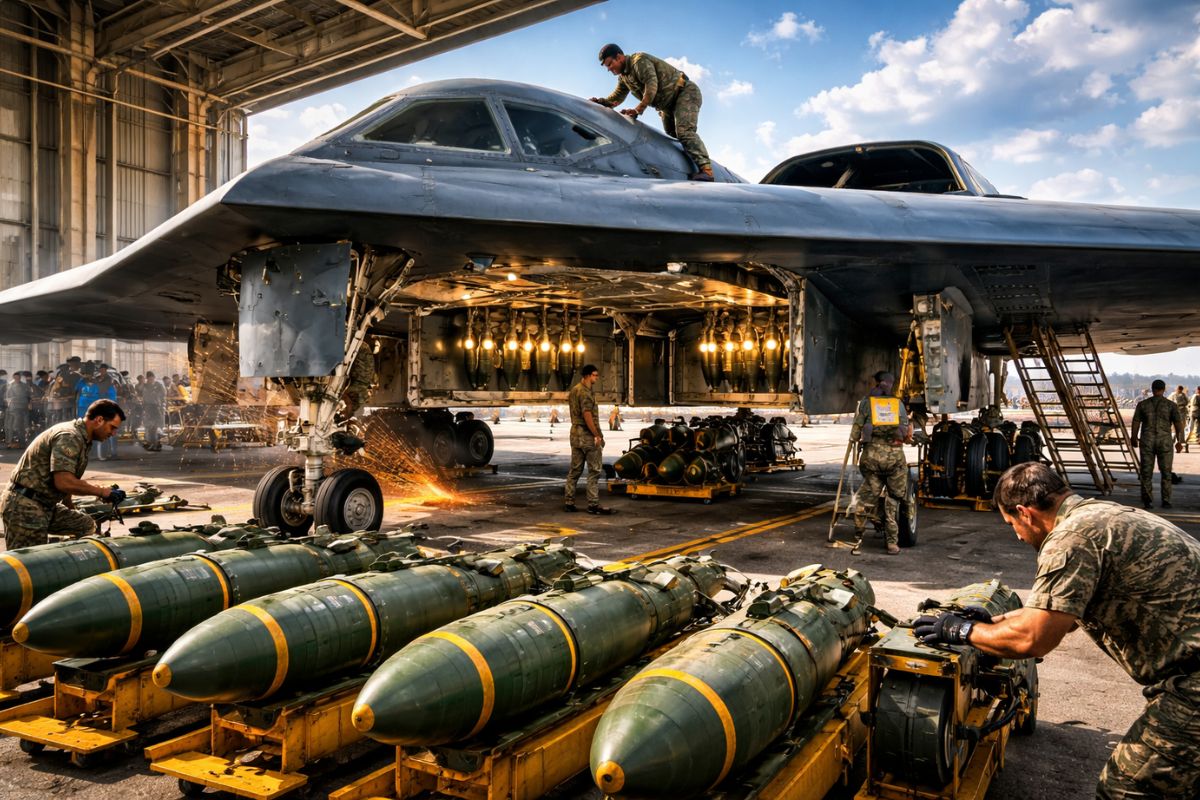
Valued at over $2 billion, the B-2 Spirit bomber requires meticulous inspection, bombs calibrated in a controlled environment, and extreme preparation to disappear from radar and launch attacks with lethal precision.
-
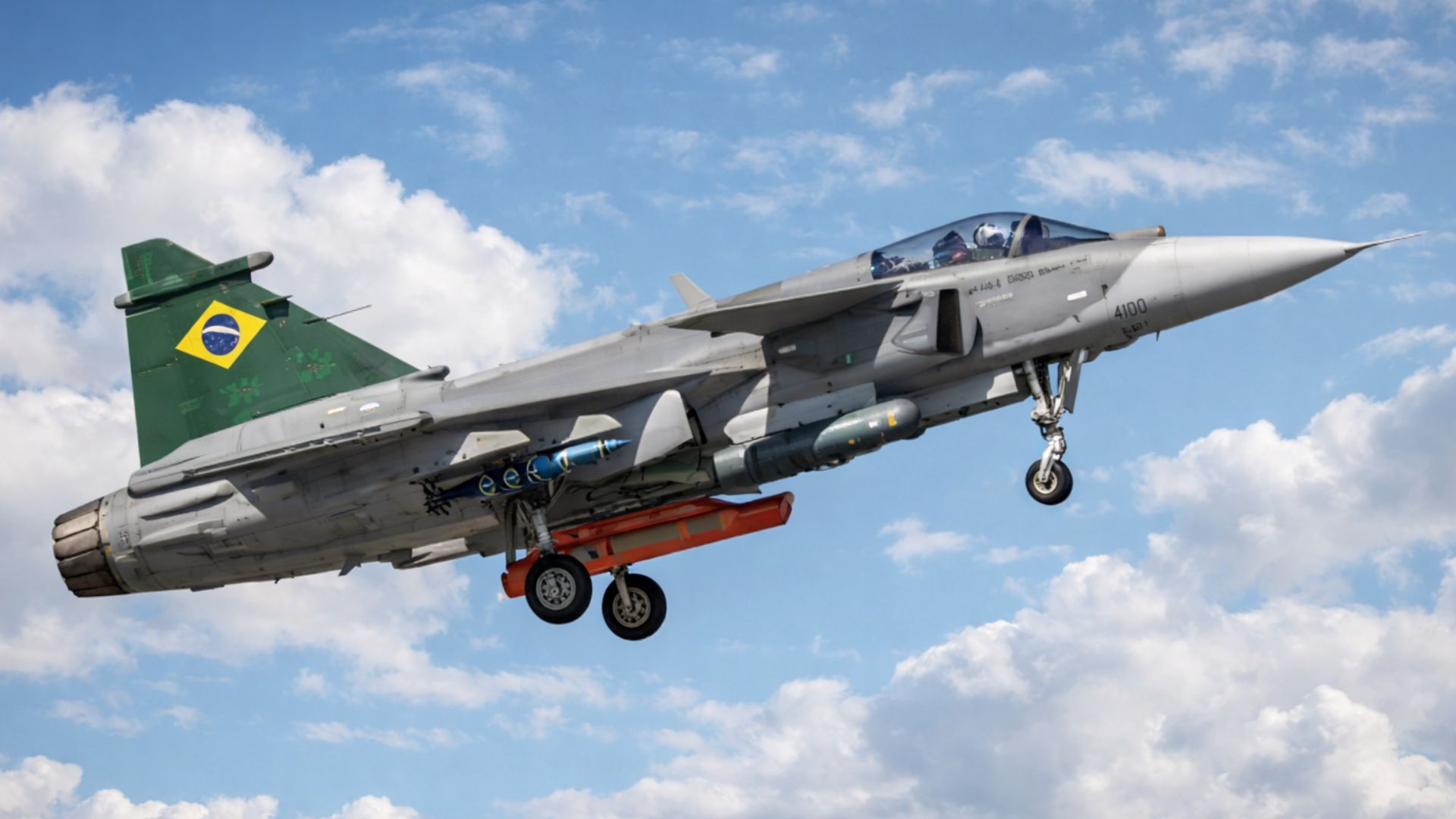
Brazil presents the first national F-39 Gripen fighter and redefines air defense with technological advancement, job creation, and strengthening of the defense industry on the global stage.
-
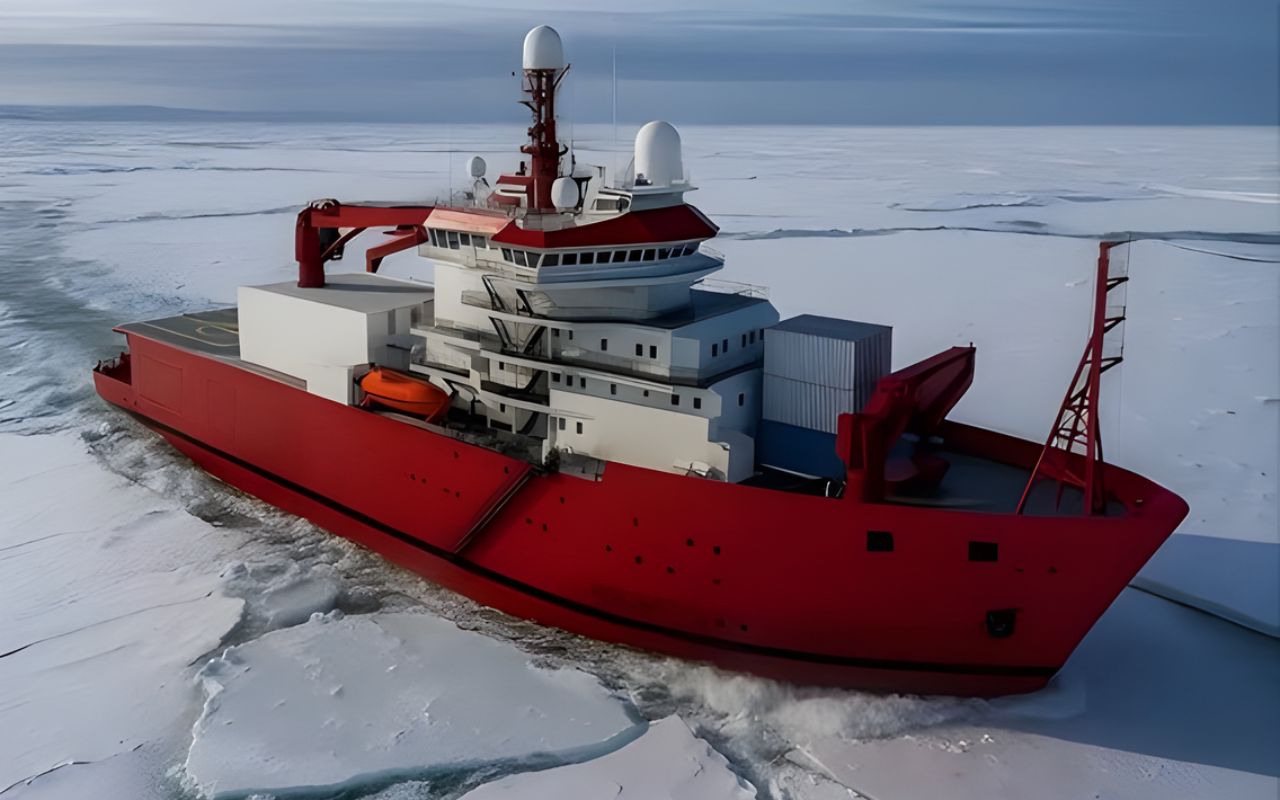
The construction of the Polar Ship Almirante Saldanha is progressing ahead of schedule and strengthens Brazil’s presence in Antarctica; the vessel will be 93 meters long, have a two-month autonomy, and technology to face ice.
-
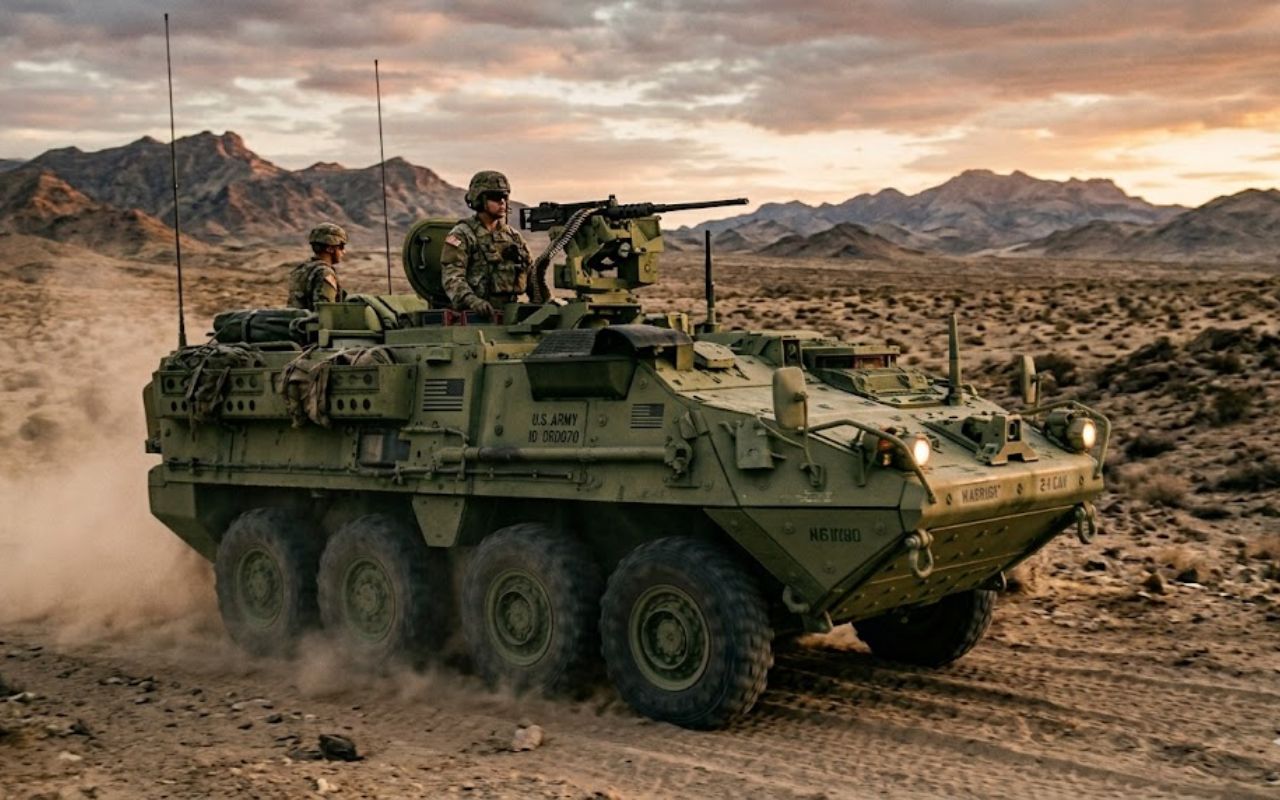
The United States Army has an armored vehicle that reaches speeds of up to 100 km/h, capable of operating normally on different types of terrain and also on asphalt without causing damage; equipped with a 350 hp engine, it can transport up to 9 soldiers — meet the Stryker.
Why the A-10 is Superior in Combat

If the A-10 were an animal, it would be a rhinoceros: tough, powerful, and ready for battle. It is equipped with armor that protects the pilot and essential systems, allowing it to keep flying even after being hit.
While the F-35 shines in high-tech missions, it falls short in terms of cost-effectiveness and CAS effectiveness. The A-10 is irreplaceable in its role: protecting troops in critical situations, where seconds can mean the difference between life and death.
Institutional Rejection of the A-10
The Pentagon invests billions in the F-35, but this preference often overlooks the proven effectiveness of the A-10. The high cost and complexity of the F-35 make it less practical in close ground combat scenarios.
Political decisions carry huge weight. The insistence on retiring the A-10 in favor of more expensive alternatives could lead to unnecessary losses on the battlefield.
The Relevance of the A-10 in Current and Future Conflicts
Imagine if retired A-10s had been sent to Ukraine. Their impact on the battlefield could have been decisive. Unfortunately, institutional hesitation prevented this from happening.
Future conflicts require practical solutions. The A-10, with its ability to adapt to different scenarios, is a safe bet to ensure the success of critical missions.
The A-10 Warthog is not just a plane; it is a hero of the skies. Its importance goes beyond design or status. It saves lives. Ignoring its value is a mistake that could be costly. The “Warthog” deserves its prominent place, not just in aviation history but in the skies of future battles. After all, sometimes, the simplest is exactly what we need.








Seja o primeiro a reagir!