





 Português
  Inglês
  Espanhol
  5 min de leitura
  0 comentários



Discover How AXS Energy Advances the Energy Transition with Subscription Solar Energy and Expands Access to Clean Energy with New Investment of R$ 550 Million.
In recent years, the world has witnessed a transformation in the energy sector, especially with the advancement of renewable sources.
In this context, subscription solar energy has gained increasing traction as an accessible, practical, and sustainable solution.
In Brazil, AXS Energy has established itself as one of the leading companies in this segment.
-
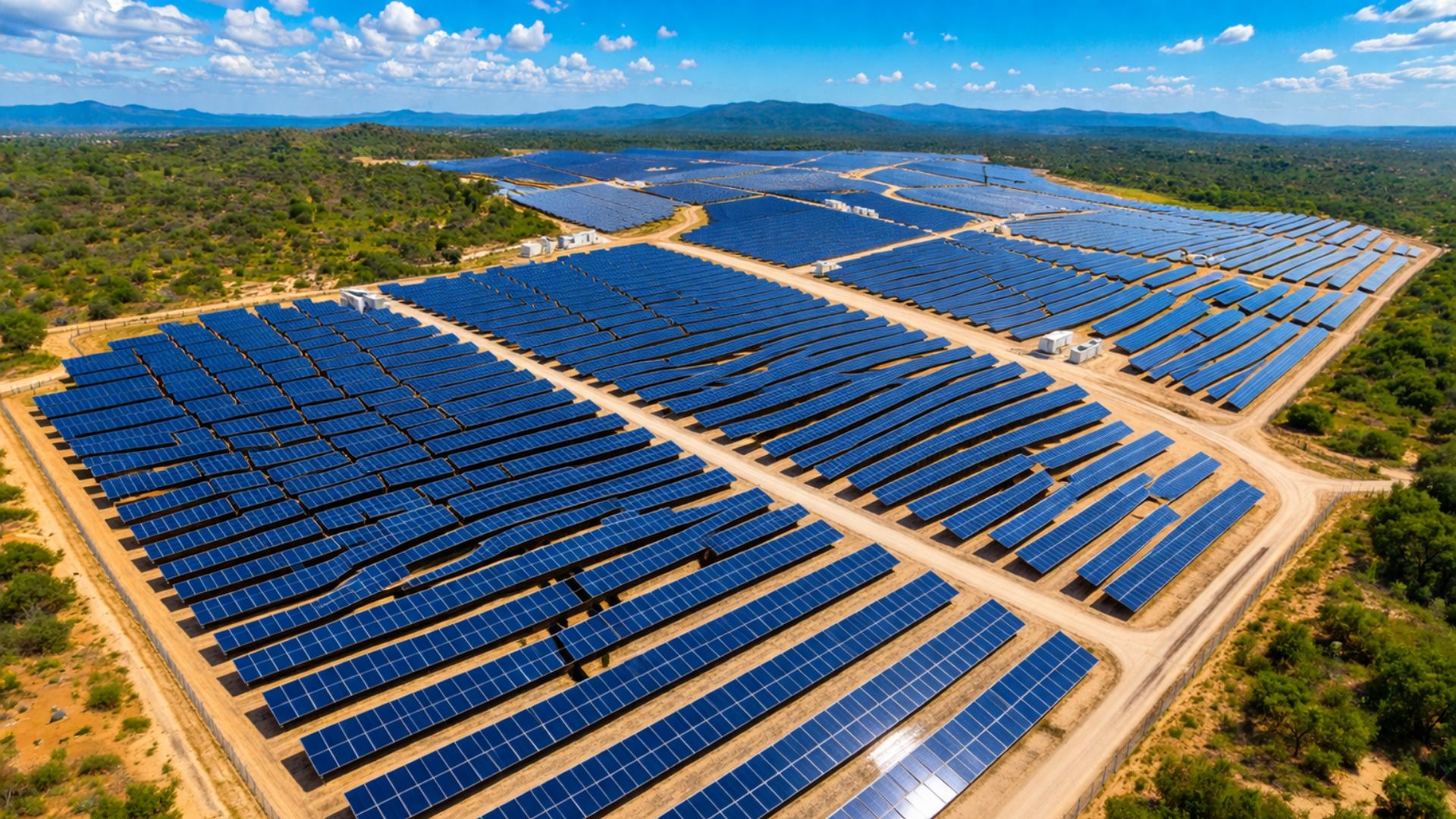
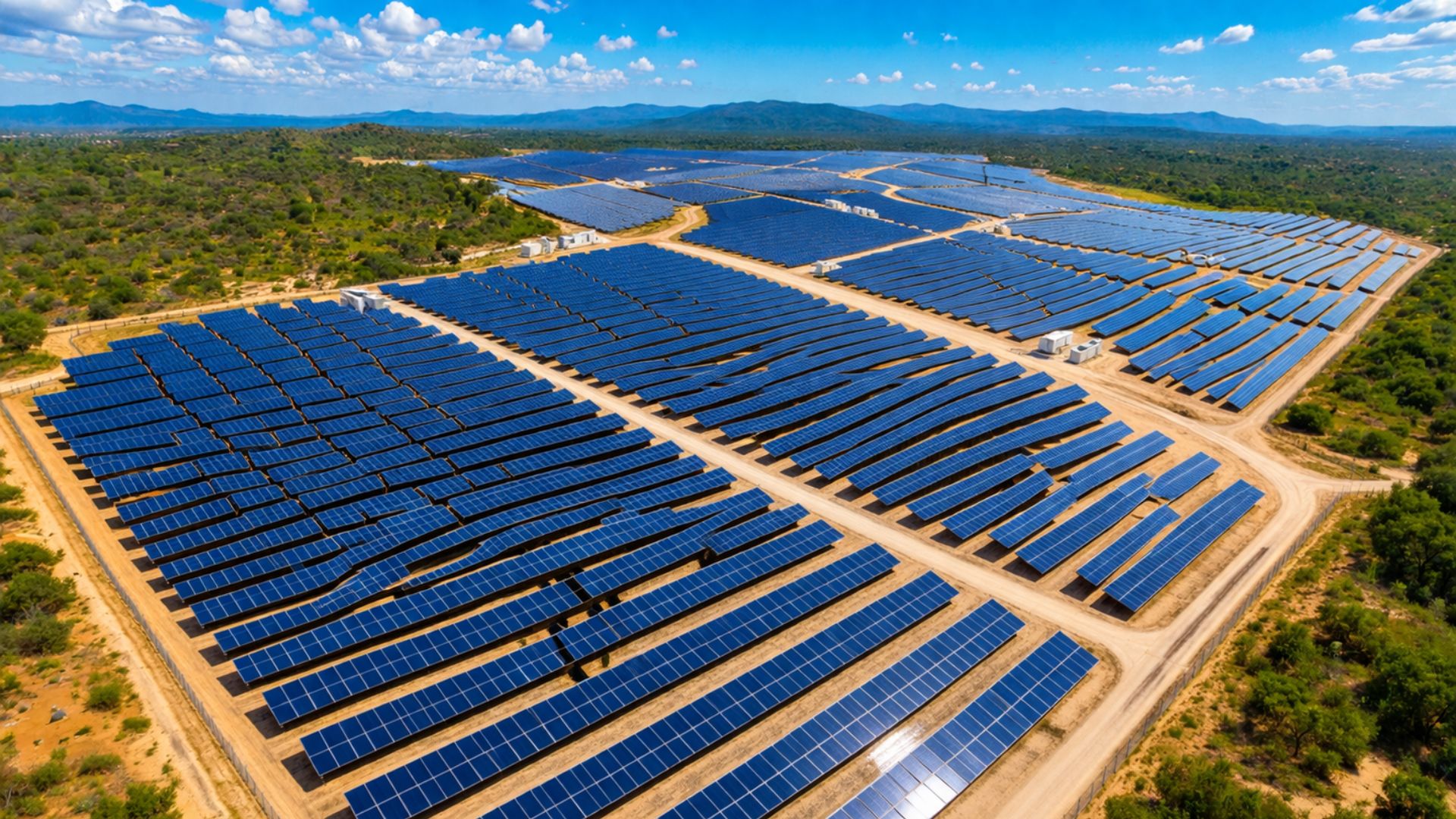
The Sol do Agreste Photovoltaic Complex begins operations in Pernambuco and accelerates the expansion of solar energy in Brazil, directly impacting the reduction of emissions and strengthening the sustainable energy matrix.
-
The Sol do Agreste Photovoltaic Complex begins operations in Pernambuco and accelerates the expansion of solar energy in Brazil, directly impacting the reduction of emissions and strengthening the sustainable energy matrix.
-
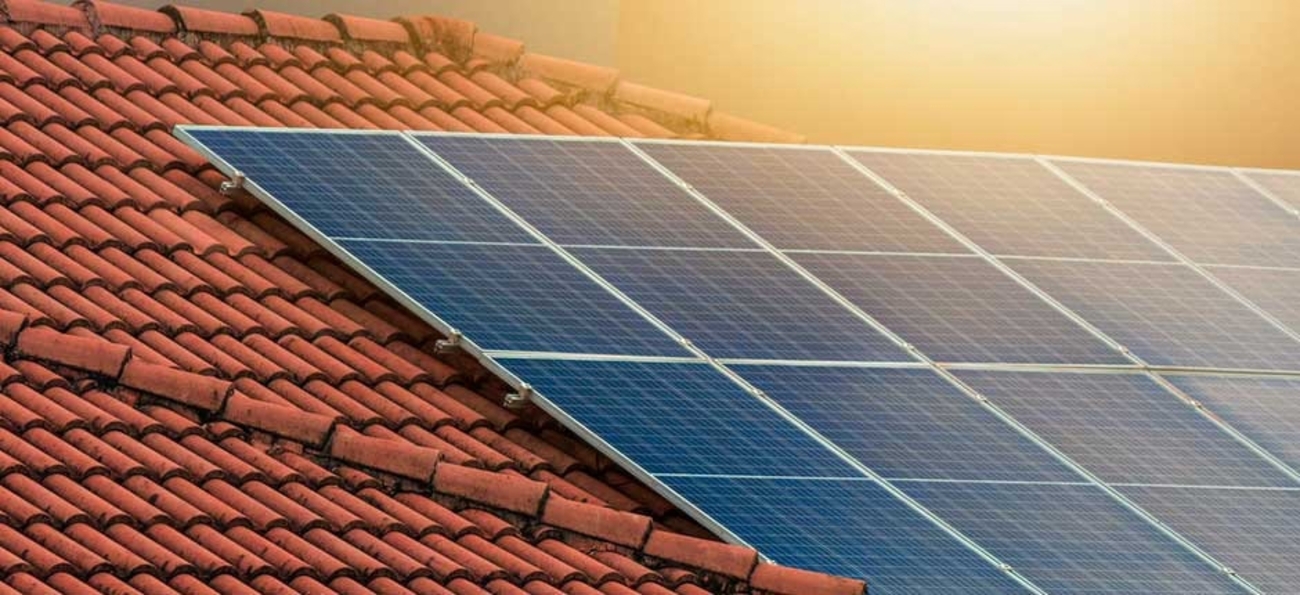
Roraima bets on the sun to escape high tariffs: Amid the energy crisis and price hikes, solar energy is growing in Roraima and transforming consumption in the North region.
-
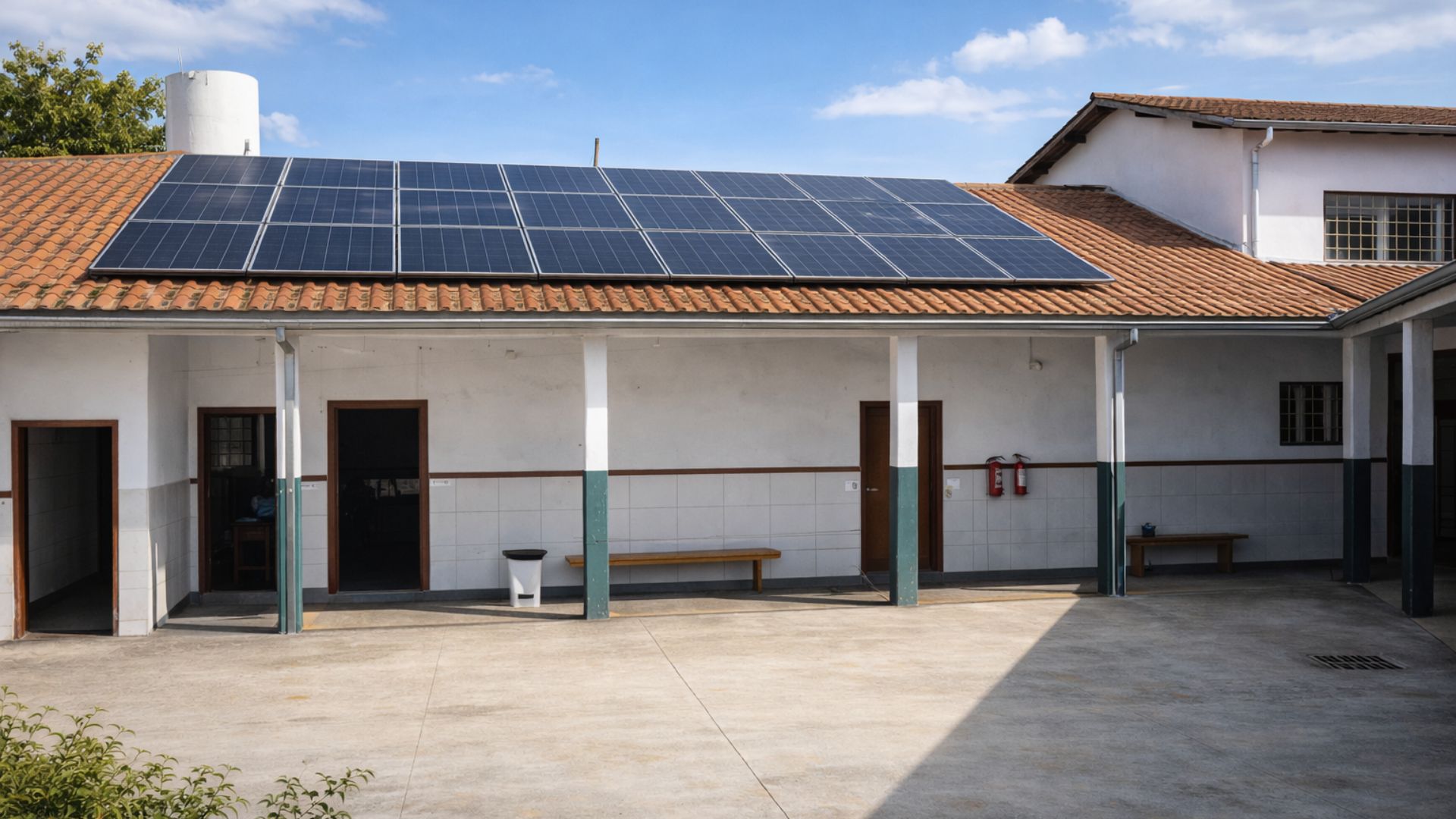
Copel boosts solar energy in Paraná and brings innovation to public schools, promoting savings on electricity bills, energy efficiency, and a direct impact on the quality of education.
Recently, it announced the raising of R$ 550 million, reinforcing market confidence in this model of clean energy supply.
Since 2020, when it was founded, AXS Energy has focused on shared distributed generation.
Therefore, this format allows consumers to use solar energy without needing to install photovoltaic panels in their homes or businesses.
Instead, they subscribe to production quotas from remote solar plants and receive credits on their electricity bill through a compensation system.
Thus, the subscription solar energy model offers a viable alternative for those who wish to save and contribute to the environment.
As a result, AXS Energy attracted the manager AZ Quest Infra, which led the new investment through funds from professional investors.
Therefore, the company will use the resources to expand its operations, strengthen its capital structure, and build new solar plants.
With this investment, the total amount received by the company in the last four years exceeds R$ 1 billion — a direct reflection of its consistent growth strategy.
The Growth of Solar Energy and Its Historical Context
To understand AXS’s success, it is important to observe the historical evolution of solar energy.
Since the oil crisis in the 1970s, the world has intensified efforts for cleaner energy alternatives.
Consequently, sources like solar and wind began to be studied more seriously.
However, for a long time, high costs made solar energy inaccessible to most of the population.
Over time, technological advancements changed this scenario.
After all, solar panels became cheaper and more efficient. Furthermore, public policies emerged to encourage the adoption of renewable energy.
In Brazil, the creation of Regulatory Resolution No. 482 in 2012 was an important milestone.
Thanks to it, consumers were able to start generating their own energy and injecting the excess into the electrical grid, receiving credits in return.
From there, new solutions began to emerge. In this context, companies like AXS developed alternative models, such as subscription solar energy.
In addition to democratizing access, this format also decentralizes energy production, making the electrical system more efficient, secure, and balanced.
How Subscription Solar Energy Works
Practically, the subscription solar energy model eliminates the need for initial investment from the customer.
Thus, AXS primarily attracts small businesses and households, which represent a significant portion of national consumption but cannot afford to install their own solar panels.
In addition, the model offers savings, predictability in expenses and helps reduce carbon emissions.
As part of the Roca group, which has been involved with solar energy since 2011, AXS has the experience and structure to scale rapidly.
As a result, the company has grown quickly and solidly.
Today, the company operates 54 plants in states like Minas Gerais, São Paulo, Paraná, Goiás, and Mato Grosso. All of them connect to the national electrical system.
Thus, they distribute clean energy to consumers, who can monitor everything digitally and effortlessly.
Moreover, AXS makes it easy to subscribe to the service: the customer chooses the quota according to their consumption, signs online, and starts saving on their electricity bill.
There are no installation costs, loyalty commitments, or bureaucracy, making the process even more attractive.
Future Prospects and Innovation
Looking ahead, AXS has already announced it plans to invest R$ 1.8 billion by 2027.
The goal, in addition to expanding its generation capacity, is to incorporate technologies such as energy storage in batteries.
This will allow for greater stability in supply, even during demand fluctuations.
In addition to planning for the future, AXS also inspires other companies by adopting a sustainable and inclusive model.
As CEO Rodolfo Pinto stated, the company’s mission is to give everyone the opportunity to participate in the energy transition.
In other words, AXS’s model is not just about business: it is a project with social and environmental impact.
On the other hand, the world increasingly demands clean sources. In this sense, the energy transition — which replaces fossil sources with renewables — has become essential.
This way, initiatives like AXS accelerate this process and show that it can be viable, economical, and accessible.
Therefore, by simplifying access to clean energy, companies like AXS create connections between technology, consumption, and environmental awareness.
In doing so, they promote a true cultural shift and encourage sustainable practices.
The Importance of Digital Access and the Market Potential
Another crucial factor for AXS’s success is its fully digital operation. From the start, the company has relied on technology as a tool to facilitate access to solar energy.
Thus, the entire process — from contracting to tracking credits — happens online and intuitively.
Meanwhile, consumer behavior is changing. Today, people want more autonomy, practicality, and clarity about the services they contract.
At this point, the subscription solar energy model fits perfectly with new demands.
Brazil, due to its geographical location, has one of the highest solar incidences in the world.
Despite this, solar energy’s share remains small in the national electric matrix. With models like AXS, this scenario is likely to change quickly.
Additionally, the constant increase in energy tariffs pressures consumers.
For this reason, economical alternatives like subscription solar become even more relevant. By offering predictability and savings, this model becomes an increasingly strategic choice.
An Intelligent and Sustainable Model
In this context, subscription solar energy presents itself as an efficient, modern, and sustainable solution.
It allows anyone to contribute to the environment, save on their electricity bill, and be part of a new energy cycle.
Based on innovation, technology, and responsibility, AXS Energy shows that it is possible to transform the Brazilian electric sector.
Each installed plant, each served customer, each subscribed quota represents a concrete step towards a cleaner and more accessible future.
Therefore, choosing subscription solar energy is not just an economic decision — it is also a choice of awareness and impact.
While reducing costs, consumers actively participate in building a more just, intelligent, and sustainable matrix.









Seja o primeiro a reagir!