





 English
  Francês
  Alemão
  Italiano
  Japonês
  Norueguês
  Portuguese
  Spanish
  3 min of reading


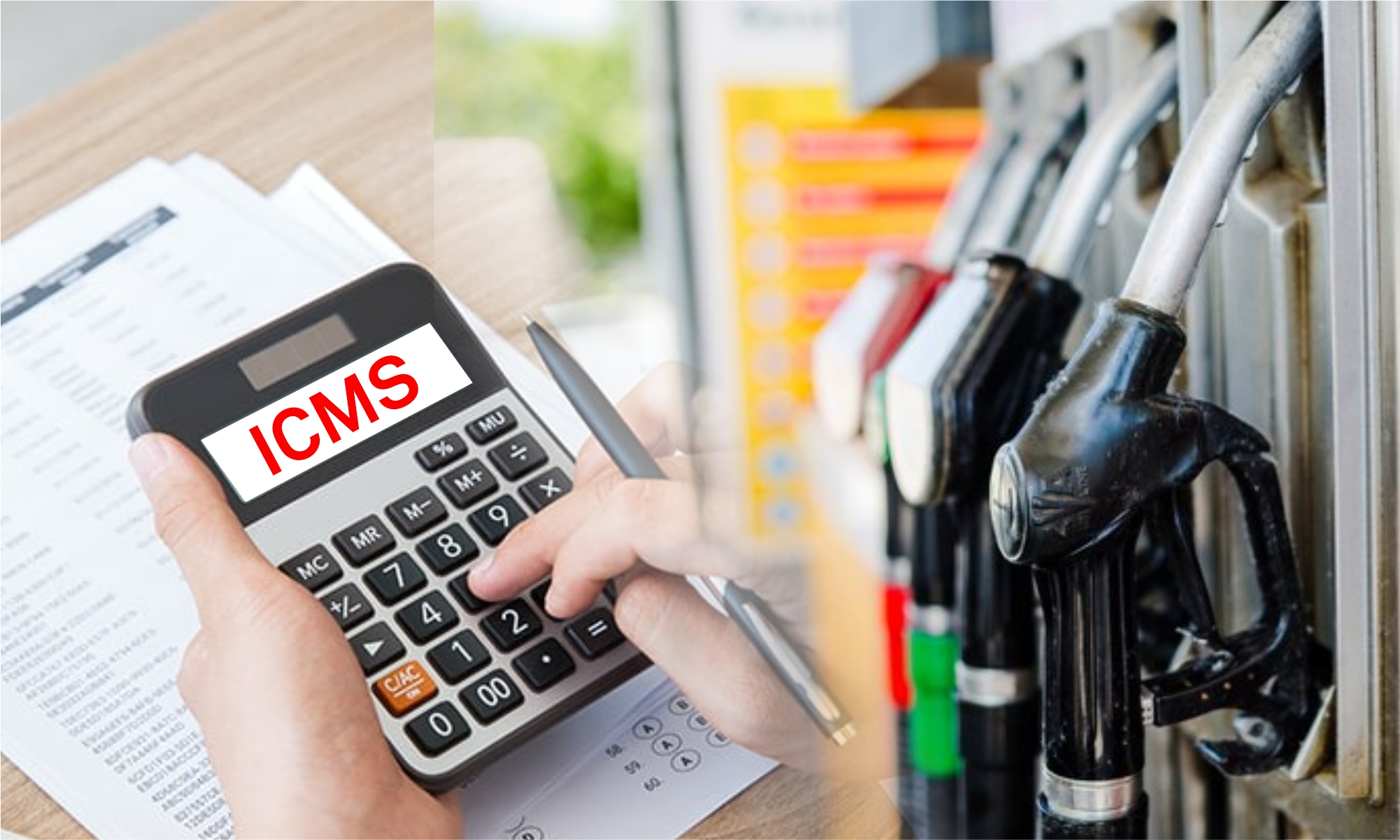
Understand Why, Even with the Reduction of ICMS on Fuel Prices, Diesel Prices Remain High. ANP Reports Show a 22% Reduction in Gasoline Prices Last Month and 23% for Ethanol Since April. However, Diesel Has Only Fallen by 1.9%.
On this past Sunday (07/31), data from the survey on the reduction of ICMS from the National Agency of Petroleum, Natural Gas and Biofuels (ANP) shows that gas stations have been slowly reducing the prices of gasoline and ethanol for over a month. However, the exception is diesel, which remains almost stable, with only slight drops.
ICMS Reductions Ensure Lower Fuel Prices, but Diesel Prices Only Show Slight Drops
In this sense, it is clear to highlight that the reduction in diesel since the week of June 25 has been only 1.9%, which means R$ 0.15 per liter in nominal terms. The product decreased from R$ 7.57 to R$ 7.42 during this period, causing diesel to remain almost stable. Meanwhile, gasoline dropped from R$ 7.39 to R$ 5.74, a cut of about 22.3%. Additionally, ethanol has also seen declines for almost 13 weeks, achieving a reduction of 23.8% in prices.
Furthermore, another surprise to confuse consumers was announced. Petrobras informed of two more gasoline price reductions for refineries this month, but in both cases, diesel was excluded from the adjustments. Thus, some specialists explain that diesel has particularities in relation to others that prevent price reductions, both in Brazil and abroad. These issues range from consumption habits to supply complications caused by the war in Ukraine.
-
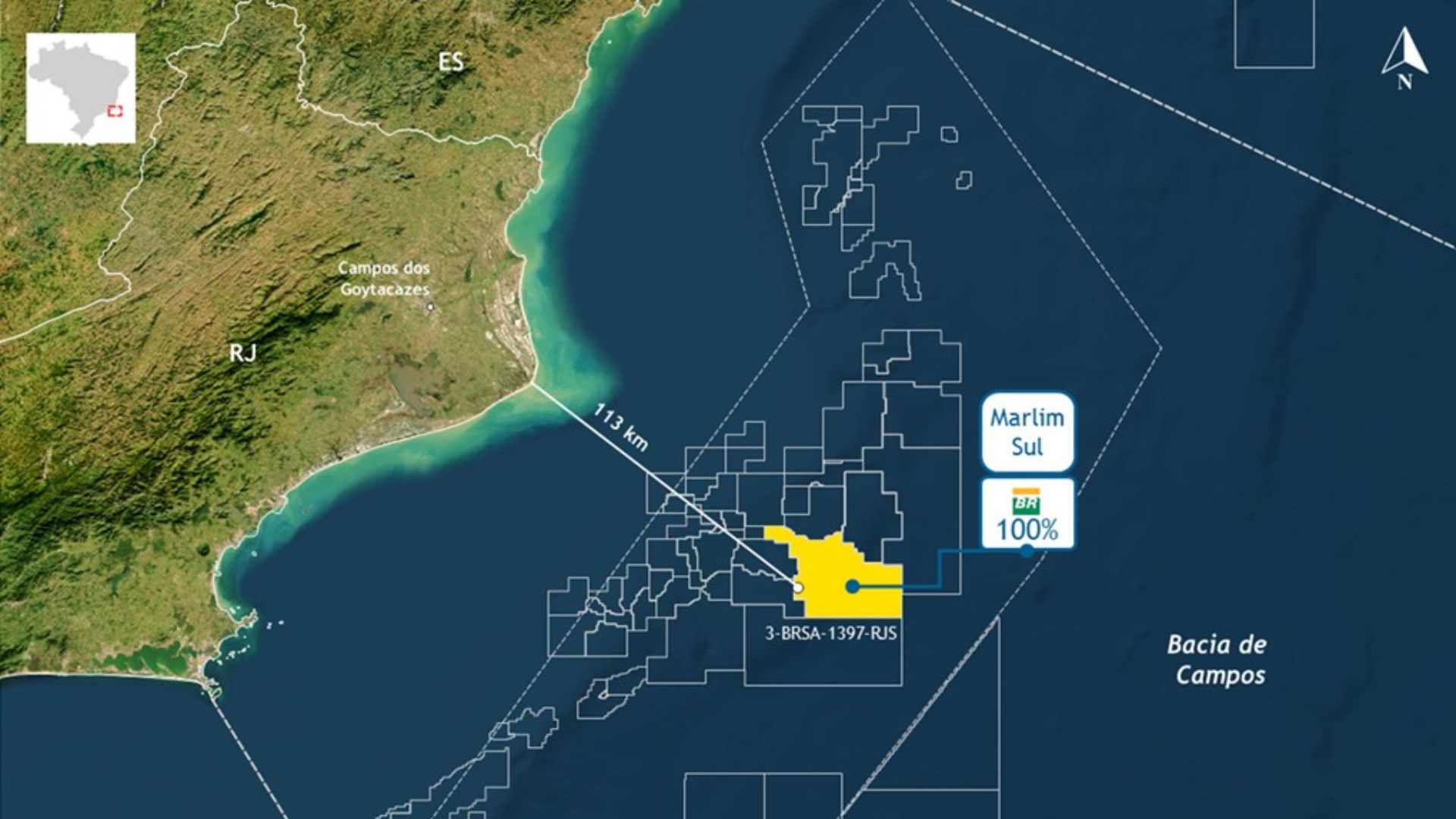
Petrobras finds high-quality oil in the pre-salt at 113 km from RJ and reignites expectations about strategic reserves in the Campos Basin.

-
Ocyan opens registrations for startups focused on innovation in the oil and gas sector and will select projects for Innovation Day with the support of Nexio.

-
Petrobras announces new oil discovery in the pre-salt of the Campos Basin and reinforces Brazil’s prominence with high-quality reserves that can increase production and energy revenues.
-
Alert in the fuel market: Analysts and a former director of ANP warn that oil prices may worsen in the coming months due to global instability.

According to Pedro Rodrigues, a partner at the Brazilian Infrastructure Center (CBIE), the phenomenon of stable prices occurs because there has been a scarcity of diesel in the international market due to the tensions between Russia and Ukraine: “The concern with Russia causes Europe to stockpile diesel, which raises prices worldwide. This has caused diesel prices to decouple from crude oil and experience great volatility,” says Rodrigues.
Petrobras Indicated That There Are High Chances of Diesel Prices Remaining Elevated
Thus, the state-owned company stated that there are high chances of diesel prices staying elevated due to a mismatch between supply and demand. This is because, on the demand side, the trend is for an increase in demand for fuel in the coming months due to winter in the Northern Hemisphere. In Brazil, demand for diesel is also expected to rise with the flow of the grains harvest, which is predominantly transported by road.
Regarding supply, Petrobras expects impacts from the hurricane season in the United States, as these effects could jeopardize production and encourage increases in diesel stocks. However, specialists have also considered a possible extension of supply cuts from Russia during critical moments.
In this regard, economist Cláudio Frischtak, co-founder of the consulting firm Inter-B, notes that the situation could complicate, as diesel consumption is difficult to substitute, especially given the dependence on the product: “Diesel has a much more inelastic demand, while refineries are experiencing production increase problems. Brazil imports about 25% of its diesel and ends up suffering greatly from international market fluctuations,” says Frischtak.










Seja o primeiro a reagir!