





 Portuguese
  English
  Spanish
 4 min of reading
  0 comments


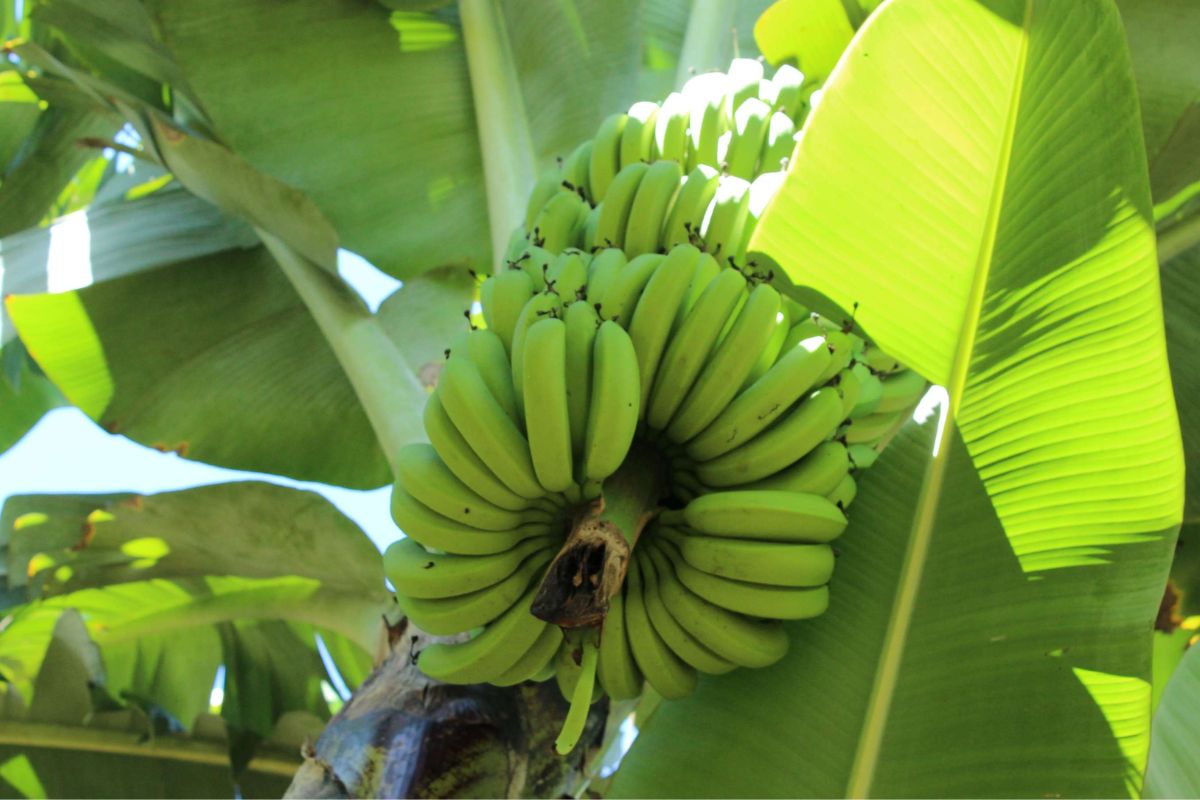
The Phytosanitary Certification Ensures Sanitary Safety and Export of Bananas Produced in Santa Catarina. The Work of Cidasc Strengthens the Sector and Keeps the Fruit in National and International Markets. Rural Producers and Institutions Work Together to Maintain Production Sanitation
The control of bananas produced in Santa Catarina against diseases is one of the most notable points in the state’s agribusiness, according to a report published.
One of the biggest concerns for those growing the fruit is the presence of Black Sigatoka, caused by a fungus that attacks the leaves and can destroy the plantation.
This disease, which originated in Fiji in the 1960s, arrived in Brazil in 1998 and spread across almost the entire country.
-
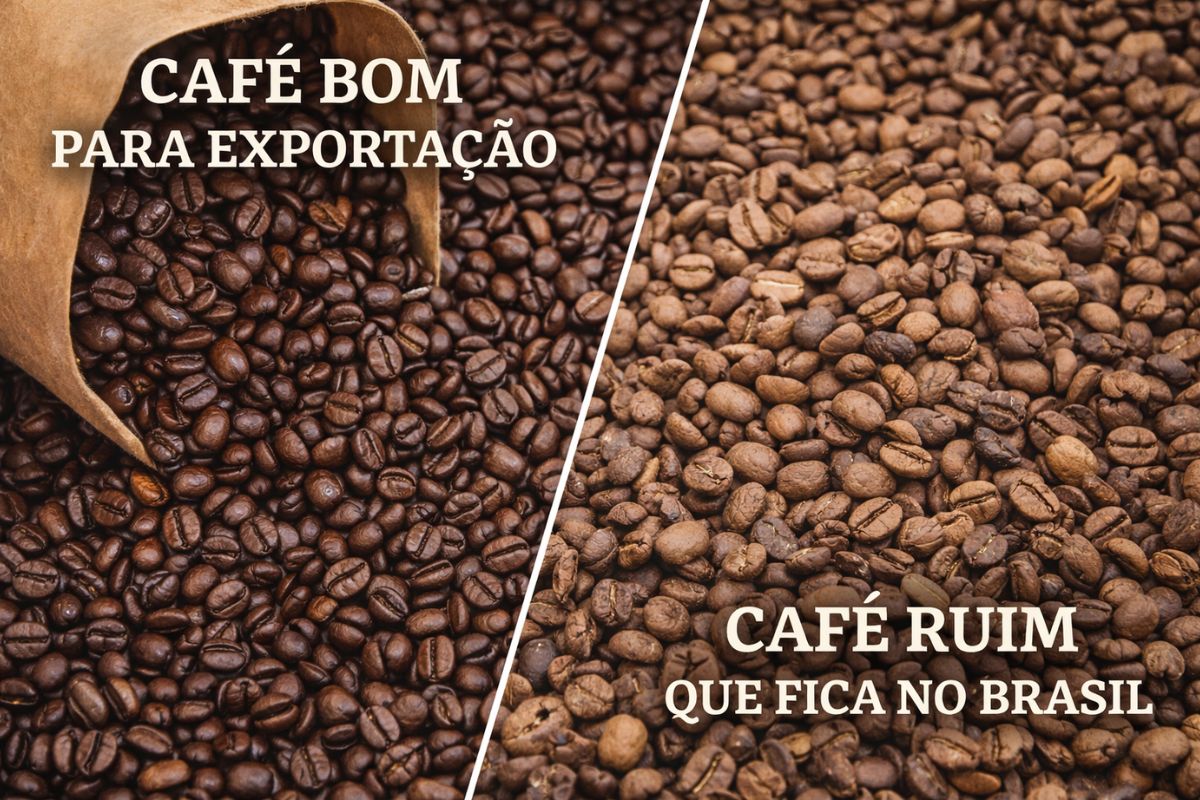
You grew up hearing that the good coffee from Brazil goes all abroad and the bad coffee stays for Brazilians, but this story has completely changed, and the numbers show that in the 1980s, thirty percent of the coffee sold here was adulterated with corn and barley.
-
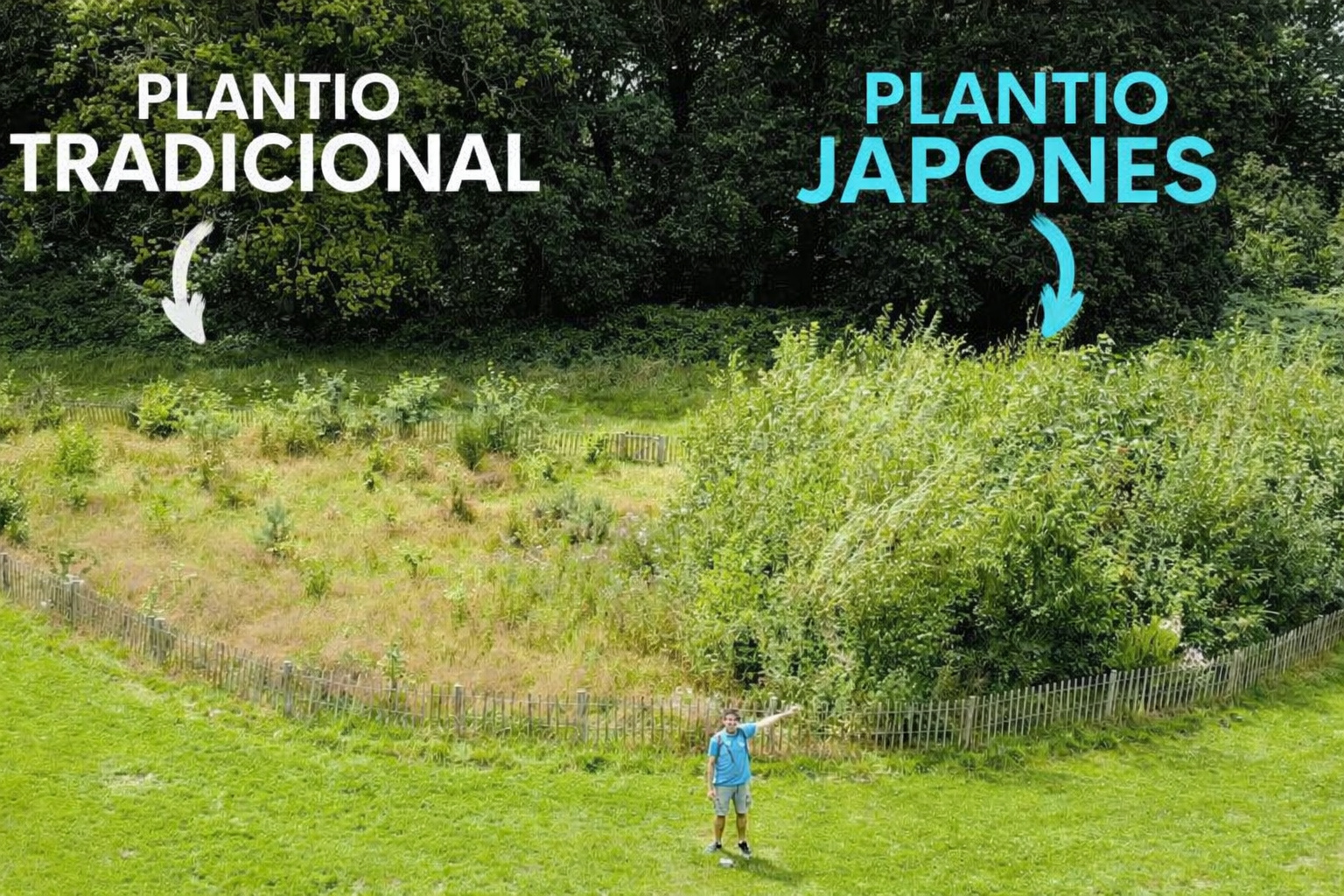
Engineer creates reforestation method that transforms small plots into dense forests in a few years using local biomass and can reduce environmental recovery costs.
-
Alone, the producer applies 7,400 hectares with the T100 drone in an optimized structure, replaces the generator with a silent battery, and demonstrates how technology reduces costs, increases productivity, and even challenges the uniport in the field.

-
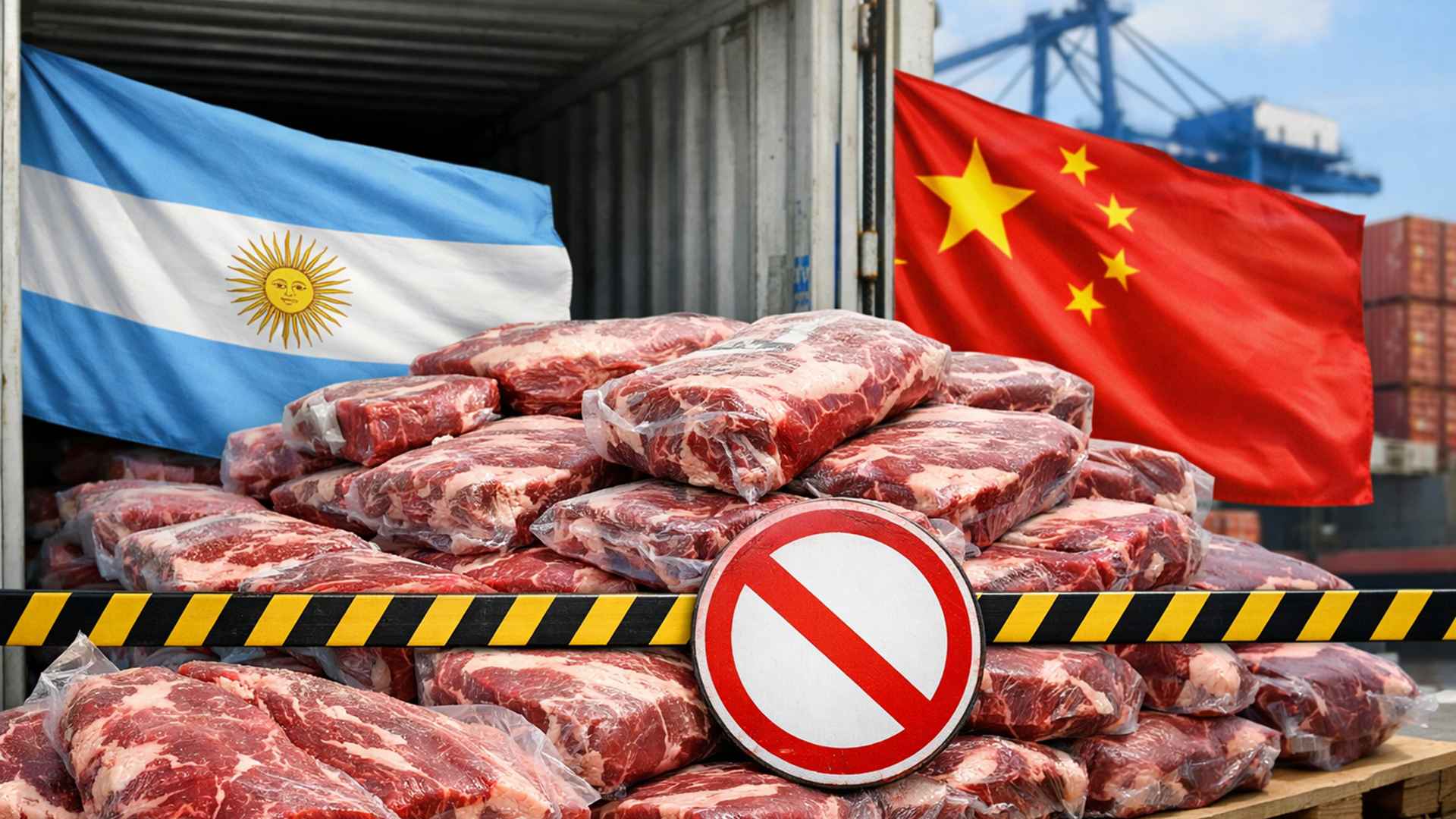
China banned the export of 22 tons of meat from Argentina.

In Santa Catarina, the first detection of the pest occurred in 2004 and had serious impacts on farmers.
At that time, producers could not sell the fruit to other states, and even local consumers felt insecure about consumption.
With the efforts of institutions like the Integrated Agricultural Development Company of Santa Catarina (Cidasc) and the implementation of phytosanitary safety measures, the situation was controlled.
Currently, the fruit is on its way to different regions of Brazil and also to neighboring countries like Argentina and Uruguay. This outcome was only possible with discipline, cooperation among producers, and constant oversight.
The topic arouses interest because it shows how science, organization, and care for nature turn into market opportunities.
Phytosanitary Certification System Ensures Sanitary Safety
The cultivation of bananas produced in Santa Catarina requires constant monitoring, especially regarding sanitary safety.
In order for farmers to sell their production, there is the Black Sigatoka Risk Mitigation System, created in 2005 and regulated by the Ministry of Agriculture and Livestock.
This system establishes a series of mandatory practices in the field. Among them are care for the leaves, frequent monitoring, and reports sent to the authorities.
The purpose is to reduce the risk of the pest spreading, maintaining the confidence of buyers and consumers.
Thanks to the control and phytosanitary certification, the fruit from Santa Catarina circulates with the Plant Transit Permit (PTV), a document issued by Cidasc.
This allows it to reach all Brazilian states and also other countries in South America. Such organization is essential for producers to have income security and continue investing in the plantation.
Agricultural Exports Strengthen Santa Catarina Bananas
The bananas produced in Santa Catarina have gained significant space in agricultural exports. The state holds the fourth position in national production of the fruit and leads in exports abroad.
The Northern and Itajaí Valley regions concentrate the bulk of production, particularly in cities like Corupá, Jaraguá do Sul, Massaranduba, and Luís Alves.
The consistency of sanitary controls has allowed Santa Catarina banana plantations to reach new heights. An example is the recognition of the Designation of Origin of “Banana from the Corupá Region,” considered the sweetest in Brazil.
Another milestone was the Indication of Provenance for the “Banana from Luís Alves,” which also added value to the product.
With exports guaranteed through certification, farmers are able to maintain their activity and conquer new markets. This is a way to transform attention to plant sanitation into economic growth opportunities.
Cidasc Actions in Plant Defense
The bananas produced in Santa Catarina are closely monitored by Cidasc, which plays a decisive role in the process.
Since 2005, the institution has worked alongside producers and their associations, reinforcing plant defense measures and promoting training on how to identify disease signs.
With this structure, the state has been able to eliminate outbreaks of other pests, such as banana moko, which could cause serious damage if it had remained.
Additionally, there is constant vigilance against global threats, such as FocR4T fusarium, also known as Tropical Panama Disease.
The manager Alexandre Mees recalls that in 2004 there was a lot of misinformation, which even affected internal consumption.
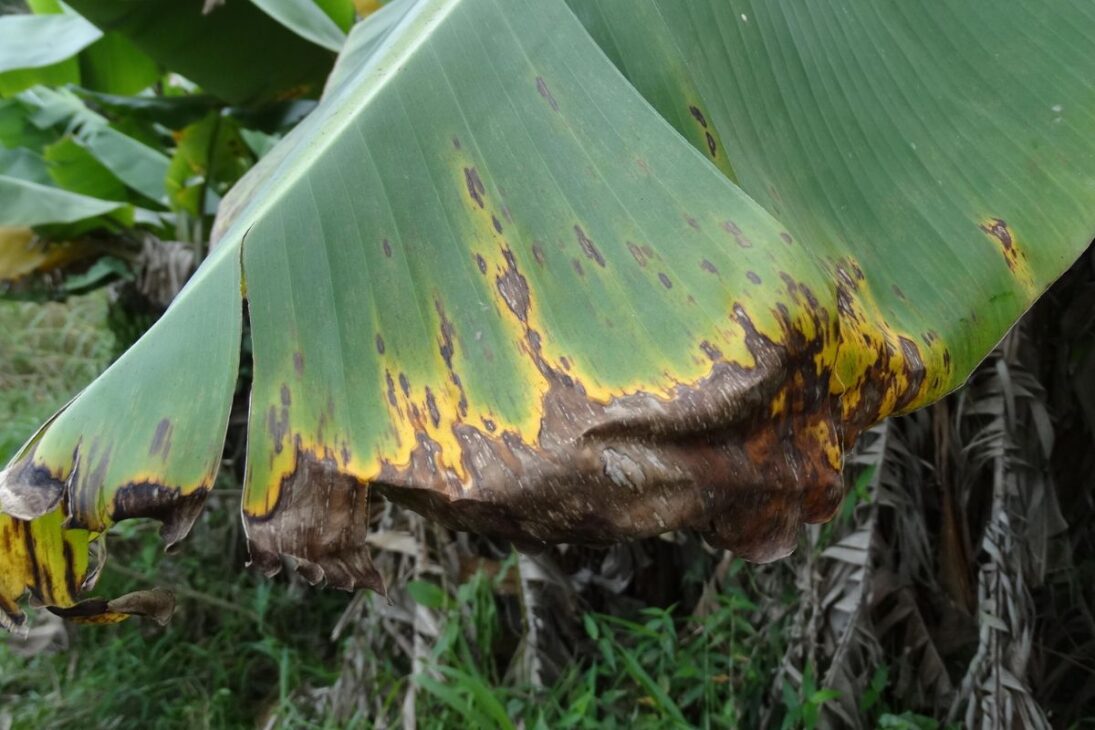
Today, technical knowledge and the dissemination of reliable information help maintain consumer confidence and ensure that the sector continues to advance.
Sanitary Safety and the Future of Production
The bananas produced in Santa Catarina have their continuity guaranteed by sanitary education and constant vigilance in banana plantations.
Cidasc promotes active searches, visits to farms, and guidance to farmers to ensure that any suspicion of pests is quickly identified and reported.
These actions not only keep the fruit in good commercial condition but also reinforce the state’s image as a reference in agricultural organization.
Each year, producers and institutions renew this commitment, ensuring that the production chain remains strong.
The future of banana cultivation in Santa Catarina depends on maintaining these practices. With discipline, unity, and awareness, the state will continue ensuring the quality and circulation of the fruit, which has already become a hallmark in various regions of Brazil and beyond.






-

Uma pessoa reagiu a isso.