





 Portuguese
  English
  Spanish
  4 min of reading
  1 comment


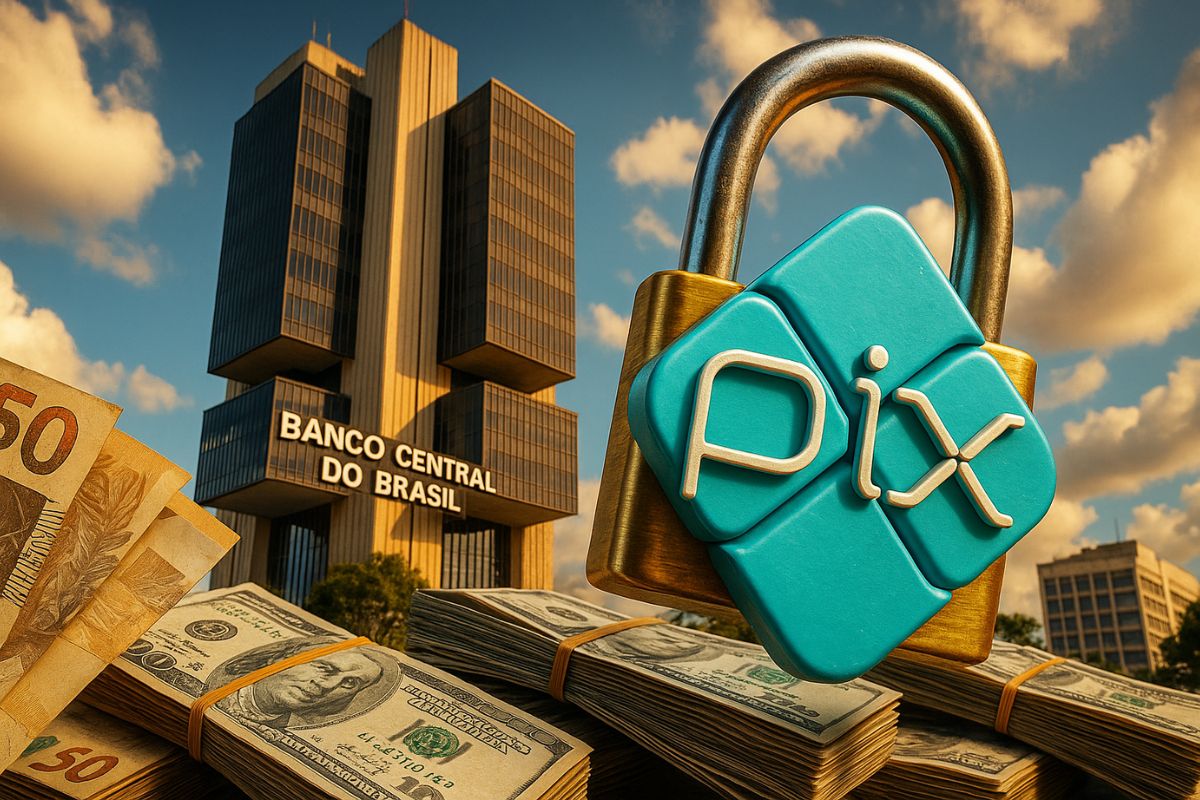


New Central Bank Measure Targets Digital Financial Institutions and Tightens the Screws on Fraud and Money Laundering in the Instant Payment System
The Central Bank began this Saturday the blocking of Pix keys associated with fraud, scams, and suspicious transactions throughout the national financial system. The measure particularly affects fintechs and digital banks that concentrate a large volume of transactions under investigation, estimated at up to R$ 50 billion, according to data from the Federal Police.
The action marks a new phase in the BC’s effort to enhance Pix security — a system that revolutionized payments in the country but has also become a target for criminals and irregular companies. The blocked keys were identified by the financial institutions participating in the system, which now have the obligation to pass this information to the monetary authority to avoid repeat fraud.
Blocking of Keys and Transaction Limits
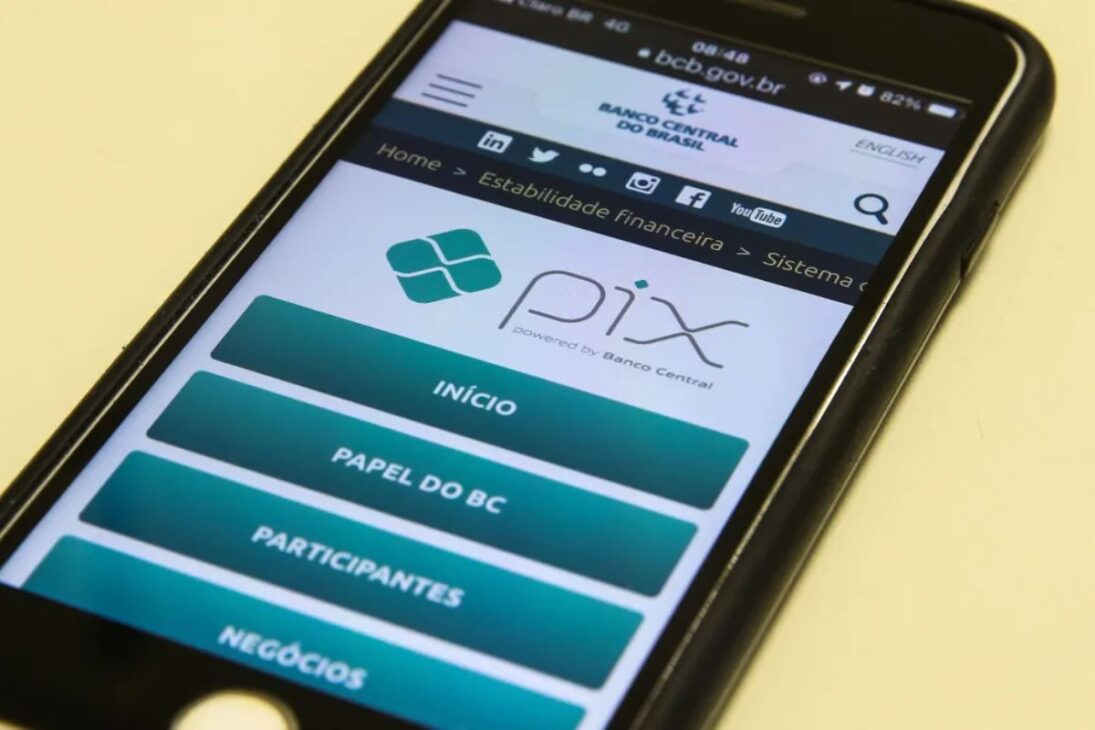
According to the Central Bank, the blocking of Pix keys aims to protect the system against misuse by criminal organizations.
-
50 viaducts, 4 tunnels, 28 bridges, and 40 kilometers of bike paths: BR-262 in Espírito Santo will receive 8.6 billion reais for the largest engineering project in the state’s history, inspired by the Immigrant Highway in São Paulo.

-
Brazil produces too much clean energy and doesn’t know what to do with it: over 20% of solar and wind capacity was wasted in 2025 while investors flee and 509 renewable generation projects were abandoned in the last year.

-
Piauí will produce a new fuel that replaces diesel without needing to change anything in the truck’s engine and reduces pollutant gas emissions by half: truck drivers from all over the Northeast are already celebrating the news that will arrive later this decade.

-
A new Brazilian shopping center worth R$ 400 million will be built in an area equivalent to more than 4 football fields, featuring 90 stores, 5 cinemas, a supermarket, a college, and parking for 1,700 cars, potentially generating 3,000 jobs.


The mechanism was discussed at the Pix Forum, an advisory group that brings together about 300 representatives from the financial sector, fintechs, and civil society.
In addition to the blocking, the BC limited transfers via Pix and TED to R$ 15,000 per operation for unauthorized payment institutions operating as banks.
The decision was made after three major operations by the Federal Police, Carbono Oculto, Quasar, and Tank, revealed the use of fintechs in schemes involving money laundering and artificial transactions of billions of reais between digital accounts.
These actions, according to the BC, aim to curb suspicious flows of large volumes between shell companies and virtual wallets, which have been used to conceal the origin of illicit funds and bypass the financial monitoring system.
Fintechs Under Surveillance and Market Impact
The measure has a direct impact on the fintech ecosystem, which has grown rapidly since the popularization of Pix in 2020.
The BC is now looking to balance innovation and security, in a scenario where the speed of instant transactions has also become a gap for sophisticated scams.
For the institutions, the new protocol represents an increase in monitoring and risk communication responsibilities.
Digital banks will need to use public and private databases to identify suspicious accounts and reject transfers even before they are completed.
When this occurs, the customer will be automatically notified of the rejection and the reason stated by the institution.
Industry experts believe that the new rules could reduce the speed of operations between digital accounts, but they strengthen the credibility and reliability of the Pix system, which already moves trillions of reais per quarter.
Technological Reinforcement and Digital Refund
Alongside the blocking of keys, the Central Bank has made it mandatory to integrate the transaction dispute button in the apps of all financial institutions.
The objective is to fully digitize the Special Refund Mechanism (MED), created in 2021 to allow fraud victims to request reimbursement quickly and securely.
With the automation of the MED, refund requests will be analyzed in real-time, reducing the response time from banks and increasing the recovery rate of funds.
For the BC, this complete digitization represents an advancement in assisting victims and combating financial crime, without compromising the characteristic speed of Pix.
A New Chapter in Financial System Regulation
The offensive by the Central Bank reinforces a global trend of tightening regulation on instant payment platforms.
The Brazilian experience, considered one of the most advanced in the world, now serves as a reference for other countries seeking to balance financial inclusion and fraud prevention.
However, analysts warn that the effectiveness of the measures will depend on the cooperation of fintechs and traditional banks, which need to align their compliance systems and strengthen automated risk analysis.
The expectation is that new complementary regulations will be published later this year to broaden the scope of oversight and define stricter criteria for the operations of payment institutions.
With the blocking of Pix keys and the limitation of amounts at fintechs, the Central Bank sends a clear message: the expansion of the digital financial system must come with transparency and responsibility.
The challenge now is to preserve the speed and efficiency of Pix without compromising user trust and the integrity of the system.
Do you think the Central Bank is right to tighten the screws on fintechs and block suspicious Pix keys, even if it makes the system slower? Leave your opinion in the comments; we want to hear from those who have faced scams or work with digital payment methods.









Vamos começar denunciando banco E2 entre outros veja são estelionatários segue Pix para serem bloqueados:
98987468869
00020101021226880014br.gov.bcb.pix2566qrcode.microcashif.com.br/pix/39dc0dc1-424b-44a2-bf3d-ac2c92656f115204000053039865802BR5905James6009Fortaleza62070503***630488AA
00020101021226880014br.gov.bcb.pix2566qrcode.microcashif.com.br/pix/3eb5fb11-62ca-4c52-b458-3786dda739bb5204000053039865802BR5909Guilherme6008SaoPaulo62070503***630446C2
00020101021226880014br.gov.bcb.pix2566qrcodes.saq.digital/v2/qr/cob/a464d02c-15fc-49d6-b519-bf72d09a53ba5204000053039865802BR5925LUMINA INTERMEDIACAO E IN6009SAO PAULO62070503***6304D86D