





 Português
  Inglês
  Espanhol
  6 min de leitura
  0 comentários



Central Bank Prepares New Leap in Pix with Direct Credit, Offline Payments, and Receivables as Guarantees.
The Central Bank accelerates the new phase of Pix, where the instant payment system becomes more than just a means of transfer and starts to concentrate direct credit, use of receivables as collateral, and even payments without internet, redesigning the financial infrastructure of daily life.
Five years ago, Pix was born as the Central Bank’s bet on instant and inexpensive transfers, but the monetary authority is now aiming for a level where the arrangement becomes strategic asset for credit, guarantees, and financial inclusion, connecting consumers, businesses, and government on the same technological basis.
Five Years of Pix and an Agenda That Hasn’t Stopped
When launched in 2020, Pix allowed instant transfers between accounts, at any time and on any day, with no cost for individuals and reduced fees for other profiles.
-
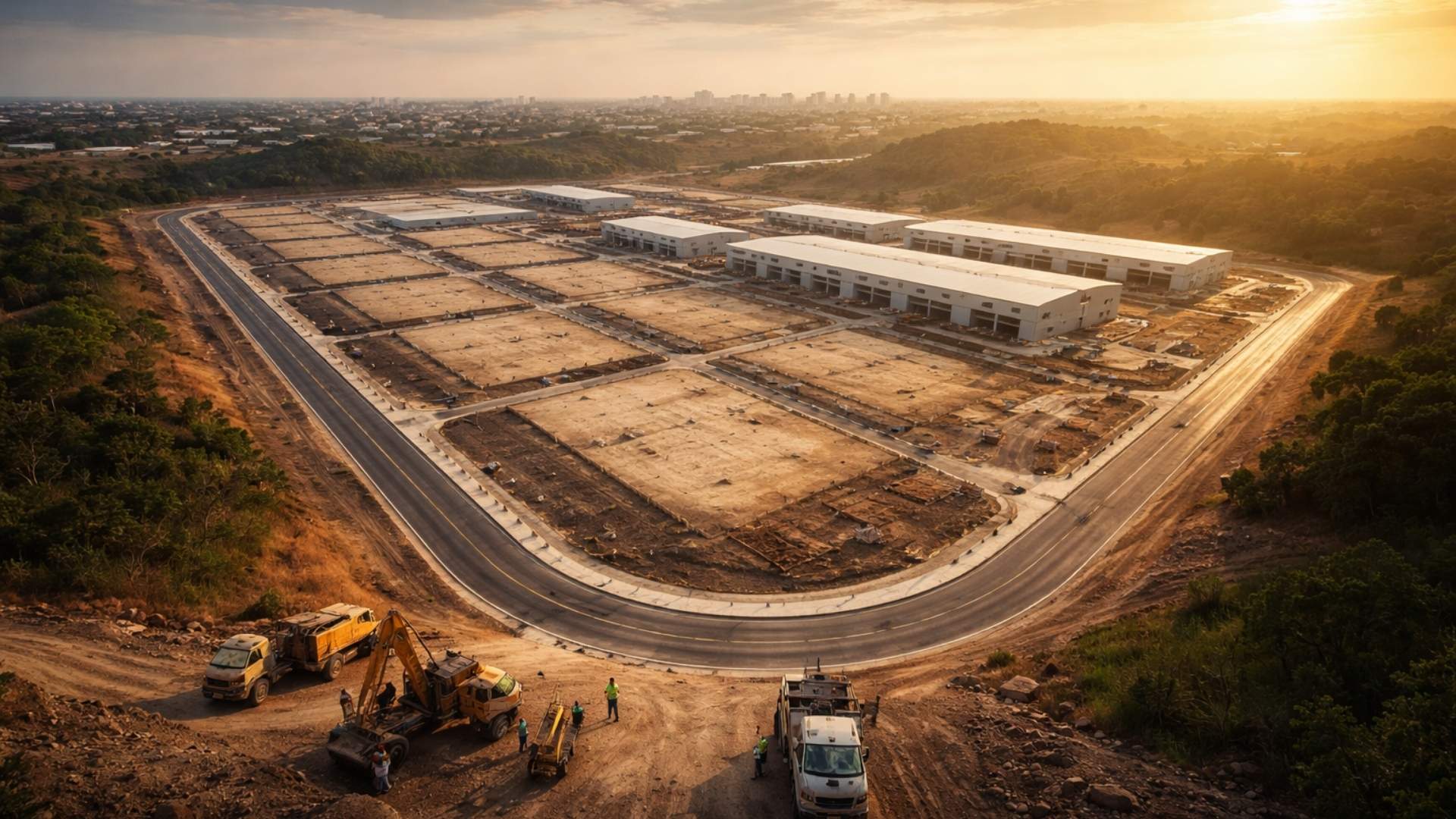
Brazilian city gains industrial hub for 85 companies that is equivalent to 55 football fields.

-
Peugeot and Citroën factory in Argentina cuts production by half and opens a layoff program for more than 2,000 employees after Brazil drastically reduced purchases of Argentine vehicles.

-
A Brazilian city gains a factory worth R$ 300 million with the capacity to process 200 thousand tons of wheat per year, a mill of 660 tons/day, silos for 42 thousand tons, and an industrial area of 276 thousand m².

-
Havan will leave the shopping mall in Blumenau to inaugurate something that the chain has never done before: a megastore in half-timbered style in the Historic Center of the city, which is expected to be completed in May and change the landscape of local retail.


In a short time, the model became popular and surpassed cash in usage frequency, consolidating the Central Bank’s bet on an open, standardized, and competitive system.
Since then, the Central Bank has conducted a continuous agenda for the evolution of Pix, in dialogue with the market at the Pix Forum.
New functions have been added, such as Pix Withdraw, Pix Change, and more recently, Pix Automatic, launched in June 2025, which allowed recurring debits directly in the instant arrangement, without relying on invoices or cards.
This trajectory has paved the way for the current leap, where Pix approaches credit and more complex operations under the direct coordination of the Central Bank.
From Payment Arrangement to Strategic Infrastructure
From an institutional perspective, the Central Bank has begun to treat Pix less as a product and more as neutral infrastructure of Brazilian society, upon which different business models can be built.
Entities in the payments sector highlight that the system already facilitates more than R$ 1 billion in retail transactions, a volume that can be used as a basis for new credit solutions and risk management.
Experts argue that Pix has ceased to be merely a means of payment and has become a central piece in the Central Bank’s innovation policy, alongside initiatives such as Open Finance, modernization of foreign exchange legislation, and Drex.
The logic is that of a layered platform, in which functionalities such as installment payments, guarantees, and integration with other instant arrangements are being added to the already consolidated core of transfers.
Pix Installment: Direct Credit within Pix
One of the pillars of this new cycle of the Central Bank is Pix Installment, designed to allow users, whether individuals or businesses, to obtain credit to split a purchase directly within the Pix flow.
In practice, the recipient receives the payment upfront, while the payer settles the amount in installments, in a model similar to credit cards, but operating on the instant infrastructure managed by the Central Bank.
The Central Bank had previously announced in April that it was working on the Pix Installment functionality. The regulation was initially scheduled for September 2025 but has been delayed.
The new expectation is for publication by the end of 2025, keeping the topic at the center of the monetary authority’s innovation agenda.
Even before the final regulation from the Central Bank, the concept of Pix Installment was quickly tested by the market. A survey by Matera showed that 53% of consumers used some form of Pix Installment between September and October 2024, indicating a consistent demand for embedded credit within the instant arrangement.
The Central Bank’s regulation is expected to standardize rules, mitigate risks, and provide national scale to the model.
Pix as Guarantee: Receivables as Collateral
Another focus of the Central Bank’s agenda is Pix as Guarantee, mainly aimed at businesses. The idea is to allow businesses to use future Pix receivables as collateral in credit operations, creating an alternative for those without property or vehicles to offer as collateral.
By organizing the cash flows of Pix receivables within an infrastructure managed by the Central Bank, the system provides a stronger basis for banks and other institutions to assess risk more accurately and better price credit, especially for small and medium entrepreneurs.
The launch of Pix as Guarantee is scheduled for the next two years. The start of the functionality’s development was planned for 2025 but underwent adjustments following an internal reorganization in the Central Bank’s technical area.
Even with the reshaping of the agenda, the functionality remains a central bet to expand access to credit using transaction history as an asset.
Pix Duplicate and Pix Offline: Receivables and the End of Connectivity Dependence
In addition to installment payments and guarantees, the Central Bank is keeping an eye on other developments. Pix Duplicate aims to allow the payment of electronic duplicates via the instant system, replacing routines still based on invoices and traditional transfers.
In practice, companies could settle commitments with suppliers more quickly, with automated reconciliation and lower operational costs.
Pix Offline addresses an ongoing infrastructure challenge in many regions of the country: the dependency on stable connectivity. The proposal is to enable payments even without internet access, whether in remote areas or urban locations with unstable connections.
Technical solutions under study include authentications and messaging exchanges in layers that allow the transaction to be registered in the Central Bank’s databases as soon as the device reconnects.
These functionalities do not yet have a defined implementation date but indicate that the Central Bank views Pix not only as a tool for efficiency but also as a means of financial inclusion in environments with limited infrastructure.
The combination of offline operations with credit and guarantees can change the way small businesses operate in less connected regions.
Security, Regulatory Prudence, and the Role of the Central Bank
The advancement of Pix towards credit and higher value operations necessitates constant reinforcement in security. The Central Bank itself has prioritized shielding the system against fraud, operational errors, and misuse of data, which helps explain certain delays in the agenda for new functionalities.
Former officials of the Central Bank highlight that Pix was born from a broader agenda of regulatory innovation, which includes Open Finance, Drex, and adjustments to foreign exchange legislation.
In the view of these policymakers, the Central Bank has always treated Pix as a platform in continuous evolution, with space for new layers of service. This approach explains why the agency prefers to adjust deadlines and schedules rather than compromise security and stability standards.
In parallel, the Central Bank coordinates with the market, via the Pix Forum, the implementation of new features. Payment institutions, traditional banks, and new fintechs see the upcoming phases of Pix as an opportunity to create credit products more aligned with the actual cash flows of consumers and businesses, using data and receivables as direct inputs.
A New Level for Pix and the Innovation Policy
With Pix Installment, Pix as Guarantee, Pix Duplicate, and Pix Offline, the Central Bank is pointing towards an architecture where Pix becomes a hub for credit, settlement, and guarantees, rather than just a payment rail.
The system will capture not only the transaction itself but also its potential as a basis for financing, renegotiations, and more sophisticated business operations.
Five years after its launch, the balance is of a consolidated payment method and an ongoing innovation agenda, in which the Central Bank balances technological ambition and regulatory prudence.
The way these new functionalities will be implemented is likely to determine whether Pix will continue to merely enhance efficiency or if it will give a structural leap in how credit is offered and guaranteed in the country.
Which of these new Pix functionalities do you believe the Central Bank should prioritize efforts on first to more quickly transform the financial life of individuals and businesses?









-

-

-

-

-

15 pessoas reagiram a isso.