





 Portuguese
  English
  Spanish
  5 min of reading
  0 comments


Brazil Advances in Energy Transition with New Agreement between Banco do Brasil and JBIC to Finance Green Projects, Expand the Use of Biofuels, and Strengthen Sustainability Actions in the Country
On November 18, 2025, during commitments, Banco do Brasil formalized a strategic partnership with JBIC (Japan Bank for International Cooperation) to finance Brazilian initiatives focused on energy transition and the development of low-carbon technologies. The information was disclosed by VEJA magazine, highlighting that the agreement provides a credit line dedicated to green projects, especially in the areas of biofuels and energy transmission.
Partnership between Banco do Brasil and JBIC Strengthens Energy Transition
According to information, the cooperation aims to accelerate investments aligned with sustainability, reinforcing Brazil’s role in the international climate agenda. This partnership combines Japanese technical knowledge with Brazil’s potential in clean energy, positioning the country as a leader in the global energy transformation. It is a move that strengthens the economy, protects the environment, and attracts long-term investments to the country.
The relationship between Banco do Brasil and JBIC comes at a time when the world intensifies efforts against climate change, seeking new sustainable solutions. According to the article from VEJA, the agreement creates conditions to expand funding aimed at emission reduction, renewable energy use, and increased energy security.
-
The Economist states that Brazil has a “secret weapon” against expensive oil and highlights how the country can reduce economic impacts even in international scenarios of high volatility.

-
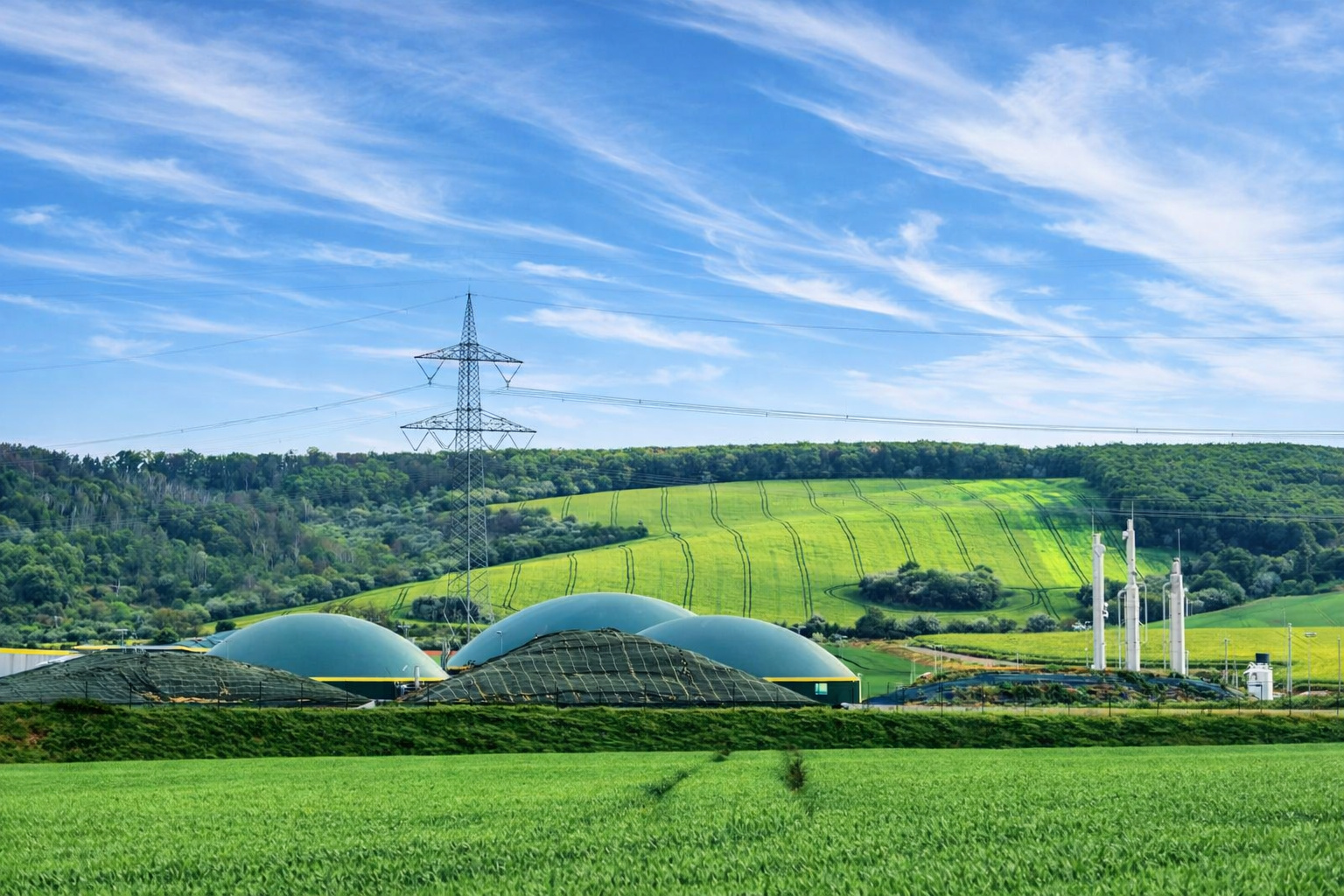
Brazil accelerates decarbonization in the South: International forum in Foz do Iguaçu gathers leaders to discuss the advancement of biomethane in the energy matrix and the potential of “caipira pre-salt.”
-
As diesel prices soar due to conflicts in the Middle East, a Brazilian city decides to test a little-known biofuel that promises to completely replace fossil fuel without adaptation and could change the future of energy in the country.

-
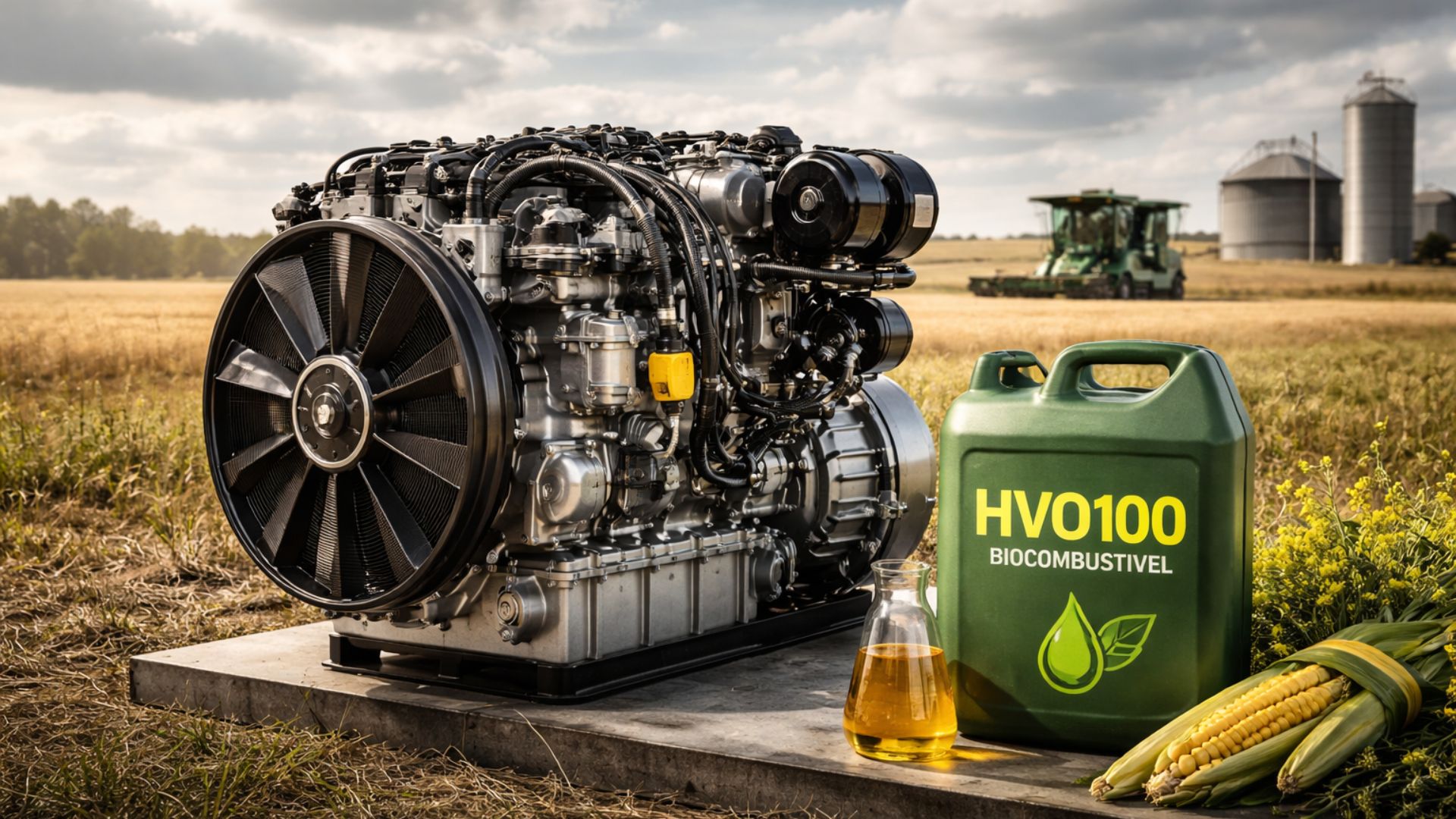
Innovation with biofuel engines transforms agribusiness by replacing diesel without the need for major adaptations, ensuring energy efficiency and helping to reduce dependence on oil.

These resources should drive initiatives that help mitigate climate impacts, contributing to international carbon neutrality goals, such as those established in the Paris Agreement.
In this context, decarbonization projects are considered strategic, especially in the transportation and electricity generation sectors. The partnership reinforces Brazil’s commitment to sustainability and elevates the country to the center of global climate discussions.
Strategic Sustainable Investments by Banco do Brasil
Among the main focuses of the cooperation are two segments that play an essential role in the energy transition: biofuels and energy transmission. These sectors were chosen for their relevance to the Brazilian energy matrix and their direct impact on combating greenhouse gas emissions.
Biofuels, such as ethanol and biodiesel, are among the most promising alternatives for decarbonizing transportation. In addition, new technologies — such as SAF (sustainable aviation fuel) and second-generation ethanol — further expand the possibilities in the sector.
Investments in energy transmission are crucial to integrate renewable sources, such as solar, wind, and biomass, into the national system. Expanding transmission lines strengthens electric security, reduces losses, and enables the expansion of clean power plants in remote regions of the country. These are investments that connect innovation, efficiency, and sustainability.
JBIC’s International Experience Drives Green Project Development
JBIC is internationally recognized for financing large initiatives related to sustainability, renewable energy, and the promotion of a low-carbon economy. The Japanese institution already maintains specific credit lines for green projects in various countries, and Brazil has been one of the main destinations for these resources.
The expertise of JBIC in efficient energy technologies, advanced biofuels, and electrical infrastructure complements Banco do Brasil’s strong presence in sustainable credit. This combination offers important competitive advantages, allowing the identification of high environmental and economic impact projects.
Additionally, Banco do Brasil has branches in Tokyo, Nagoya, and Hamamatsu, facilitating business linkages between Brazilian and Japanese companies and strengthening bilateral relations in foreign trade and investments. When two institutions with complementary experiences come together, the results tend to be even more transformative.
The Relationship with Other Sustainable Financial Initiatives in Brazil
The partnership between Banco do Brasil and JBIC adds to a series of recent initiatives involving Japanese and Brazilian financial institutions. In 2025, BNDES signed a loan of US$ 190 million with JBIC to finance energy transmission and biofuels.
The agreement was structured within the “GREEN Operations” line, which supports clean energy projects, small hydropower generation, biomass, and energy efficiency. This movement demonstrates the growing Japanese interest in Brazil’s energy sector and the possibility of supporting low-carbon technologies on a large scale.
The strengthening of these relationships also reflects the evolution of global climate policies, in which international cooperation is essential to tackle complex environmental challenges. In Brazil, the advancement of the Brazil Climate Investment Platform reinforces the ongoing commitment to ecological transformation and the search for new sources of international financing.
Challenges to Implement Green Projects
Although the partnership offers significant opportunities, there are also challenges to be overcome. Infrastructure projects related to energy and biofuels require robust planning, efficient environmental licensing, and coordination between various government and private agencies.
Another relevant point is the need for transparency and monitoring of environmental impacts. To receive international financing, projects must demonstrate not only economic viability but also real and measurable environmental impact.
Regulation of the energy sector, which undergoes constant revisions, is also a challenge. Regulatory changes can affect timelines, costs, and investment attractiveness.
Even so, the transformative potential of the partnership outweighs the obstacles. The cooperation between Banco do Brasil and JBIC is likely to accelerate the structuring of new financial mechanisms for initiatives aligned with the energy transition.
Economic and Socio-Environmental Opportunities for Brazil
The agreement offers opportunities that go beyond direct financing. By attracting Japanese technology and international capital, Brazil enhances its capacity to innovate in clean energy and creates a more favorable environment for startups, companies, and industries in the energy sector.
Additionally, biofuel and transmission projects generate jobs, income, and regional development. Regions that produce biomass or receive investments in electrical infrastructure may experience economic expansion and improved quality of life for the population.
Environmentally, the partnership helps reduce emissions, supports climate goals, and strengthens the energy matrix already recognized as one of the cleanest in the world.
Strategic Impact of the Banco do Brasil and JBIC Initiative for Brazil’s Energy Future
The partnership announced in November 2025 marks an important chapter in the national energy transition. By combining Brazilian financial strength and Japanese technology, the agreement enables strategic investments in green projects, especially related to biofuels and energy transmission.
This is an initiative likely to shape Brazil’s energy future, strengthening sustainable infrastructure, increasing the country’s competitiveness, and boosting a low-carbon economy. With proper planning, efficient governance, and alignment between the public and private sectors, the positive impacts can extend for decades.









Seja o primeiro a reagir!