





 English
  Francês
  Alemão
  Italiano
  Japonês
  Norueguês
  Portuguese
  Spanish
  5 min of reading
  0 comments


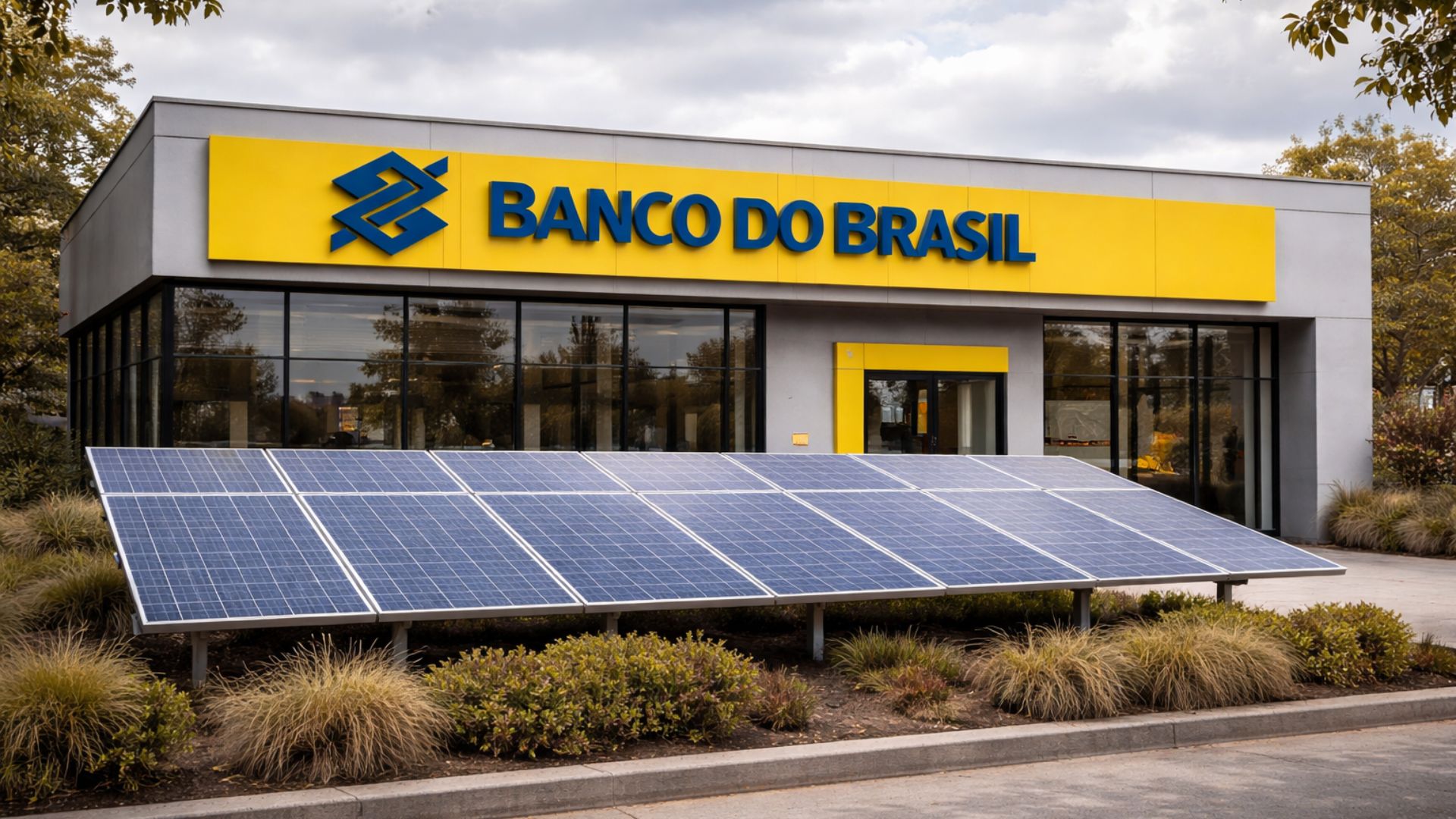
Discover how Banco do Brasil reduces costs by investing in the Free Energy Market and in its own power plants, expanding economy, operational efficiency, and advances in sustainability in Brazil.
Banco do Brasil’s strategy in the Free Energy Market and the expansion of its own power plants already shows significant and measurable results. In 2025, the institution reduced its energy expenses by 16.21%, generating a direct savings of R$ 76 million, according to an article published by Cenário Energia on March 23. At the same time, there was a 6% reduction in total energy consumption, equivalent to 33.62 GWh, highlighting relevant technical and operational gains.
This movement positions the bank as a reference in energy efficiency in Brazil. The combination of strategic energy purchasing and self-production strengthens cost predictability, reduces risks, and contributes to sustainability goals. More than just cutting expenses, the institution transforms energy management into a consistent competitive advantage.
Banco do Brasil’s energy strategy unites the Free Energy Market and its own power plants
The foundation of the transformation lies in the integration between the Free Energy Market and its own power plants. Banco do Brasil has structured a hybrid model that combines distributed generation with contracts in the free environment, increasing control over costs and supply.
-
A study reveals the expansion of renewable energy procurement in Brazil and shows how companies are taking advantage of opportunities to reduce expenses, ensure energy efficiency, and strengthen strategic environmental commitments.

-
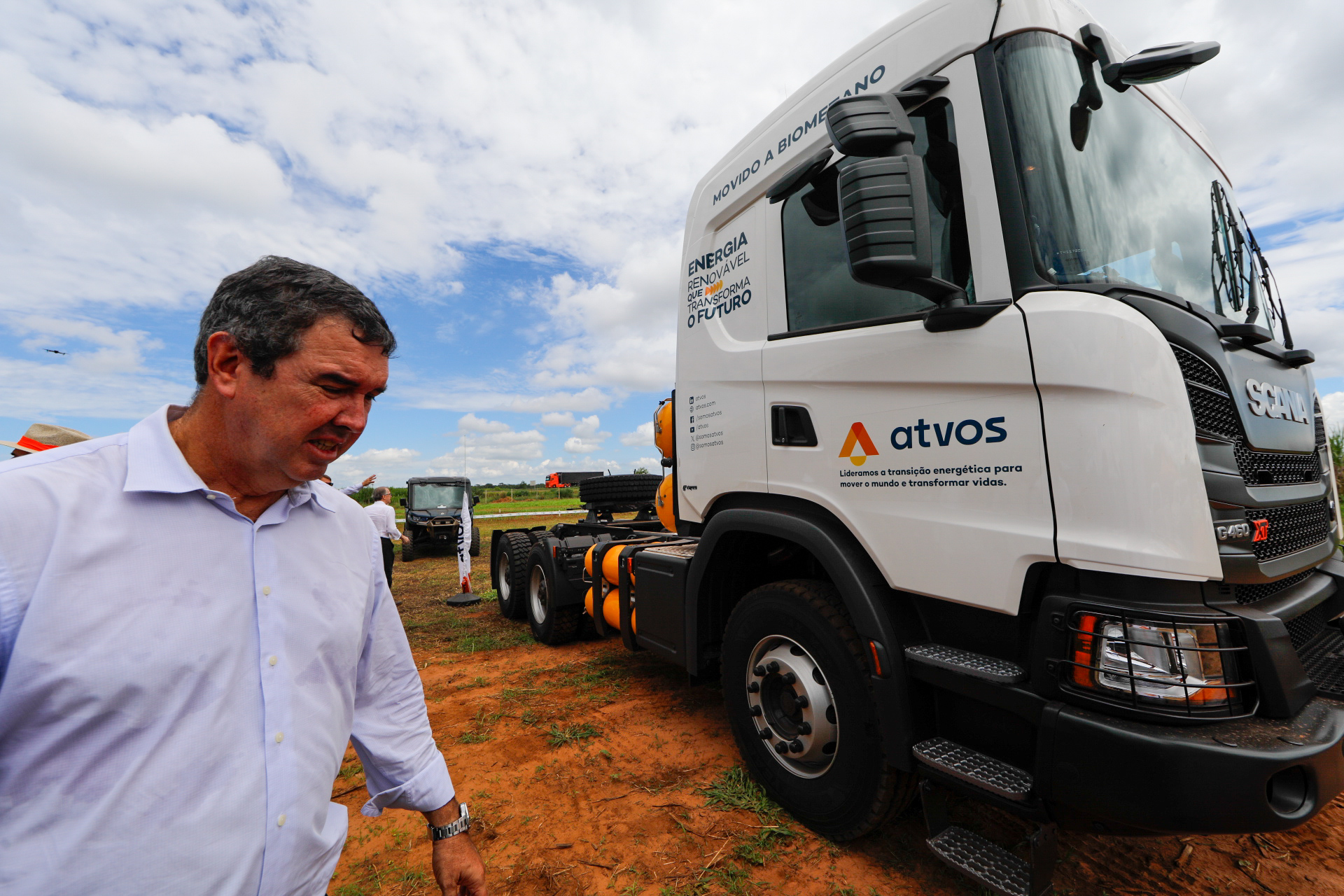
Mato Grosso do Sul excels in the sugar-energy sector: the state reaches a milestone of 22 operating mills and accelerates the production of clean energy in MS with a focus on sustainability.
-
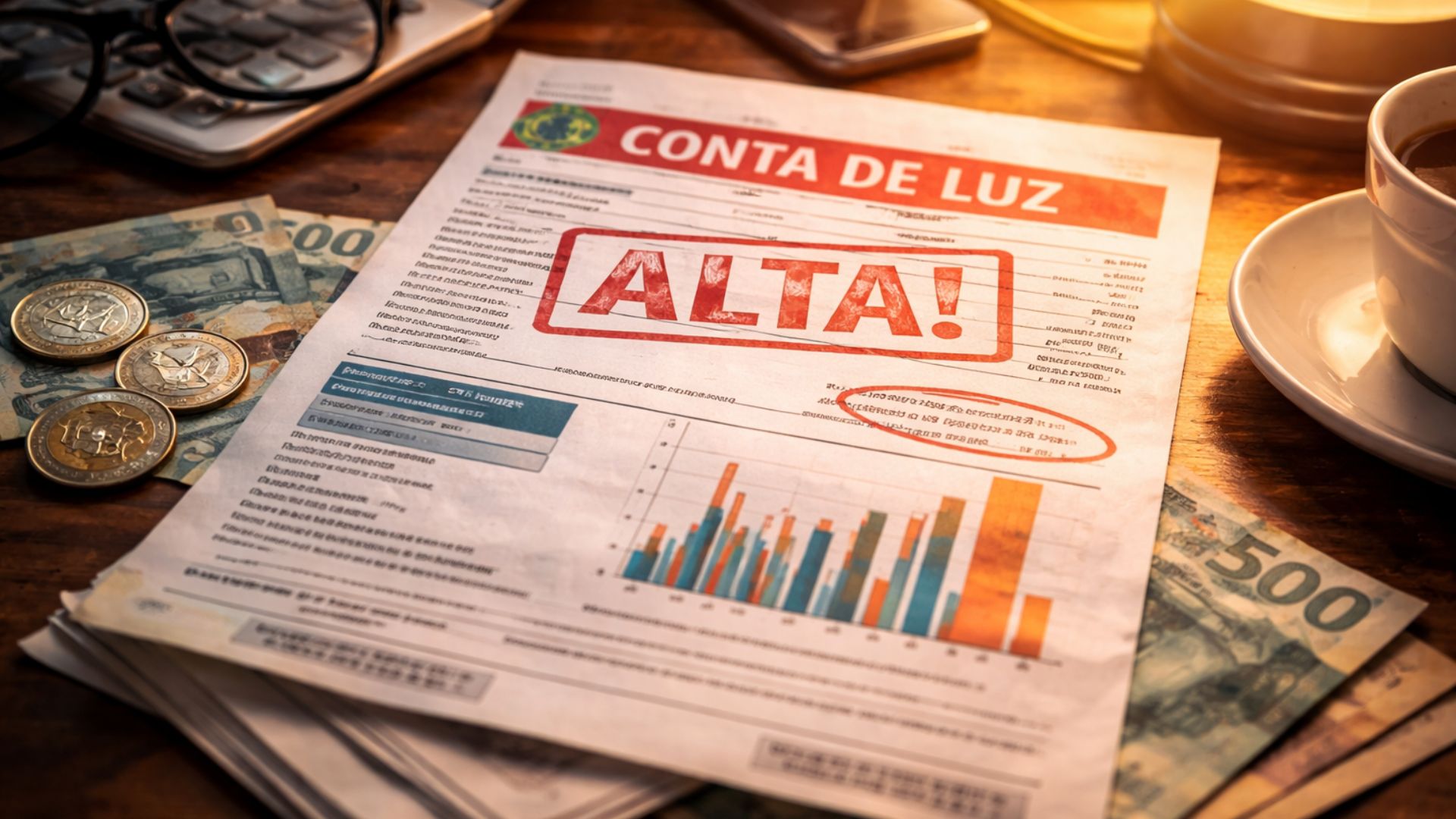
National energy dilemma: Brazilians support clean energy but reject increases in tariff costs to finance the sustainable transition.
-
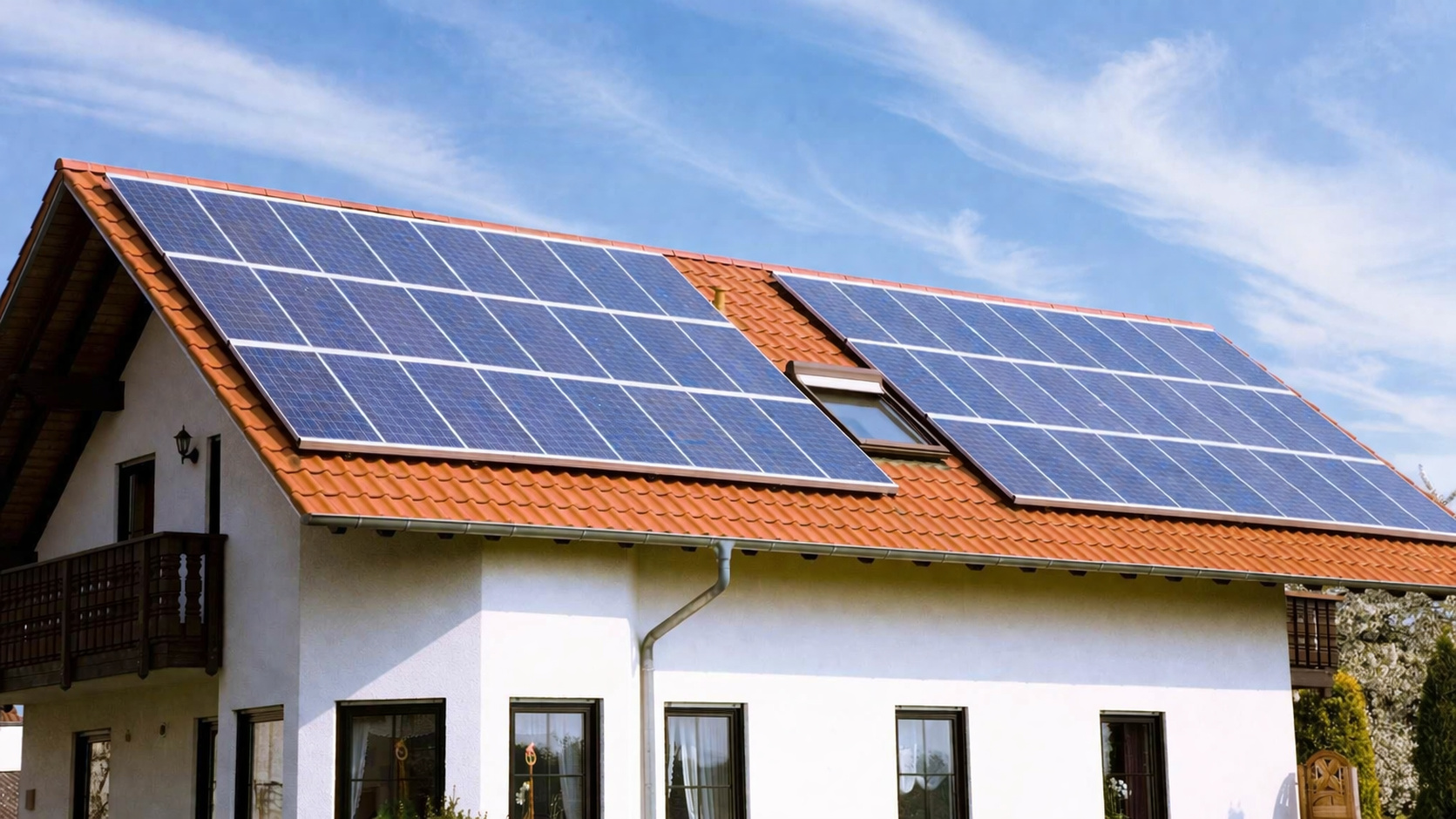
Research indicates that Brazilians support clean energy and wish to advance in the energy transition, but reject paying more on their electricity bill, showing a direct conflict between cost and sustainability.

In the Free Energy Market, large consumers can negotiate directly with suppliers. This allows for more advantageous conditions, with competitive prices and customized contracts. At the same time, the own power plants reduce partial dependence on the grid and provide renewable sources.
This combination creates a more resilient system. The institution reduces dependence on distributors and gains financial predictability, essential factors for increasing savings over time.
Expansion of own power plants and distributed generation at Banco do Brasil
The advancement of self-generation is one of the pillars of the strategy. Banco do Brasil currently operates 27 own power plants, distributed across 19 Brazilian states, covering all regions of the country.
Only in 2025, four new units came into operation. As a result, the generated energy began to supply about 1,700 agencies and administrative buildings. This model of distributed generation allows energy to be produced close to consumption, reducing losses and increasing efficiency.
Furthermore, the own power plants allow for compensating the consumption of smaller units that still operate at low voltage. This optimizes billing with distributors and expands savings in a structured way.
The expansion of distributed generation also contributes to diversifying the bank’s energy matrix. This diversification is essential to ensure stability and security in supply.
Migration to the Free Energy Market accelerates savings and efficiency
Another central point of the strategy is the migration to the Free Energy Market. Banco do Brasil has significantly increased its presence in this environment, with more than 635 buildings now operating under this model.
This change allows for direct negotiations with traders, ensuring greater cost predictability. Additionally, the bank can enter into long-term contracts, known as PPAs, which reduce exposure to tariff fluctuations.
Access to renewable energy certificates, such as I-RECs, also strengthens the strategy. These certificates prove the clean origin of the consumed energy, reinforcing the institution’s environmental commitment. Thus, the Free Energy Market is no longer just an alternative but becomes a central element in generating savings and efficiency.
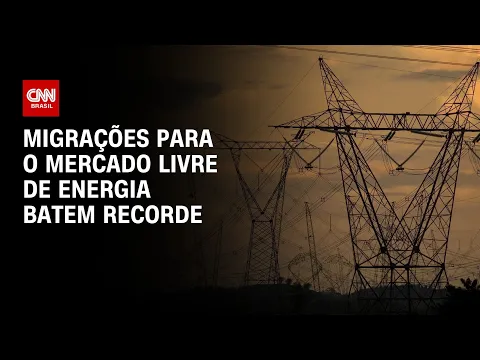

Sustainability and emission reduction gain strength with own power plants
Banco do Brasil’s energy strategy is not limited to cost reduction. Investment in own power plants and operation in the Free Energy Market also drives sustainability.
The generation of renewable energy reduces dependence on fossil sources and contributes to the decrease of the carbon footprint. This movement aligns with global decarbonization goals and ESG governance requirements.
Moreover, the energy efficiency resulting from the 6% reduction in total consumption demonstrates a more rational use of resources. This reinforces the institution’s environmental responsibility and enhances its credibility in the market. The combination of savings and sustainability shows that it is possible to reconcile financial performance with a positive impact on the environment.
Energy security as a competitive differential in the banking sector
The Brazilian electric sector faces recurring challenges, such as water crises and tariff variations. In this context, Banco do Brasil’s strategy stands out by reducing vulnerabilities.
By diversifying its sources between own power plants and contracts in the Free Energy Market, the bank minimizes risks. This approach ensures greater stability in supply and avoids significant impacts from tariff adjustments.
Energy security thus becomes a competitive differential. The institution can maintain cost predictability and operational continuity, even in adverse scenarios. This model also allows for more active energy management, transforming a traditional cost into a strategic variable.
Banco do Brasil and the savings generated with large-scale energy efficiency
The savings of R$ 76 million recorded in 2025 is a direct reflection of the efficiency of the adopted strategy. The 16.21% reduction in energy expenses demonstrates the financial impact of structured decisions.
This savings is not a one-time event. It is expected to be sustained over the years, especially with the expansion of own power plants and operation in the Free Energy Market.
Additionally, the reduction of 33.62 GWh in consumption reinforces operational efficiency. The bank not only pays less for energy but also consumes more intelligently. This set of results strengthens the institution’s financial management and opens up space for new investments.
Trend of Free Energy Market and own power plants among large companies
The movement led by Banco do Brasil reflects a growing trend in the corporate sector. More and more companies are migrating to the Free Energy Market and investing in their own power plants. This change occurs because energy has ceased to be just a fixed cost. Today, it is a strategic element that directly impacts competitiveness.
Companies that adopt this model can reduce expenses, improve ESG indicators, and increase financial predictability. This translates into a competitive advantage in the long term. Banco do Brasil’s example demonstrates that this transformation is feasible and efficient, especially in large-scale operations.
Energy as a strategic asset in the modern management of Banco do Brasil
The transformation of energy management at Banco do Brasil highlights a paradigm shift. Energy is now treated as a strategic asset, not just an operational cost.
The integration between the Free Energy Market and own power plants allows for smarter and more efficient management. This approach increases savings, reduces risks, and strengthens sustainability.
With significant results, such as the savings of R$ 76 million and the 16.21% reduction in expenses, the bank consolidates its position as a reference in energy efficiency in Brazil.
By aligning innovation, environmental responsibility, and financial efficiency, Banco do Brasil shows that energy management can be one of the main pillars of competitiveness in the current scenario.









Seja o primeiro a reagir!