





 Portuguese
  English
  Spanish
  3 min of reading
  5 comments


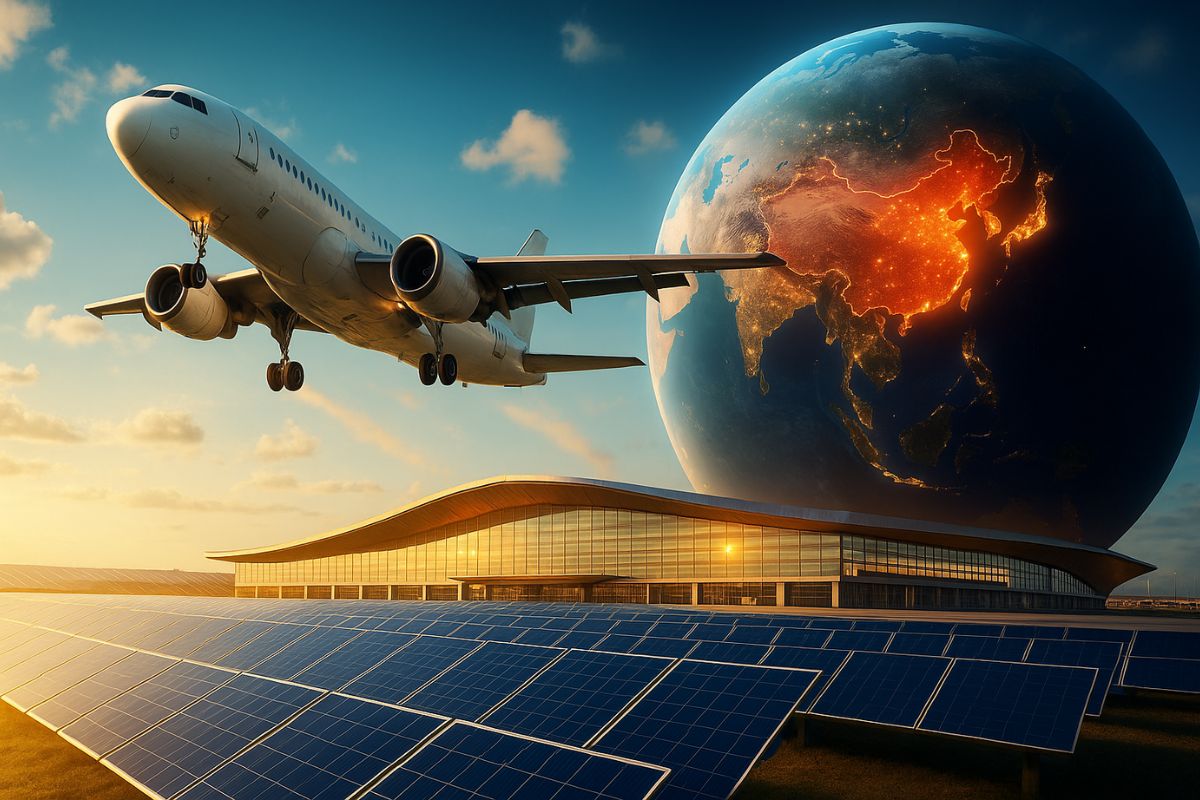


BRICS Bank Finances Megaproject in China with Carbon-Neutral Airport. Billion-Dollar Financing Will Transform Taiyuan Wusu International Airport into a Global Reference in Sustainability
The BRICS Bank finances a megaproject in China with an investment of 1.44 billion yuan (about R$ 1.09 billion), aimed at constructing China’s first airport to operate with zero carbon emissions. The decision was approved by the Board of Directors of the New Development Bank and announced by the institution’s advisory.
The BRICS Bank finances a megaproject in China in a strategic move that reinforces the agenda of energy transition in the transportation sector. Taiyuan Wusu International Airport (TWIA) will be transformed into a sustainable innovation hub, combining solar, geothermal energy, and new energy efficiency technologies.
Who Is Behind the Financing
The initiative comes from the BRICS Bank, composed of Brazil, Russia, India, China, and South Africa, created to finance infrastructure projects in emerging countries. The funding directed to TWIA demonstrates the bloc’s intention to consolidate China as a reference in sustainable aviation, while also strengthening its own influence in the global financial sector.
-
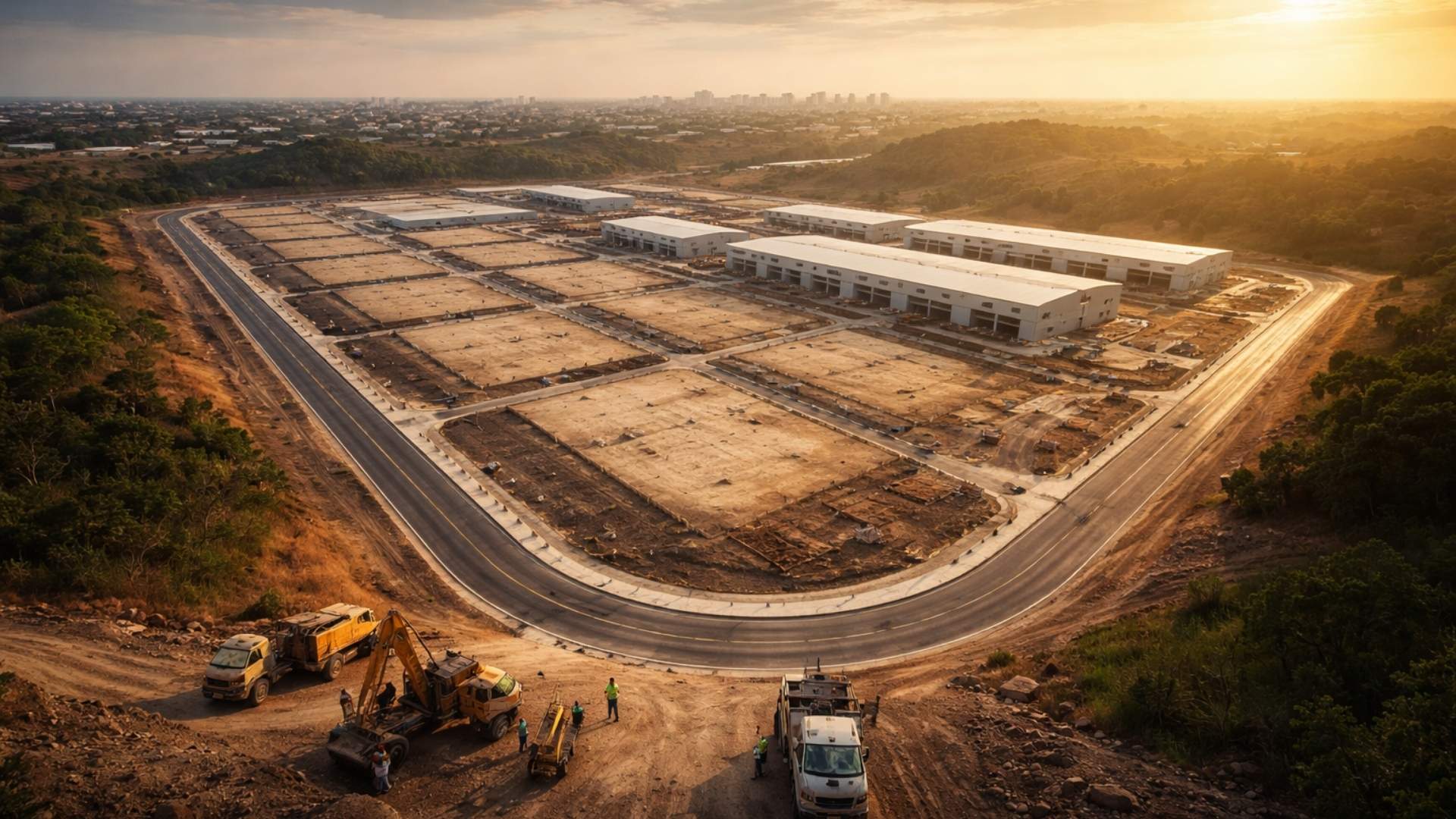
Brazilian city gains industrial hub for 85 companies that is equivalent to 55 football fields.

-
Peugeot and Citroën factory in Argentina cuts production by half and opens a layoff program for more than 2,000 employees after Brazil drastically reduced purchases of Argentine vehicles.

-
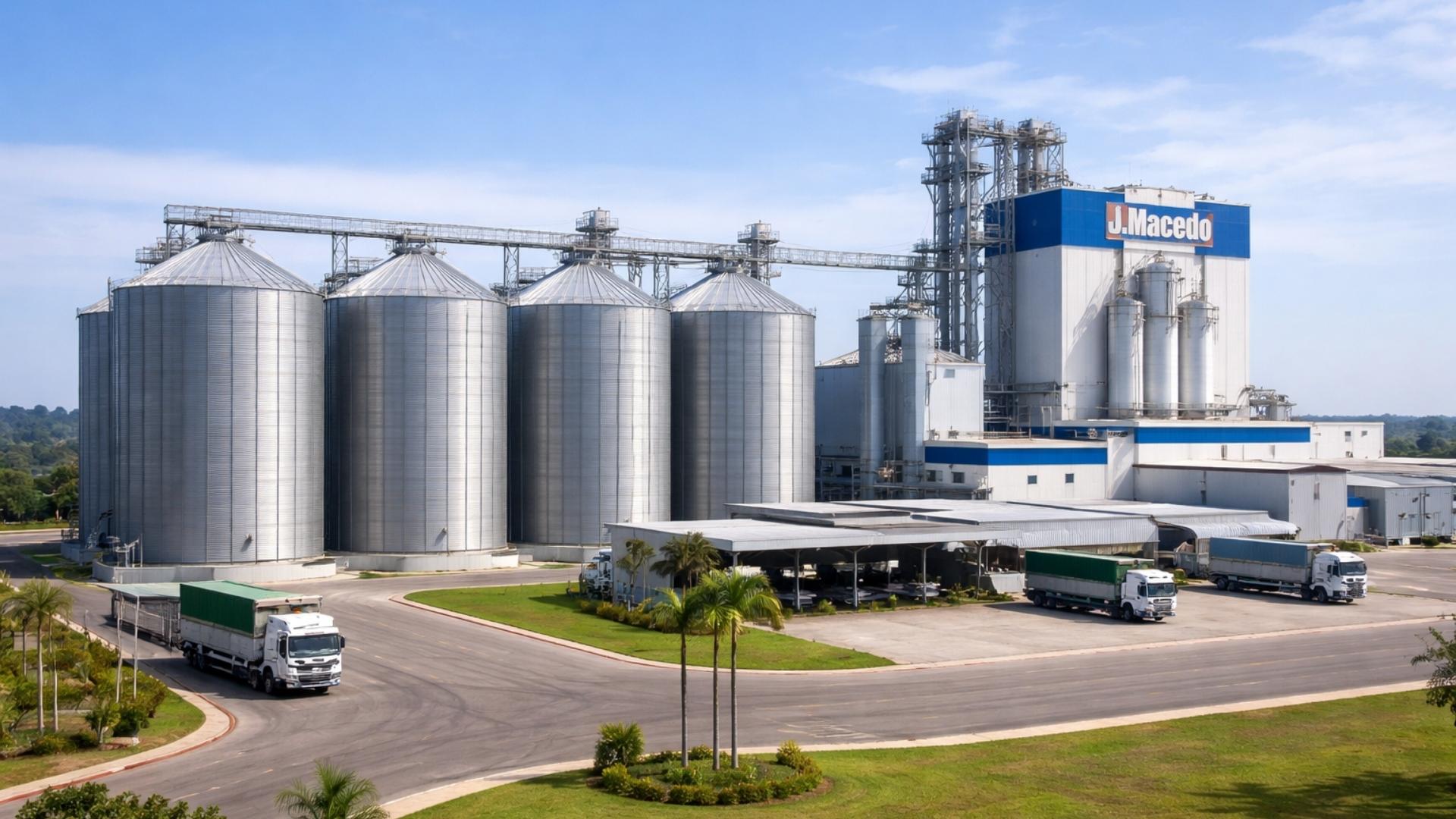
A Brazilian city gains a factory worth R$ 300 million with the capacity to process 200 thousand tons of wheat per year, a mill of 660 tons/day, silos for 42 thousand tons, and an industrial area of 276 thousand m².
-
Havan will leave the shopping mall in Blumenau to inaugurate something that the chain has never done before: a megastore in half-timbered style in the Historic Center of the city, which is expected to be completed in May and change the landscape of local retail.


For the institution, this is not just an air transportation project, but a step towards ecological modernization of critical infrastructure in member countries, with the potential for replication in other regions.
What Makes the Project Innovative
The BRICS Bank finances a megaproject in China that will be pioneering in several aspects. Taiyuan Airport will be the first in the country to install solar panels with a capacity exceeding 100 MW, in addition to adopting PEDF systems (photovoltaic panels, energy storage, direct current, and smart load management).
Another differentiator will be the use of fully renewable heating and cooling, eliminating reliance on fossil fuels. This structure positions TWIA as a leader in the global scene, serving as a laboratory for new sustainable practices in civil aviation.
How Much the Project Will Cost and What the Impact Is
The investment of 1.44 billion yuan shows that the BRICS Bank finances a megaproject in China not only for local impact but also for its symbolic nature. The investment represents a model of financial cooperation among emerging countries, breaking away from exclusive reliance on Western banks and traditional organizations.
The expectation is that the project’s execution will significantly reduce emissions in the sector and serve as a replicable model in other airports in BRICS countries, accelerating the bloc’s climate agenda.
Why This Project Matters for the Future
The BRICS Bank finances a megaproject in China at a time when global aviation is pressured to reduce its environmental footprint. The aviation sector accounts for about 2% of global CO₂ emissions, and initiatives like this can redefine sustainability standards.
If successful, Taiyuan Wusu International Airport could become a reference for new green hubs on a global scale, reinforcing China’s influence in clean technology and the BRICS role in energy transition.
The announcement that the BRICS Bank finances a megaproject in China shows that the environmental agenda has firmly entered the radar of major infrastructure works. With unprecedented technology and high investment, TWIA could become the first carbon-neutral airport in China and an international model for sustainable air transport.
And you, do you believe that the BRICS Bank finances a megaproject in China merely for political strategy or truly as a commitment to the environment? Should this type of project be expanded to other countries in the bloc? Leave your opinion in the comments — we want to hear your view on this global movement.








Toda atividade econômica é política. Há de se incentivar os iniciativas de cunho ambiental. O planeta clama por recursos renováveis. Os Brics tem que possibilitar o rompimento da hegemonia americana e isolacionista
Começou a Lavagem de dinheiro do molusco
Precisamos ter projetos para receber investimentos dessa monta.