





 Portuguese
  English
  Spanish
 3 min of reading
  0 comments


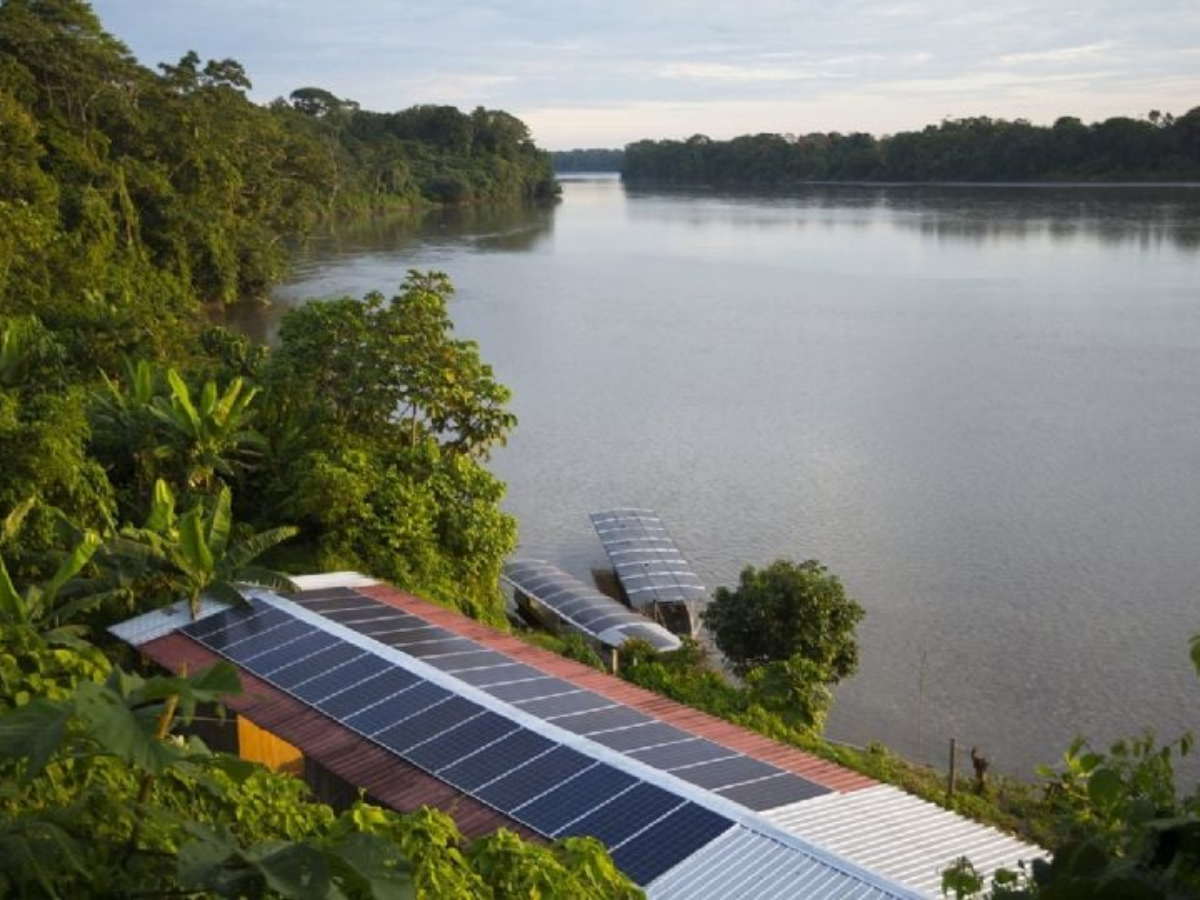
Instead of Using Diesel, Boats Use Solar Energy, Transport Passengers and Help Preserve Indigenous Territories.
Amid the vast and isolated rivers of the Amazon rainforest, an innovative initiative has gained prominence by combining clean technology with environmental protection. The Kara Solar project operates boats powered by solar energy, aiming to replace the use of diesel, one of the most polluting fossil fuels.
The action has transformed transportation in hard-to-reach areas, promoting sustainable mobility for indigenous and riverside populations.
How Do Solar-Powered Boats Work?
The vessels of Kara Solar use photovoltaic solar panels installed on their structures. The captured energy is stored in electric batteries, allowing the boats to navigate even on cloudy days or at night.
-
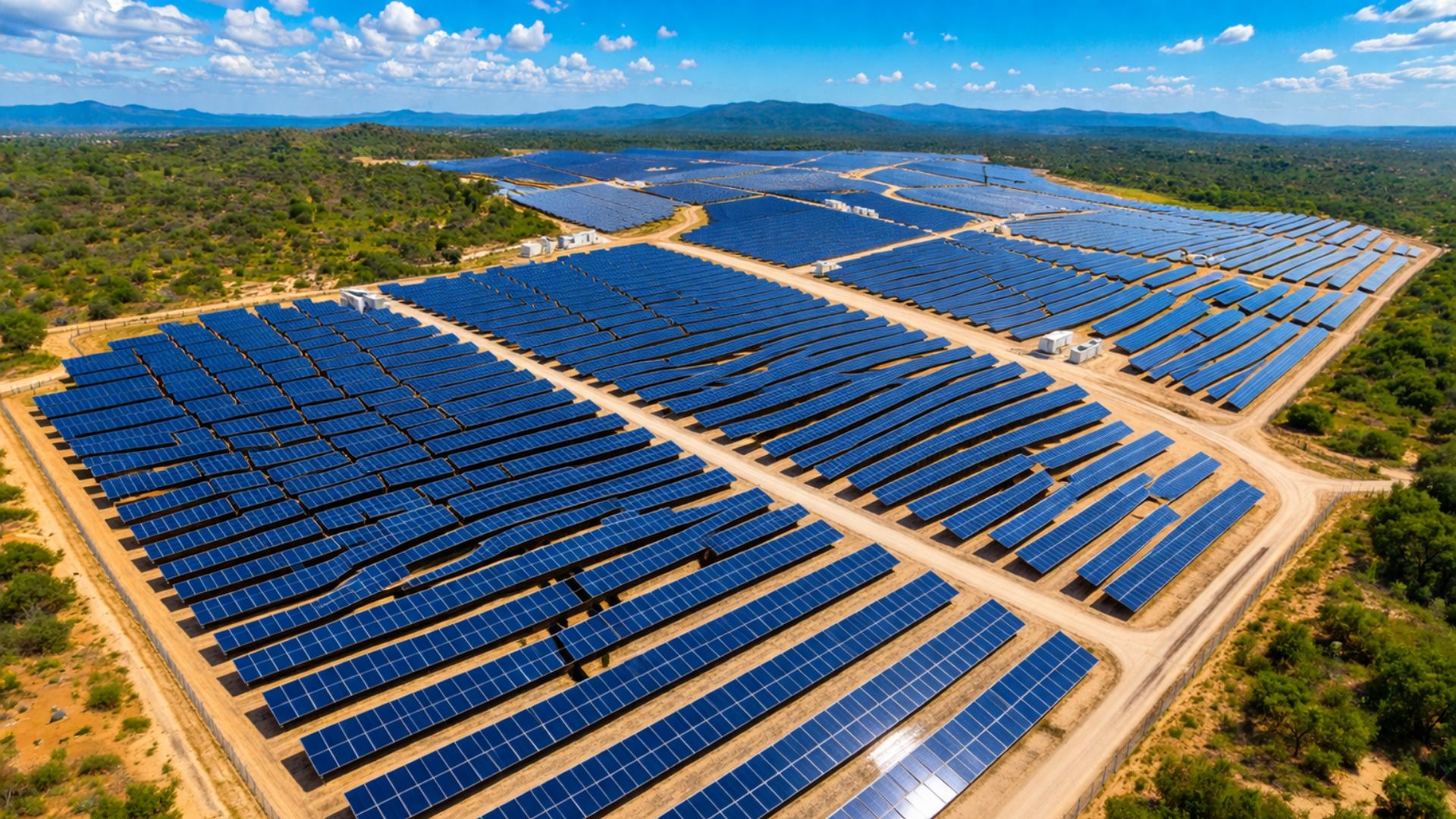
The Sol do Agreste Photovoltaic Complex begins operations in Pernambuco and accelerates the expansion of solar energy in Brazil, directly impacting the reduction of emissions and strengthening the sustainable energy matrix.
-
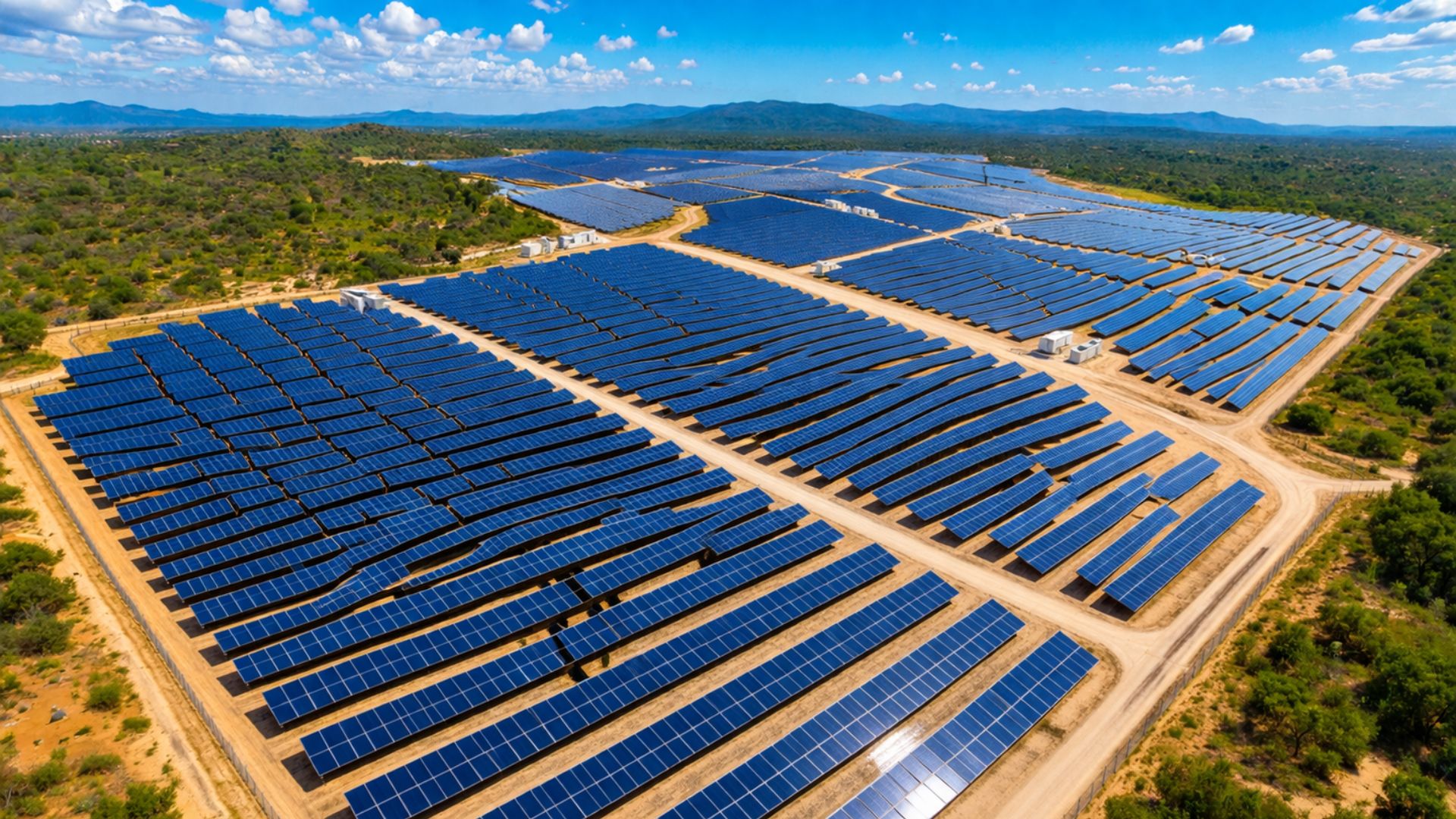
The Sol do Agreste Photovoltaic Complex begins operations in Pernambuco and accelerates the expansion of solar energy in Brazil, directly impacting the reduction of emissions and strengthening the sustainable energy matrix.
-
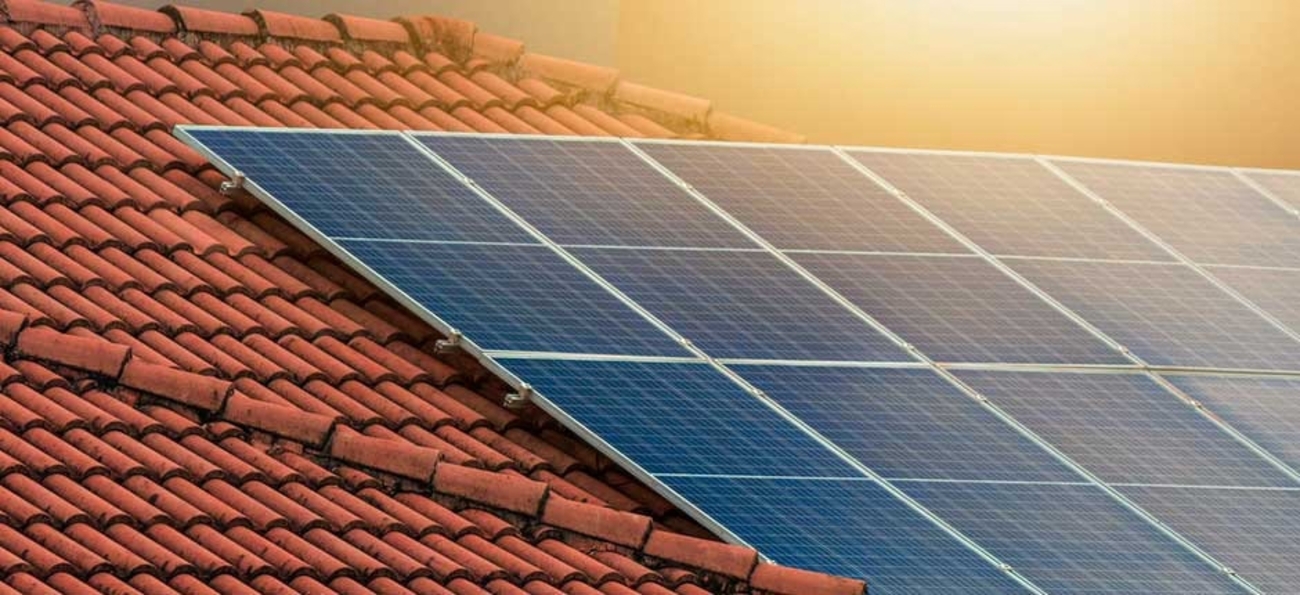
Roraima bets on the sun to escape high tariffs: Amid the energy crisis and price hikes, solar energy is growing in Roraima and transforming consumption in the North region.
-
Copel boosts solar energy in Paraná and brings innovation to public schools, promoting savings on electricity bills, energy efficiency, and a direct impact on the quality of education.

This system replaces the burning of diesel, traditionally used in this type of transportation, and prevents the emission of pollutants, such as carbon dioxide (CO₂).
The Project Was Born Out of Indigenous Inspiration and Grew in South America
Inspired by an initiative of the Achuar indigenous people in Ecuador, Kara Solar began in 2012 with the support of community leaders and socio-environmental organizations. The proposal grew, and in 2018, the first boat was launched into the river.
Since then, the project has expanded to other countries in the Amazon region, such as Brazil, Peru, and Suriname.
Today, there are already ten boats in operation, primarily serving remote communities, facilitating access to health services, education, and commerce.
By replacing fossil fuel with clean energy, Kara Solar has contributed to a significant reduction in diesel consumption.
It is estimated that over 26,000 gallons have been avoided, preventing the emission of around 210 tons of CO₂ into the atmosphere — a significant advancement for environmental conservation.
Additionally, the project has promoted technical training for local residents, with training on solar energy, electrical system maintenance, and boat operation. More than 400 people have already been trained, strengthening the autonomy and sustainability of the involved communities.
Action in Brazil: Innovation in One of the Most Isolated Regions of the Country
Since 2020, Kara Solar has been present in Brazilian territory, with activities concentrated in the Tumucumaque Mountains National Park in Amapá — one of the most remote and preserved areas of the Amazon.
There, the use of solar boats has been essential for connecting indigenous villages and ensuring access to essential services, without compromising the environment with diesel burning.
During events held in Brasília with climate leaders and activists, representatives of the project advocated for the inclusion of traditional populations in global energy transition policies.
Kara Solar has been presented as a concrete example of how it is possible to unite technology, tradition, and sustainability for the planet and its people.







Seja o primeiro a reagir!