





 English
  Francês
  Alemão
  Italiano
  Japonês
  Norueguês
  Portuguese
  Spanish
 3 min of reading


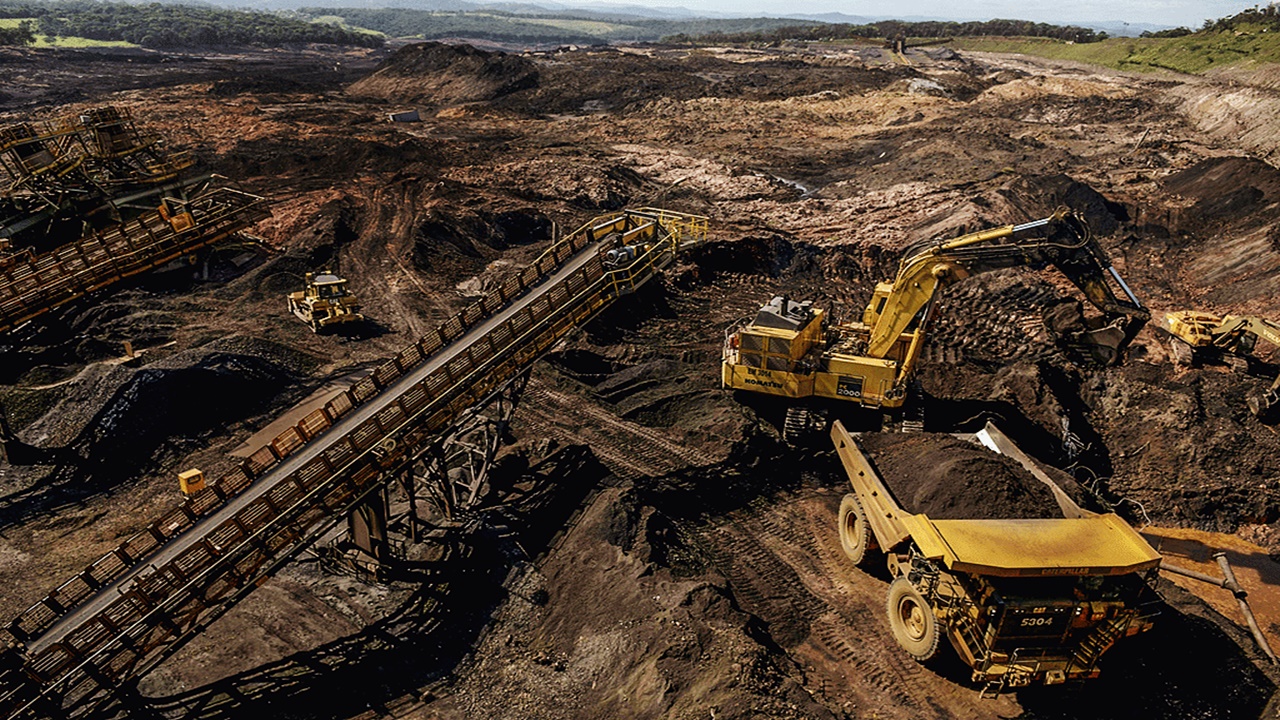
STJ Prohibits Vale’s Iron Ore Dams That May Collapse in Brucutu and Brumadinho, MG
Vale suspended operations at the Brucutu iron ore dam and the Jangada Mine, located in the same area as the Córrego do Feijão Mine in Brumadinho, on Thursday (04/22) by order of the STJ, following a decision by the Secretary of State for the Environment and Sustainable Development of Minas Gerais (Semad) to suspend the Temporary Authorization to Operate (APO) for the first and the Operating License (LO) for the second.
Read Also
- Contracts in Vale’s Projects Demand Job Openings for Elementary and High School for Assistants, Technicians, Interns, and More in MG
- Hydrogen Blend with Ethanol Promises to Revolutionize Performance and Reduce Fuel Consumption in Flex Engines
- Bradesco Calls Candidates Without Experience Seeking First Job Across Brazil for the Young Apprentice Program
- Looking for a Job but No Experience? Heineken Invites Candidates from All Areas Across Brazil for Internship Positions on April 26
According to a statement issued by miner Vale, the existence of a public action filed by the Public Prosecutor’s Office of the State of Minas Gerais and Semad also contributed to the decision. Semad reported that the Laranjeiras Dam has had its licensing acts suspended by the environmental agency since Tuesday and that the process is under judicial secrecy.
The Jangada Mine is adjacent to the Córrego do Feijão enterprise in Brumadinho, where a dam collapsed on January 25, 2019, resulting in the deaths of 150 people and 182 missing. According to the secretary, the activities of the two mines are related and complementary, and the suspension of the Jangada Mine was determined by the environmental agency on the same day the dam collapsed.
-
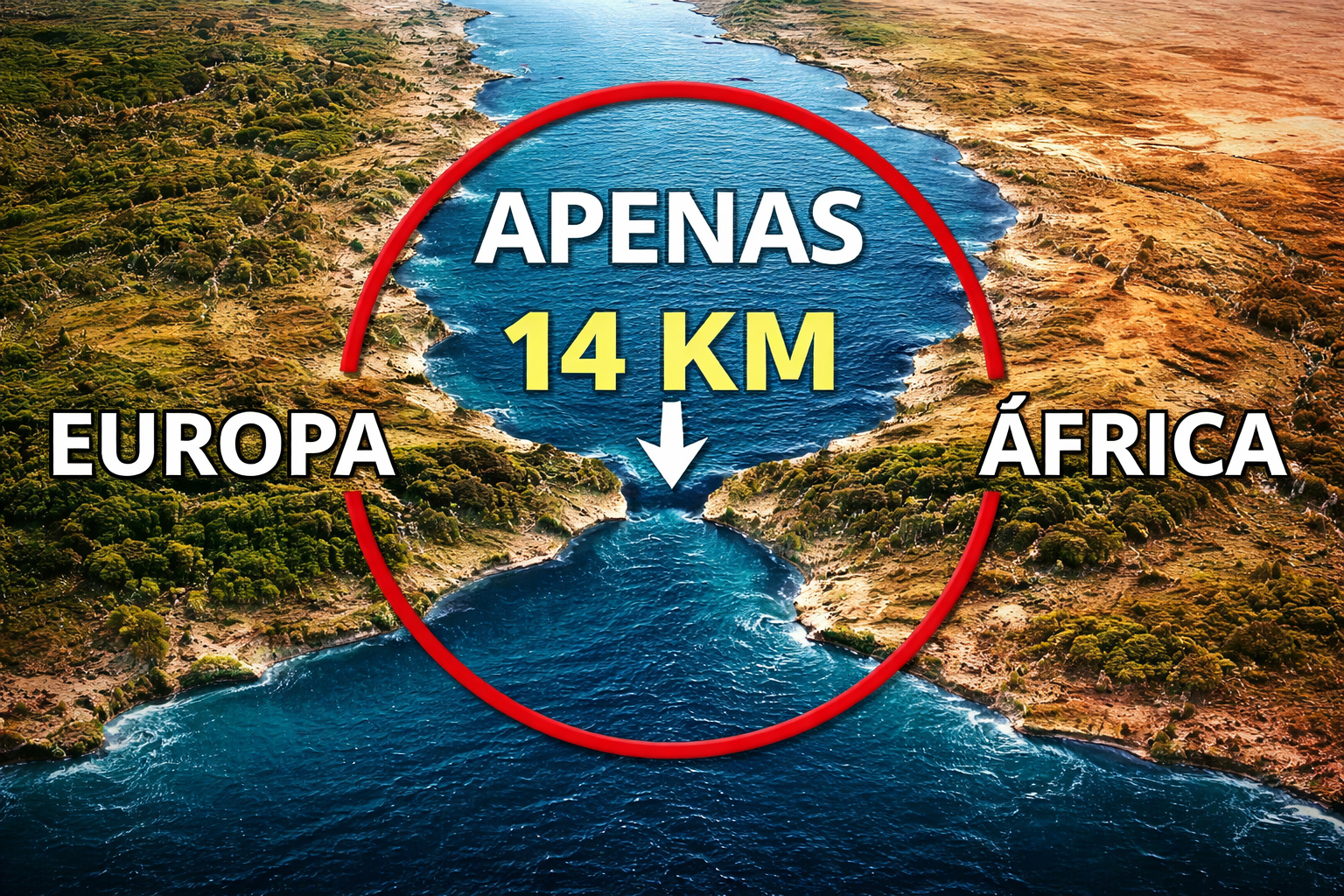
For 45 years, Spain and Morocco have been trying to connect Europe to Africa through a project of just 14 kilometers in the Strait of Gibraltar, and an active tectonic fault on the seabed continues to make the project nearly impossible.
-
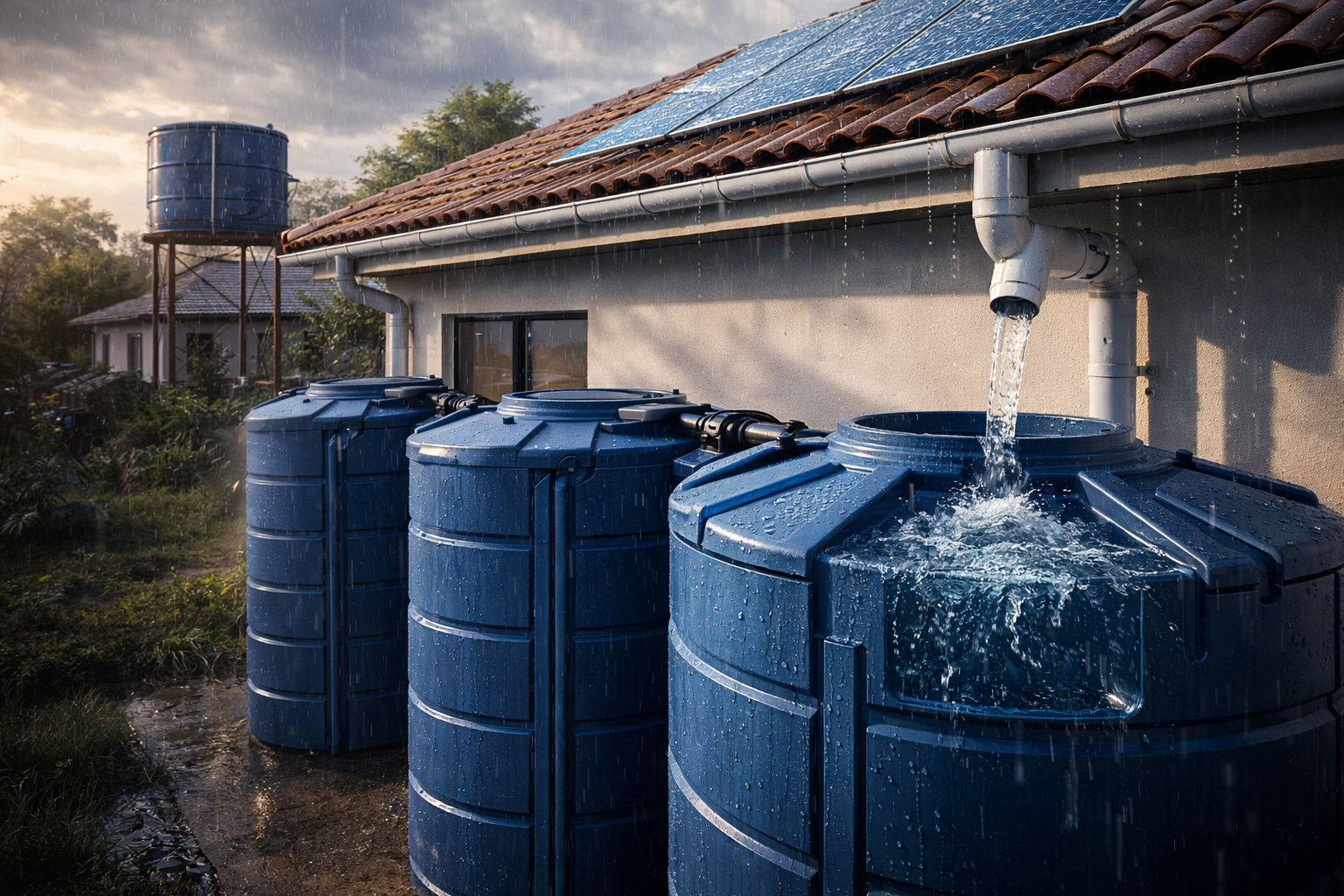
Goodbye expensive water tank: residents replace traditional system with a cheaper and more efficient solution that reduces water consumption and reuses rainwater.
-
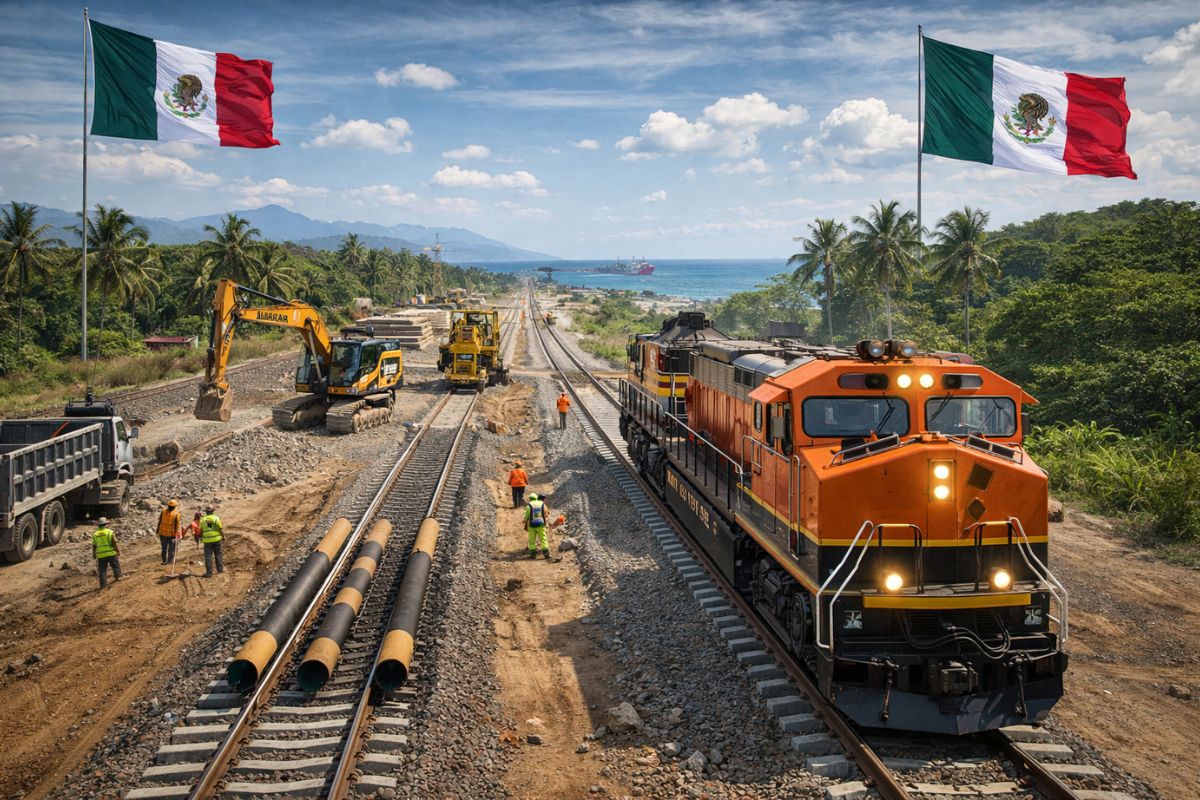
Mexico is building a 300-kilometer railway corridor that connects the Pacific to the Atlantic in just seven hours and wants to compete directly with the Panama Canal, which is already facing water scarcity issues.
-
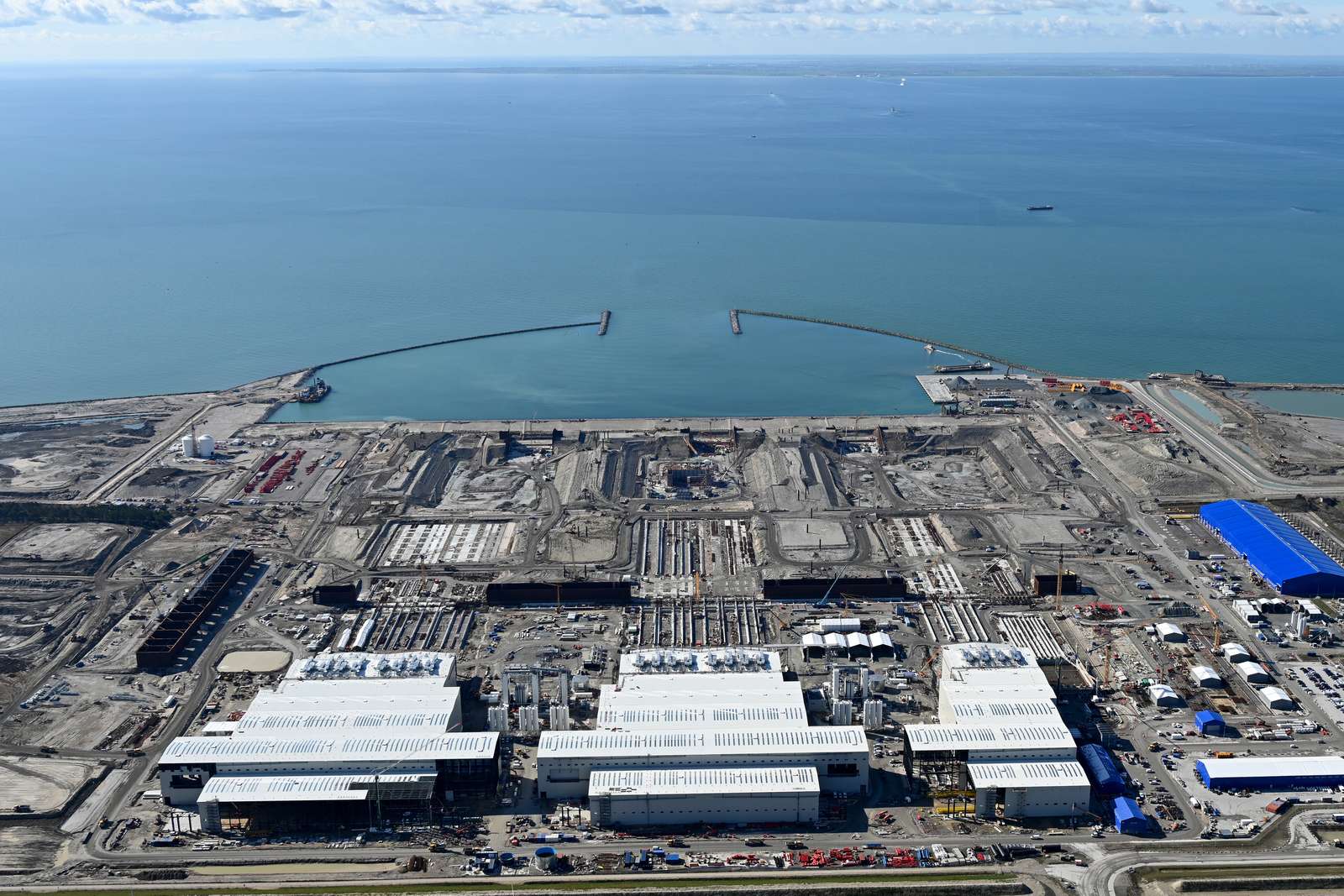
The largest tunnel module factory in the world was built from scratch on a beach in Denmark to produce 89 concrete blocks and will be demolished after the project: each structure weighs up to 10 times the Eiffel Tower and will be installed on the bottom of the Baltic Sea with an accuracy of 12 millimeters in a tunnel that will halve the travel time between Hamburg and Copenhagen.

The National Mining Agency at the Brucutu Mine, where the dam is located, showed that the dam is unstable and exhibits weaknesses in its geomechanical behavior. There are cracks in the dam whose cause has not yet been identified.
The MPF Claims That the Dam’s Safety Levels Are Below Those Required by Brazil’s Mining Laws.
With the STJ’s decision, a determination from the state court that had suspended the operation of Vale’s dam in 2019 was reinstated. This local order had been in abeyance since June of that year when it was suspended by Minister João Otávio de Noronha.
On Thursday, the minister stated that he decided to restore the state court’s ruling since the new report from the ANM, while not a conclusive expertise, failed to certify the operation of Vale’s dam and “speaks of uncertainties about local safety.”
Since 2019, several initiatives for evacuation and relocation of residents have been carried out in the region. In February, Vale conducted another evacuation of residents from the vicinity of the dam.
Even Without Generating Energy, Vale Mining Company Has Already Received Over R$ 500 Million for Buried Dam in MG
Vale, which had a hydroelectric plant’s operations halted following the tragedy in Mariana (MG), continues to collect money as if it were generating energy. In over 5 years, the company has received more than 500 million reais. By decision of the Federal Court, the plant has been kept in the “energy redistribution mechanism,” a distribution system in the electrical sector designed to mitigate losses during droughts.
The case was brought to court, and Aneel – the National Electric Energy Agency – attempted to prevent payments to Vale. Since the tragedy, even though the plant has not produced energy, the company has already received over R$ 500 million, as if it were in operation to this day.
The agency shows that, in fact, all plants pay monthly for the Risoleta Neves plant and gradually pass the cost to electricity consumers in Brazil on their bills. Aneel data indicates that this situation has resulted in direct losses of over 100 million reais to consumers.










Seja o primeiro a reagir!