





 Portuguese
  English
  Spanish
  8 min of reading
  1 comment


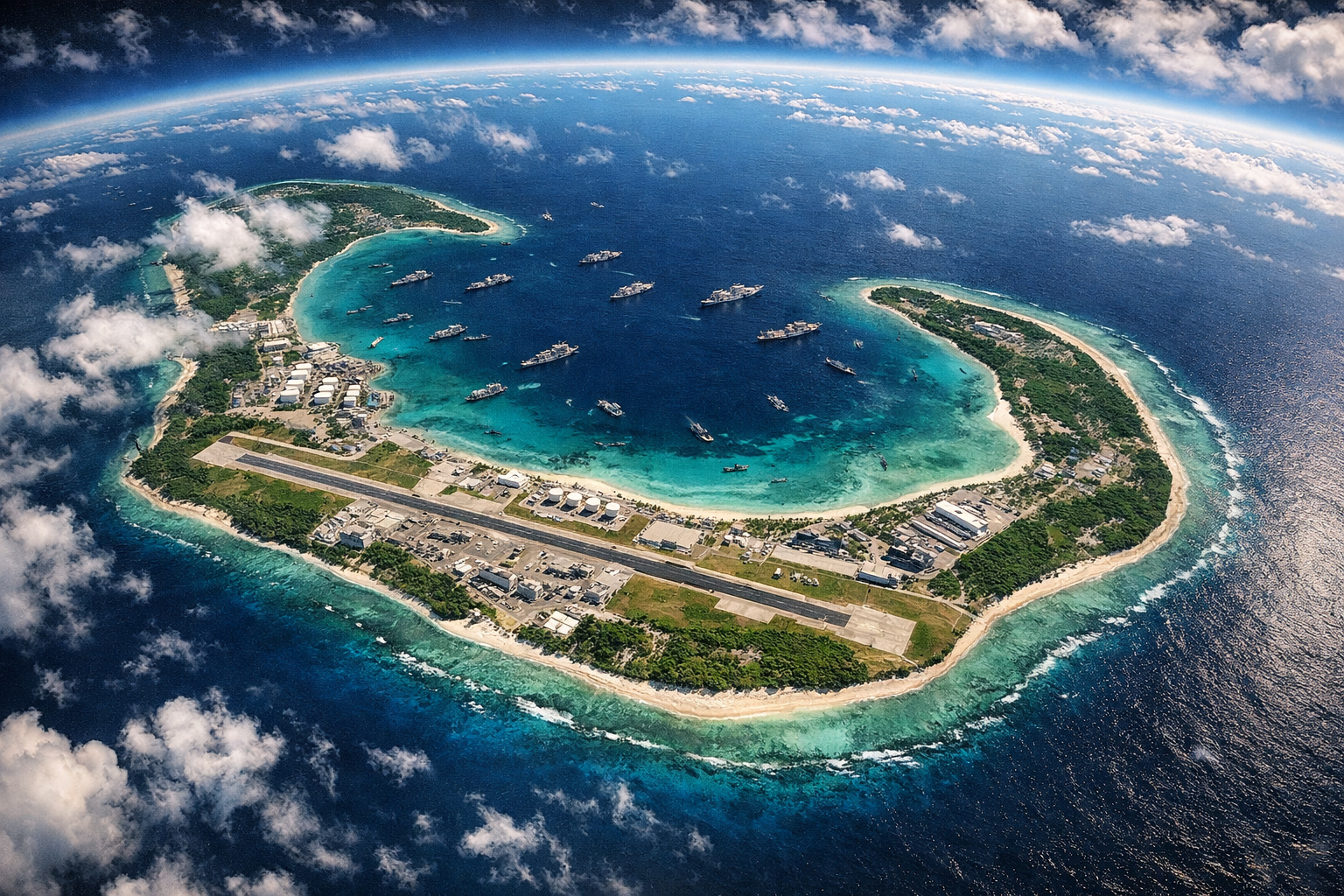


Diego Garcia: The Secret Military Island of 30 Sq Km in the Indian Ocean That Houses Nuclear Bombers, Warships, and One of the Most Strategic Bases of the United States
Diego Garcia: The Military Island in the Indian Ocean That Almost Does Not Appear on Diplomatic Maps. Diego Garcia Practically Does Not Exist Formally for Most Countries in the World. The Island Has No Permanent Civilian Inhabitants, Has No Local Government, and Is Not Represented in Any Regional Organization. It Is a Horseshoe of Coral Located in the Center of the Indian Ocean, Approximately 726 km South of the Maldives and Almost 3,000 km from the Nearest Coast of Africa. Despite Its Apparent Geographical Insignificance, It Is From This Remote Point That the United States Projects Military Power over the Middle East, South Asia, and East Africa for More Than Half a Century.
The Military Base Installed There Is Operated by the United States Navy with British Presence, within the British Indian Ocean Territory. Within the Pentagon, the Installation Is Known as “The Footprint of Freedom.” For the Chagossians, the People Who Were Removed from the Island to Build the Base, the Meaning of the Place Is Very Different.
The Military Infrastructure of Diego Garcia: What Exists on an Island of Only 30 Sq Km
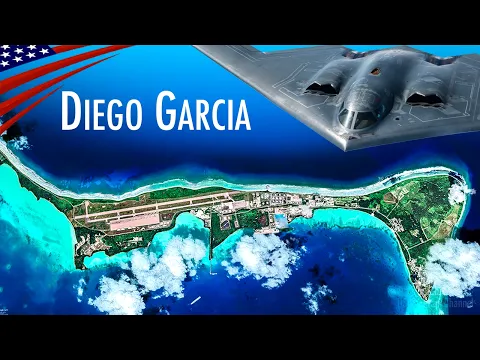
The Infrastructure Accumulated Over More Than 50 Years of Continuous Military Construction Is Hard to Imagine for Such a Small Territory. The Main Runway of the Base Has 3,659 Meters in Length and 61 Meters in Width, Constructed of Reinforced Concrete and Equipped with Emergency Arrest Systems at Both Ends.
-
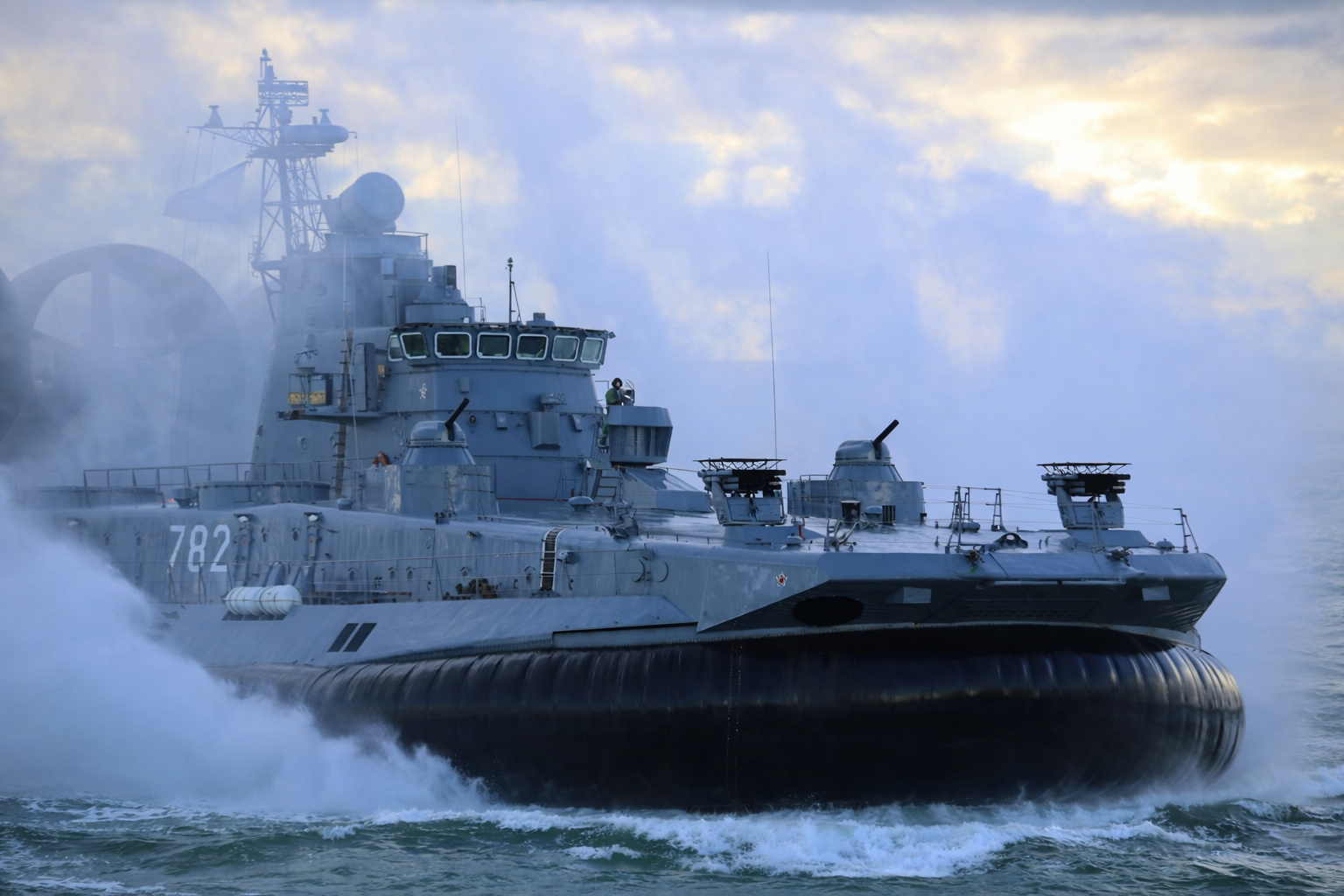
Classified as a “amphibious monster” weighing 555 tons, 57 meters long, and featuring three propellers with a diameter of 5.5 meters, the Zubr is the largest military hovercraft ever built, capable of transporting 3 tanks or 500 soldiers at speeds exceeding 100 km/h over water, ice, and sand, and China has resumed production of it to project power in the South China Sea.
-
The U.S. Army receives the first Black Hawk helicopter that can fly without pilots, be controlled by a tablet, and even land on its own during high-risk missions.

-
With 11,000 tons and sensors capable of hunting submarines at long distances, the Type 055 has become one of the most feared floating arsenals of the Chinese navy.

-
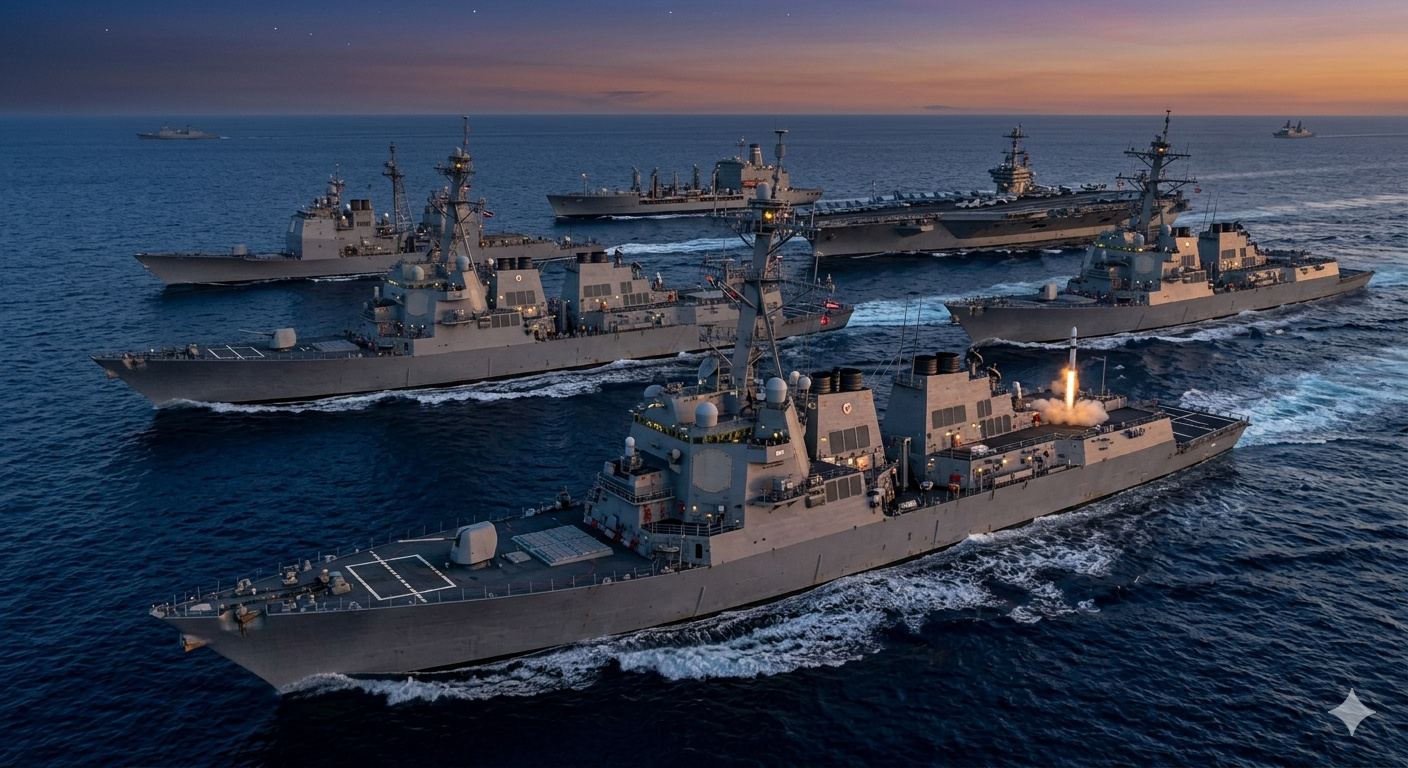
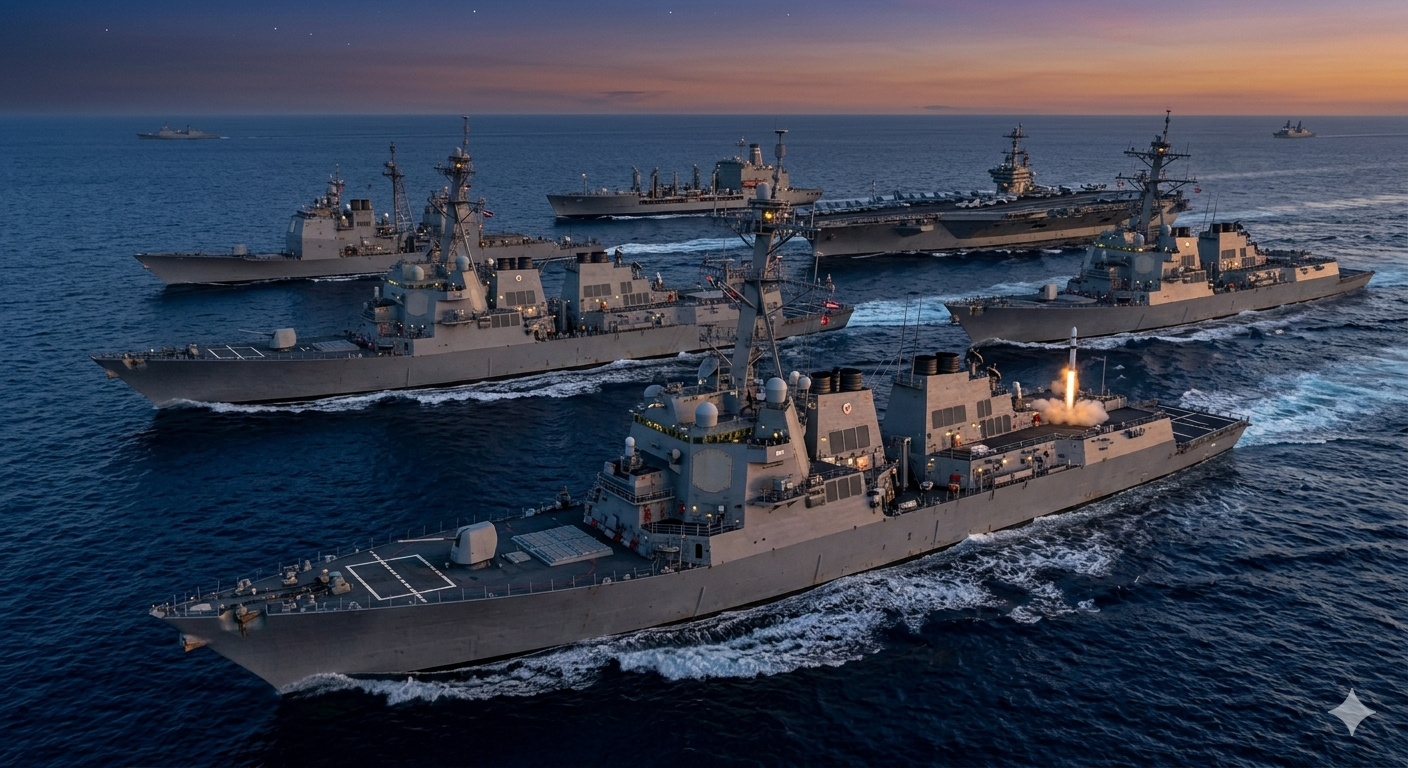
With over 15,000 tons, radars capable of tracking hundreds of targets simultaneously, and more than 120 missiles ready for launch in seconds, modern destroyers cease to be escorts and begin to dominate the naval battlefield.
This Runway Was Designed to Simultaneously Operate Some of the Largest Military Aircraft on the Planet, Including:
- C-5 Galaxy
- C-17 Globemaster
- B-52 Stratofortress
- B-1B Lancer
- B-2 Spirit
All Are Strategic Aircraft Capable of Transporting Conventional and Nuclear Armaments. The Air Area of the Base Also Includes Large Parking Yards for Heavy Bombers, Maintenance Hangars, Logistics Depots, and a Complete Military Air Terminal.
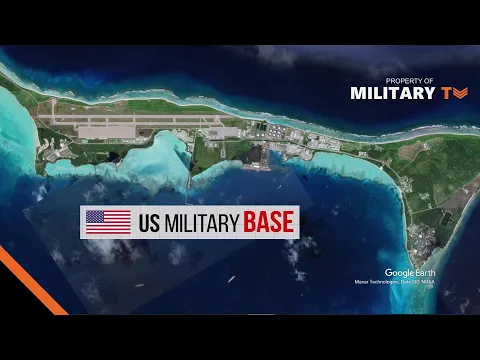

At the Island’s Port, 20 Maritime Prepositioning Ships from Maritime Prepositioning Ship Squadron Two (MPSRON 2) Remain Permanently Anchored Within the Natural Lagoon. These Ships Function as Floating Warehouses Loaded with:
- Battle Tanks
- Armored Vehicles
- Ammunition
- Spare Parts
- Fuel
- Mobile Field Hospitals
The Collection of Equipment Stored on These Ships Is Sufficient to Sustain a Marine Brigade in Combat for Up to 30 Days Without Any External Resupply.
Below the Island’s Soil, There Is Also an Impressive Water System. Over 100 Shallow Horizontal Wells Extract Fresh Water from an Underground Aquifer of 3.7 Sq Km.
The Production Exceeds 560,000 Liters of Water per Day, While Geologists Estimate That the Aquifer Contains About 19 Million Cubic Meters of Water, a Volume Sufficient to Supply Approximately 3,500 People at Western Consumption Standards.
Diego Garcia as a Military Logistics Base: The Largest Strategic Fuel Depot in the Indian Ocean
The Number That Perhaps Best Defines Diego Garcia’s Strategic Role Is Its Fuel Storage Capacity.
The Base Has Tanks Capable of Storing About 1,340,000 Barrels of Fuel, Equivalent to Approximately 213,000 Cubic Meters. This Turns the Island into a True “Military Gas Station” of the Indian Ocean.
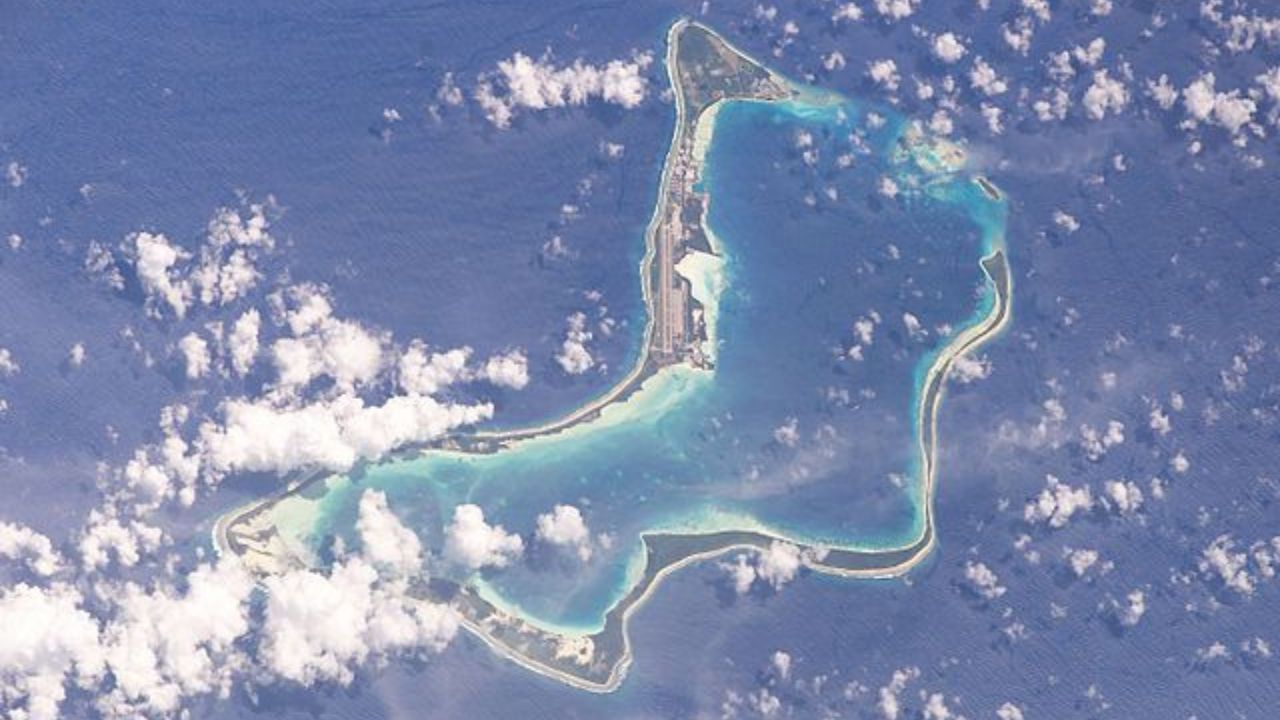
In Any Large-Scale Military Operation in the Geopolitical Arc Extending from the Strait of Hormuz to the Arabian Sea, Diego Garcia Functions as an Advanced Supply Point.
The Facility Is Not Just a Conventional Garrison Base. It Was Designed as a Power Projection Platform, Capable of Sustaining Large-Scale Air and Naval Operations in a Region of the Planet Where the United States Does Not Have Other Comparable Permanent Bases.
The Island’s Deep-Water Port Can Accommodate:
- Aircraft Carriers
- Destroyers
- Cruisers
- Submarines
The Docks Have Modern Rapid Refueling Systems, and the Base Also Maintains Maintenance and Repair Facilities for the Prepositioning Ships. This Logistical Capability Virtually Does Not Exist at Any Other Point in the Indian Ocean Outside of Diego Garcia.
The Expulsion of the Chagossians: The Story of the Population Removed to Build the Military Base
In Order for Diego Garcia to Become a Strategic Military Base, All the People Living in the Chagos Islands Were Removed. The Chagossians Were Descendants of Enslaved Africans and Indentured Laborers from India Who, Over Generations, Developed Their Own Culture, with Language, Traditions, and Distinct Social Identity.
In 1965, the United Kingdom Separated the Chagos Archipelago from Mauritius. The British Government Paid About £3 Million to the Mauritian Government in Exchange for Territorial Renunciation and Created the British Indian Ocean Territory.
The New Territorial Entity Was Established Specifically to Facilitate the Construction of an American Military Base. The Expulsion Process Took Place Between 1967 and 1973.
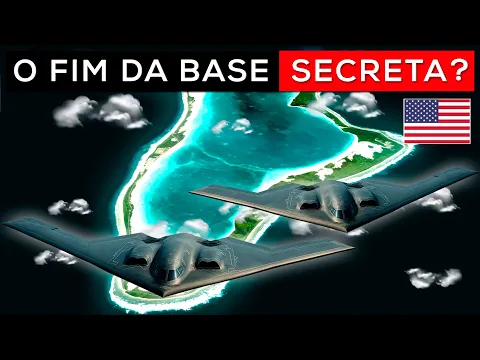
Initially, the British Government Gradually Reduced the Supply of Food and Medicines to the Inhabitants of the Islands. When American Construction Teams Arrived in 1971, the British Ordered the Inhabitants of Diego Garcia to Leave the Island.
The Dogs Belonging to the Residents Were Gassed by Authorities. About 2,000 People Were Embarked on Ships and Deported to Mauritius and the Seychelles, Often Without Prior Notice. Whole Families Were Forced to Leave Behind Homes, Belongings, and Land.
The Financial Compensation Paid Later Was Extremely Small: Approximately US$ 6,000 Per Person, Paid Only 15 Years After the Expulsion.
Secret Documents and the American Demand for a “No Locals” Island
Subsequently Declassified Documents Revealed That the United States Had Already Identified Diego Garcia as an Ideal Location for a Naval Base in 1958. However, There Was an Explicit Condition: The Territory Should Remain Under Exclusive Control and Free of Permanent Local Population.
An American Admiral Stated in Memos That the Inhabitants of the Islands “Absolutely Should Leave”.
In Internal British Government Documents, the Chagossians Were Even Referred to as “Men Fridays”, a Colonialist Reference to the Character Friday from the Novel Robinson Crusoe. The American Congress and the British Parliament Were Also Not Informed of a Secret Payment of US$ 14 Million Made by the United States to the United Kingdom to Cover the Costs of the Population’s Expulsion.
In 2000, a British Court Declared the Expulsion Orders Illegal. Subsequently, in 2019, the International Court of Justice Declared That the United Kingdom No Longer Had Legitimate Sovereignty over the Chagos Archipelago and Recommended That the Administration of the Islands Be Transferred to Mauritius “As Soon As Possible.”
The UN General Assembly Approved a Resolution Demanding That the United Kingdom Initiate This Process Within Six Months. For Years, the Decision Was Ignored.
The GPS Station in Diego Garcia: Why the Whole World Depends on the Island Without Knowing
Diego Garcia Does Not Only House an Air and Naval Base. The Island Also Has One of the Four Ground Stations Essential for the Operation of the Global Positioning System (GPS). The Other Three Main Stations Are Located in:
- Cape Canaveral (United States)
- Kwajalein Island (Pacific)
- Ascension Island (South Atlantic)
These Four Facilities Are Responsible for Synchronizing the Atomic Clocks of GPS Satellites in Orbit, Ensuring the Global Accuracy of the System.
This Means That Any Smartphone Showing a Location, Any Airplane Navigating by Satellite, or Any Ship Using GPS in the Indian Ocean Depends, in Part, on Systems Operating on This Tiny Coral Island Whose Maximum Elevation Is Only 9 Meters Above Sea Level.
The Base Also Operates the GEODSS (Ground-based Electro-Optical Deep Space Surveillance), a System for Tracking Objects in Deep Space.
Additionally, There Is a Signals Intelligence Station on the Island Whose Operation Is Not Publicly Described in Detail, but Which Security Analysts Associate with the National Security Agency (NSA) of the United States.
Diego Garcia in Modern Wars: Gulf, Afghanistan, Iraq, and Conflicts in the Middle East
The Operational History of the Base Tracks Almost All Major Conflicts in the Middle East Over the Last Decades. During the Gulf War of 1991, B-52G Bombers Stationed in Diego Garcia Participated in the Air Operations of the Coalition That Drove Iraqi Forces Out of Kuwait.
After the Attacks of September 11, 2001, B-1, B-2, and B-52 Bombers Took Off from the Island to Attack Taliban and Al-Qaeda Positions in Afghanistan. The Base Was Used Because Several Countries in the Region, Including Turkey, Pakistan, and Saudi Arabia, Refused to Allow the Use of Their Bases for Combat Missions.
In 2003, Diego Garcia Was Also Used in the Initial Bombardments of the Invasion of Iraq. More Recently, Between 2024 and 2025, the Facility Was Again Used in Air Operations Against Houthi Positions in Yemen.
In January 2026, President Donald Trump Wrote on His Social Network That the United States Might Need to Use Diego Garcia to Neutralize a Possible Iranian Attack, If No Agreement Were Reached on the Country’s Nuclear Program.
The Sovereignty Agreement for the Chagos Islands and the 99-Year Lease of the Military Base
In October 2024, British Prime Minister Keir Starmer Announced That the United Kingdom Would Transfer Sovereignty of the Chagos Archipelago to Mauritius.
The Agreement, However, States That the Area Occupied by the Diego Garcia Military Base Will Continue to Be Used by the United States and the United Kingdom Through a 99-Year Concession, with the Possibility of Renewal for an Additional 40 Years. The Cost of the Lease Was Set at About £101 Million Per Year Paid to the Government of Mauritius.
In Addition, the United Kingdom Established a Fund of £40 Million for the Chagossians and Promised Additional Payments of £45 Million Per Year to Mauritius for 25 Years.
In January 2026, Donald Trump Publicly Criticized the Agreement on Truth Social, Writing: “DON’T HAND DIEGO GARCIA OVER!” and Calling the Treaty “An Act of Great Stupidity.”
Just Days Later, the American Government Itself Declared Support for the Agreement. Satellite Images Released on February 1, 2026 Showed at Least Six Military Aircraft Stationed on the Base Runway, Suggesting a Period of Increased Operational Activity Related to Operations in the Middle East.
The Sovereignty of the Islands Changed. The Base Remained.
The Future of the Chagossians and the Dispute Over the Right to Return to the Islands
More Than Five Decades After the Expulsion, Most Chagossians Live in Mauritius, Seychelles, and the United Kingdom. Many Face Poverty and Are Classified as Marginalized Foreigners in the Countries That Received Them.
The Treaty Signed in May 2025 Allows Return to Some Islands of the Chagos Archipelago. However, the Agreement Explicitly Prohibits Return to Diego Garcia Island, Where the Military Base Is Located.
In 2026, a Group of Chagossians Landed without Authorization on the Island of Île du Coin, Attempting to Reestablish a Permanent Settlement and Initiated Legal Action to Ensure the Right to Stay.
The United Nations Committee on the Elimination of Racial Discrimination Expressed Deep Concern About the Terms of the Agreement.
The Organization Human Rights Watch Described the Original Expulsion of the Population as a Possible Crime Against Humanity. The Base That the Pentagon Describes as the “Footprint of Freedom” Was Literally Built on the Forced Disappearance of an Entire Community.







A culpa é dos reptilianos que vivem na ilha!