





 Portuguese
  English
  Spanish
  5 min of reading
  0 comments


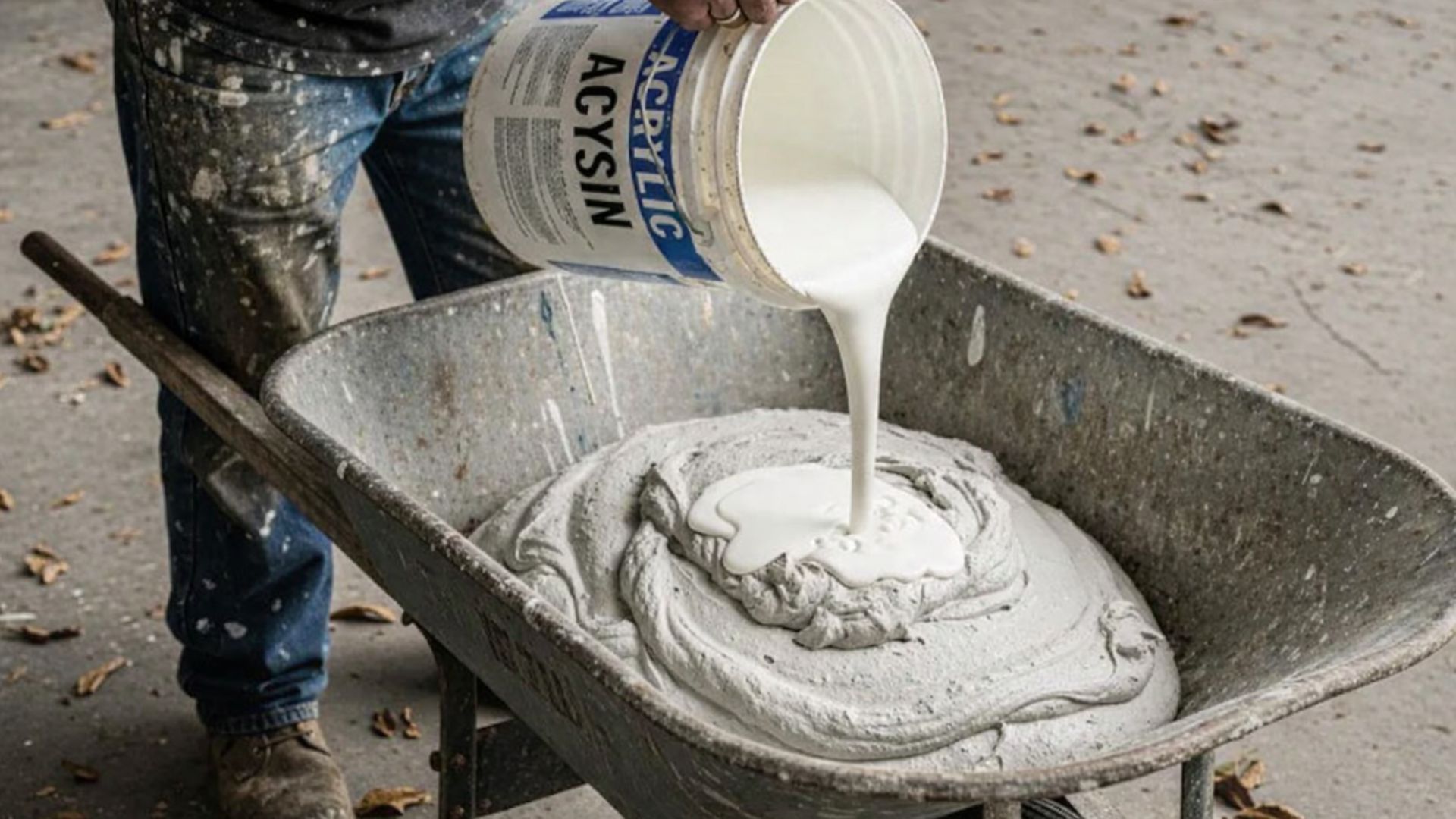
Cement Mix With Acrylic Resin Goes Viral on Social Media as a Homemade Alternative for Waterproofing Slab Floors and Pavements. Demonstration Promises Rubberized Effect and Water Resistance After 24 Hours of Drying, but Raises Questions About Actual Performance and Lack of Technical Specifications.
A homemade mix of cement, water-based acrylic resin, and pigment has gone viral on social media, promising a “rubberized paint” capable of protecting slabs, floors, and pavements against moisture and infiltrations.
The demonstration shows direct application on rough flooring, drying in 24 hours, and a test with water and soap, but does not present a technical data sheet, exact proportions, performance tests, or identification of the person responsible for the formulation.
Homemade Recipe That Went Viral on Social Media
The most striking point in the video is the appeal of simplicity.
-
New CCR concrete paving technology promises roads up to 3x more durable, less maintenance, and cost reduction in Brazil.

-
Made from recycled plastic, plastic wood is gaining space in the construction industry because it does not rot, resists moisture, and reduces maintenance costs over the years.

-
Florianópolis will receive a million-dollar BRT that will begin construction in 2026 with nearly 400 million in funding from the federal government and the Inter-American Development Bank, and the map already shows the routes for the exclusive bus corridors.

-
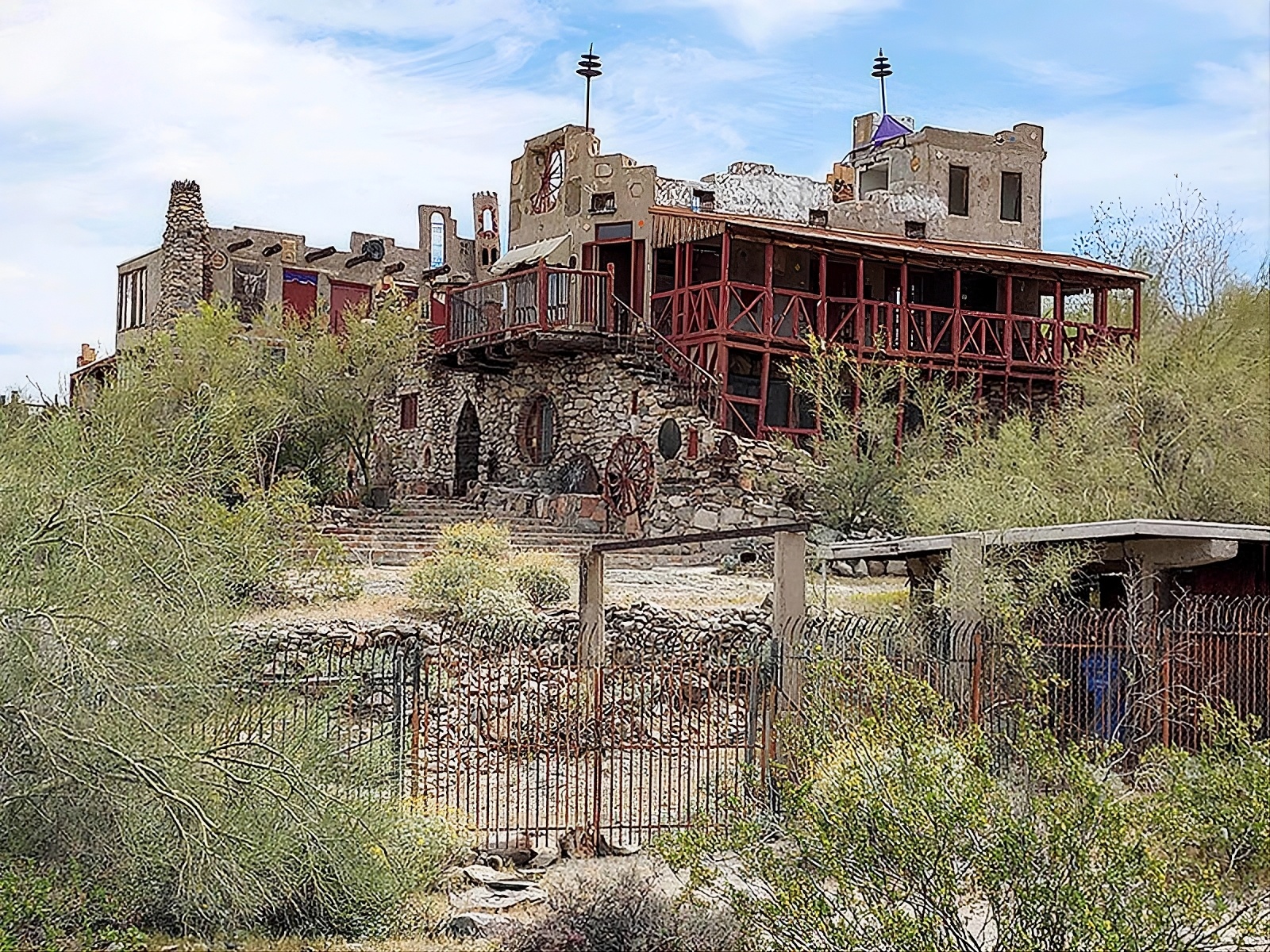
Without a blueprint, without an engineer, and using scrap from the dump, a father spends 15 years building an 18-room castle for his daughter, featuring tram tracks, 13 fireplaces, and over 700 m², which may now be demolished.

First, the cement is poured into a container.
Then, the acrylic resin is gradually incorporated while the mixture is stirred until it loses lumps and achieves a uniform appearance.
After that, the pigment, described as a liquid, is added, although there is also mention of using the powder version to change the final color of the coating.


In practice, the combination presented attempts to replicate, in a handcrafted manner, a well-known principle in the waterproofing market: the association between cementitious components and acrylic polymers.
Manufacturers in the sector offer bicomponent products based on this, but they are industrialized, contain specific additives, have defined usage indications, and are sold with technical guidance for concrete, mortars, or masonry.
Thus, it is not an automatic equivalence between the homemade mix and the ready-made systems sold for construction.
Difference Between Homemade Mix and Professional Products
This detail is central because the video suggests an overly broad use, including thick floors, pavements, and slabs with leaks or infiltrations, without distinguishing the requirements of each surface.
The ABNT NBR 9574, a standard for waterproofing execution, specifically addresses criteria for protection against fluid passage in construction parts that require tightness, which reinforces the need for correct specification of the system instead of generic solutions presented as universal.
Another relevant point involves the acrylic resin itself.
Technical bulletins from consulted manufacturers indicate that this type of product, when formulated to waterproof or protect porous surfaces, is intended for tiles, exposed concrete, exposed bricks, natural stones, and cement floors.
In some cases, the recommendation is explicit: the resin should not be applied over glazed, vitrified, waxed, or non-porous surfaces, and prior moisture problems need to be addressed before painting.
Lack of Proportion and Technical Data in the Demonstration
The recording also recommends sifting the cement if the material is lumpy, which makes practical sense to reduce lumps and improve homogenization.
Still, the absence of the proportion between cement, resin, and pigment prevents any objective verification of viscosity, coverage, adhesion, elasticity, and weather resistance.
Without this basic data, there is no way to confirm whether the result obtained in a small area can be safely repeated across the entire slab or on a pavement exposed to sun, rain, and temperature fluctuations.
Water Test and Promise of Waterproofing
During the application step, the mixture is spread over a rough floor with a brush, in a continuous layer, and the narrator claims that the compound can be used in outdoor areas and on slabs with infiltrations.
After 24 hours, a detergent test with water and a broom appears to support the idea that the film has become waterproof and rubberized.
Next, the advice is given to apply two extra coats of pure acrylic resin over the already painted area, as a way to reinforce water resistance.
This addition of pure resin finds some parallel in the technical data sheets of market products, which usually recommend two to three coats and allow for more layers on very porous surfaces when greater protection or sheen is sought.
There are also specific guidelines on drying.
One of the resins consulted indicates touch-dry in 30 minutes, an interval of four hours between coats, final drying in 12 hours, and a minimum wait of 24 hours for pedestrian traffic, in addition to 48 hours for light vehicles.
None of this, however, automatically validates the homemade recipe, since each industrialized product works with defined composition, thickness, and yield.
Surface Preparation Also Influences the Result
Care with the base is another aspect little explored in the demonstration.
Technical documents from manufacturers inform that plaster, rendering, concrete, and new cement floors need to undergo a minimum curing period of 30 days before receiving waterproofing resin.
Additionally, preparation includes cleaning, dust removal, correction of imperfections, and elimination of moisture, as painting should not begin on a substrate with an active infiltration problem.
When the video presents the mix as a direct solution for slabs with leaks, this technical context is absent.
Also noteworthy is the interchange of terms like “rubberized paint,” “waterproofing,” and “water resistance”, used as if they were absolute equivalents.
In the market, there are important differences between protective resins for porous surfaces, liquid acrylic membranes, and bicomponent waterproofing mortars.
Some are aimed at exterior walls, others at roofs and slabs, while flexible cementitious coatings are indicated for suspended structures and areas subject to micro-cracking.
This technical distinction changes the expected performance and method of application.
Second Mix Presented in the Video
The final part of the recording also presents a second mix, made with glue, alcohol, and pigment, for painting iron, plaster, glass, and crafts.
As there is no identification of the product, complete composition, specification of glue type, or independent confirmation about adhesion on these substrates, the demonstration does not provide sufficient basis to turn this procedure into reliable guidance for broad use.
Therefore, the more verifiable focus remains on the combination of cement and acrylic resin, which at least finds partial correspondence in industrial systems already known in civil construction, albeit with controlled formulations and documented performance.
Overall, the video presents a recipe that can generate a pigmented film over porous surfaces and reproduces, in a simplified manner, the logic of cement-based products with polymer.
The problem arises when the home experiment is presented as a comprehensive answer for waterproofing slabs, floors, and pavements, without a defined ratio, without comparative testing, and without meeting the technical requirements normally adopted for waterproofing systems.
In construction, the difference between repelling water in a spot test and resolving infiltration durably often hinges on what the recording does not inform: correct base preparation, system specification, thickness, consumption per square meter, number of coats, and complete curing.









-

-

-

7 pessoas reagiram a isso.