





 English
  Francês
  Alemão
  Italiano
  Japonês
  Norueguês
  Portuguese
  Spanish
 6 min of reading
  0 comments



Modernization of Military Police Battalions in Rondônia Advances with Energy Efficiency and Solar Energy Projects that Reduce Public Expenditure, Decrease Carbon Emissions, and Make Security Structures More Sustainable and Efficient.
The Military Police battalions in Rondônia have begun to implement new energy efficiency solutions following the implementation of a project that includes photovoltaic solar energy and modernization of the lighting system. The initiative was carried out by the utility company Energisa as part of the Energy Efficiency Program (PEE), regulated by the National Electric Energy Agency.
The project covered four units of the corporation: the 1st Battalion, 5th Battalion, 9th Battalion, and Shock Battalion. The improvements are part of a set of actions aimed at modernizing public infrastructure and achieving more rational electricity use.
According to a publication by the PM-RO on March 11, with an investment of over R$ 1 million, the initiative aims to reduce operational costs and strengthen sustainable practices in public administration. At the same time, it reinforces the role of security institutions as participants in the sustainability and technological innovation agenda.
-
Roraima bets on the sun to escape high tariffs: Amid the energy crisis and price hikes, solar energy is growing in Roraima and transforming consumption in the North region.

-
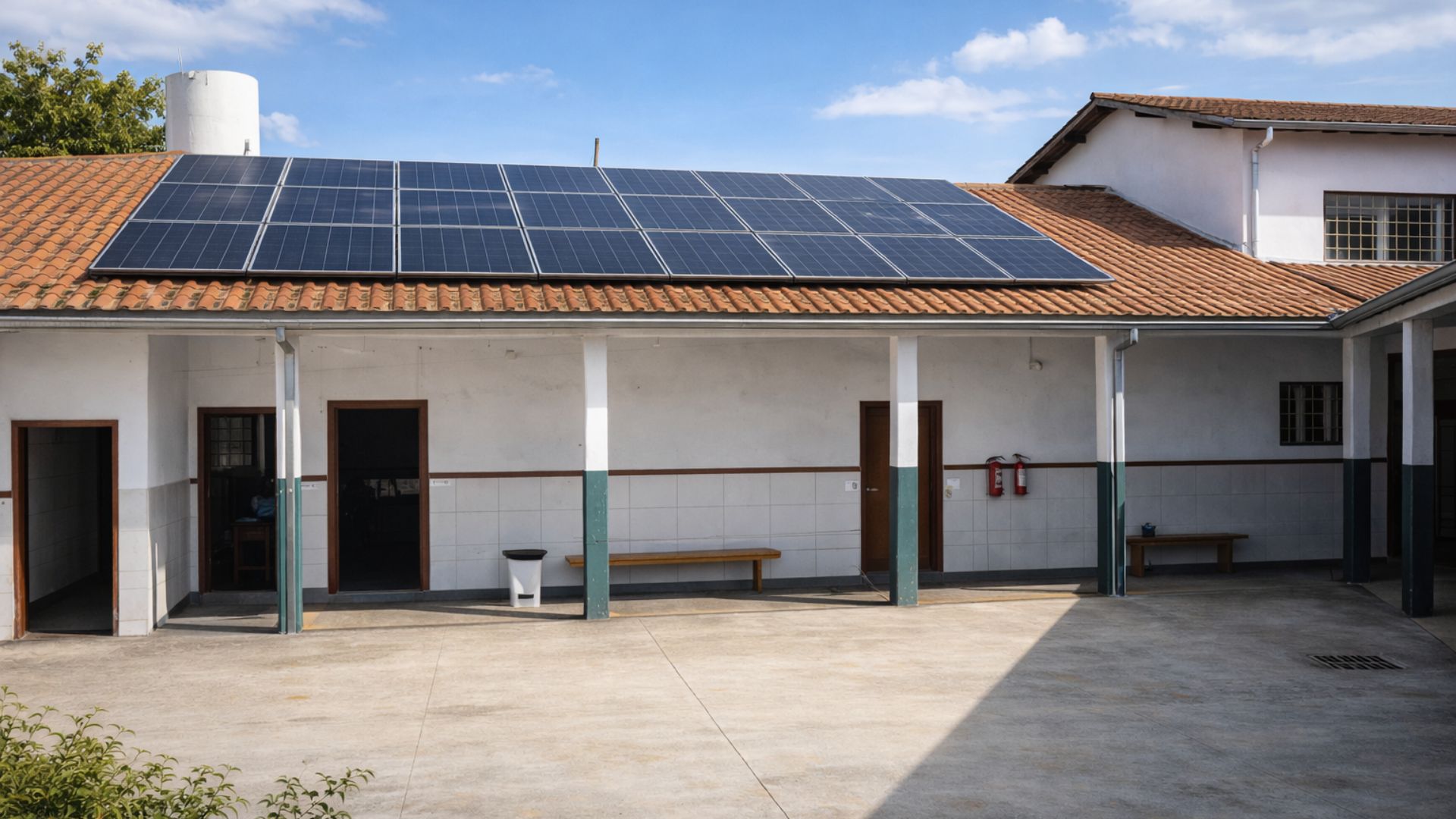
Copel boosts solar energy in Paraná and brings innovation to public schools, promoting savings on electricity bills, energy efficiency, and a direct impact on the quality of education.
-
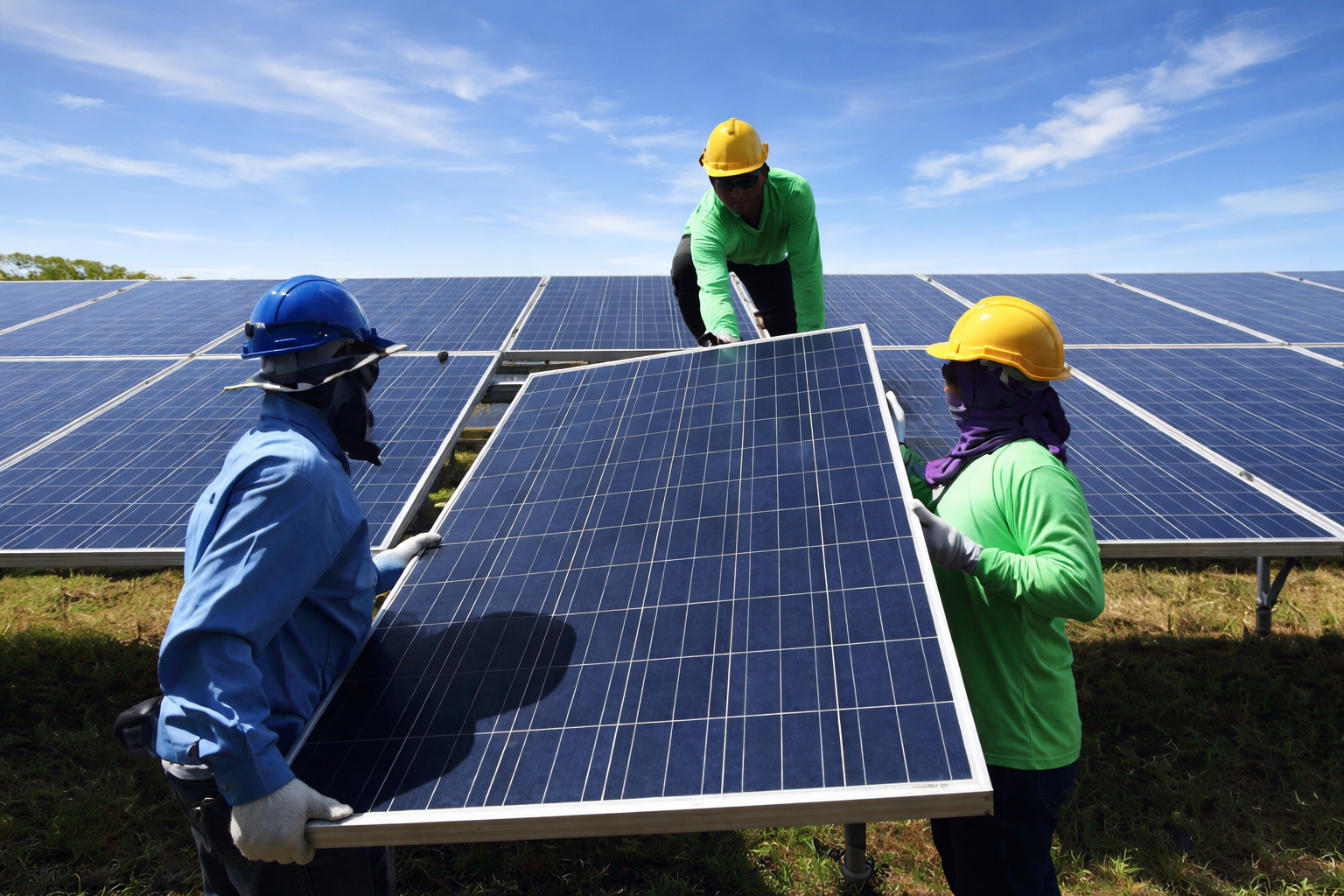
Brazil reaches historic milestone in solar energy: Sector surpasses 2 million accumulated green jobs and generates billions in the national economy even under market pressure.
-
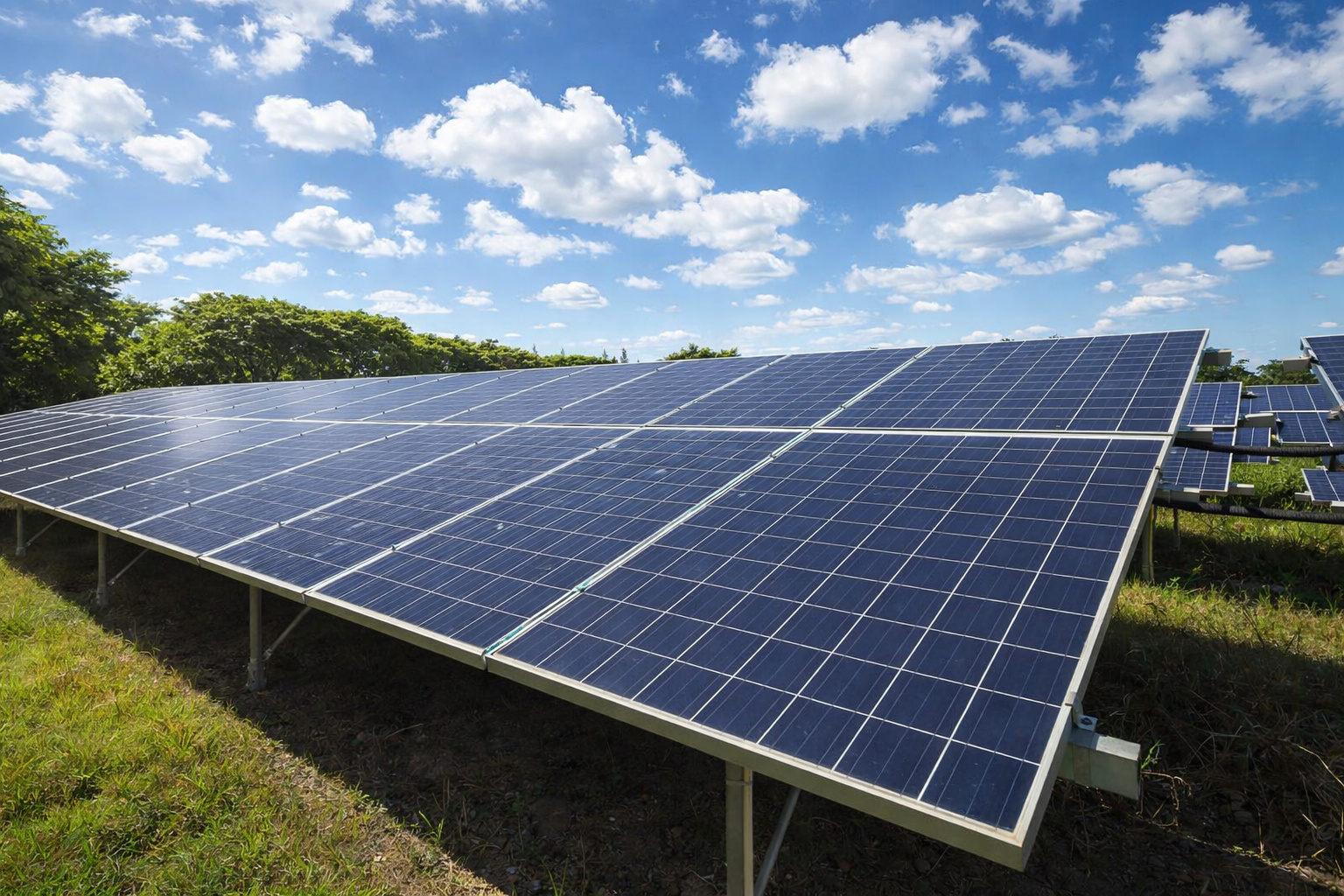
Minas Gerais takes the lead in renewable energy: State surpasses historic mark of 14 GW in solar energy generation in MG and consolidates dominance in the Brazilian electric sector.
In addition to the positive financial impact, the project also represents a significant environmental advancement. The implementation of solar energy and more efficient equipment allows for a reduction in greenhouse gas emissions and optimizes electricity consumption in police units.
In this context, the Military Police battalions in Rondônia serve as an example of how energy efficiency projects can transform public structures, improve resource management, and increase the use of renewable sources.
Energy Efficiency in Military Police Battalions in Rondônia Reduces Electricity Consumption
The implementation of the project brought important changes to how the Military Police battalions in Rondônia use electricity. The modernization included the installation of 225 photovoltaic solar panels, capable of generating electricity directly at the corporation’s units.
Furthermore, the project included the replacement of 48 conventional lighting points with LED bulbs, a technology known for its lower energy consumption and greater durability. This type of lighting is widely used in energy efficiency projects as it offers better performance and less maintenance need.
With the adoption of these measures, the benefited units are expected to record a reduction of approximately 230 megawatt-hours (MWh) in electricity consumption. This volume is equivalent to the electricity needed to supply about 90 households per month, demonstrating the practical impact of the initiative.
This savings represents a significant advancement in the corporation’s energy management. By using solar energy and modern lighting systems, the Military Police battalions will operate more efficiently, reducing waste and optimizing the use of public resources.
Solar Energy Strengthens Energy Efficiency and Sustainability in Security Structures
The installation of solar energy systems in the Military Police battalions in Rondônia is one of the main pillars of the energy modernization project. Photovoltaic generation allows part of the electricity consumed by the units to be produced locally, utilizing a renewable and abundant source in Brazil.
This type of technology has expanded rapidly in public agencies and private institutions, mainly due to its potential to reduce costs and provide positive environmental impact. By transforming sunlight into electricity, photovoltaic systems reduce dependence on the traditional power grid.
In the selected battalions, distributed generation contributes to reducing energy costs and increasing the energy autonomy of the facilities. This strategy also reinforces the public administration’s commitment to sustainability practices.
The presence of solar energy integrated with energy efficiency solutions demonstrates how security infrastructure can keep pace with the ongoing energy transition in the country. Thus, the Military Police battalions in Rondônia act not only in protecting the population but also serve as examples of technological modernization in the public sector.

Annual Savings of R$ 140 Thousand Reinforces the Importance of Energy Efficiency
One of the most significant results of the project is the financial savings generated for public administration. According to information presented during the completion ceremony, the reduction in electricity consumption is expected to generate savings of approximately R$ 140 thousand per year on the corporation’s energy bill.
This savings is a direct result of the combination of solar energy, LED lighting, and other energy efficiency measures implemented in the Military Police battalions in Rondônia.
During the ceremony to hand over the works, held in Porto Velho, representatives from the utility company Energisa emphasized the importance of the project. According to the company’s technical and commercial director, Fernando Corradi, the cost reduction will allow the Military Police to use the saved resources in other internal areas of the corporation.
The more efficient allocation of the public budget is one of the main objectives of projects of this type. By reducing fixed electricity costs, public institutions can redirect investments to strategic areas such as infrastructure, equipment, or professional training.
In this scenario, the Military Police battalions in Rondônia demonstrate that energy efficiency initiatives can generate lasting economic benefits and contribute to more efficient public management.
Positive Environmental Impacts with Reduction of Carbon Emissions
In addition to financial gains, the project also presents relevant environmental results. The adoption of solar energy and energy efficiency practices in the Military Police battalions in Rondônia directly contributes to the reduction of greenhouse gas emissions.
According to estimates released during the initiative’s launch, the installed photovoltaic generation in the units prevents the emission of approximately 30 tons of carbon dioxide (CO₂) per year.
This volume of avoided emissions is comparable to the absorption capacity of about 1,300 trees in the same period, highlighting the project’s positive impact on the environment.
The reduction of emissions occurs because part of the energy consumed by the units is now produced by a renewable source. Thus, the need for electricity generated by more carbon-intensive systems is reduced.
This type of initiative reinforces the importance of public policies aimed at sustainability. By adopting modern energy efficiency solutions, the Military Police battalions in Rondônia contribute to environmental preservation and more responsible use of natural resources.
Energy Efficiency Program Expands Investments in Public Institutions
The project implemented in police units is part of a broader strategy of investments from the Energy Efficiency Program administered by the National Electric Energy Agency.
This program mandates that utility companies invest a portion of their operational revenue in initiatives that promote rational electricity use. In the case of Rondônia, the execution of these actions is carried out by the utility company Energisa.
Since 2018, the company has allocated over R$ 70 million for energy efficiency projects in different regions of the state. These investments benefit not only security institutions but also hospitals, social organizations, and charitable entities.
Among the institutions benefited are Cemetron Hospital in Porto Velho, Regional Hospital of Cacoal, APAE of Vilhena, the Regional Hospital of São Francisco do Guaporé, the Municipal Hospital of Costa Marques, the Elderly Care Home of Jaru, and the Pestalozzi Association of Ouro Preto do Oeste.
The expansion of these investments demonstrates how energy efficiency can generate positive impacts across various sectors of society, strengthening sustainability and efficient energy management.
Sustainable Initiatives Strengthen Public Management and Security Modernization
The implementation of solar energy and energy efficiency measures in the Military Police battalions in Rondônia represents an important advance in the modernization of public infrastructure.
With an investment of over R$ 1 million, installation of 225 solar panels, replacement of 48 lighting points, and projected annual savings of R$ 140 thousand, the project demonstrates how technological solutions can transform government structures.
In addition to financial savings, the reduction of approximately 230 MWh in energy consumption and the decrease of 30 tons of CO₂ per year highlight the environmental benefits of the initiative.
Institutional recognition also marked the project’s execution. During the ceremony to hand over the works, the services provided by 1st Sergeant PM Cleudo and 3rd Sergeant PM Gomes, both electrical engineers who assisted in the technical monitoring of the Energy Efficiency Program, were highlighted.
The experience shows that adopting sustainable technologies can strengthen public management, reduce costs, and enhance the environmental commitment of institutions. Thus, the Military Police battalions in Rondônia establish themselves as an example of how energy efficiency and solar energy can contribute to a more modern, sustainable, and efficient public sector.









-

Uma pessoa reagiu a isso.