





 Portuguese
  English
  Spanish
  3 min of reading
  0 comments


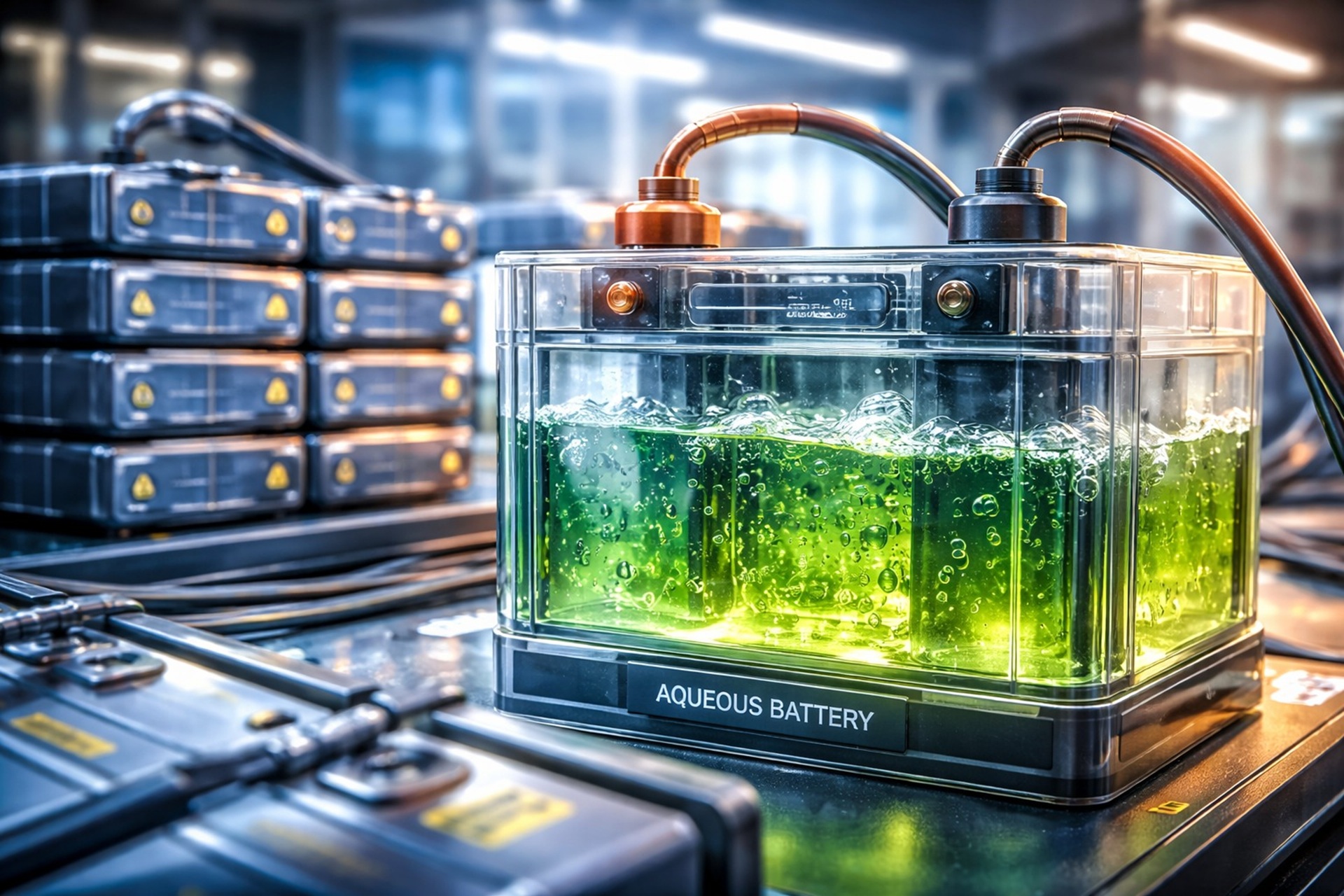
Study Conducted By Researchers From Hong Kong Indicates That Water Batteries Developed With Tofu Brine Exceed 120,000 Charge Cycles, Extending Durability Compared To Lithium-Ion Technologies And Highlighting Potential Application In Electric Grids And Energy Storage Systems
Researchers from City University of Hong Kong and Southern University of Science and Technology developed a Chinese innovation in water batteries based on tofu brine that can exceed 120,000 cycles, according to a study published in the journal Nature Communications, focusing on stability and safety.
Chinese Innovation In Water Batteries Demonstrates Stability Exceeding 120,000 Cycles
The Chinese innovation in water batteries uses electrodes described as organic and neutral, non-toxic electrolytes. According to the team, the system can withstand more than 120,000 charge cycles under neutral conditions, with brine levels similar to seawater.
In a scientific article, the researchers stated that, compared to current aqueous battery systems, the new system offers exceptional long-term cycling stability and environmental friendliness under neutral conditions.
-
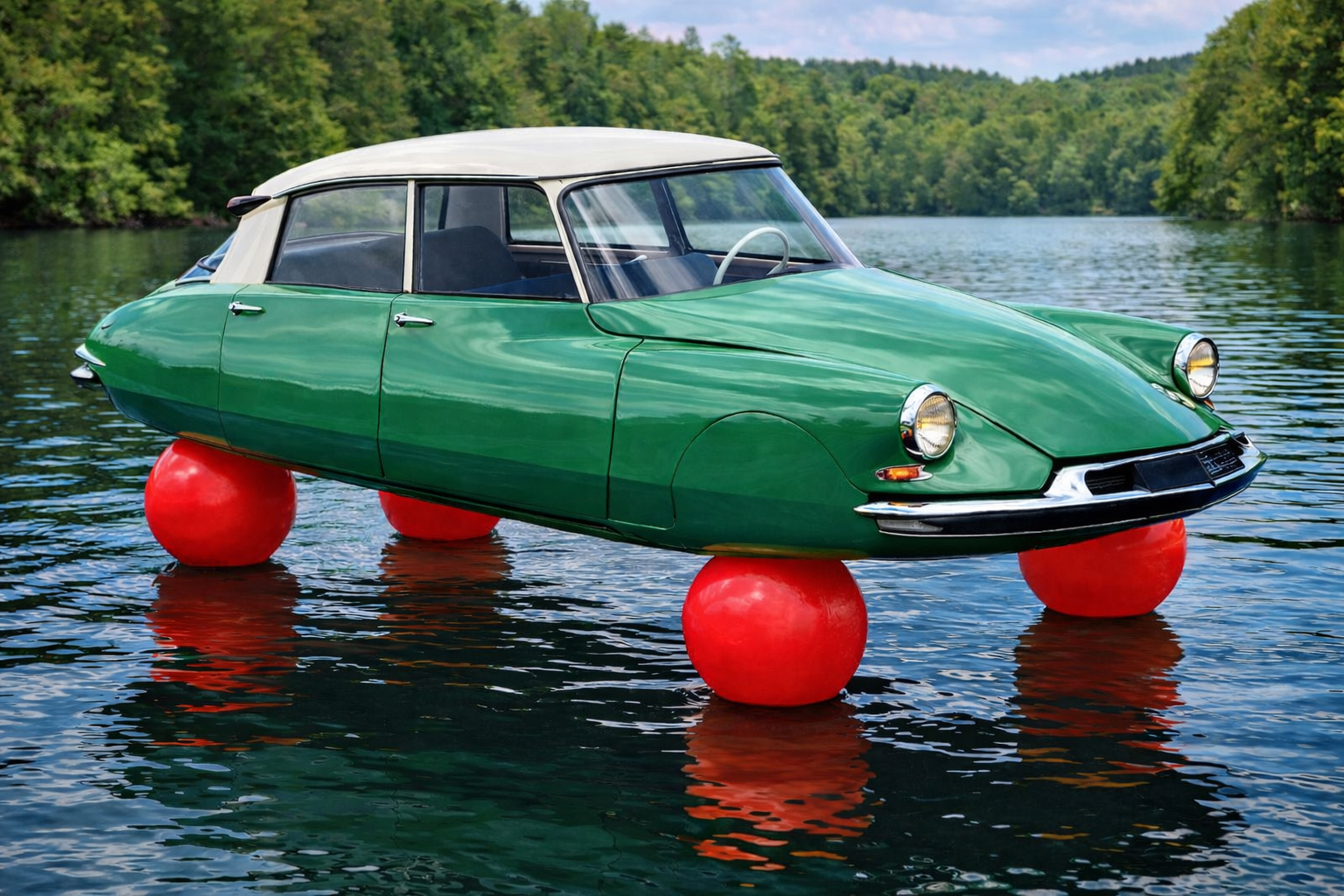
A French brand placed a car on four huge red balloons to prove that its suspension made the vehicle “float,” and the surreal scene became one of the most iconic and unusual images in automotive history.
-
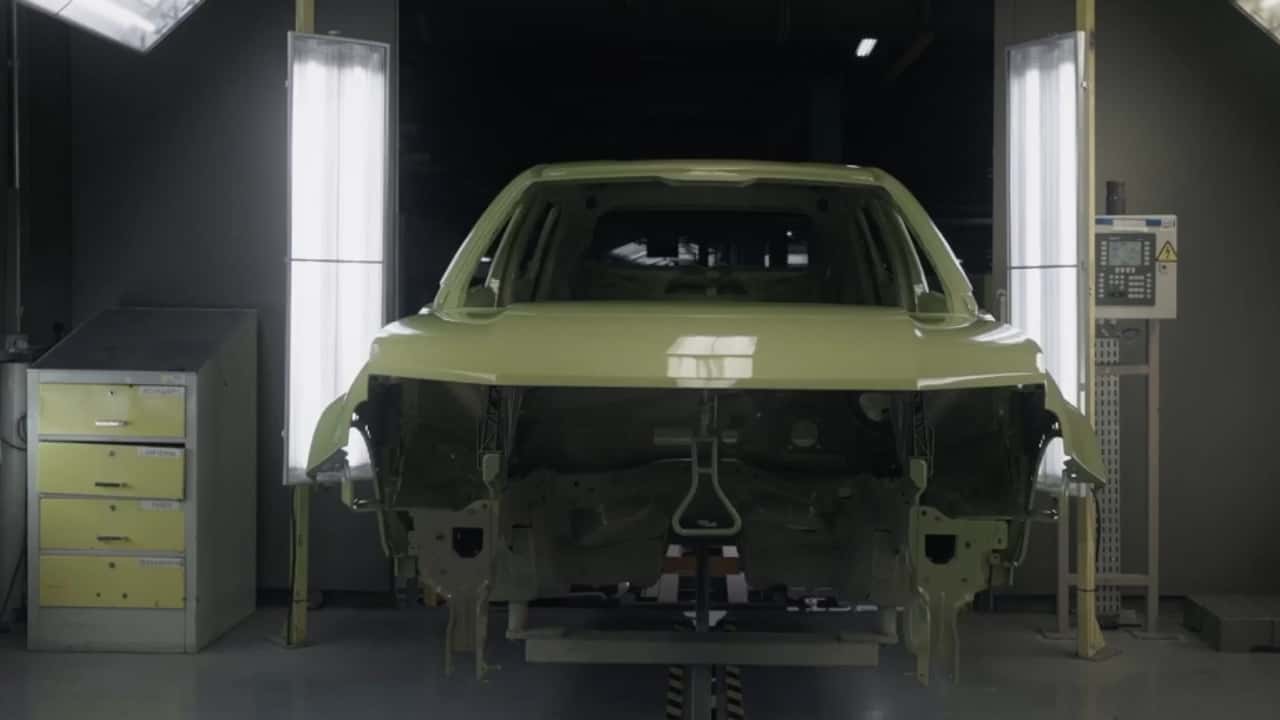
Jeep Avenger begins production in Brazil, debuting as the brand’s new entry-level SUV and inaugurating an unprecedented phase by becoming the first national Jeep manufactured outside of Goiana, as part of a R$ 3 billion plan.
-
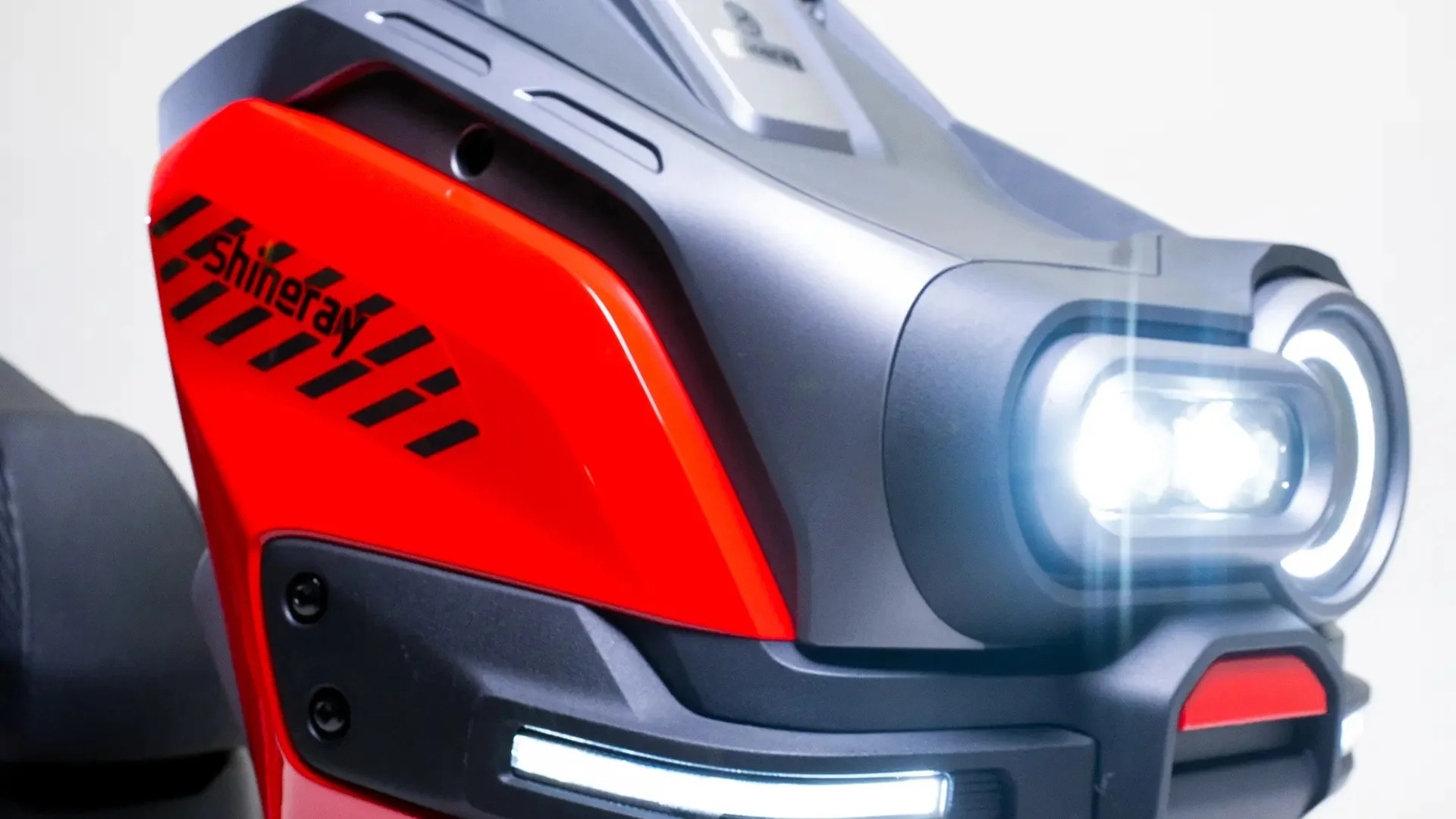
Costing R$ 12,490, the new Shineray Urban Lite 150 “cheap one” arrives in Brazil with a CVT transmission, digital dashboard, and LED lights, making it more affordable than the Biz and targeting those who want to abandon the bus.
-
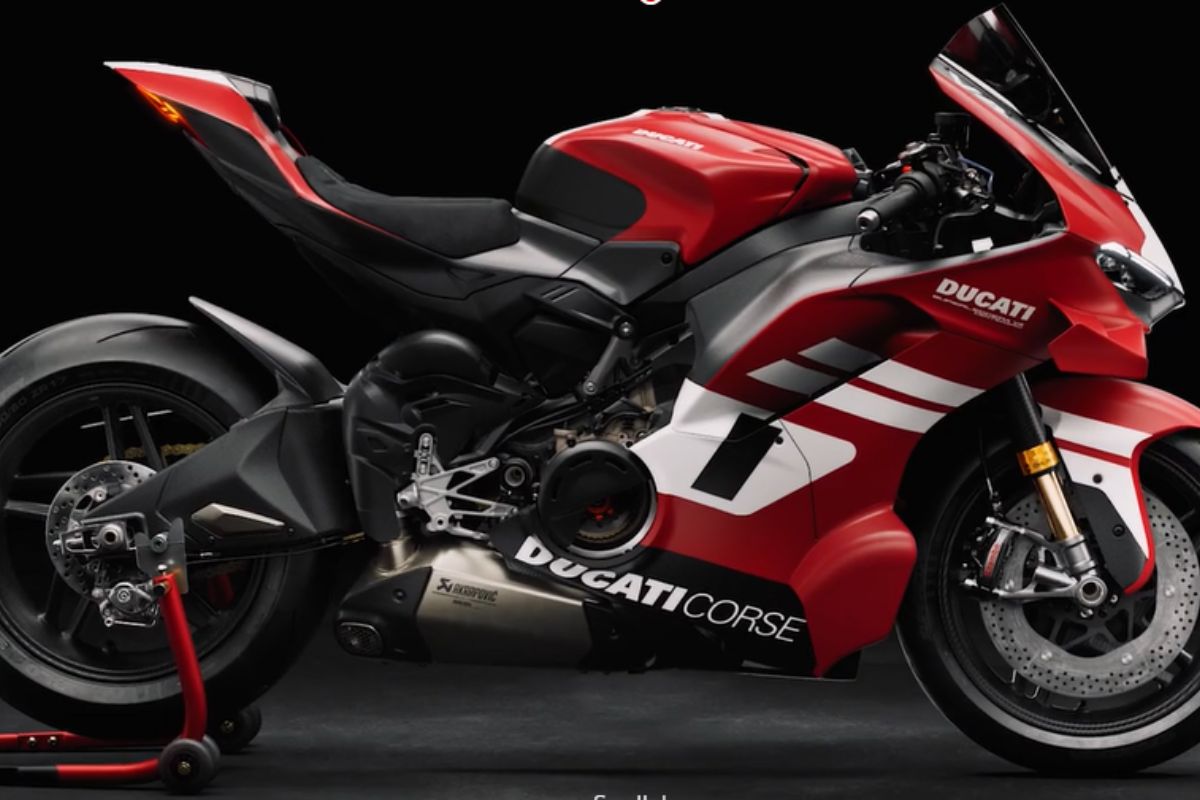
Ducati brings to Brazil the Superleggera V4 Centenario: 228 hp that become 247 with a track kit, carbon fiber and carbon-ceramic brakes, estimated price between R$ 1.5 and 2 million, deliveries only in 2027.

The team added that the performance reinforces the research potential of the work and its promise of practical application. The system is neither acidic nor flammable, a feature noted as a differentiator compared to conventional technologies.
Comparison With Lithium-Ion Batteries Highlights Differences In Cycles And Safety
Lithium-ion batteries typically operate between 1,000 and 3,000 charge cycles. They are described as highly flammable if damaged and may experience thermal runaway. They also pose environmental risks upon disposal and degrade over time.
These batteries are widely used in small electronic devices and electric vehicles. In the case of EVs, the inherent flammability has caused many fires over the years, as outlined in the foundational material.
In contrast, water-based batteries are considered non-flammable and contain little to no toxic materials. They are also described as easier and safer to dispose of, and can be manufactured with cheaper and less rare materials.
Traditional Limitations Of Aqueous Batteries And Technological Advancement Presented
Traditionally, aqueous batteries struggle to maintain long duration. This occurs because water tends to decompose at certain voltages, which limits performance.
The new battery, by exceeding 120k cycles, represents an advancement in terms of utility. For comparison, cell phone batteries typically require about 800 cycles before they begin to degrade.
Electric vehicle batteries usually last between 1,500 and 3,000 cycles. An LFP battery intended for electric grids operates between 6,000 and 10,000 cycles. Given these numbers, the Chinese innovation in water batteries shows a significant difference in durability.
Potential Applications And Questions About Scalability
With over one hundred thousand cycles, a single water-based battery can last at least a decade. The material highlights applications such as storage in electric grids, including solar farms and balancing wind energy.
The text indicates that this type of application is likely the intended use for the new battery. Although it could theoretically be used in phones, these batteries have lower energy densities and may not be suitable in the long run.
Possible uses are also cited for backup systems for data centers and military installations. The technology is seen as potentially relevant for renewable energy storage projects and rural electrification.
The material emphasizes that advancements in battery technology occur frequently in academia, but not all reach the market. Scalability, sufficient energy density, and cost at an industrial scale are decisive factors.
Another highlighted point is the need for reliable operation outside of laboratory conditions. If these challenges are resolved, the technology could have a promising future.
The Chinese innovation in water batteries based on tofu brine is presented as a reality, with the study available in the journal Nature Communications, marking a new performance benchmark in aqueous systems, although its commercial application depends on practical and industrial validation.










Seja o primeiro a reagir!