





 Portuguese
  English
  Spanish
  3 min of reading
  7 comments


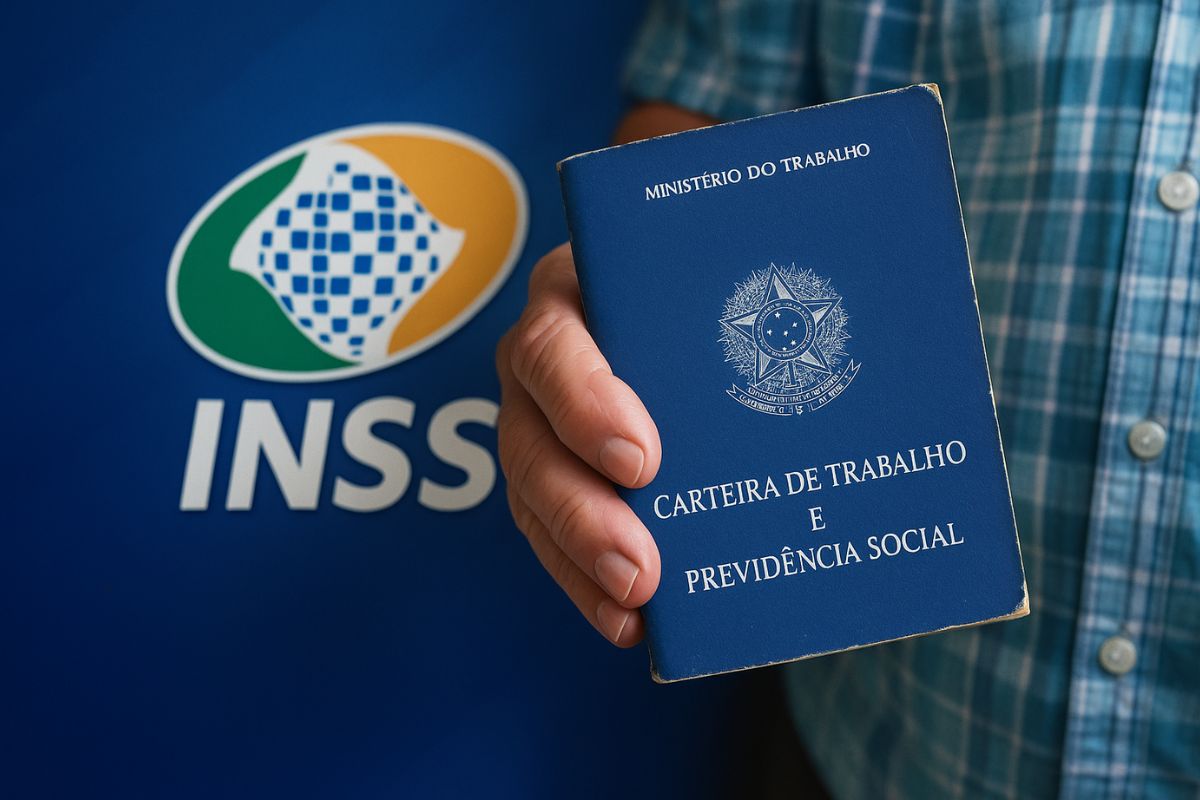


The Waiting List at INSS Already Sums 2.6 Million Requests, Revealing Slowness at INSS and Failures in Systems After Legislative Changes; According to InfoMoney, the Problem Affects Retirements, Pensions, and Auxiliary Benefits, with Direct Impact on Millions of Families that Depend on Social Security.
The social security crisis has returned to the center of debate. Official data shows that slowness at INSS has raised the waiting list to 2.6 million requests in August, an increase of more than 65,000 processes in just one month. Among the most affected are workers waiting for retirement, pensioners, and beneficiaries of auxiliary assistance.
According to a survey released by InfoMoney, recent changes in legislation and failures in the digital systems of the institute have put even more pressure on service. Despite the announced efforts, the results have not been enough to meet the accumulated demand.
The Size of the Waiting List and Who is Most Affected
The INSS waiting list keeps growing: in June, there were 2.4 million processes, and two months later, there are already 2.6 million.
-
50 viaducts, 4 tunnels, 28 bridges, and 40 kilometers of bike paths: BR-262 in Espírito Santo will receive 8.6 billion reais for the largest engineering project in the state’s history, inspired by the Immigrant Highway in São Paulo.

-
Brazil produces too much clean energy and doesn’t know what to do with it: over 20% of solar and wind capacity was wasted in 2025 while investors flee and 509 renewable generation projects were abandoned in the last year.

-
Piauí will produce a new fuel that replaces diesel without needing to change anything in the truck’s engine and reduces pollutant gas emissions by half: truck drivers from all over the Northeast are already celebrating the news that will arrive later this decade.

-
A new Brazilian shopping center worth R$ 400 million will be built in an area equivalent to more than 4 football fields, featuring 90 stores, 5 cinemas, a supermarket, a college, and parking for 1,700 cars, potentially generating 3,000 jobs.

This figure shows that with each new adjustment, thousands of insured individuals are left waiting, depending on an administrative decision to receive basic benefits.
According to InfoMoney, the biggest impact is on auxiliary benefits, which require specific analyses and have been directly affected by recent legislative changes.
This includes requests for maternity leave, pensions, and assistance for people in vulnerable situations.
Changes in the Law and Effects on the System
INSS argues that the slowness is linked to legal changes that require adjustments to internal systems.
This means that, while digital platforms are being adjusted, processes are piling up, increasing the feeling of inefficiency for those waiting for a response.
The Atestemed program, which allows medical leave without examination for up to 180 days, has also increased the number of requests.
Although it has reduced costs, the measure has increased operational complexity and reinforced the burden on the system.
Efforts to Reduce the Wait
According to InfoMoney, INSS claims to have completed 1.226 million processes in August, surpassing the volume of the previous month.
The average time for granting benefits fell from 44 to 42 days, a reduction considered insufficient given the size of the waiting list.
Efforts, reissuing bonuses to employees, and expanding digital channels are among the strategies to relieve the pressure.
However, the lack of long-term structural measures keeps the waiting list at high levels, frustrating expectations created by the government, which promised to solve the problem within this administration.
The Social Impact of Slowness at INSS
The waiting list of 2.6 million is not just a statistical number: it represents families waiting for income to survive.
For retirees, mothers on leave, or people in vulnerable conditions, each day of waiting represents delays in basic commitments like rent, utility bills, and food.
Experts consulted by InfoMoney warn that the lack of predictability undermines confidence in the social security system and may generate judicial pressure, with thousands of insured individuals turning to the courts to ensure access to rights already acquired.
The reality is that slowness at INSS continues to be one of the biggest bottlenecks in Brazilian social policy.
Amid system failures, legislative changes, and the accumulation of processes, millions of beneficiaries remain unanswered, pressing the government to find solutions beyond one-time efforts.
And you? Have you faced problems in the INSS queue or know someone who has been waiting for months for a response? How does this impact the real lives of families? Share your experience in the comments — your perspective may help broaden the debate.









Um absurdo, é um direito da pessoa que contribuiu durante uma vida, agora ter que esperar na fila pela aposentadoria.
A tendência e piorar, enquanto esse governo **** estiver no comando!
BOA DIA MEU NOME É RUAN-SOU GARI E ESTOU TODO QUEBRADO SOFRENDO DORES FORTES NA COLUNA-PERNAS E JOELHOS..INSS ME DEU INDEFERIDO-2 MESES AGUARDANDO PERÍCIA..SOU DE REALENGO RJ TIVE Q IR ATE NOVA FRIBURGO PARA FAZER PERÍCIA..MADRUGUEI POR LA..AINDA FUI TRATADO SUPER MAL PELA PERITA…INSS É UM LIXO..ELES SÃO DO CAPETA..