





 Portuguese
  English
  Spanish
  6 min of reading
  0 comments


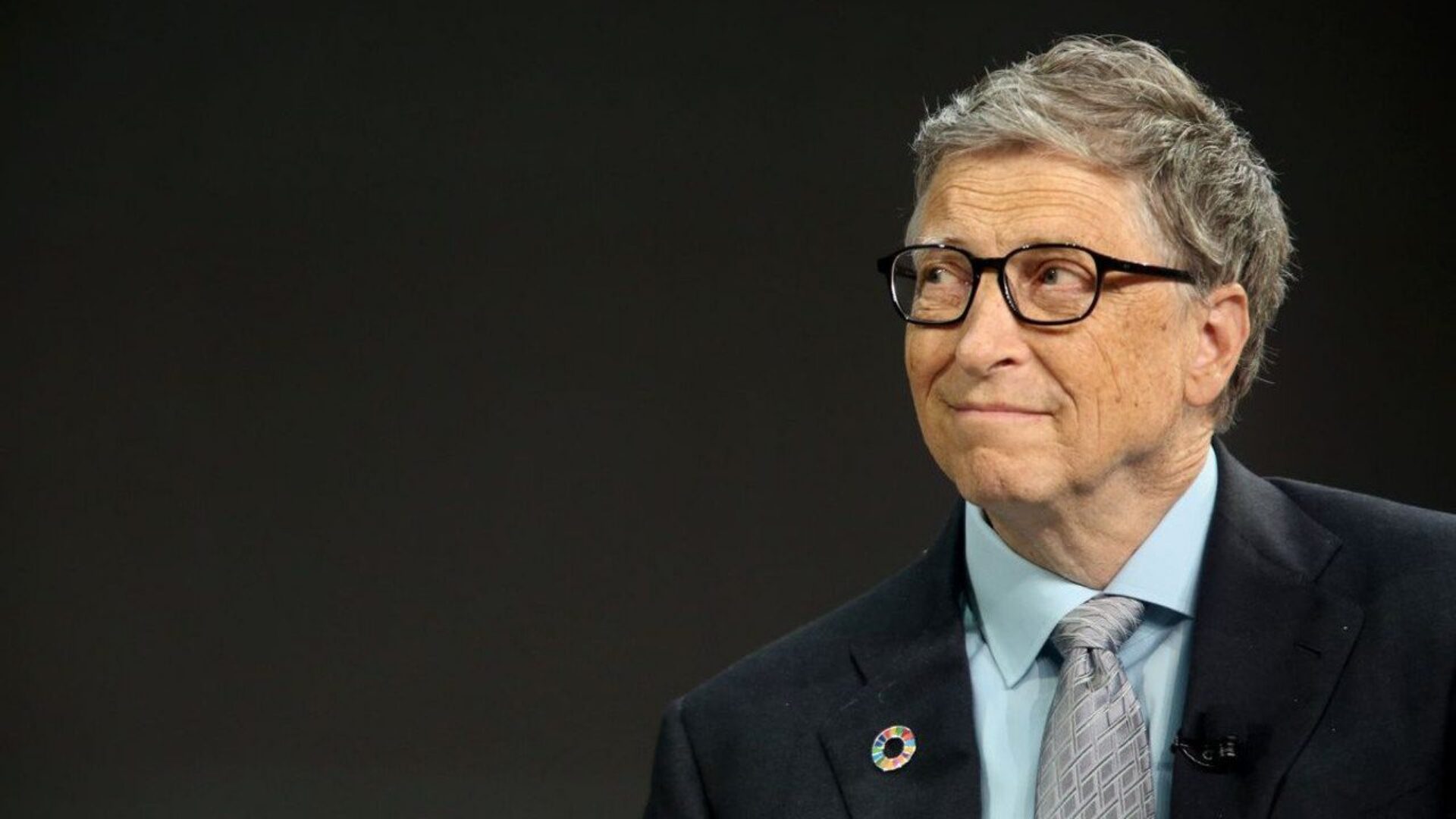
Many Entrepreneurs Achieved Success Without Finishing College, Proving That Innovation and Determination Are Fundamental in Building Great Fortunes
Academic training is often seen as an essential step towards achieving professional success. In Brazil, a study by FGV (Fundação Getulio Vargas) in 2024 reveals that individuals with higher education earn, on average, 126% more than those without a diploma. However, this is not the reality for all billionaires who appear on the prestigious Forbes list.
A significant number of exceptional entrepreneurs, such as Bill Gates and Steve Jobs, managed to amass impressive fortunes without completing college. Whether by personal choice, lack of opportunities, or various challenges, formal education was not a determining factor for these individuals. Let’s explore the lives of 15 billionaires who achieved success without a university degree.
Inspiring Stories of Billionaires Without Degrees
A striking example is the co-founder of Apple, Steve Jobs. He started his studies at Reed College, but dropped out after just one semester. Even so, he continued to attend some classes as an auditor, including one on calligraphy, which later influenced the typography of the first Macintosh. When founding Apple in 1976, Jobs built an empire that, at the time of his death in 2011, had his fortune estimated at US$ 7 billion (approximately R$ 39.5 billion).
-
Unemployment rises again to 5.8% at the beginning of 2026, raising alarms about the end of temporary positions and its impact on the Brazilian job market.

-
Document organization can cut invisible costs in small businesses, a simple step that prevents waste, rework, and losses in daily operations.

-
Chinese giant worth nearly R$ 4 billion that manufactures cables for electric cars, solar energy, and robotics wants to open a factory in SC.

-
Many employers do not know, but the law guarantees domestic workers a 25% increase in salary during trips, 50% for overtime, 20% for night shifts, and 17 additional benefits that can lead to labor lawsuits if not paid.
Another remarkable story is that of Sarah Breedlove, known as Madam C. J. Walker. Born in 1867, she was the first in her family to be born free and had only three months of formal education. In 1906, she launched a line of cosmetics aimed at Afro hair, becoming the first American woman millionaire to accumulate her own fortune. In just two years, her business was generating over US$ 150,000 per year (approximately R$ 847,000).
Meet the Billionaires Who Thrived Without Higher Education
Mark Zuckerberg

- Fortune: US$ 207.2 billion (R$ 1.1 trillion)
- Rank among billionaires: 2nd
- Source of wealth: Meta
- Education: Dropped out of psychology and computer science courses at Harvard University to create Facebook.
Larry Ellison

- Fortune: US$ 185.9 billion (R$ 1 trillion)
- Rank among billionaires: 4th
- Source of wealth: Oracle
- Education: Dropped out of University of Illinois after his adoptive mother died.
Amancio Ortega

- Fortune: US$ 124.2 billion (R$ 701.9 billion)
- Rank among billionaires: 10th
- Source of wealth: Zara
- Education: Left school at 14 to work as a messenger.
Bill Gates

- Fortune: US$ 112.8 billion (R$ 637.4 billion)
- Rank among billionaires: 13th
- Source of wealth: Microsoft
- Education: Dropped out of math and law courses at Harvard University.
Michael Dell

- Fortune: US$ 99.9 billion (R$ 564.5 billion)
- Rank among billionaires: 17th
- Source of wealth: Dell
- Education: Enrolled in a medicine program but dropped out to pursue his business vocation.
Françoise Bettencourt

- Fortune: US$ 91.8 billion (R$ 518.7 billion)
- Rank among billionaires: 19th
- Source of wealth: L’Oréal
- Education: Dropped out of math courses.
François Pinault

- Fortune: US$ 18 billion (R$ 101.7 billion)
- Rank among billionaires: 116th
- Source of wealth: Luxury Goods
- Education: Did not attend university, dropping out during high school.
Ralph Lauren

- Fortune: US$ 10.8 billion (R$ 61 billion)
- Rank among billionaires: 236th
- Source of wealth: Ralph Lauren
- Education: Studied business but dropped out to serve in the army.
Joesley and Wesley Batista

- Fortune: US$ 4.9 billion (R$ 27.6 billion) each
- Rank among billionaires: 755th
- Source of wealth: JBS
- Education: Dropped out of school in their teens to help with the family business.
Richard Branson

- Fortune: US$ 2.8 billion (R$ 15.8 billion)
- Rank among billionaires: 1337th
- Source of wealth: Virgin Atlantic and Virgin Galactic
- Education: Dropped out of school at 16 due to dyslexia.
Jay-Z

- Fortune: US$ 2.5 billion (R$ 14.1 billion)
- Rank among billionaires: 1472nd
- Source of wealth: Diversified
- Education: Did not complete high school, although he attended three schools.
Julio Bozano

- Fortune: US$ 2.1 billion (R$ 11.8 billion)
- Rank among billionaires: 1713th
- Source of wealth: Banking sector
- Education: Enrolled in an architecture program but did not complete it.
Pedro Franceschi and Henrique Dubugras

- Fortune: US$ 600 million (R$ 3.34 billion) each
- Source of wealth: Brex
- Education: Attended Stanford for less than a year before founding Brex.
These billionaires prove that success can be achieved in different ways, regardless of academic background. Their stories testify that innovation, vision, and determination play crucial roles in the construction of great fortunes.
The Role of Education in the Trajectory of Billionaires
Although many of these billionaires achieved success without a diploma, it is important to consider the context of their journeys. Some of them had access to experiences and environments that fostered creativity and innovation from childhood. For example, Mark Zuckerberg grew up in a home that valued education and technology, which may have influenced his ability to develop Facebook. Similarly, Steve Jobs was exposed to the world of technology early on, which sparked his interest in tech ventures.
Additionally, many of these entrepreneurs invested in self-directed learning and continuous education. For example, Richard Branson, known for his innovative approach to business, always sought to learn from his mistakes and experiences, which led him to create the Virgin empire. The willingness to learn outside of classrooms is a common trait among these billionaires.
Challenges Faced and Overcome
Another aspect that deserves highlight is that these billionaires faced significant challenges in their journeys. For example, Larry Ellison lost his adoptive mother in his teenage years, which profoundly impacted his life and choices. Instead of being downcast, he used this experience as motivation to persevere in his goals. This resilience is a quality that many of the most successful business leaders share.
The Importance of Networking and Connections
Despite not completing formal education, many of these billionaires have managed to develop valuable networks. Networking plays a crucial role in the business world, and many of them surrounded themselves with mentors and peers who contributed to their success. Bill Gates, for example, formed bonds with other entrepreneurs and tech leaders, which helped Microsoft become one of the most influential companies in the world.
The Social and Economic Impact of Billionaires Without Degrees
The stories of these billionaires go beyond financial success; they also have a significant impact on society and the economy. Many of them have become active philanthropists, using their fortunes to support social causes and projects aimed at improving the lives of millions of people. Bill Gates and his wife, Melinda, are known for their contributions in areas such as public health and education.
Furthermore, these entrepreneurs have revolutionized entire industries and changed the way we live and work. Steve Jobs, for instance, not only transformed technology with Apple but also influenced contemporary culture and the way we interact with digital devices.
Reflections on the Future
The trajectory of these billionaires without degrees sheds light on the idea that success can be achieved in various ways. While formal education may open doors, determination, innovation, and adaptability are equally valuable. As the world evolves, new opportunities arise, and the stories of these entrepreneurs remind us that passion and creativity can lead to extraordinary achievements, regardless of the educational path chosen.
The fortunes mentioned were taken from the real-time list of Forbes on May 5th, except for those of Henrique Dubugras and Pedro Franceschi, whose values were obtained from the Forbes Brazilian Billionaires List 2024.
SOURCE: FORBES









Seja o primeiro a reagir!