





 Portuguese
  English
  Spanish
  4 min of reading
  0 comments


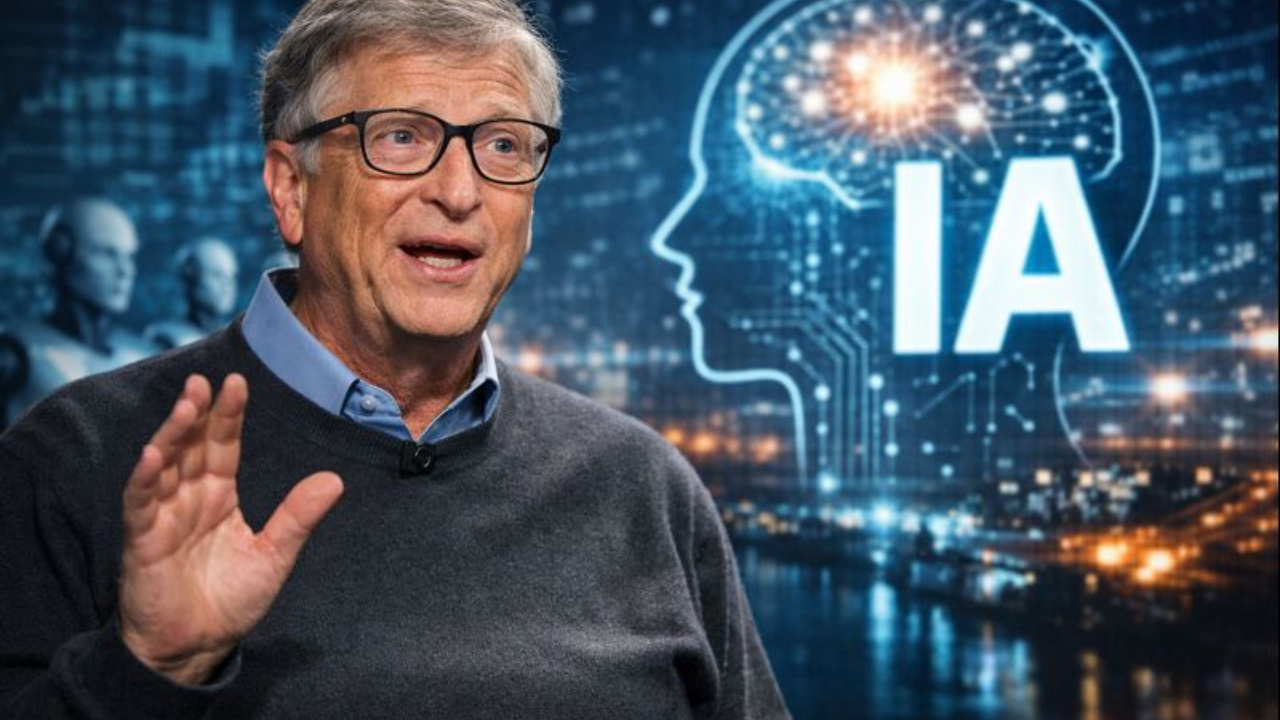
According to Bill Gates, the impact of AI will be profound and can replace a large part of human work in the next 10 years.
Artificial intelligence is expected to take over most activities currently performed by humans in about a decade, according to Bill Gates.
The assessment was made in interviews given in March 2025, in which the Microsoft founder pointed out that technological advancement tends to redefine the future of employment, accelerate work automation, and have a profound impact on how society produces, learns, and cares for health.
The statements occurred during participation in academic events, television programs, and public debates on innovation, in a context of rapid AI evolution and growing concern about its economic and social effects.
-
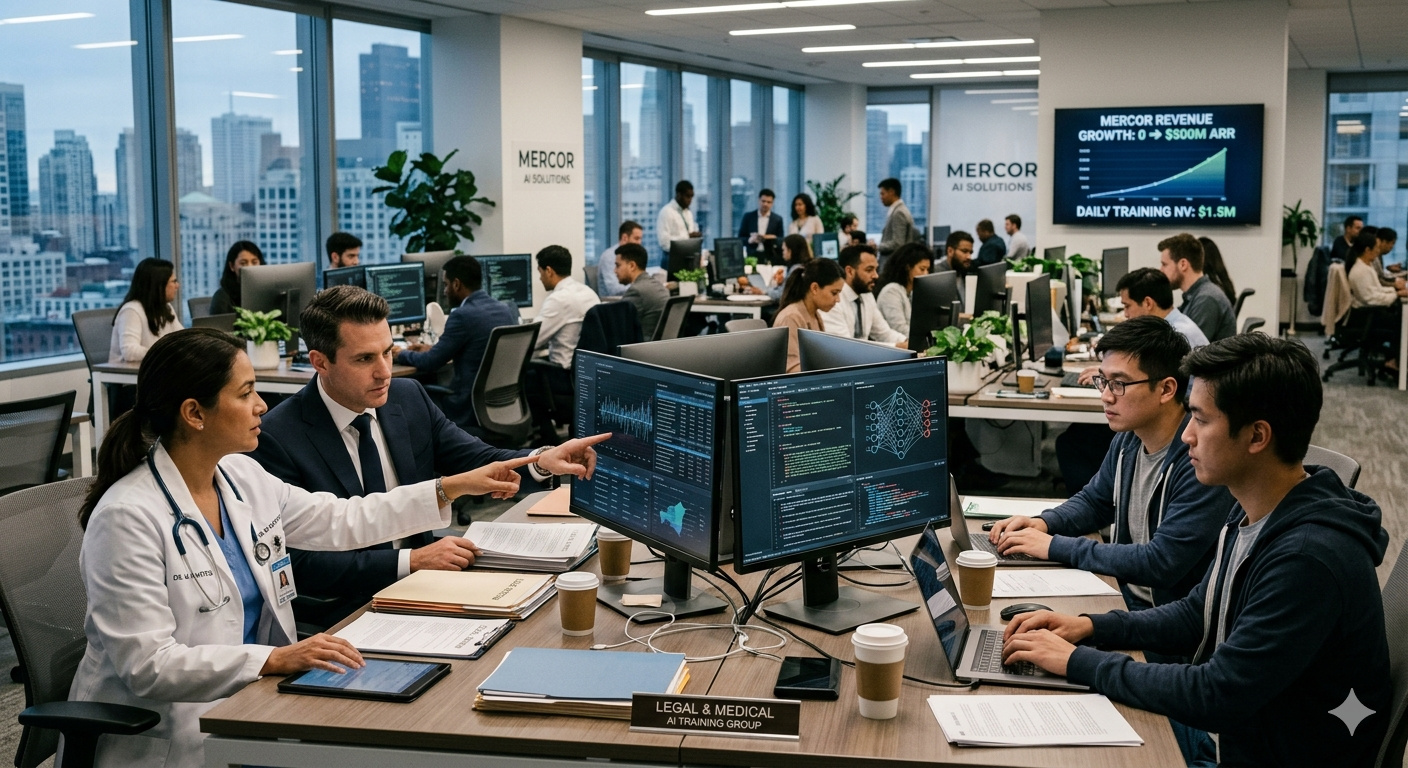
Mercor paid $1.5 million per day for doctors, lawyers, and former Goldman Sachs bankers to teach artificial intelligence to do their jobs, and in 17 months, it went from zero to $500 million in annual revenue while its own contractors accelerated the replacement of their own work.
-
Casio Unveils Moflin, Robotic Pet With Artificial Intelligence Designed To Provide Emotional Comfort And Simulate A Permanent Affectionate Bond

-
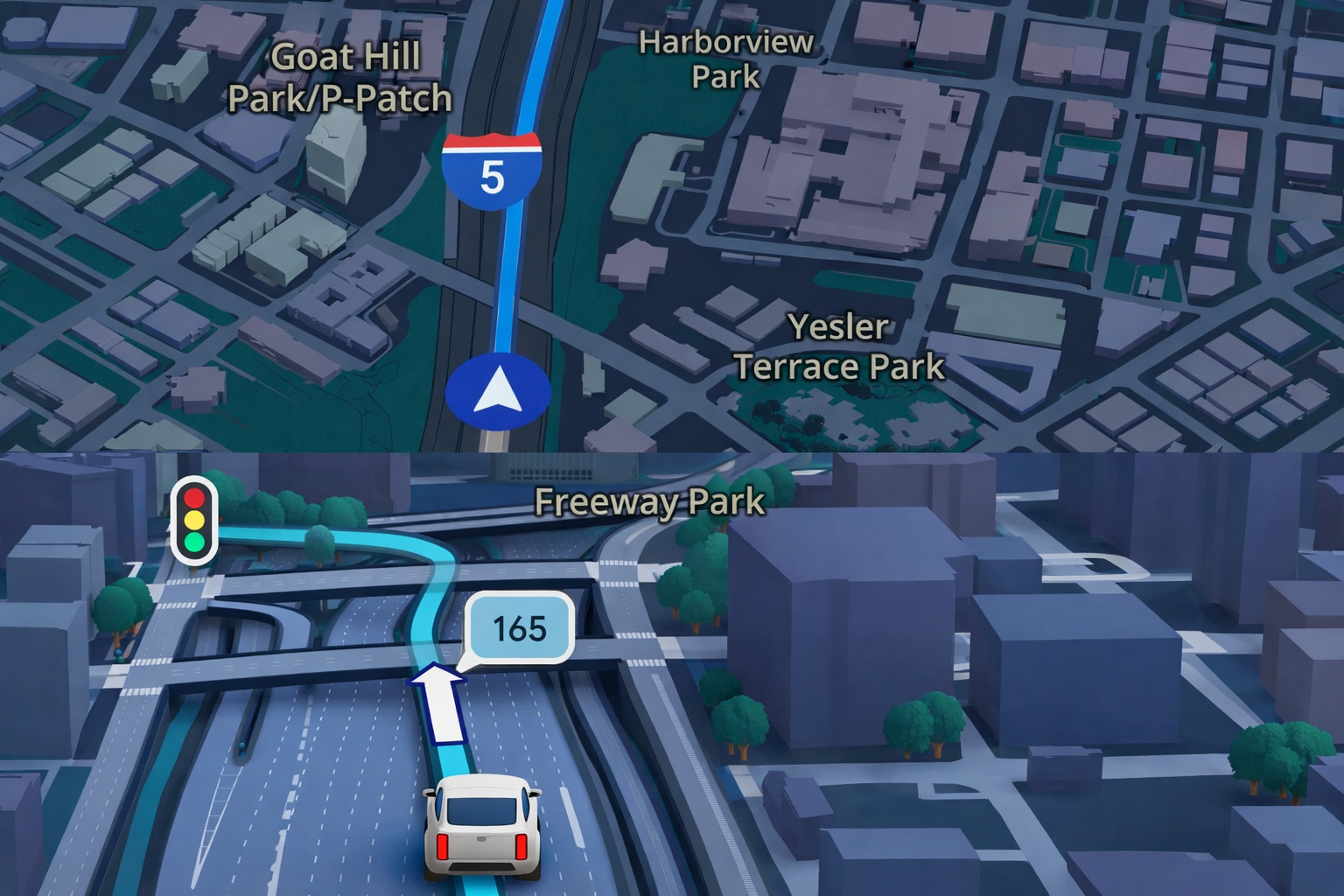
Google Maps Revolutionizes GPS Navigation With Gemini Artificial Intelligence, Ask Maps Feature, and Advanced 3D Visualization for Route and Travel Planning
-
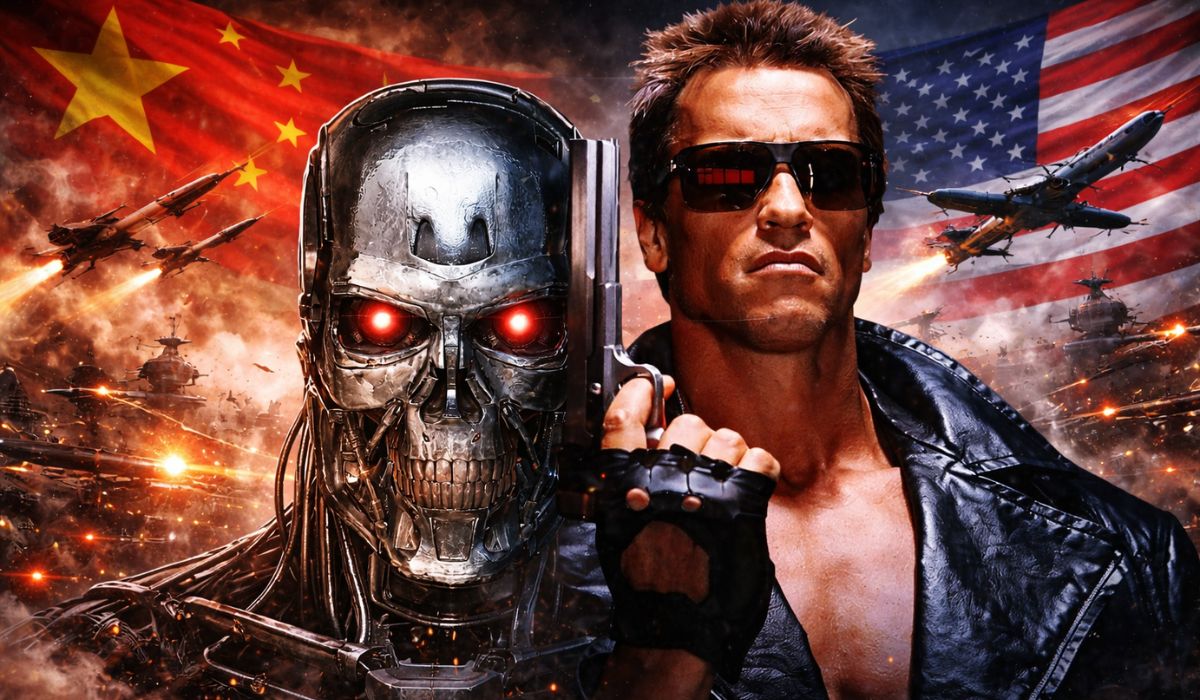
China Warns the U.S. of a “Terminator” Style Apocalypse: Military AI Rivalry, Sanctions Against American Startup, and Fear of Algorithms Deciding Who Lives or Dies Place the World on the Brink of a Nightmare That Seemed Like Fiction

According to Gates, the transformation is already underway and is happening more quickly than previous technological revolutions.
For him, the impact of AI is not limited to increased productivity, but involves the direct replacement of people in roles that require a high level of knowledge.
Work Automation Advances at an Accelerated Pace
For Bill Gates, work automation is no longer a distant trend and is becoming part of the daily routine of companies and governments.
In his remarks, he emphasized that intelligent systems are becoming capable of performing complex tasks, previously considered exclusive to human reasoning.
“With AI, in ten years, humans will no longer be needed for most things,” he declared.
The statement summarizes the view that artificial intelligence not only supports professionals but also assumes central roles in productive, administrative, and technical processes.
Thus, the debate about the future of employment gains new layers.
It is not only about creating new roles, but also about dealing with the possible extinction of traditional occupations on a large scale.
“Free Intelligence” and Technological Disruption
During a conversation with Professor Arthur Brooks from Harvard University, Gates used the term “free intelligence” to explain the new stage of the digital revolution.
According to him, while computers have expanded human capacity, artificial intelligence represents a deeper disruption.
“It’s something very profound and even a bit frightening, because it is happening very quickly and without a defined limit,” he stated.
For Gates, AI has the potential to solve historical problems, such as operating machinery and even cultivating food, drastically reducing the need for human labor in these areas.
Therefore, the impact of AI goes beyond efficiency. It alters the very logic of work value in the global economy.
Health and Education Among the Most Impacted Sectors
Among the fields most affected by artificial intelligence, Gates highlights health and education.
In the medical field, he assesses that AI systems can outperform human doctors in diagnostics, especially due to the ability to analyze large volumes of data in a short time.
“The machine will probably be superior to humans,” he stated, commenting on the use of algorithms in diagnosing diseases.
This advancement could benefit regions with a shortage of healthcare professionals, expanding access to more accurate care.
In education, the future of teaching jobs is also undergoing changes.
Gates envisions AI-based tutors capable of understanding the content and emotional profile of students, offering personalized teaching and continuous monitoring of learning.
A Future with Less Human Work?
Despite the strong projections, Bill Gates acknowledges that not all activities will disappear.
In a conversation with Jimmy Fallon, he stated that areas related to sports, leisure, and social interaction are likely to remain predominantly human.
Still, he does not rule out that manual, technical, and intellectual roles may be widely replaced.
This view resonates with other leaders in the technology sector, such as Mustafa Suleyman, CEO of AI at Microsoft, who describes the impact of work automation as “deeply destabilizing.”
In his book The Coming Wave, Suleyman argues that these technologies are, in essence, substitutes for human labor, even when they initially seem to merely enhance human capabilities.
Innovation, Risks, and Need for Regulation
While advocating for advancements in artificial intelligence, Gates warns of its risks.
He encourages young entrepreneurs to invest in AI-based businesses and stated that if he were to start today, he would bet on a startup in the sector.
On the other hand, he acknowledges that intelligent systems still make mistakes and can be used to spread misinformation.
“Sometimes, empowering humans with technology doesn’t go the right way,” he commented, citing the current challenges of digital platforms.
In light of this scenario, experts assess that the great challenge will be balancing productivity gains with public policies aimed at professional retraining, social inclusion, and protecting collective wellbeing.
Impact of AI Redefines the Future of Employment
Bill Gates’ statements reinforce that the impact of AI is not only technological but also social and economic.
The promise of “free intelligence” calls into question traditional concepts of work, income, and productivity.
Thus, the future of employment will depend on the ability of governments, businesses, and society to adapt to a world where work automation becomes the rule, not the exception.










Seja o primeiro a reagir!