





 English
  Francês
  Alemão
  Italiano
  Japonês
  Norueguês
  Portuguese
  Spanish
  3 min of reading
  0 comments


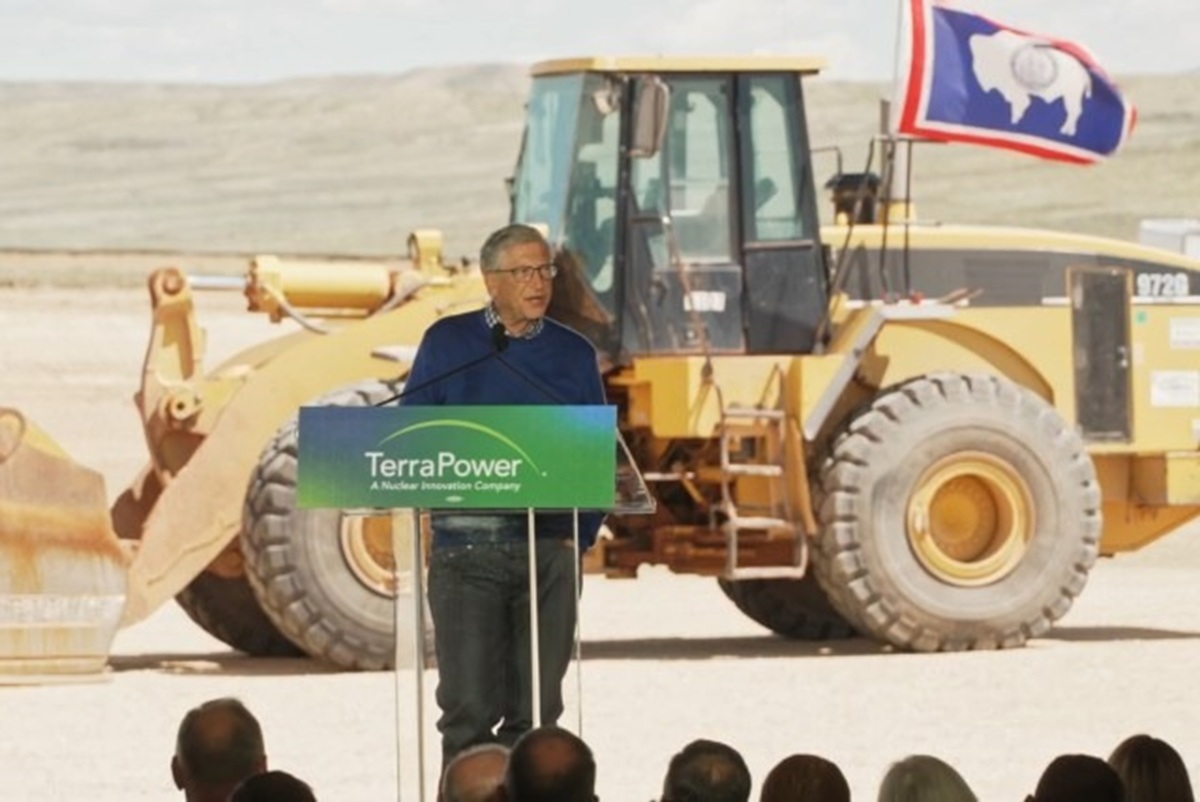
The Authorization Granted by the U.S. Nuclear Regulatory Commission Allows the Startup TerraPower, Founded by Bill Gates, to Build a 345 Megawatt Advanced Reactor in Wyoming with Natrium Technology and a Molten Salt Storage System Capable of Raising Production to 500 Megawatts During Peak Demand
The nuclear energy startup founded by Bill Gates, TerraPower, has received authorization from the U.S. Nuclear Regulatory Commission to build an advanced reactor in Wyoming, marking the first commercially approved nuclear project of its kind in the country in nearly a decade.
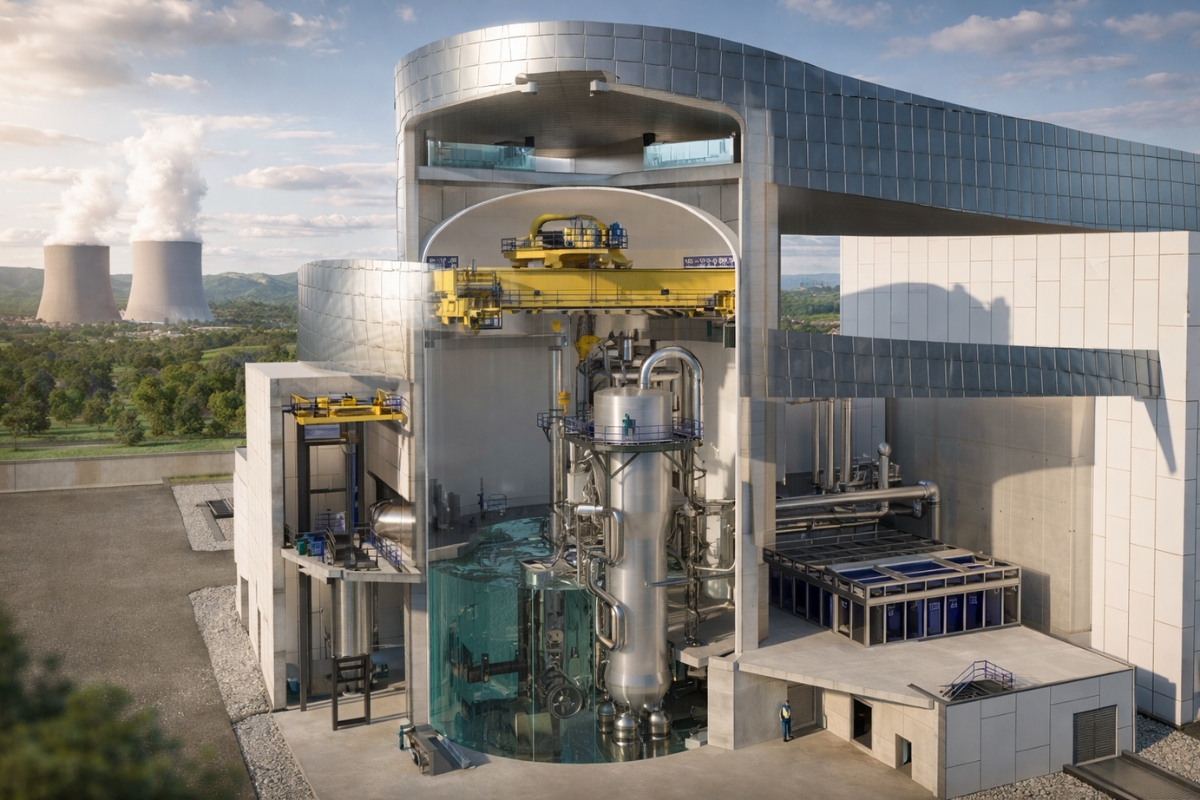
The authorization allows the company to move forward with the construction of a plant based on the Natrium design, a next-generation nuclear reactor model developed to operate with greater energy efficiency.
According to the official statement, this is the first commercial advanced nuclear energy facility to receive a federal license.
-
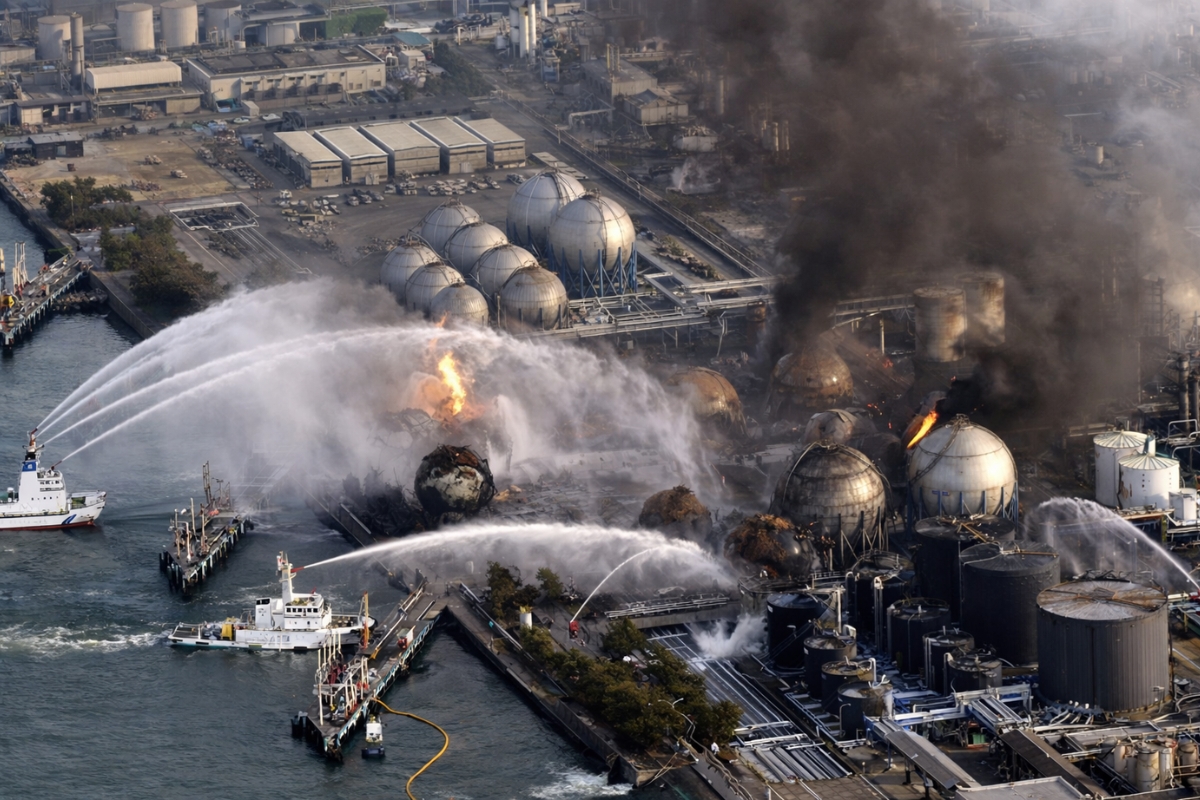
Fukushima Marks A Turning Point In Japan’s Energy Policy: After The Disaster, The Country Shut Down Its 54 Nuclear Reactors And, 15 Years Later, Only A Small Portion Have Returned To Operation
-
How Japan Overcame The Nuclear Bomb And Now Houses Millions In Hiroshima, While Ukraine Lost Chernobyl?

-
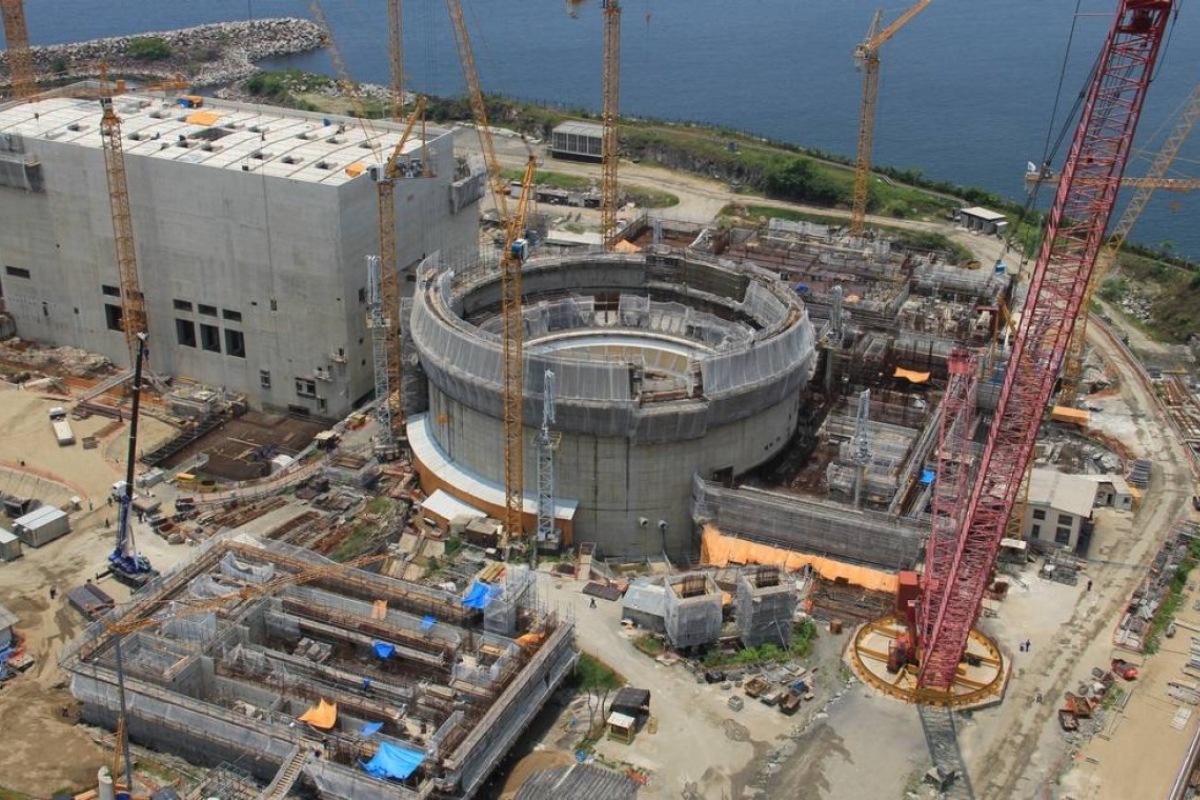
India Opens Nuclear Energy to Private Capital to Accelerate Projects and Attract Billions, While Brazil Remains Stalled at Angra 3 and Discusses Who Will Foot the Bill for Completion
-
Startup Received $10 Million in Grants and Raised $90 Million to Develop Nuclear Energy, but Molten Salt Mini-Reactors Plan Collapsed After Estimating $2 Billion Need and Facing Financial Crisis
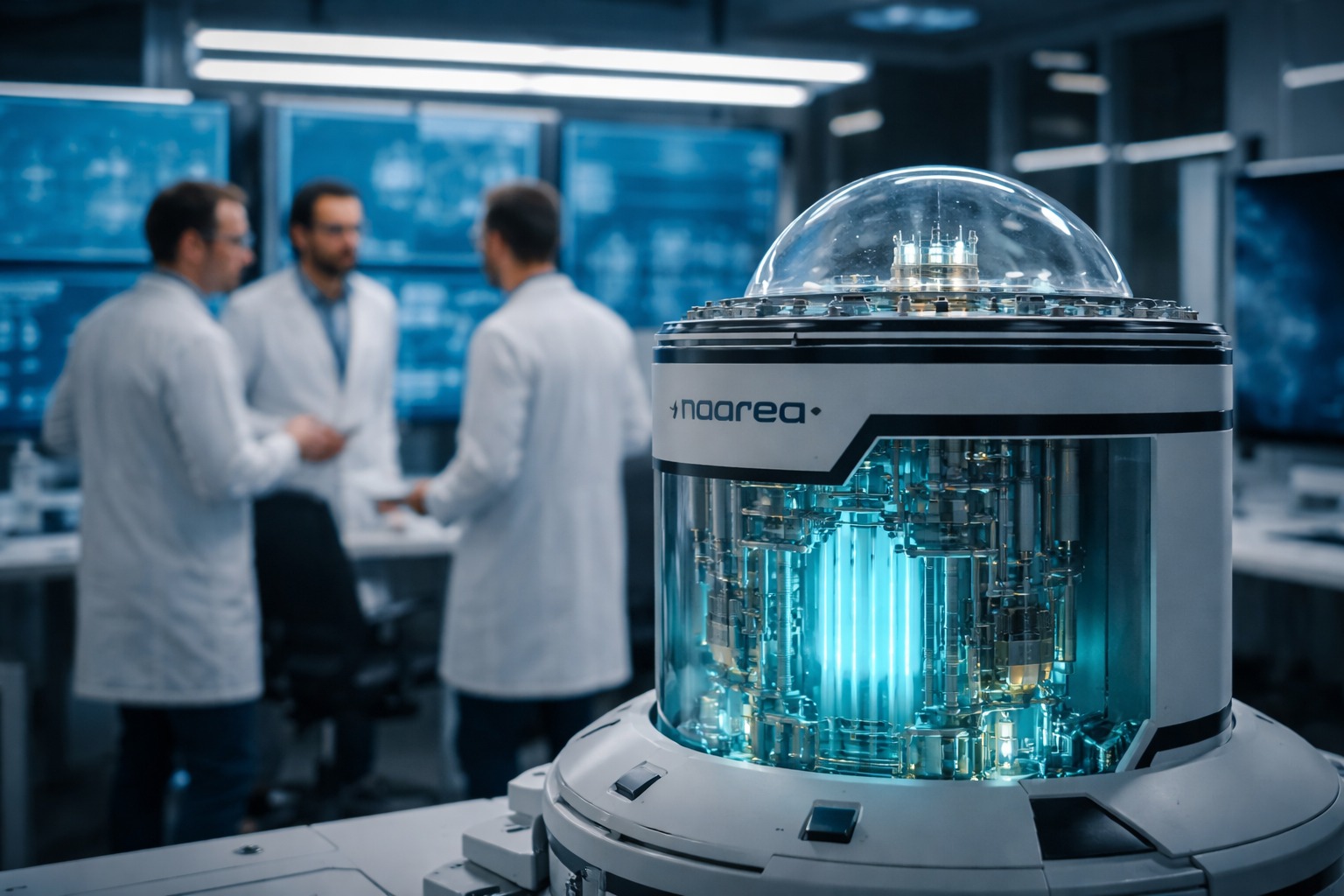

The project represents an important step toward expanding advanced nuclear energy in the United States.
The initiative led by Bill Gates comes at a time when various companies are seeking to develop smaller and more efficient reactors to strengthen electricity grids that are increasingly strained by the growth of data centers focused on artificial intelligence.
Federal Authorization Marks Progress for Bill Gates-Supported Project
With the authorization granted by the Nuclear Regulatory Commission, TerraPower will be able to begin construction of the advanced reactor in Wyoming.
The project is expected to result in the first commercially built nuclear reactor in the United States in nearly a decade.
The timeline released by the company indicates that the construction of the plant is expected to be completed by 2030.
The initiative led by Bill Gates is part of a technological race among companies seeking more compact and efficient nuclear solutions for electricity production.
Project Seeks to Meet Increasing Energy Demand
The construction of the reactor takes place in a context of growing demand for electricity. The expansion of large data centers, especially those linked to artificial intelligence systems, has stressed distribution networks and encouraged the development of new generation sources.
Energy sector companies see advanced reactors as an alternative to enhance energy supply more efficiently.
The TerraPower project supported by Bill Gates is part of this movement to modernize the energy infrastructure.
Natrium Technology Uses Liquid Sodium Instead of Water
The Natrium reactor developed by TerraPower has an initial capacity of 345 megawatts. Unlike conventional nuclear plants that use water for cooling, the model uses liquid sodium as its primary operational medium.
This system allows the reactor to operate at lower pressures and reduces costs related to equipment shielding. The change in the cooling system is also part of strategies to make nuclear technology more efficient.
Storage System Allows Capacity to Be Increased to 500 Megawatts
Another central element of the project is the energy storage system based on molten salt. This mechanism allows the plant to temporarily increase its generation capacity when electrical demand rises.
With this system, the plant can raise its output from 345 megawatts to up to 500 megawatts during peak periods.
According to previous statements by Bill Gates, projects of this kind can help address the climate crisis by reducing challenges related to safety, fuel use, and nuclear waste management.









-

-

-

-

-

-

31 pessoas reagiram a isso.