





 Portuguese
  English
  Spanish
  4 min of reading
  0 comments


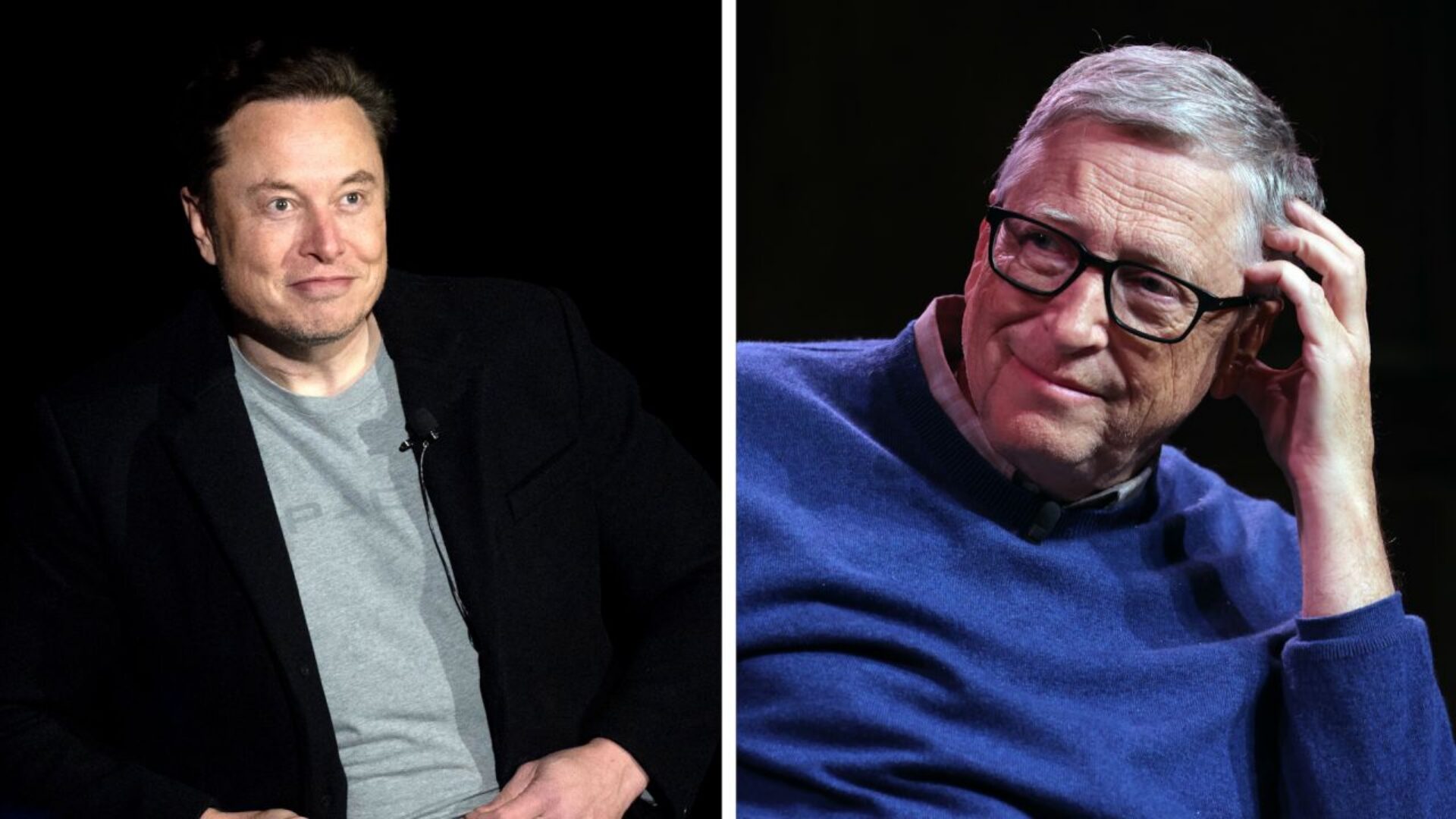
Billionaire Announces Donations Amid Growing Cuts to International Aid and Defends the Importance of Supporting Vulnerable Populations
Last Thursday, May 8, Bill Gates announced that he plans to donate nearly all of his personal fortune, totaling around US$ 200 billion, through his foundation, by 2045.
This commitment comes at a time when many governments, including the U.S.A., are reducing their international aid, raising concerns about the future of humanitarian initiatives.
Gates did not hesitate to criticize Elon Musk, the world’s richest man and influential figure in the government of Donald Trump, stating that the policies implemented by Musk are harming the most vulnerable children.
-
Larger than entire cities in Brazil: BYD is building a 4.6 km² complex in Bahia with a capacity for 600,000 vehicles per year, but the discovery of 163 workers in conditions analogous to slavery has shaken the entire project.

-
With an investment of R$ 612 million, a capacity to process 1.2 million liters of milk per day, Piracanjuba inaugurates a mega cheese factory that increases national production, reduces dependence on imports, and repositions Brazil on the global dairy map.

-
Brazilian city gains industrial hub for 85 companies that is equivalent to 55 football fields.

-
Peugeot and Citroën factory in Argentina cuts production by half and opens a layoff program for more than 2,000 employees after Brazil drastically reduced purchases of Argentine vehicles.



He stated that the cuts to humanitarian aid budgets made by Musk, head of the Government Efficiency Department, have resulted in a drastic reduction in funding for the U.S. Agency for International Development (USAID), which has historically provided billions of dollars for children’s vaccines and food assistance.
“The image of the world’s richest man harming the world’s poorest children is not pretty,” Gates told the Financial Times.
This statement highlights the philanthropist’s concern about the consequences of current policies.
Bill Gates’ Commitment to Philanthropy
Bill Gates, co-founder of Microsoft and philanthropist, expressed his desire to accelerate plans to liquidate his fortune and close the Gates Foundation by December 31, 2045.
He emphasized: “People will say many things about me when I die, but I am determined that ‘he died rich’ will not be one of them.” This reflects his commitment to using his wealth to solve critical issues such as infant mortality and preventable diseases.
Gates’ focus is on helping to prevent the deaths of newborns, children, and mothers due to preventable causes, as well as eradicating diseases such as polio, malaria, and measles.
He also expressed concern that wealthier countries may not continue to support the poorer ones, particularly in light of cuts in donations from countries such as United Kingdom and France.
Since its inception in 2000, the foundation has donated approximately US$ 100 billion, positively impacting millions of lives and supporting initiatives such as Gavi, the vaccines group, and the Global Fund to Combat AIDS, Tuberculosis and Malaria.
The foundation is already a major player in the global health sector, with a budget expected to reach US$ 9 billion annually by 2026.
Gates revealed that the foundation plans to spend about 99% of its personal fortune before it is closed, a move that was not initially in the plans, as the founders expected the institution to close in the decades following their death.
The Importance of Humanitarian Aid
Humanitarian aid is vital for the survival of millions of people worldwide, especially in regions affected by conflict, natural disasters, and economic crises.
USAID and other aid agencies play a crucial role in delivering food assistance, vaccines, and health services.
With budget cuts, organizations that rely on government funding face significant challenges in maintaining their operations.
Gates emphasized that eradicating diseases like polio will not be possible without the ongoing commitment of the U.S.A.. He highlighted the importance of partnerships between the public and private sectors in the fight against poverty and disease, recognizing that while the foundation has contributed substantially, government support is essential to achieving long-term goals.
Call to Action for Other Billionaires
Gates encouraged other billionaires to consider the impact their donations can have on the lives of the poorest.
He hopes that more wealthy individuals will increase the pace and scale of their contributions, stating that this is a profoundly effective way to give back to society.
His hope is that by sharing his story and commitment, he inspires others to get involved in social and humanitarian causes.
Additionally, he has spoken with Donald Trump on several occasions about the importance of continued investment in global health, highlighting how collaboration between the private sector and government is essential to addressing global challenges.
During these conversations, Gates reiterated the need for a renewed focus on public health, especially in times of pandemic, when the vulnerabilities of the poorest populations are exacerbated.
Criticism of the Foundation and Conspiracy Theories
Despite its positive impact, the Gates Foundation has faced criticism and conspiracy theories, especially during the Covid-19 pandemic.
The influence and power that the foundation wields in global health have generated debates about the need for greater transparency and accountability.
Critics argue that the foundation accumulates a disproportionate amount of power in public health decisions without proper accountability.
Bill Gates, by positioning himself against humanitarian aid policies that harm the most vulnerable, reaffirms his commitment to using his wealth to promote meaningful change and improve the lives of millions. With his pledge to donate, he seeks to foster a movement of generosity among the wealthiest, emphasizing that solidarity is essential to tackling the ongoing global challenges.
The Legacy of Bill Gates

Throughout his career, Bill Gates has transformed from a technology magnate into one of the most influential philanthropists in the world.
His vision of a future where health and well-being are within everyone’s reach reflects his experiences and challenges faced throughout life.
As he approaches the closure of the Gates Foundation, his hope is that the legacy of his contributions inspires future generations to engage in social causes and use their wealth for the common good.
Gates’ approach to philanthropy, focusing on data and results, can serve as a model for others who wish to make a difference.
He believes that the combination of financial resources, innovation, and social commitment can lead to lasting and meaningful change in the world, especially for those in greatest need.
SOURCE: ISTOEDINHEIRO








Seja o primeiro a reagir!