





 Portuguese
  English
  Spanish
  5 min of reading
  0 comments


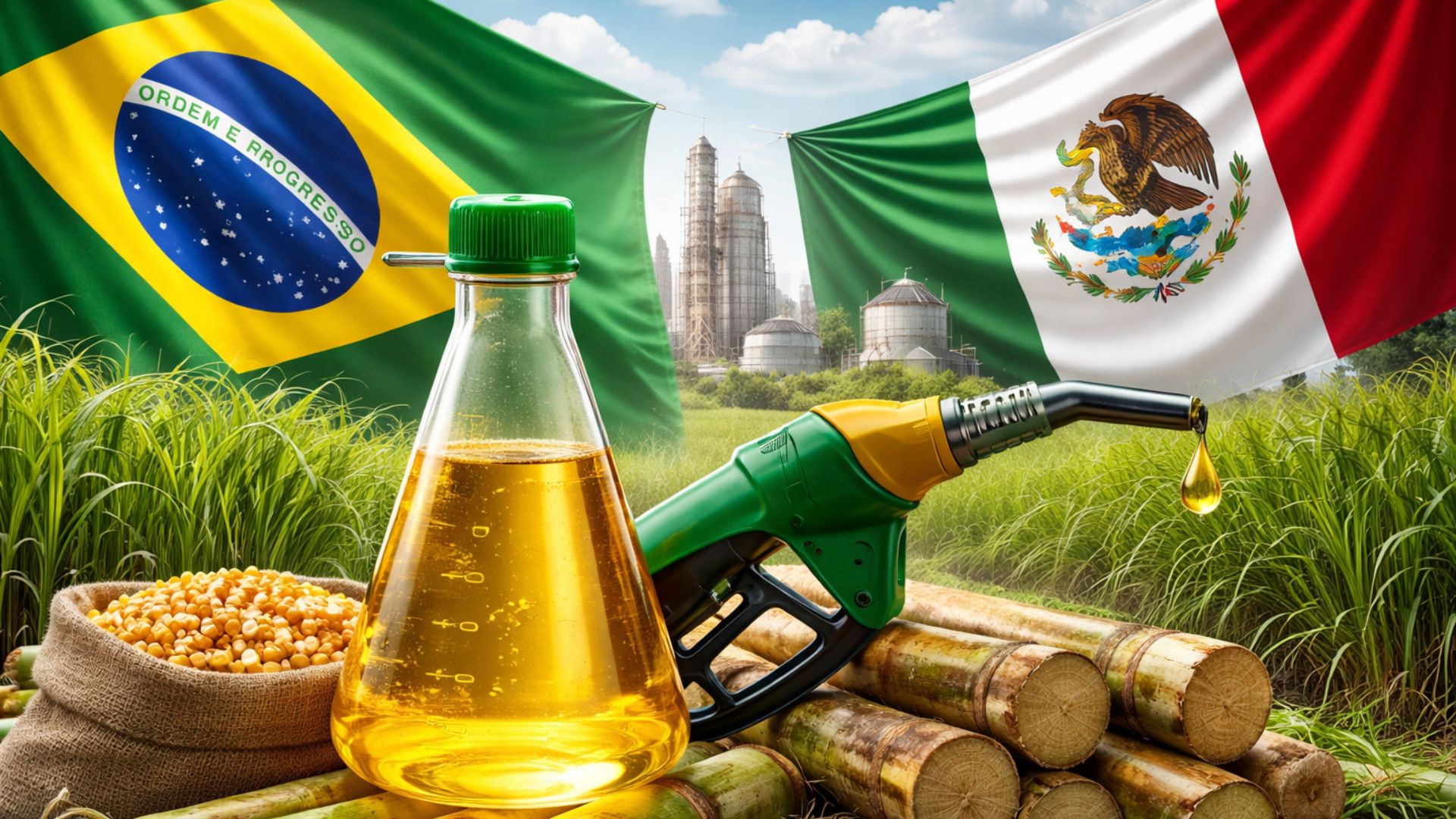
Brazil and Mexico Expand Strategic Partnership in Biofuels Focusing on Ethanol Production, Technological Innovation, and Advancement of Energy Transition in Latin America.
According to an article published by the Notícias Agrícolas website on February 18, the two largest economies in Latin America, Brazil and Mexico, made progress in 2025 in formalizing sectoral agreements aimed at sustainability, innovation, and the expansion of bilateral trade. In 2024, trade between the two countries totaled US$ 13.6 billion, a figure that highlights the strategic weight of this relationship and the potential for expansion in the coming years.
Among the priority sectors, biofuels have gained prominence as a structuring axis of cooperation. The expansion of ethanol production, technological exchange, and the strengthening of public policies aimed at energy transition have become part of the long-term bilateral agenda.
Ethanol Production and Biofuels as a Strategic Bridge in the Latin American Energy Transition
The movement occurs in a global scenario of pressure for decarbonization and greater regional integration. By uniting production capacity, technology, and diplomatic articulation, Brazil and Mexico signal a joint strategy to reduce emissions and accelerate the transformation of the Latin American energy matrix.
-
The Economist states that Brazil has a “secret weapon” against expensive oil and highlights how the country can reduce economic impacts even in international scenarios of high volatility.

-
Brazil accelerates decarbonization in the South: International forum in Foz do Iguaçu gathers leaders to discuss the advancement of biomethane in the energy matrix and the potential of “caipira pre-salt.”

-
As diesel prices soar due to conflicts in the Middle East, a Brazilian city decides to test a little-known biofuel that promises to completely replace fossil fuel without adaptation and could change the future of energy in the country.

-
Innovation with biofuel engines transforms agribusiness by replacing diesel without the need for major adaptations, ensuring energy efficiency and helping to reduce dependence on oil.
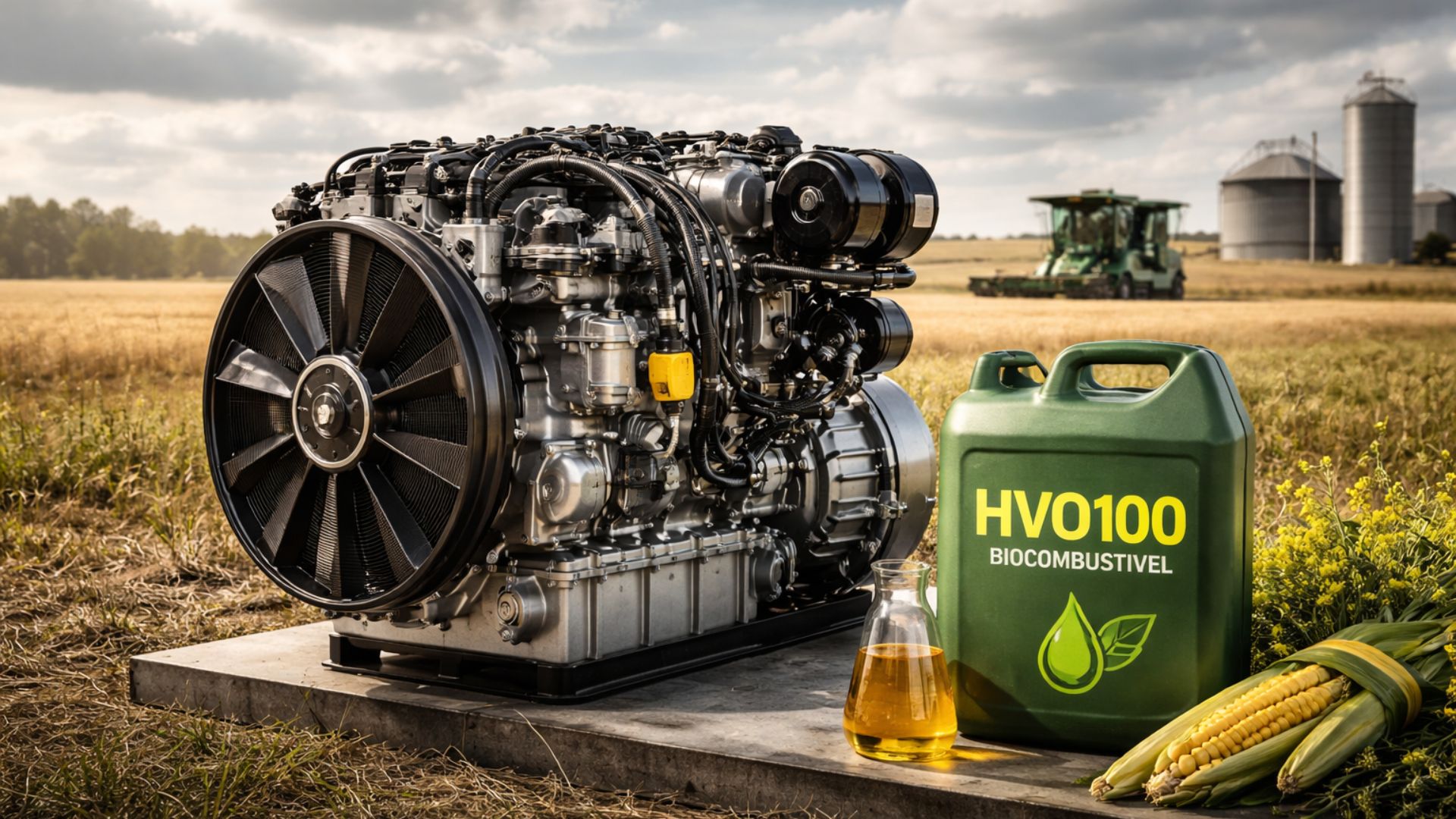
Brazil is recognized as a world reference in ethanol production, especially from sugarcane. According to the National Supply Company (Conab), the 2023/2024 crop surpassed 30 billion liters of ethanol, consolidating the country among the largest global producers.
For Mexico, the partnership represents access to a consolidated model of production chain, logistics, and regulation. By expanding ethanol production, the country can reduce its dependence on oil derivatives in transportation, contributing to its own energy transition.
The cooperation is not limited to the export of the final product. It involves the transfer of technical knowledge, agricultural research, the development of more productive varieties, and the modernization of industrial processes.


Brazil and Mexico Faced with Contrasting Energy Matrices
The complementarity between Brazil and Mexico becomes evident when observing their energy matrices. While Brazil shows a significant share of renewable sources, Mexico still maintains a strong dependence on fossil fuels.
According to the International Energy Agency, in 2024 about 75% of Mexican electricity was generated from fossil sources, with approximately 60% coming from natural gas. Low-carbon sources — hydroelectric, solar, wind, and nuclear — accounted for nearly a quarter of the country’s electric generation.
This scenario reinforces the importance of energy diversification in Mexico. The expansion of biofuels can act as a complementary solution to the expansion of electric renewables, especially in the transportation sector, where ethanol production can provide quick wins in emission reductions. For Brazil, the partnership broadens markets and strengthens its position as a strategic provider of low-carbon energy technology and inputs.
Bilateral Trade of US$ 13.6 Billion Creates Foundation for Sustainable Expansion
Trade between Brazil and Mexico reached US$ 13.6 billion in 2024, consolidating the economic relevance of the relationship. In 2025, the two countries formalized their intention to expand sectoral agreements, including energy, the automotive industry, and technological innovation.
Mexico has privileged access to the North American market through the agreement with the United States and Canada, which can expand opportunities for production chains associated with biofuels. Integration can facilitate cross-investments, joint ventures, and regulatory standardization.
For Brazil, expanding cooperation means strengthening the internationalization of the ethanol production industry and increasing the regional presence in the energy transition agenda. For Mexico, it represents accelerating energy modernization with consolidated technical support. The growth of trade creates a favorable environment for attracting private capital and developing logistical infrastructure, essential elements to consolidate the sector.
Technological Innovation Strengthens Biofuels and Energy Transition Beyond Ethanol
Although ethanol production is one of the main pillars of cooperation, the agreement also encompasses innovation in smart grids, energy storage, and renewable source integration.
Experts highlight that the foundation of the partnership should be structured in the long term, focusing on climate resilience and technological development. The exchange of experiences between Brazil and Mexico can generate advances in the digitization of electrical systems, energy efficiency, and smart distribution management.
Technological integration enhances the impact of biofuels by allowing synergies with other low-carbon solutions. The energy transition requires multiple fronts of action, and regional cooperation reduces learning costs and accelerates the implementation of effective public policies. Furthermore, joint action strengthens the position of both countries in international forums, where climate and energy agendas play a central role in multilateral negotiations.
Economic, Environmental, and Social Impacts of Ethanol Production Expansion
In Brazil, the biofuels sector has significant economic relevance. The sugar-energy chain generates hundreds of thousands of direct and indirect jobs, drives agribusiness, and contributes to industrial GDP.
The expansion of ethanol production aimed at export and cooperation with Mexico can increase investments, modernize industrial plants, and stimulate technological innovation. The strengthening of this chain also contributes to regional development in producing areas.
From an environmental perspective, sugarcane ethanol shows potential for reducing greenhouse gas emissions compared to gasoline, considering life cycle analyses. The adoption of environmental criteria and international certifications is essential to ensure sustainability and competitiveness.
For Mexico, expanding the use of biofuels can mean less dependence on fossil imports and gradual advancement in the energy transition, especially in the urban and road transportation sectors.
Structural Challenges for Brazil and Mexico to Consolidate the Energy Transition
Despite the opportunities, the consolidation of this agenda faces relevant challenges. In Mexico, the high share of fossil fuels in electricity generation — 75% in 2024 — highlights the need for structural changes, robust investments, and regulatory adjustments.
In Brazil, maintaining competitiveness in ethanol production requires continuous gains in productivity, agricultural innovation, and regulatory stability. Sustainable expansion also requires attention to environmental preservation and efficient land use.
Regional integration depends on technical harmonization, certification standardization, and adequate infrastructure. Without these elements, the potential of biofuels may be limited.
Still, the strategic cooperation between Brazil and Mexico represents a significant step toward consolidating the energy transition in Latin America, combining production experience, innovation, and diplomatic articulation.
A Strategic Alliance that Repositions Brazil and Mexico in the Regional Climate Agenda
The advancement of agreements between Brazil and Mexico signals more than commercial expansion. It represents a strategic repositioning in the climate and energy agenda of Latin America. By positioning biofuels and ethanol production as pillars of cooperation, the two countries create conditions to accelerate the energy transition in a pragmatic manner aligned with their economic realities.
With bilateral trade of US$ 13.6 billion in 2024 and new negotiation fronts formalized in 2025, the trend is for integration to advance in a structured way. If well executed, this partnership can influence regional standards, stimulate investments, and strengthen Latin American competitiveness in the global low-carbon scenario.
The combination of Brazilian experience, the Mexican need for diversification, and diplomatic convergence creates a solid foundation to transform cooperation into concrete results. At a time when decarbonization is a global priority, the articulation between Brazil and Mexico can become a regional reference in promoting sustainable energy solutions.









-

Uma pessoa reagiu a isso.