





 English
  Francês
  Alemão
  Italiano
  Japonês
  Norueguês
  Portuguese
  Spanish
  4 min of reading


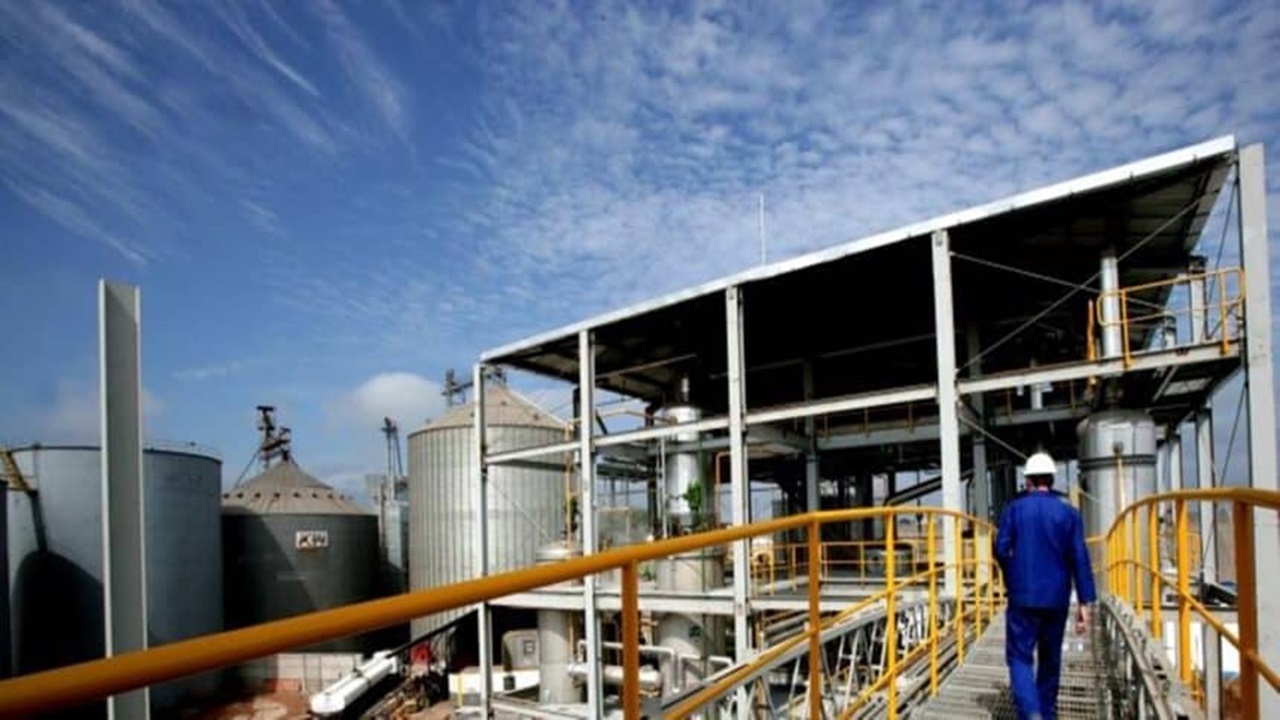
Brazil Is a Global Reference When It Comes to Ethanol and Biodiesel Production: The Biocombustible That Came to Replace Natural Gas, Gasoline, and Diesel
Brazil becomes a global protagonist when it comes to ethanol and biodiesel production – the biocombustible that came to replace natural gas, gasoline, and diesel and promises to change the fate of humanity. The country has become a world reference in a scenario of urgency for alternatives that curb greenhouse gas emissions; the energy transition, that is, the shift from an energy matrix focused on fuels derived from oil to one with low or zero carbon emissions, based on renewable sources, is one of the biggest global focuses.
Read Also
- Nestlé, the largest food and beverage company in the world, calls candidates with and without experience for positions in SP, MG, BA, and more regions of Brazil
- Ambev calls candidates without experience from all areas to intern at its factory in São Paulo; interested parties over 50 can apply for the positions
- SBT, one of the main broadcasters in Brazil, calls candidates with and without experience for job, internship, and apprentice vacancies in the states of SP and RJ
- Distributors warn of the risk of gasoline and diesel shortages due to production cuts by Petrobras
Decarbonization is a global issue, and global agreements such as the Paris Agreement and the “Race to Zero” and “Race to Resilience” campaigns promoted by the UN (United Nations), which aim to reduce emissions of greenhouse gases, such as methane and CO2, are gaining more and more engagement. Emission reduction will also be one of the main topics of the 26th Conference of the Parties to the United Nations Framework Convention on Climate Change (COP-26), which will be held between October and November.
Brazil Is a Global Reference When It Comes to Ethanol and Biodiesel Biocombustible
In this journey toward the adoption of other energy matrices, biocombustible is one of the viable alternatives for various sectors of the economy. Produced from biomass, such as sugarcane and vegetable oils, or organic waste, both residential and industrial, biocombustible serves as a substitute for fossil fuels, such as natural gas, gasoline, and diesel.
-
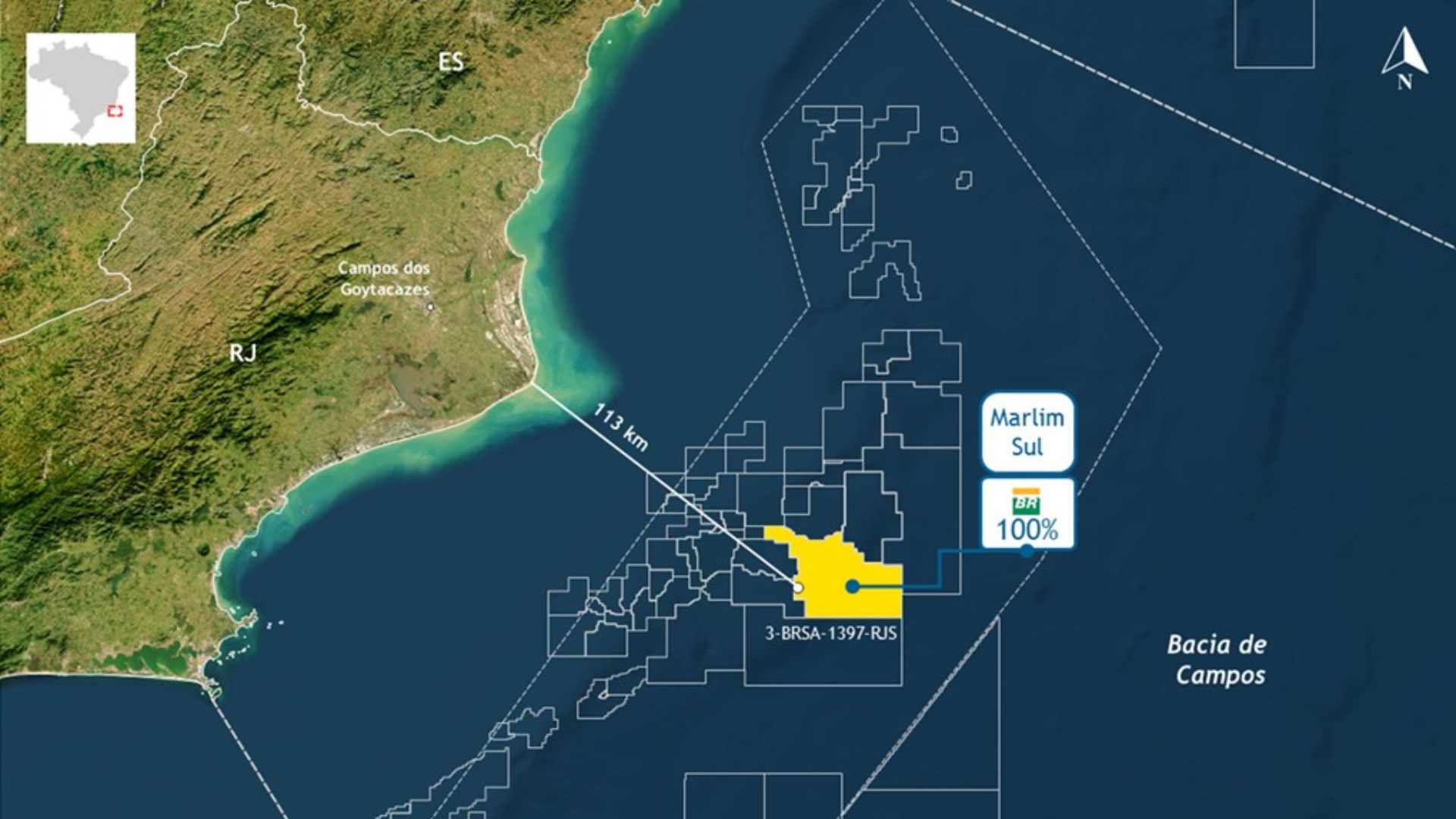
Petrobras finds high-quality oil in the pre-salt at 113 km from RJ and reignites expectations about strategic reserves in the Campos Basin.

-
Ocyan opens registrations for startups focused on innovation in the oil and gas sector and will select projects for Innovation Day with the support of Nexio.

-
Petrobras announces new oil discovery in the pre-salt of the Campos Basin and reinforces Brazil’s prominence with high-quality reserves that can increase production and energy revenues.
-
Alert in the fuel market: Analysts and a former director of ANP warn that oil prices may worsen in the coming months due to global instability.


Brazil is one of the most advanced countries when it comes to biocombustible and is a world reference in the production of ethanol and biodiesel derived from biomass. The former is made through the fermentation of sucrose from agricultural plants like sugarcane. Biodiesel, on the other hand, is produced from vegetable oils (such as soybean and sunflower).
Both are renewable sources, and their combustion produces fewer gases and particles than fossil fuels. Furthermore, their crops consume CO2 throughout their life cycle, generating a neutral carbon cycle. Thus, the environmental impact is minimized. In fact, all fossil-derived diesel produced in the country must include a compulsory addition of 13% biodiesel, which serves as a source of emission mitigation.
Another beneficial option for the environment is biogas, a biocombustible obtained from the anaerobic fermentation of organic matter, namely, residential or industrial waste. By purifying biogas, biomethane is obtained, which can be used for vehicle fueling, residential, industrial, and commercial applications. The combustion of biomethane as fuel, while it generates CO2, is more beneficial than its direct emission into the atmosphere, as methane’s heating potential is nearly 70 times greater than that of CO2.
Thus, both biocombustibles from agricultural sources and those obtained from the decomposition of organic matter contribute to the reduction of global warming.
Air Products Explains the Advantages of Replacing Oil-Derived Fuels, Such as Natural Gas, Gasoline, and Diesel, With Those Obtained From Renewable Sources
Aligned with the global goal of decarbonization, Air Products has set the “1/3 by 2030” goal to reduce its own emissions and has been encouraging its clients to reduce environmental impacts through the application of new technologies aimed at energy efficiency, capture, sequestration, and conversion of greenhouse gases.
One of the company’s bets is on the purification of biogas for biomethane production. The Purification Membrane System removes contaminants from biogas to obtain this biocombustible, which can be used for generating thermal or electric energy or as vehicle fuel, making its clients’ processes more economical and sustainable.
“We know that the energy transition is essential. Moving from fossil fuels to clean energies is an important step for humanity so that life on the planet can be more sustainable. Air Products, a multinational present in 50 countries, is increasingly committed to achieving this goal on a global scale through its solutions,” emphasizes Marcus Silva, General Manager Brazil and Argentina.










Seja o primeiro a reagir!