





 English
  Francês
  Alemão
  Italiano
  Japonês
  Norueguês
  Portuguese
  Spanish
 3 min of reading


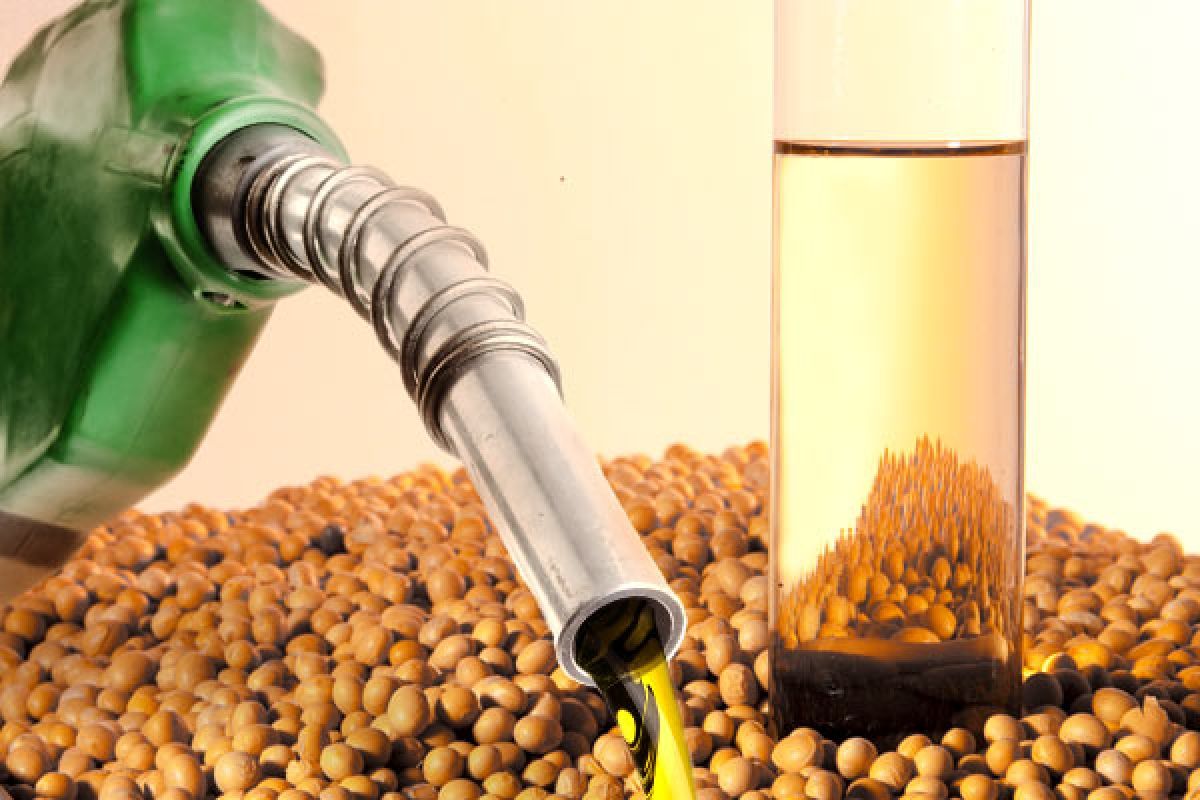
Biodiesel Revolutionized The Fuel Sector With The Reduction Of Greenhouse Gas Emissions
Biodiesel is a renewable and clean fuel produced from cooking oil or animal fat. Its combustion produces small amounts of greenhouse gases and can reduce emissions by up to 72%, according to researchers from the University of São Paulo. This biofuel is a significant step towards sustainability in Brazil.
The use of this clean energy fuel reduces the total or partial consumption of diesel obtained from petroleum in various vehicles used in agriculture and on the roads, such as tractors, trucks, and construction and road machines. Brazil has a federal government program called the National Biodiesel Production and Use Program (PNPB), established in 2004, which continues to encourage the increased production of this biofuel. Learn more about the positive effects of this oil in the article.
Learn How Biodiesel Is Made From Cooking Oil With The Video Below


Major Study From USP Showed That The Reduction Of Greenhouse Gases Can Reach 72% With Biodiesel Production From Fully Domestic Soybeans
Researchers from the University of São Paulo (USP) conducted a study in 2019 regarding the production of biodiesel from Brazilian soybeans. In it, data from over 200 soybean-producing properties were analyzed, considering everything from planting to production and distribution of the biofuel.
-
Ocyan opens registrations for startups focused on innovation in the oil and gas sector and will select projects for Innovation Day with the support of Nexio.

-
With 160,000 m² of collectors, an area larger than 20 football fields, Silkeborg, in Denmark, hosts a solar thermal plant that heats 19,500 homes and could become the largest solar heating plant in the world.

-
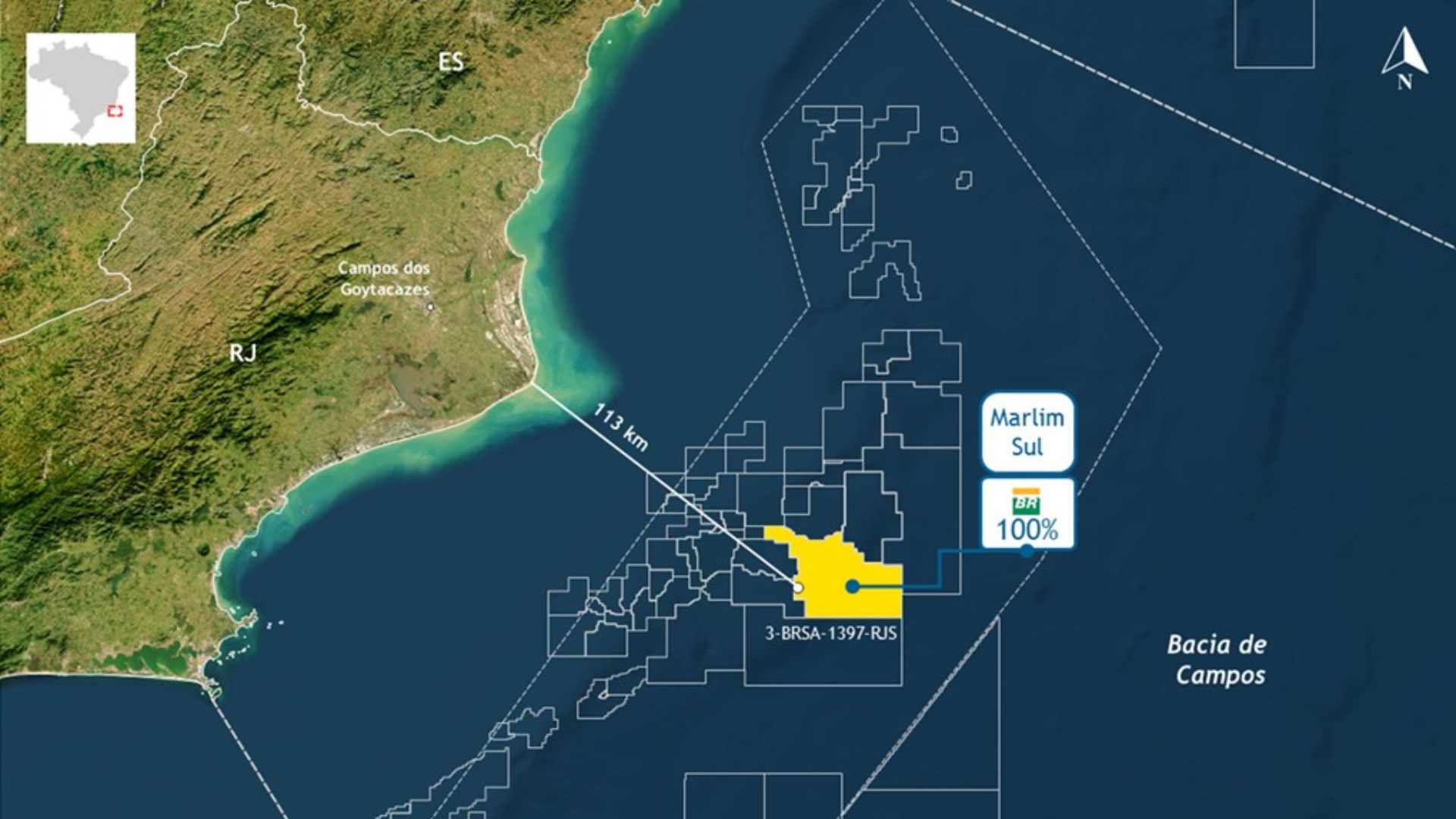
Petrobras announces new oil discovery in the pre-salt of the Campos Basin and reinforces Brazil’s prominence with high-quality reserves that can increase production and energy revenues.
-
A study reveals the expansion of renewable energy procurement in Brazil and shows how companies are taking advantage of opportunities to reduce expenses, ensure energy efficiency, and strengthen strategic environmental commitments.


The results showed that the planting stage is the one that produces the most greenhouse gases, given that tractors still use regular diesel. However, when considering the distribution of the fuel and the entire production cycle, the reduction reaches 72% in greenhouse gas emissions, which is very significant.
“In compliance not only with the National Biodiesel Production and Use Program (PNPB), which establishes the use of B8 (March 2017), B9 (March 2018), and B10 (March 2019), but also in relation to the INDC (Intended Nationally Determined Contribution) of Brazil, presented in 2015 during the UN Climate Convention/COP 21 in Paris, the study suggests a high potential for soybean biodiesel to improve the environmental sustainability of the biological-based economy system in Brazil, as well as in other countries importing national soybean biodiesel.”
Carlos Eduardo Cerri, Lead Author of the Research Conducted by USP (2019)
Binatural Is One Of The Pioneer Companies In Sustainability With The Production Of Renewable Fuels And Clean Energy
The Binatural is a company focused on the production of biofuels made from non-petroleum-based compounds. The company has facilities with an annual production of up to 360 million liters of biodiesel, such as the plant located in Bahia. In this sense, biodiesel production is essential for maintaining the health of the environment and human beings, as it also reduces the emission of polluting particles released from fossil fuel combustion that are inhaled during respiration.
Unfortunately, today in Brazil, the use of biodiesel is still low, with a rate of 10% compared to 90% of diesel usage from petroleum. However, Binatural has been expanding its business in a constant pursuit to increase the use of biofuel in Brazil. They have been operating in this market for over 15 years and now, the company is one of the main players in the Brazilian sector.







Seja o primeiro a reagir!