





 English
  Francês
  Alemão
  Italiano
  Japonês
  Norueguês
  Portuguese
  Spanish
  3 min of reading


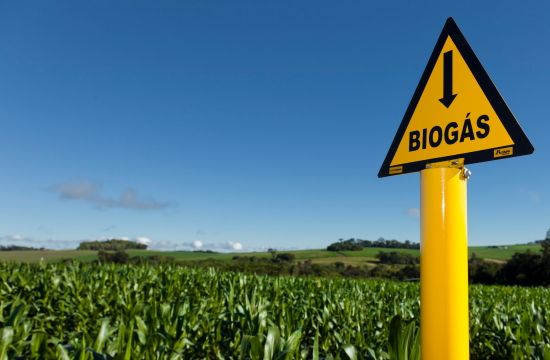
The Subject In Question, Potential, Advantages, And Market Conditions Of Biogas Were Topics Reported In The First Webinar Cycle Event
Promoted by the organization of Fenasucro & Agrocana, in partnership with Dassault Systèmes, the first webinar cycle event addressed the biogas revolution in the supply chain, its potential, advantages, and market conditions.
See Also:
- 340 Job Openings To Meet Contracts At Petrobras Refinery – Reduc, In Duque De Caxias, Rio De Janeiro
- Leader In Energy And Automation Technologies Opens Job Vacancies For Logistics, Projects, Products, And Sales Areas
- Macaé Has New Job Openings To Meet Offshore Contracts From Ocyan, On This Day, June 10
The biogas production sector in Brazil, according to the website Energia que fala com você, by 2019, had 524 operating plants producing 1.3 billion m³. However, experts warn that the use of biofuels is underestimated, as there is a potential for biogas production. The value can reach 84.6 billion Nm³/year, with the sugar-energy sector capable of generating 41.4 billion Nm³/year. The agro-industrial sector can generate 37.4 billion Nm³/year.
-
With 160,000 m² of collectors, an area larger than 20 football fields, Silkeborg, in Denmark, hosts a solar thermal plant that heats 19,500 homes and could become the largest solar heating plant in the world.

-
A study reveals the expansion of renewable energy procurement in Brazil and shows how companies are taking advantage of opportunities to reduce expenses, ensure energy efficiency, and strengthen strategic environmental commitments.

-
Mato Grosso do Sul excels in the sugar-energy sector: the state reaches a milestone of 22 operating mills and accelerates the production of clean energy in MS with a focus on sustainability.

-
National energy dilemma: Brazilians support clean energy but reject increases in tariff costs to finance the sustainable transition.
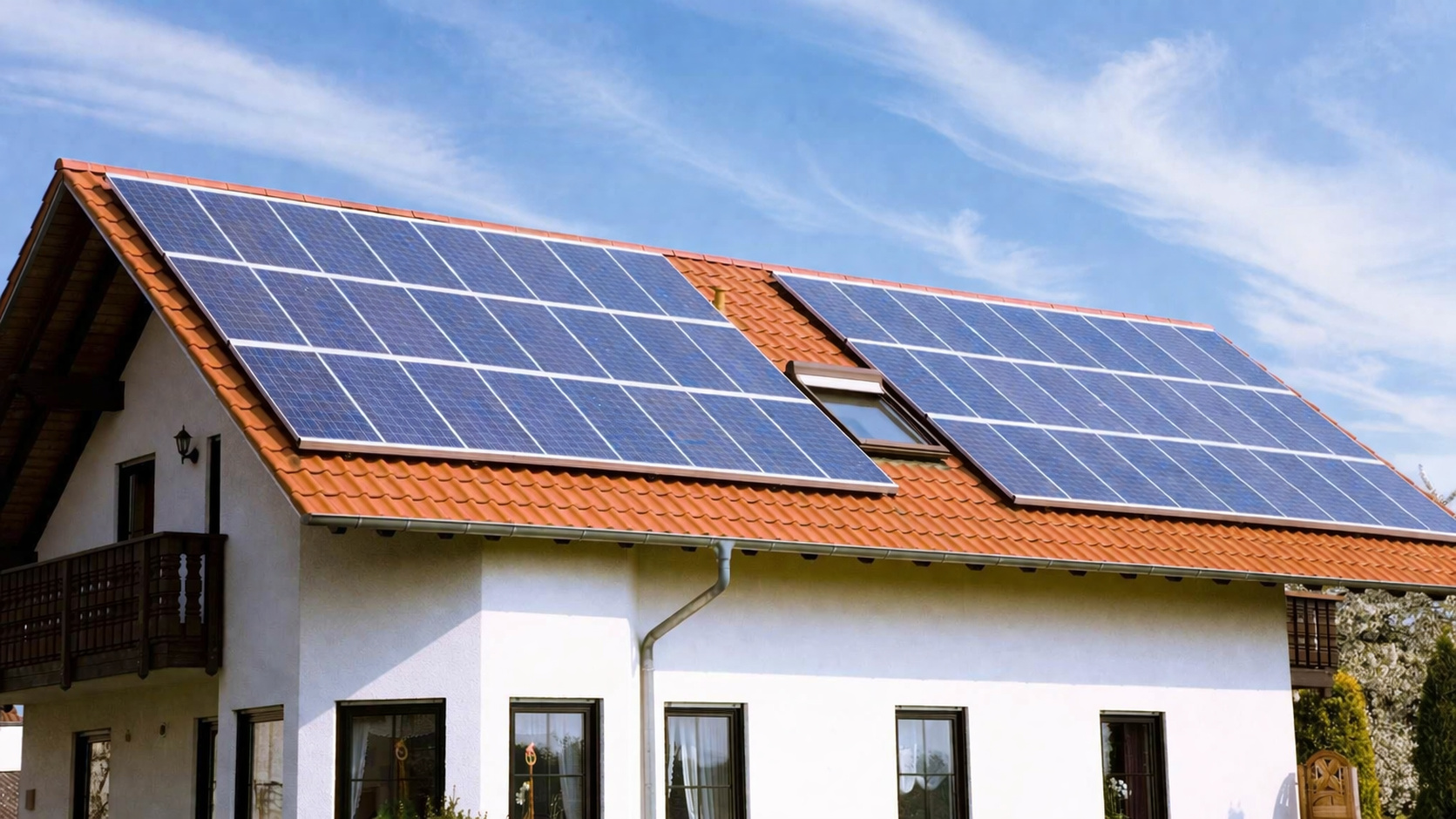

However, biofuels also present conditions to be associated with electricity production. The estimate is for a production potential of 190 thousand GWh/year, equivalent to 20% of national consumption. Or, to be adopted as a substitute for 45 billion liters of diesel, about 35% of Brazilian consumption.
According to Alessandro Gardemann, president of ABiogás (Associação Brasileira de Biogás), “the expectations are good. Currently, there is technology for the use of biogas as fuel in heavy vehicles. Scania and some Chinese models already offer this technology on the market. In addition, looking at RenovaBio, a program that will value production with lower greenhouse gas emissions, biogas contributes to increasing the efficiency rating of the plant through the issuance of a larger number of credits, the CBios, and increasing revenue from the program.”
Regarding the Biogas Revolution in the Bioenergy Sector, Daniel Rossi, CEO of ZEG Energia Renovável, says that “as the unknown about the product decreases, biogas can be used in energy production. Thus, reducing CO² emissions by 95% compared to diesel and by 70% compared to natural gas. One of the solutions is to provide guidance on on-site production. The Midwest region, for example, has the potential to be a large gas producer. We have a mapping of potential gas production sites in the interior, and I believe we are close to a revolutionary process. Just like the use of sugarcane bagasse for electricity production.”
Furthermore, regarding efficiency, the projects contribute to its increase in plants, especially concerning production stops. João Vicente R. Ferreira, Senior Business Process Consultant at Dassault Systèmes, states, “Companies must adapt to this new reality to be competitive. Investment in technology comes to enable this transformation sustainably. It is essential for society not to depend on a single source, and renewable energy is a differentiator. In countries like Germany, China, and the United States, there are several initiatives seeking alternatives. The great advantage is that Brazil has a unique capacity for diversification compared to other countries.”







Seja o primeiro a reagir!