





 English
  Francês
  Alemão
  Italiano
  Japonês
  Norueguês
  Portuguese
  Spanish
  5 min of reading
  0 comments


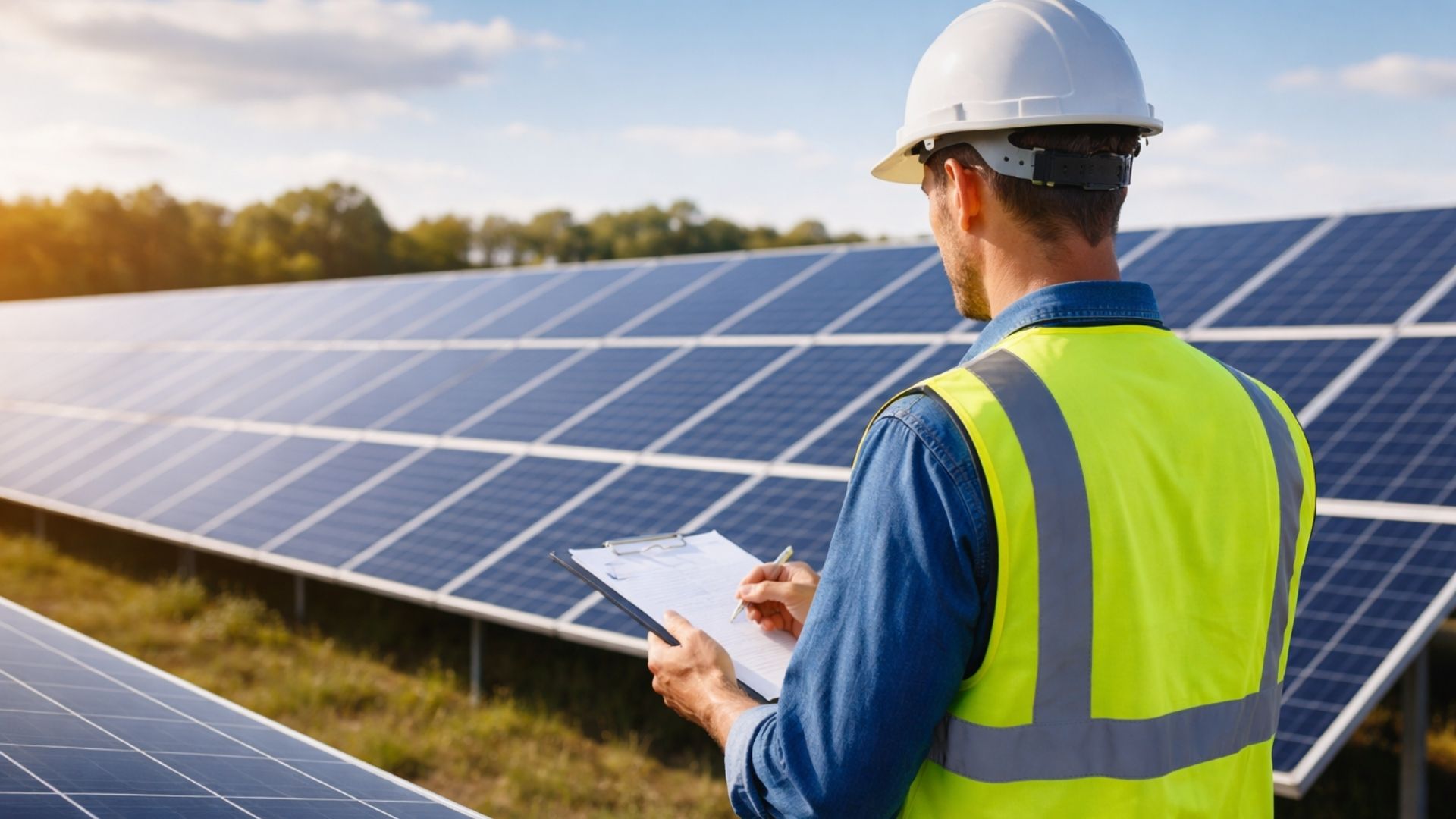
Irena Report Shows Consistent Progress of Renewable Energies in Brazil, with Growth of Green Jobs Driven by Bioenergy and Solar, Expanding Job Opportunities and Strengthening the Energy Transition.
In 2024, the renewable energy sector consolidated its strategic role in the global and national economy. Data released by the International Renewable Energy Agency (Irena) this Sunday (11) shows that the global market reached 16.6 million direct and indirect jobs, maintaining a consistent growth trajectory. In this context, Bioenergy and solar stand out as the main drivers of green jobs in Brazil, totaling 1.3 million job vacancies in the sector.
Green Jobs Gain Global Scale with Renewables, Points Out Irena
Brazil ranks among the global leaders in job generation in the renewable sector, holding the third position in the world ranking, behind only China and the European Union. The Brazilian performance reflects the strength of its clean and diversified energy matrix, especially in liquid biofuels, photovoltaic solar energy, and hydropower, according to Irena.
The most recent report from Irena confirms that the expansion of renewable energies continues to drive the creation of green jobs worldwide. The growth in 2024 was supported by the accelerated advancement of technologies such as photovoltaic solar, bioenergy, hydroelectric, and wind energy, in addition to the strengthening of associated industrial and service chains.
-
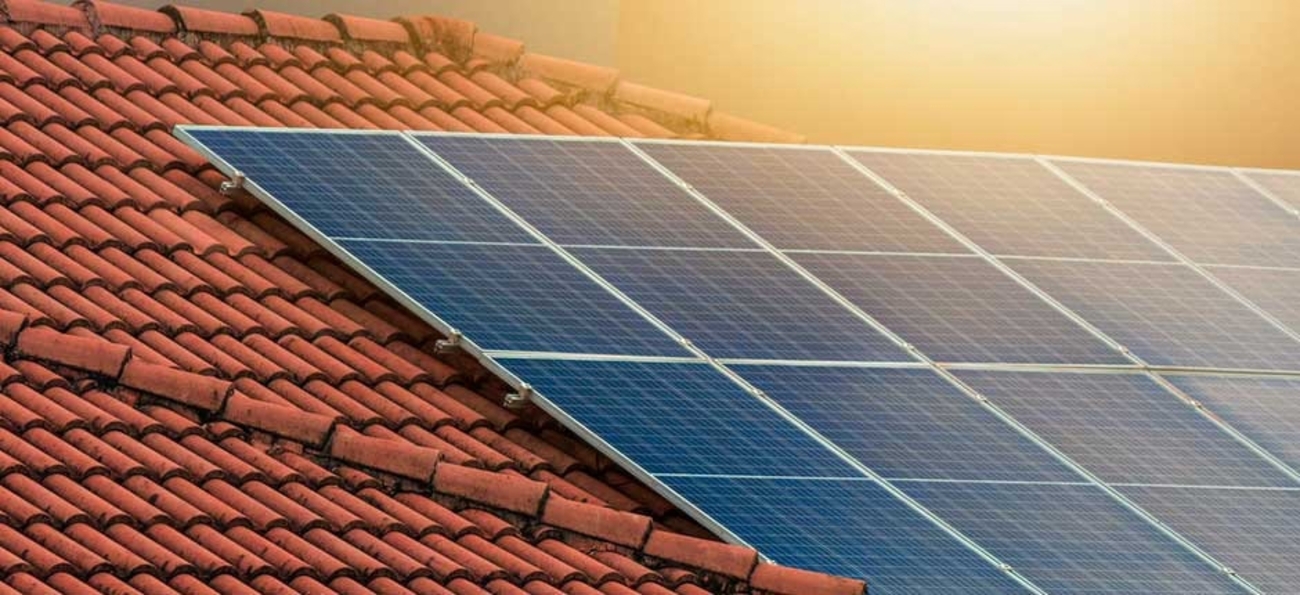
Roraima bets on the sun to escape high tariffs: Amid the energy crisis and price hikes, solar energy is growing in Roraima and transforming consumption in the North region.
-
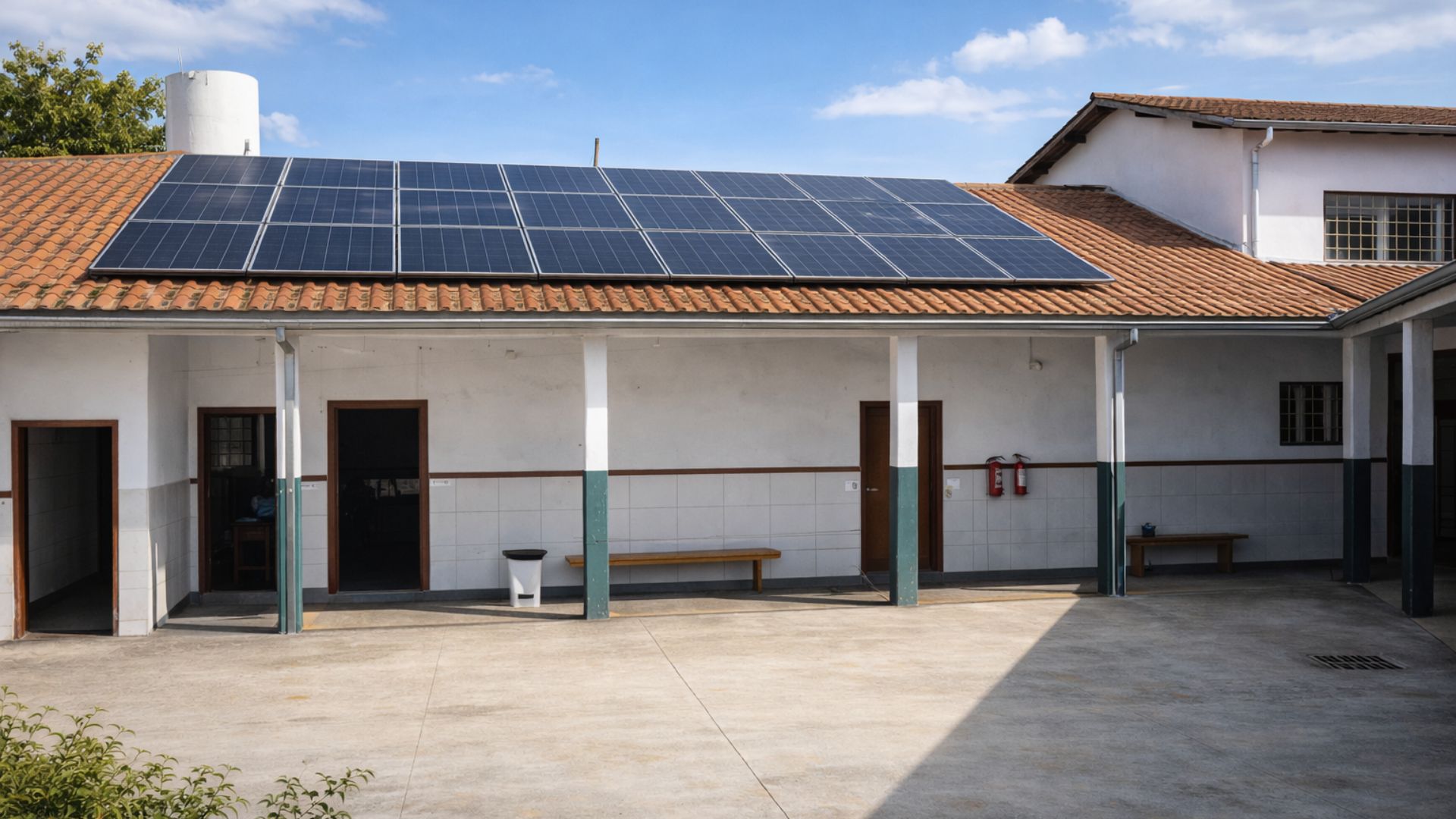
Copel boosts solar energy in Paraná and brings innovation to public schools, promoting savings on electricity bills, energy efficiency, and a direct impact on the quality of education.
-
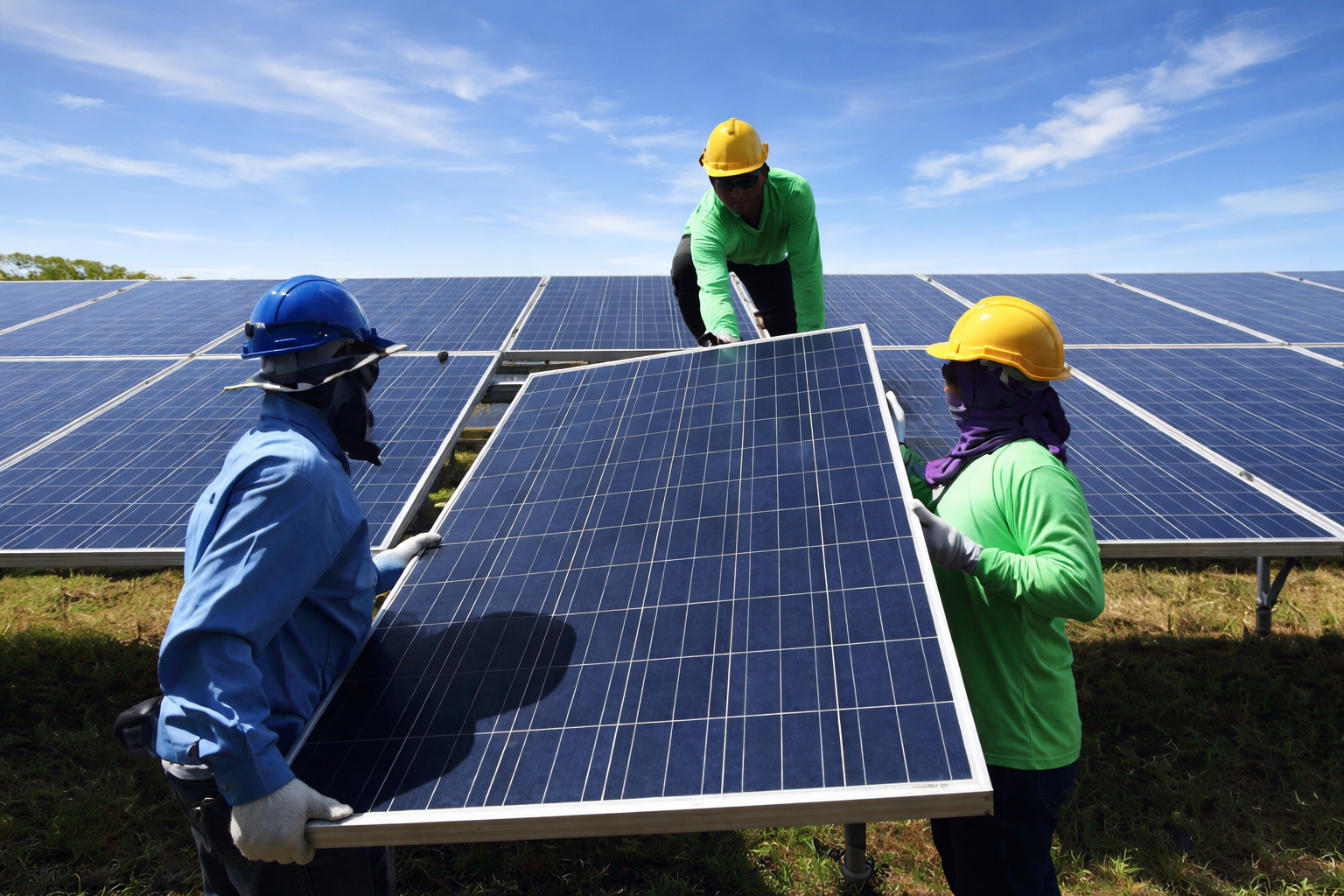
Brazil reaches historic milestone in solar energy: Sector surpasses 2 million accumulated green jobs and generates billions in the national economy even under market pressure.
-
Minas Gerais takes the lead in renewable energy: State surpasses historic mark of 14 GW in solar energy generation in MG and consolidates dominance in the Brazilian electric sector.

China, Brazil, India, the United States, and the European Union concentrate most of the global job vacancies in the sector. These markets stand out not only for the volume of installed capacity but also for their significant presence in equipment manufacturing, project installation, and technical activities such as engineering, operation, and maintenance.
China leads with 7.29 million jobs, driven by a robust industrial policy and its dominance in the manufacturing of solar panels, turbines, and components. The country alone accounts for over 4.2 million jobs in photovoltaic solar, about 60% of the global total in this technology.
Bioenergy and Solar Consolidate Green Jobs in Brazil
In the national scope, the Irena report shows a more balanced and diversified profile. In 2024, Brazil had approximately 1.3 million jobs in renewable energies, with a strong presence of Bioenergy and solar, as well as hydropower and wind energy.
According to the agency, the country employed:
- 762 thousand people in liquid biofuels
- 324 thousand in photovoltaic solar
- 180.4 thousand in hydropower
- 62.3 thousand in wind energy
This profile positions Brazil as the second-largest global employer in biofuels, behind only China, and also ranks among the top five global markets in solar and hydropower. Bioenergy and solar, together, sustain most of the job vacancies in Brazil’s renewable sector.
Photovoltaic Solar Energy Expands Job Vacancies and Distributed Generation
Photovoltaic solar energy was one of the main growth vectors for green jobs in 2024. Brazil installed 15.2 GW of new capacity, a historic record, with nearly two-thirds of this volume concentrated in distributed generation.
According to Irena, approximately half of the new installations occurred in the residential segment, considered the most labor-intensive. As a result, the country achieved 323.8 thousand direct and indirect jobs in photovoltaic solar, compared to 265.7 thousand in 2023. Direct jobs totaled 120.3 thousand positions.
Despite the significant growth, the national production chain still depends heavily on imports. In 2024, Brazil imported the equivalent of 22.3 GW in solar modules, a volume 25% higher than the previous record. To stimulate the local industry, the government began applying a 25% tariff on imported modules.
Currently, the country has 153 manufacturers of photovoltaic kits, but only seven produce modules, along with seven inverter manufacturers and 18 trackers. The national production of components such as metal structures, solar glass, and junction boxes plays a relevant role in generating industrial green jobs.
Bioenergy Maintains Leadership in Green Job Creation
Even with the accelerated advancement of solar and wind energy, bioenergy remains the largest employer among renewable sources in Brazil, according to Irena. This leadership reflects the historical significance of ethanol and biodiesel in the national energy matrix and regional economy.
Bioenergy and solar form the structural base of Brazil’s renewable employment, combining agricultural, industrial, logistical, and service activities. This model amplifies the socioeconomic impact, especially in regions outside major urban centers, promoting the interiorization of development and stability in the job market.
Biodiesel Strengthens Green Jobs in Southern and Central-West Brazil
Brazilian biodiesel production reached 9.7 billion liters in 2024, a significant increase compared to the 7.6 billion liters recorded in 2023, according to the Brazilian Association of Vegetable Oil Industries (Abiove). The Southern and Central-West regions each account for about 40% of national production, also defining the geography of job vacancies in the sector.
Brazilian biodiesel primarily relies on soybeans, which account for about 75% of the raw material. Data from Cepea and Abiove indicate that the soybean chain employed 2.28 million people in 2023. Since only 3% to 4% of production is destined for biodiesel, jobs directly linked to the fuel are proportionally smaller.
Still, Irena estimates that jobs associated with biodiesel ranged between 258 thousand and 384 thousand positions in 2024, depending on the methodology used. The number is considered conservative, given the strong production expansion observed during the period.
Ethanol Sustains Historical Base of Job Vacancies in Brazil
Brazil remains the second-largest producer of bioethanol in the world, maintaining a robust base of green jobs, albeit undergoing transformation. According to Unica, the sugar-energy sector employed 751.4 thousand people in 2024, a number lower than the historical peak of nearly 1.3 million in 2008, but stable in recent years.
About half of these positions can be classified as jobs directly linked to biofuels, reflecting the share of sugarcane destined for ethanol production. The highest concentration of job vacancies is in agriculture, at 63%, followed by industry at 23%.
While sugarcane ethanol remains concentrated in the Southeast, the growth of corn ethanol has boosted jobs in Mato Grosso, reinforcing the interiorization of the industry and expanding the regional reach of bioenergy.
Wind Energy Loses Momentum but Maintains Regional Relevance
In wind energy, Brazil added 3.8 GW of new capacity in 2024, down from 4.9 GW recorded in 2023. As a result, jobs fell to 62.3 thousand, according to Irena.
The reduction is associated with less activity in construction and equipment manufacturing. However, jobs in operation and maintenance continue to grow, ensuring stability in the medium term. Bahia and Rio Grande do Norte account for about two-thirds of installed capacity, keeping the Northeast as the main regional hub for the source.
Bioenergy and Solar Reinforce Brazil’s Role in the Global Energy Transition
Data from Irena confirm that Bioenergy and solar are fundamental pillars of green jobs in Brazil. With 1.3 million job vacancies, the country establishes itself as a global reference in the integration of energy transition, economic development, and social inclusion.
The combination of natural resources, industrial experience, and public policies positions Brazil strategically to expand its leadership in the renewable sector. By strengthening local production chains and investing in professional training, Bioenergy and solar continue as engines of sustainable growth, income generation, and energy security in the country.








-

Uma pessoa reagiu a isso.