





 Portuguese
  English
  Spanish
 4 min of reading
  0 comments



Bioenergy Advances in Congress with Orplana Leading the Institute for Agricultural Thought and Focus on Biofuels.
The bioenergy receives direct support in political articulation in Brasília. José Guilherme Nogueira, CEO of Orplana, has taken over the institutional coordination of the bioenergy commission of the Institute for Agricultural Thought (IPA), in the Federal District, aiming to strengthen the sector in Congress.
The change enhances the presence of sugarcane producers in legislative discussions involving biofuels, energy transition, and public policies for the Brazilian energy matrix.
The new role places Orplana in a strategic position within the Institute for Agricultural Thought, an entity that brings together about 60 representative organizations of agribusiness.
-
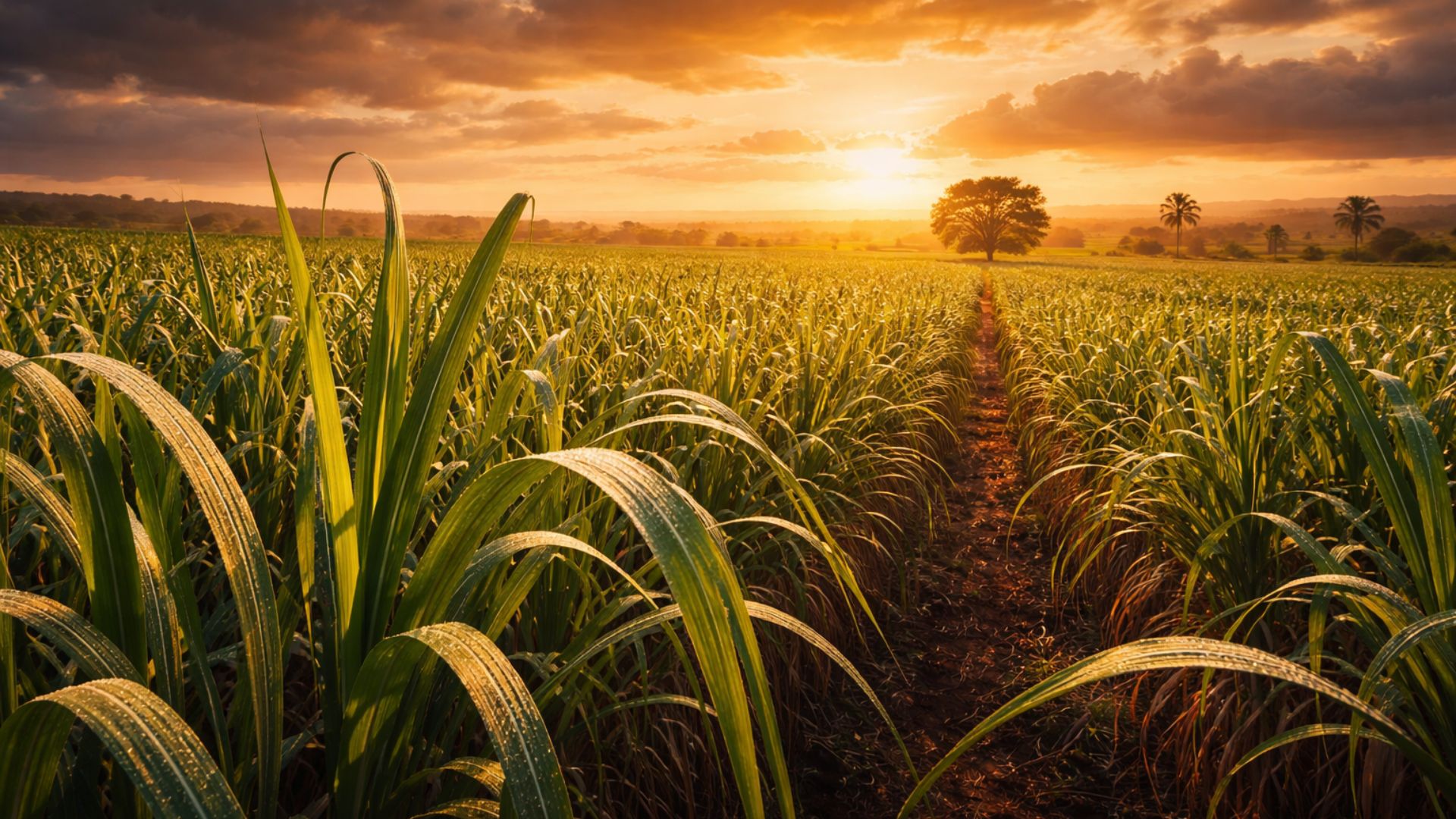
The Economist states that Brazil has a “secret weapon” against expensive oil and highlights how the country can reduce economic impacts even in international scenarios of high volatility.
-
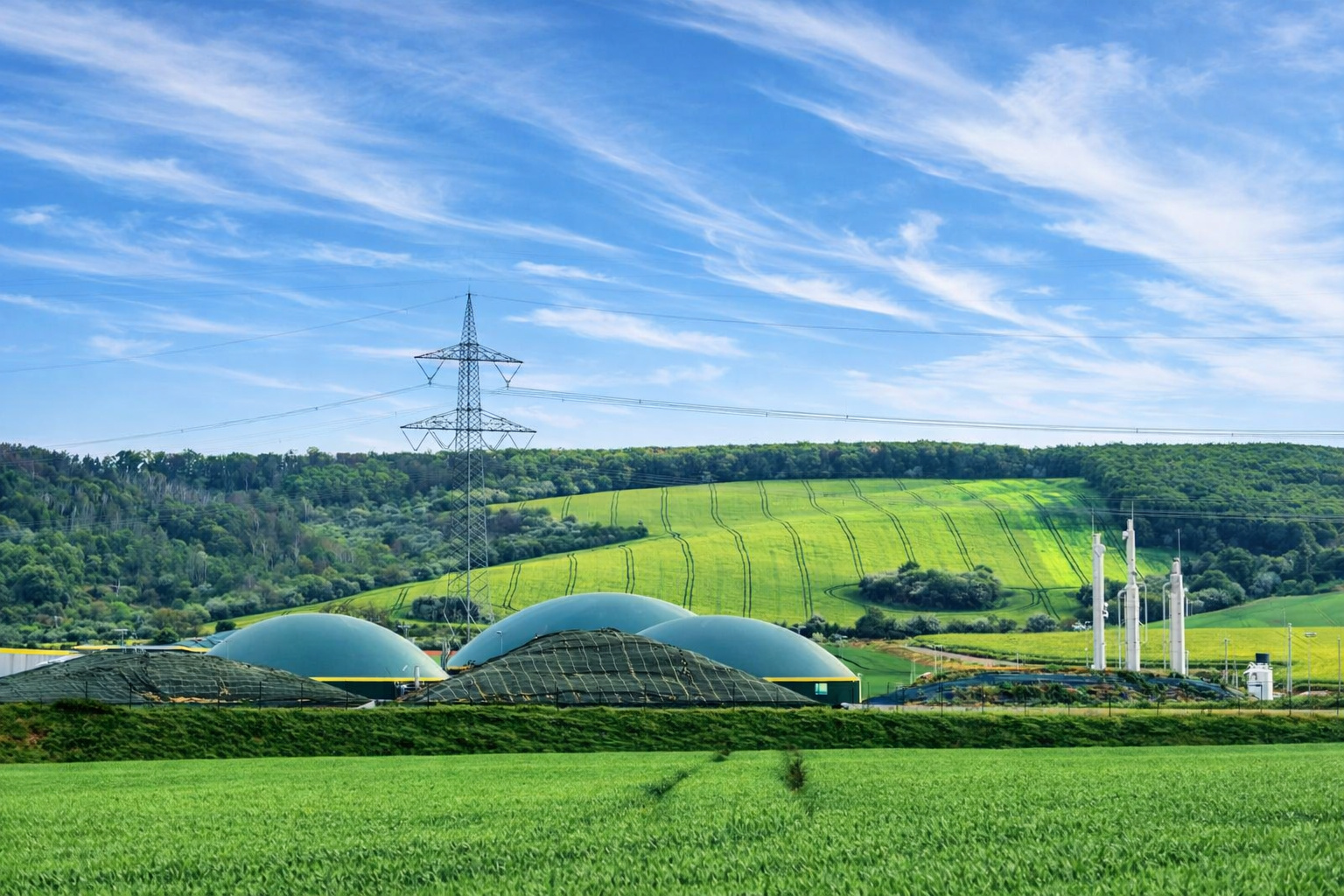
Brazil accelerates decarbonization in the South: International forum in Foz do Iguaçu gathers leaders to discuss the advancement of biomethane in the energy matrix and the potential of “caipira pre-salt.”
-
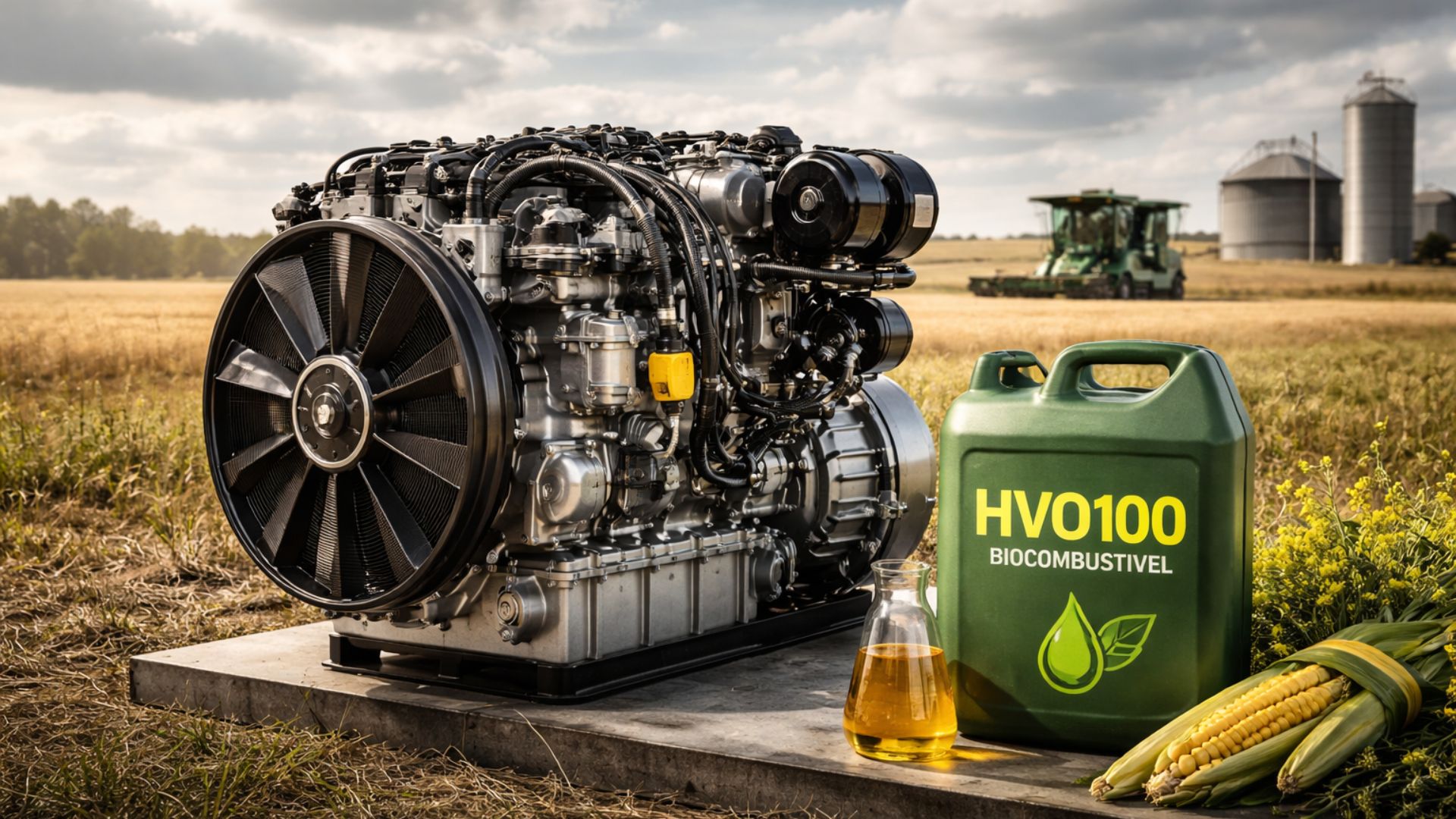
As diesel prices soar due to conflicts in the Middle East, a Brazilian city decides to test a little-known biofuel that promises to completely replace fossil fuel without adaptation and could change the future of energy in the country.

-
Innovation with biofuel engines transforms agribusiness by replacing diesel without the need for major adaptations, ensuring energy efficiency and helping to reduce dependence on oil.

The IPA works on technical articulation with the Legislative and directly advises the Parliamentary Front for Agriculture (FPA), considered one of the most influential in Congress.
Orplana Expands Its Role in Bioenergy in Brasília
With its entry into the coordination of the commission, Orplana strengthens its institutional action on central bioenergy agendas.
According to José Guilherme Nogueira, this movement represents a step forward in consolidating the entity as an active voice for producers of raw materials for biofuels.
“Orplana has the opportunity to assist the IPA and demonstrate the importance of the sugarcane producers’ link within the entire sugar-energy sector.
In this coordination, we see an important role in bringing this entire discussion, in addition to demonstrating the strength of the organization and carrying the producer’s voice allied to bioenergy in Brasília,” he asserts.
Moreover, the presence in the coordination enhances direct dialogue with parliamentarians and political leaders.
This means a greater capacity for influence in projects that directly impact the biofuels market.
Bioenergy and Biofuels at the Center of Congressional Discussions
The bioenergy commission of the Institute for Agricultural Thought addresses strategic themes for the sector.
Among them are the use of ethanol, proposals to increase the consumption of biofuels, and legislative measures aimed at the competitiveness of the productive chain.
The focus is primarily on monitoring bills and regulatory initiatives that could alter the bioenergy landscape in Brazil.
Therefore, the coordination takes on a decisive role in the technical analysis and institutional positioning regarding the proposals being processed in Congress.
Under Nogueira’s leadership, the commission will be active in defending bioenergy as a structuring axis of the Brazilian energy matrix.
This involves discussions on decarbonization to public policies aimed at energy transition—a process that seeks to replace fossil sources with renewable alternatives.
Energy Transition and Decarbonization Enter the Bioenergy Agenda
The discussion about bioenergy is directly linked to the country’s environmental commitment.
The increase in the use of biofuels, such as ethanol, is considered one of the main strategies for reducing greenhouse gas emissions.
In this context, the Institute for Agricultural Thought plays an even more relevant role in the dialogue between the productive sector and the Legislative.
The goal is to ensure legal security and regulatory predictability for investors and producers.
“We want to work from discussions like energy transition and decarbonization to bills that promote these opportunities.
We will represent the entire bioenergy chain and, of course, the producers of raw materials for bioenergy, as we want them to be recognized,” Nogueira states.
He adds: “It is essential for all of us to seek a joint direction for bioenergy, and the producer is where it all begins.”
Institute for Agricultural Thought Reinforces Technical Articulation
The Institute for Agricultural Thought serves as the technical arm of agribusiness entities in Brasília.
Its main function is to provide strategic support to the Parliamentary Front for Agriculture, supplying deputies and senators with technical information on legislative proposals.
With Orplana leading the bioenergy commission, the IPA expands the representation of the sugar-energy sector.
This is likely to strengthen the defense of public policies aimed at expanding biofuels and consolidating bioenergy as an economic and environmental pillar.
What Changes for the Bioenergy Sector
The new coordination signals greater integration between producers and public policy makers.
Thus, the sector gains the capacity to anticipate risks, propose legislative improvements, and defend strategic interests in Congress.
Moreover, the initiative reinforces the importance of bioenergy within the national agenda for sustainable development.
By bringing the rural producer closer to the center of political decisions, Orplana seeks to ensure recognition and prominence for those at the base of the productive chain.
With this movement, bioenergy ceases to be merely a technical theme and takes on an even more strategic position in Brazilian political debate.
Thus, the expectation is that the institutional articulation will generate concrete advances for biofuels and for the future of the country’s energy matrix.
See more at: José Guilherme Nogueira Takes Over Coordination of the Bioenergy Commission of the IPA










Seja o primeiro a reagir!