





 English
  Francês
  Alemão
  Italiano
  Japonês
  Norueguês
  Portuguese
  Spanish
  6 min of reading
  0 comments


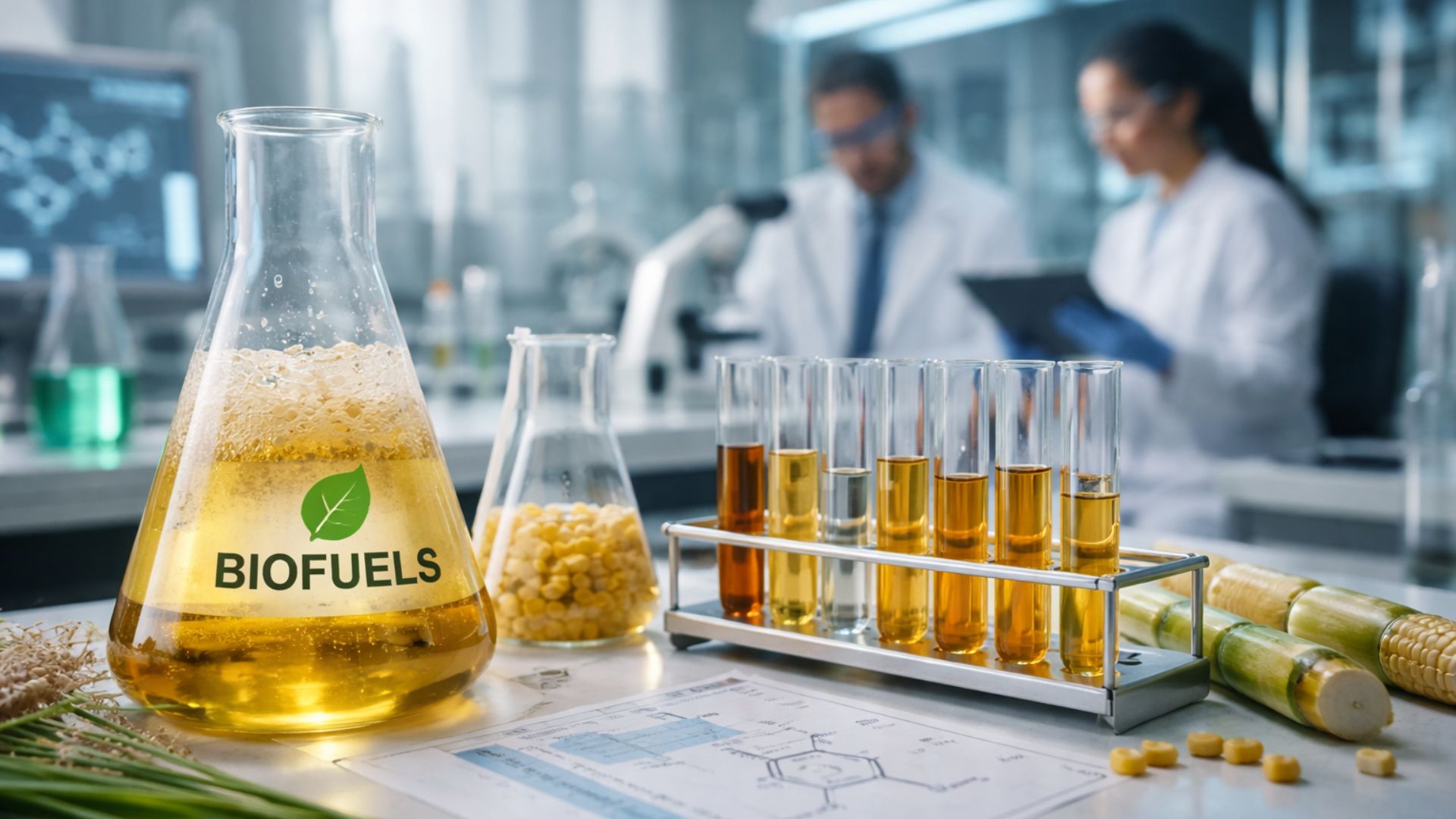
Brazilian Biotechnology Startup Bioinfood Receives R$ 3 Million from FINEP to Scale Innovative Yeasts That Improve Biofuels Efficiency and Increase Ethanol Yield, Strengthening Brazil’s Industrial Competitiveness.
Bioinfood, a Brazilian biotechnology startup founded in 2018, announced a significant advance in the development of yeasts applied to the production of biofuels, with a direct focus on increasing the efficiency of ethanol. According to an article published by Revista Exame on Tuesday (3), the initiative gained new momentum following the approval of a R$ 3 million funding from the National Funding Agency for Studies and Projects (FINEP), through the Intellectual Property Commercialization Support Program.
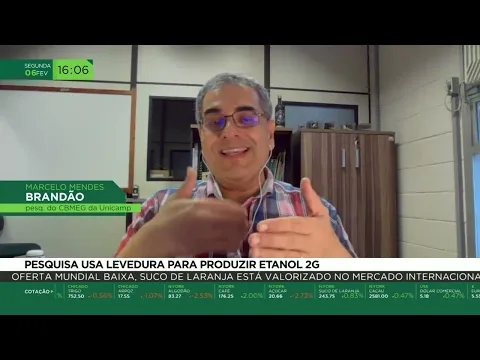
The funding will be used to scale a patented technology from the São Paulo State University (Unicamp), with practical applications in industrial fermentation. According to the company, the innovation allows for increased ethanol yield per kilogram of raw material, reduced operational costs, and the ability to withstand adverse industrial conditions.
In a country that produced more than 30 billion liters of ethanol in recent harvests, according to data from the National Supply Company (Conab), efficiency gains represent a direct impact on the international competitiveness of the sector.
-
Brazil accelerates decarbonization in the South: International forum in Foz do Iguaçu gathers leaders to discuss the advancement of biomethane in the energy matrix and the potential of “caipira pre-salt.”
-
As diesel prices soar due to conflicts in the Middle East, a Brazilian city decides to test a little-known biofuel that promises to completely replace fossil fuel without adaptation and could change the future of energy in the country.
-
Innovation with biofuel engines transforms agribusiness by replacing diesel without the need for major adaptations, ensuring energy efficiency and helping to reduce dependence on oil.
-
Used Cooking Oil Transforms Into Kerosene: How 1 Million Tons of Used Fat Are at the Center of an Aviation Fuel Market That Could Attract Over $1 Trillion in Investments, Already Fuels Planes with Up to 80% Lower Emissions, and Triggered a Global Competition for This Waste

Bioinfood Develops More Efficient Yeasts to Increase Ethanol Yield
Bioinfood’s differentiator lies in the engineering and genetic enhancement of yeasts specifically aimed at the ethanol industry. Unlike the strains used in baking or beer production, the microorganisms developed by the startup are designed to operate in fermenters that can reach up to 3 million liters.
According to Gleidson Teixeira, co-founder and geneticist of the company, the fermentation application developed by the startup during the conversion of sugarcane into ethanol allows for greater production per kilogram of raw material, in less time and under more severe conditions.
The technology acts on two main pillars: metabolic efficiency and industrial robustness. In the first, yeasts are capable of producing enzymes that convert sugars normally wasted in the conventional process. In the second, the microorganisms withstand heat, osmotic stress, and environmental exposure typical of Brazilian plants.
In tests conducted with one of the country’s leading biofuel groups, yeast BFY264 showed superior performance compared to the sector’s reference in three key indicators: a 23% higher cellular viability, a 16% higher budding frequency, and an 8.7% increase in ethanol yield. The results indicate a gain in productive efficiency without increasing the volume of raw material used.
Application in Different Biofuel Segments Strengthens Startup Strategy
The project supported by FINEP anticipates an expansion of yeast applications to three strategic segments of the biofuels market. The first is sugarcane ethanol, the historical basis of Brazil’s renewable matrix. The second is corn ethanol, which already accounts for about 20% of national production. The third involves second-generation ethanol, produced from the reuse of sugarcane bagasse.
This diversification increases the potential impact of the technology. The advancement in second-generation ethanol, for example, is considered strategic to enhance the energy utilization of biomass and reduce industrial waste.
By expanding the conversion of complex sugars and agricultural residues, the yeasts developed by Bioinfood can contribute to a higher overall efficiency of the production system.
Bioinfood’s Business Model Reduces Costs and Risks for Industry
Bioinfood operates in a model known as “R&D as a Service.” In practice, the startup develops biotechnological solutions on demand, from conception to commercial scale, reducing investment risk for its clients.
According to the company, firms that outsource research and development can save up to 70% of costs compared to establishing an internal structure. This means avoiding high investments in laboratories, hiring specialized teams, and acquiring highly complex equipment.
In the ethanol market, where operational margins can be pressured by climatic factors and international price fluctuations, cost reduction and efficiency gains are critical.
The startup also bets on proximity to the Brazilian customer as a competitive differentiator. By developing yeasts adapted to the specific reality of each plant, the company aims to offer personalized solutions rather than standardized products.
R$ 3 Million Financing Boosts Partnership Between Startup and University
The R$ 3 million funding from FINEP reinforces Bioinfood’s strategy to use public financing as a growth lever. Since its inception, the company had already been approved under FAPESP’s Innovation Program for Small Businesses.
Part of the new funding will be allocated to people, services, equipment, and consumables, in addition to the active participation of Unicamp in the project. The university, holder of the original patent, will continue to develop assays and experiments to enhance microorganisms and optimize the industrial process.
Professor Rosana Goldbeck from Unicamp highlighted that the project’s approval strengthens the ties between academia, industry, and startups. According to her, fostering innovation and consolidating links between universities and technology-based companies is essential to enhance national competitiveness. This cooperation model is considered crucial to accelerate the transfer of technology from scientific research to the market.
Brazilian Ethanol Gains Efficiency and Strengthens Global Competitiveness
Brazil occupies a strategic position in the global biofuels market. Sugarcane ethanol has a lower carbon intensity compared to fossil fuels and, in many cases, a smaller environmental footprint than corn ethanol produced in other countries.
With the growing global demand for renewable sources, driven by climate targets and decarbonization policies, productivity gains become even more relevant.
By increasing yield per kilogram of raw material and reducing operational costs, the yeasts developed by the startup can strengthen Brazil’s position as a competitive ethanol supplier.
Furthermore, the increase in efficiency helps reduce waste and enhance the sustainability of the production process, factors that are increasingly valued in international markets.

From Oats to Ethanol: Innovation Applied to Bioeconomy
Bioinfood’s trajectory includes projects that transcend the biofuels sector. One of the most representative examples is the partnership with SL Alimentos, responsible for about 80% of national oat production.
In this case, the company developed technology capable of transforming oat husk, previously considered waste, into xylitol, a low-calorie sugar. The project received international recognition as an innovative sustainability technology at an agribusiness fair.
The logic applied is similar to that used in ethanol: rethinking waste, increasing efficiency, and generating value from inputs that would otherwise be discarded. This positioning reinforces the startup’s inclusion in the bioeconomy agenda, a theme considered strategic for Brazil in the coming decades.
Structural Challenges and Ambitious Goals by 2030
Despite the advances, Bioinfood faces significant commercial challenges. The biological input market for ethanol is dominated by multinationals with strong commercial structures and established contracts.
The startup acknowledges the difficulty of entering a sector where competitors have the capacity to secure long-term contracts and exert competitive pressure. Still, it bets on technological differentiation and close relationships with clients as a growth strategy.
The company projects a 100% growth by 2026, after registering a 10% expansion between 2024 and 2025. The goal is to grow 50% per year until 2030, expanding the lab, incorporating new expertise in synthetic biology, bioinformatics, and artificial intelligence, and expanding the team. The stated objective is to become, by 2030, the largest center for advancement in deep tech for bioeconomy in Brazil and a benchmark in Latin America.
The Role of Biotechnology in the Future of Brazilian Biofuels
The advance announced by Bioinfood highlights a clear trend: biotechnology will be crucial for the future of ethanol and biofuels in Brazil. By developing more efficient and resilient yeasts, the startup contributes to increasing productivity, reducing costs, and strengthening industrial sustainability.
The support from FINEP and the partnership with Unicamp demonstrate that the integration between science and the market can generate applied innovation. In a scenario of energy transition and the search for decarbonization, biotechnological solutions become a key element in consolidating Brazil’s leadership in the sector.
If it can scale its technology, Bioinfood could not only compete with multinationals but also position the country as an exporter of innovation in biofuels, reinforcing the global competitiveness of national ethanol.









Seja o primeiro a reagir!