





 Portuguese
  English
  Spanish
  3 min of reading
  0 comments


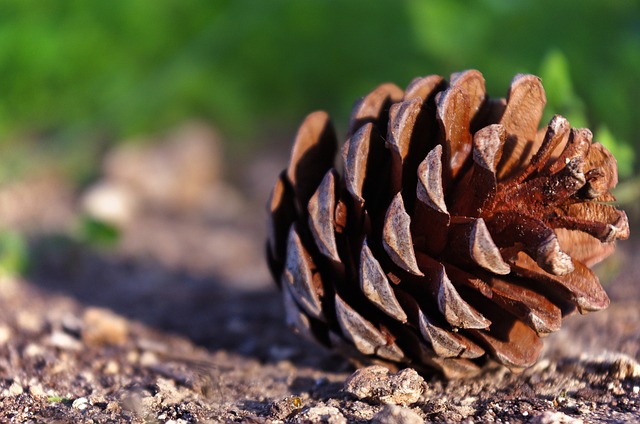
The Innovative Technology That Uses Pine Biomass to Revolutionize Energy Storage
Researchers have discovered how to transform pine waste into hybrid lithium-ion capacitors. This sustainable solution reduces costs, minimizes environmental impacts, and improves energy efficiency.
Furthermore, this innovation could transform the future of electricity.
Pine Biomass: A Sustainable Solution for High-Power Energy Storage
Currently, the search for renewable energies and sustainable solutions for electricity storage is growing rapidly. Therefore, scientists are developing technologies that reduce the environmental impacts of this process.
-
Renewable energy advances over protected areas in Brazil, and a survey by the Energy Transition Observatory reveals silent impacts that challenge environmental conservation and pressure sensitive traditional territories.

-
Rio Grande do Sul accelerates energy transition: State invests in renewable technologies and consolidates decarbonization strategies and pathways to attract billions in new industrial investments.

-
With 160,000 m² of collectors, an area larger than 20 football fields, Silkeborg, in Denmark, hosts a solar thermal plant that heats 19,500 homes and could become the largest solar heating plant in the world.

-
A study reveals the expansion of renewable energy procurement in Brazil and shows how companies are taking advantage of opportunities to reduce expenses, ensure energy efficiency, and strengthen strategic environmental commitments.


In this context, the use of pine biomass emerges as a promising alternative. Besides being a sustainable option, this material can be converted into hybrid lithium-ion capacitors, allowing for efficient storage of high-power energy.
How Does the Use of Pine Biomass in Energy Generation Work?
Biomass, which represents a renewable energy source, repurposes organic waste such as wood and sawdust. In this way, the process avoids waste and promotes the efficient use of natural resources.
In the case of Pinus insignis, researchers from the University of the Basque Country have developed an innovative method to convert this biomass into carbon electrodes. These electrodes, in turn, become essential components of supercapacitors, devices highly efficient in storing electrical energy.
Moreover, this technology utilizes a natural and abundant material, which reduces dependence on rare metals such as lithium and cobalt, whose extraction generates significant environmental impacts.
As a result, this solution enables the production of more sustainable devices, with lower costs and higher energy efficiency.
Hybrid Lithium-Ion Capacitors: The Fusion of Batteries and Supercapacitors
Hybrid lithium-ion capacitors combine the best features of conventional batteries and supercapacitors. On one hand, batteries store large amounts of energy for long periods. On the other hand, supercapacitors release energy rapidly, making them ideal for applications that require immediate response.
Thanks to biomass-based technology, it becomes possible to manufacture high-power capacitors, highly efficient for electric vehicles, smart grids, and other advanced applications.
Furthermore, the adoption of sustainable carbon electrodes significantly enhances energy cycling. Consequently, these capacitors exhibit greater durability and wear resistance, essential factors for the global energy transition.
What Are the Advantages of Using Pine Biomass in the Energy Industry?
Research on biomass applied to sustainable energy brings various environmental and economic benefits.
Among the main ones, the following stand out:
- Reduction of Industrial Waste: The repurposing of pine sawdust avoids waste and minimizes environmental impact.
- Lower Dependence on Heavy Metals: The manufacture of electrodes from biomass reduces the need for mining, a sector that contributes to deforestation and pollution.
- Greater Energy Efficiency: Hybrid capacitors ensure superior performance, enabling faster recharges and longer device lifespans.
- Sustainable Alternative for Electric Vehicles: This technology offers a safer and more accessible solution for producing eco-friendly batteries.
The Impact of Pine Biomass on the Global Energy Transition
The innovation based on pine biomass for the production of hybrid lithium-ion capacitors drives significant advances in energy sustainability.
Moreover, this technology not only improves energy storage but also contributes to environmental preservation by reducing the need for polluting materials.
For this reason, the use of this technology can accelerate a more sustainable and accessible future.
As a result, renewable energy strengthens as a viable solution to tackle the challenges of global electrification.









Seja o primeiro a reagir!