





 English
  Francês
  Alemão
  Italiano
  Japonês
  Norueguês
  Portuguese
  Spanish
  5 min of reading
  0 comments


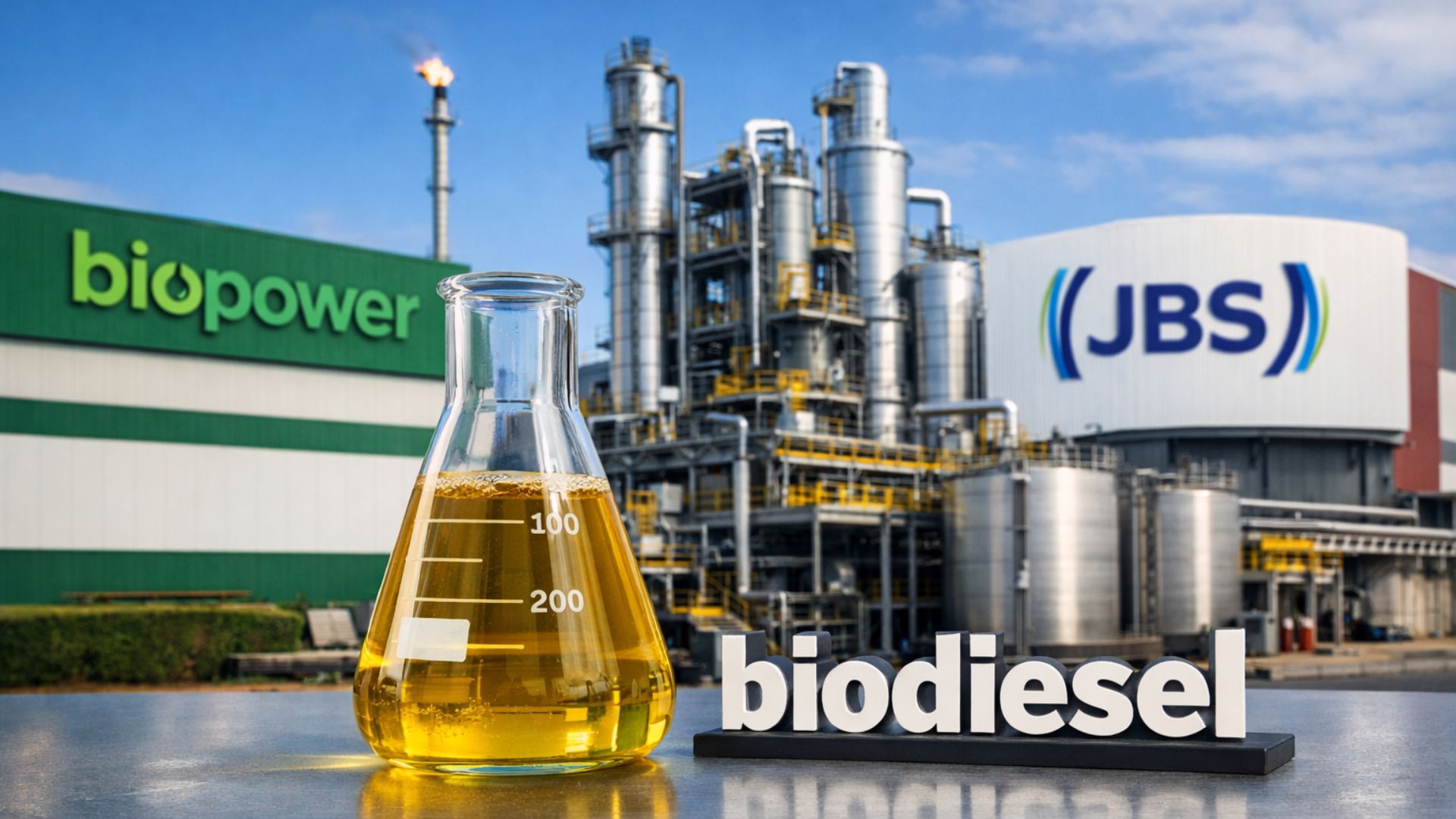
Strategic Investment by JBS’s Biopower in Biofuels Strengthens Sustainable Production in Brazil, Expands Industrial Capacity, Drives Decarbonization, and Positions a Large National Operation as a Reference in Clean Energy.
In 2025, Biopower, a company of JBS New Businesses, announced a strategic investment of R$ 140 million aimed at modernization and technological innovation of its biodiesel operations in Brazil. According to an article published by the Notícias Agrícolas website and other outlets, the investment will enable the company to achieve a record production exceeding 650 million liters in 2025, consolidating its position as one of the main agents of clean energy in the country and expanding its integration with the national agribusiness.
Biopower and JBS Expand Progress in Biodiesel and Clean Energy
The investment reinforces the role of biodiesel as an essential vector of Brazil’s energy transition. At the same time, it positions Biopower to meet the growth in domestic demand and new opportunities linked to decarbonization across different sectors of the economy.
Biopower, the biofuels arm of JBS, made the largest investment since the inauguration of the Mafra unit in Santa Catarina in 2021. The R$ 140 million will be directed to the company’s three plants located in Lins (SP), Campo Verde (MT), and Mafra (SC), focusing on productive efficiency, technological innovation, and sustainability.
-
Brazil accelerates decarbonization in the South: International forum in Foz do Iguaçu gathers leaders to discuss the advancement of biomethane in the energy matrix and the potential of “caipira pre-salt.”
-
As diesel prices soar due to conflicts in the Middle East, a Brazilian city decides to test a little-known biofuel that promises to completely replace fossil fuel without adaptation and could change the future of energy in the country.
-
Innovation with biofuel engines transforms agribusiness by replacing diesel without the need for major adaptations, ensuring energy efficiency and helping to reduce dependence on oil.
-
Used Cooking Oil Transforms Into Kerosene: How 1 Million Tons of Used Fat Are at the Center of an Aviation Fuel Market That Could Attract Over $1 Trillion in Investments, Already Fuels Planes with Up to 80% Lower Emissions, and Triggered a Global Competition for This Waste
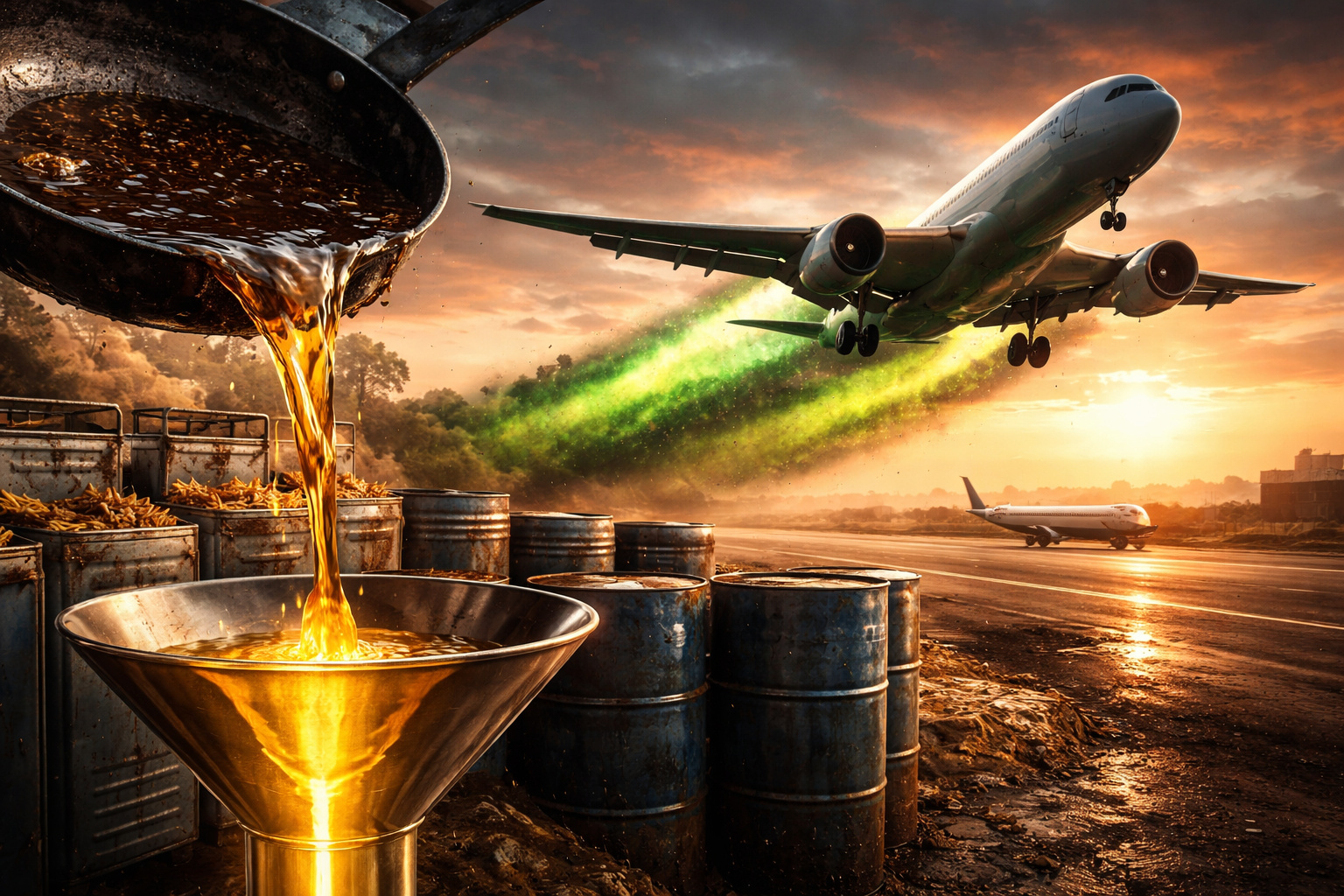

The initiative strengthens JBS’s operations in low-carbon businesses. By increasing the production of biodiesel, the company directly contributes to the expansion of clean energy in Brazil, aligning economic growth, industrial competitiveness, and environmental responsibility.
Strategic Investment Drives Biodiesel and Sustainable Agribusiness
The investment announced by Biopower aims primarily to prepare the company for a new cycle of growth. The biodiesel market is experiencing a period of strong expansion, driven by public policies, demand for renewable fuels, and the prominent role of agribusiness as a supplier of raw materials.
The investment strengthens regional production chains and creates positive impacts on the local economy. In addition to expanding industrial capacity, the modernization of the plants contributes to greater operational stability, cost reduction, and increased competitiveness of Brazilian biodiesel.
Enzymatic Esterification Technology Strengthens Clean Energy
Among the main projects is the implementation of enzymatic esterification technology, considered one of the most advanced processes in the production of biodiesel. This technique replaces traditional chemical catalysts with highly efficient enzymes, making the process cleaner and more precise.
The innovation allows for significant gains in productivity and sustainability. Additionally, it increases flexibility in the use of raw materials, such as bovine tallow and used cooking oil, reinforcing the commitment of Biopower and JBS to clean energy and the circular economy.
Biodiesel with Greater Productive Flexibility and Lower Environmental Impact
With the adoption of enzymatic technology, Biopower will convert by-products that were previously sold separately into more biodiesel, increasing the utilization of inputs and reducing waste. This approach strengthens the sustainable production model and improves the environmental performance of operations.
The project is set to begin implementation in 2025, with completion expected by mid-2026. By then, the company will have an even more modern industrial park, prepared to meet the growing demand for clean energy in Brazil and abroad.


Record Biodiesel Production Consolidates Biopower’s Role
With investments in modernization, Biopower projects to achieve a record production of more than 650 million liters of biodiesel in 2025. This volume reinforces the company’s position among the largest producers in the country and highlights the importance of biofuels in Brazil’s energy matrix.
In 18 years of operation, the company has produced over 4 billion liters of biodiesel. This amount has avoided the emission of approximately 9 million tons of carbon dioxide (CO₂), demonstrating the direct impact of clean energy on reducing emissions associated with transportation.
Mandatory Blend Boosts Biodiesel in Brazilian Agribusiness
The growth in demand for biodiesel occurs within a context of regulatory advancement. Brazilian legislation provides for the gradual increase of the mandatory blend with fossil diesel to 20% by 2030, known as B20. Currently, the blend is at 15%.
This scenario creates significant opportunities for the biofuels sector. For agribusiness, it means greater appreciation of raw materials, integration with sustainable industrial chains, and strengthening Brazil’s position as a reference in clean energy.
Biopower and JBS Advance in the Decarbonization of Maritime Transport
In addition to the road market, Biopower also positions itself as a strategic supplier for the decarbonization of maritime transport. The global targets of the International Maritime Organization, which aim for net-zero emissions by 2050, increase the demand for renewable fuels.
Biodiesel stands out as a viable and immediate alternative to marine diesel. It can be used without modifications in vessels, maintaining operational performance and competitive cost, which broadens the reach of clean energy across different modes of transport.
International Certifications Strengthen Biopower’s Biodiesel
Biopower holds certifications and traceability systems recognized internationally, such as ISCC, required by the European market, and certification from the Environmental Protection Agency (EPA) of the United States.
These recognitions guarantee access to strategic markets and attest to the sustainability of the produced biodiesel. Thus, the company of JBS expands its international presence and strengthens its image as a reference in clean energy.
Circular Economy Connects Biodiesel, JBS, and Agribusiness
The actions of Biopower reflect the circular economy model adopted by JBS, which seeks to extract value from materials previously considered waste. Currently, about 99% of each processed bovine is utilized. In poultry and pork, this rate reaches nearly 95%.
This model reduces environmental impacts and strengthens agribusiness. By transforming waste into biodiesel, the company generates energy, jobs, and regional development, maintaining continuous operations and approximately 300 direct employees at its facilities.
Innovation, People, and the Next Cycle of Clean Energy
For the management of Biopower, technology only achieves results when paired with the knowledge of people. The experience of the teams has been fundamental in making the company a pioneer in using different raw materials in the production of biodiesel.
This human capital sustains the company’s competitiveness in the long term. With investments in innovation, certifications, and integration with agribusiness, Biopower, alongside JBS, strengthens its leadership in the expansion of clean energy, contributing to a more efficient, sustainable energy system aligned with future demands.








Seja o primeiro a reagir!