





 English
  Francês
  Alemão
  Italiano
  Japonês
  Norueguês
  Portuguese
  Spanish
  3 min of reading
  0 comments


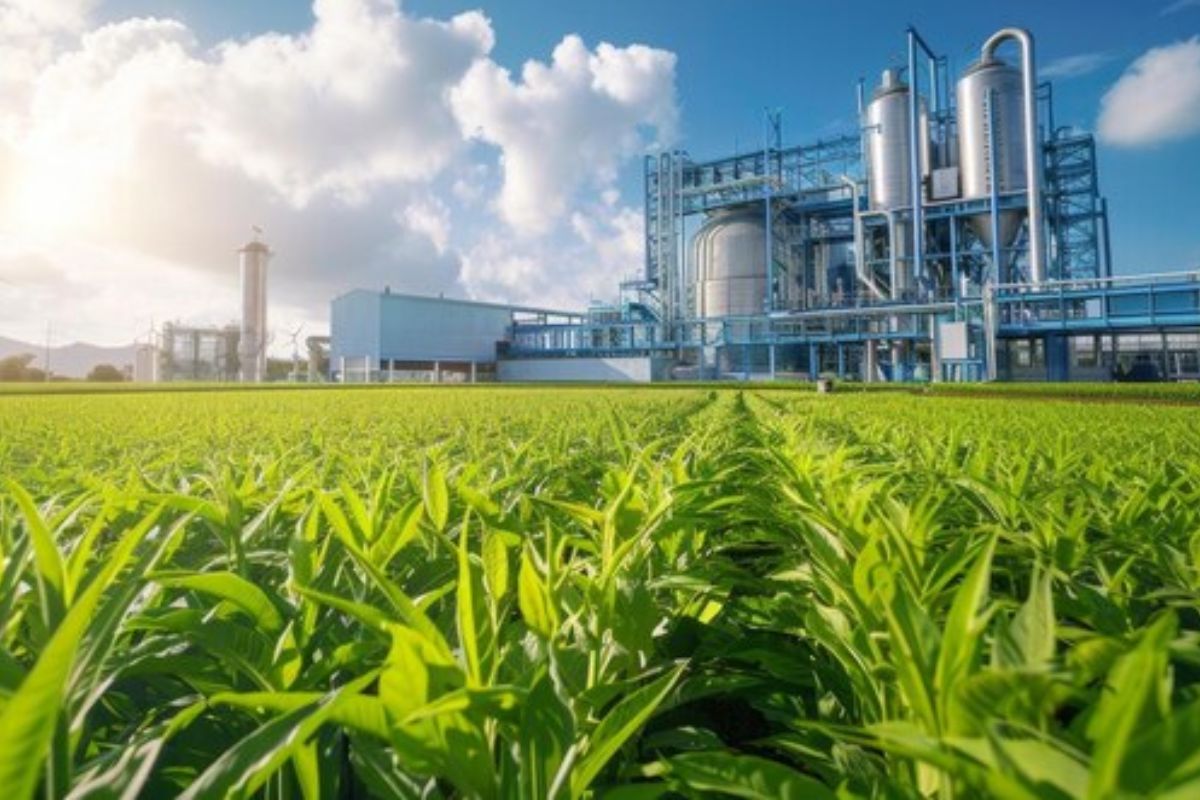
The Advancement of Biorefineries in Brazil Gains Highlighting in EPE Study, Pointing Out Their Strategic Role in the Energy Transition and the Strengthening of the Sustainable Fuels Industry
Biorefineries in Brazil are emerging as one of the main solutions to boost the energy transition in sectors considered difficult to decarbonize, such as air and maritime transport, according to an article published.
A recent study by the Energy Research Company (EPE), carried out as part of the ProQR Project – Alternative Fuels without Climate Impacts, highlights that these structures will be fundamental in consolidating the national production of sustainable aviation fuels (SAF) and maritime fuels (biobunker).
The work, developed in partnership with GIZ (Deutsche Gesellschaft für Internationale Zusammenarbeit GmbH) and the Ministry of Science, Technology, and Innovation (MCTI), reinforces Brazil’s commitment to align technological innovation with global sustainability goals.
-
Petrobras Expands Refining in Brazil, Increases Production of Diesel S-10 and Gasoline, Enhances Operational Efficiency, and Reduces Import Dependence Between 2023 and 2025
-
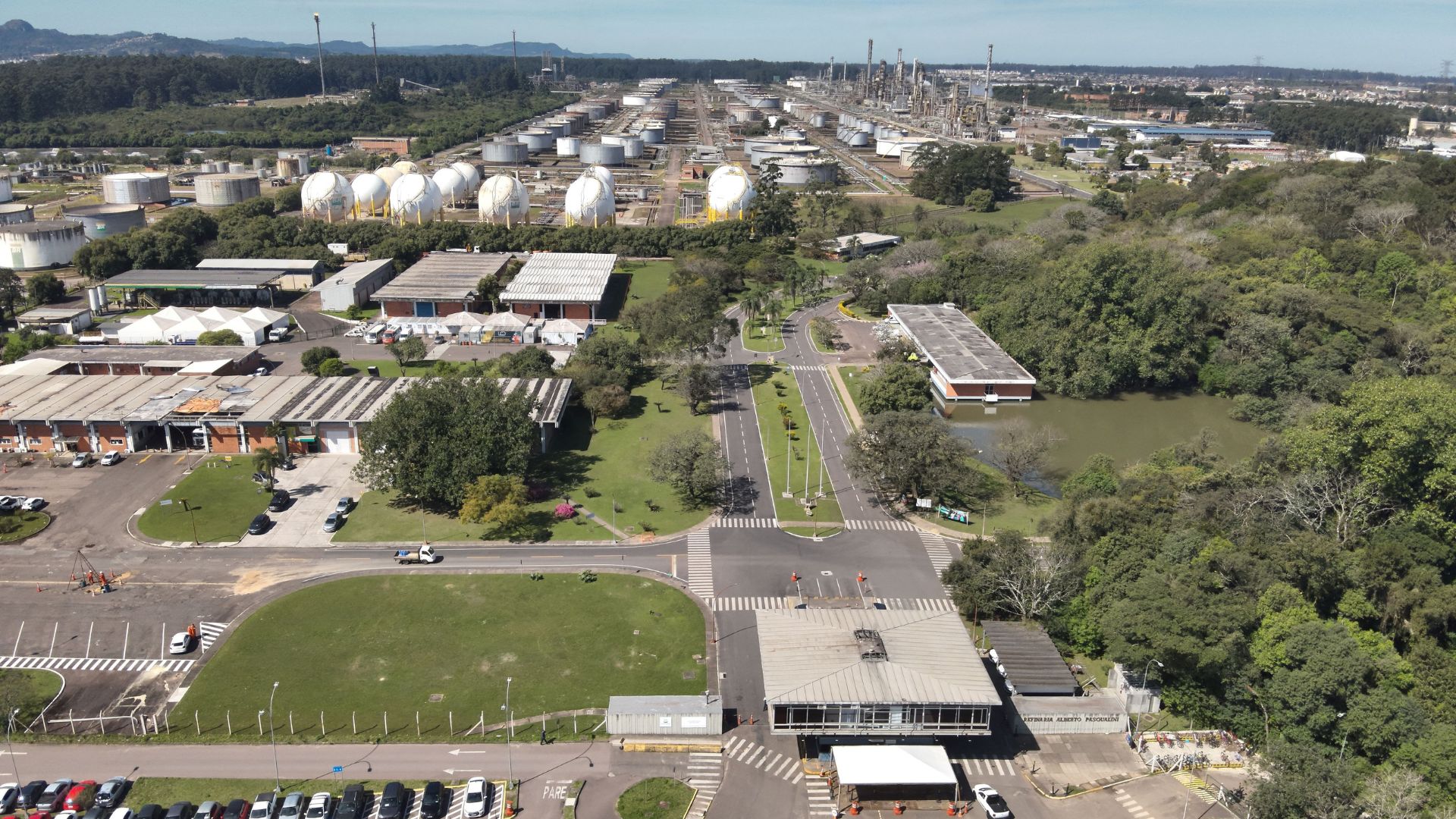
Petrobras’ Refap Sets Historic Records for Gasoline and S-10 Diesel Production in Canoas in Q4 2025, Surpassing Previous Figures
-
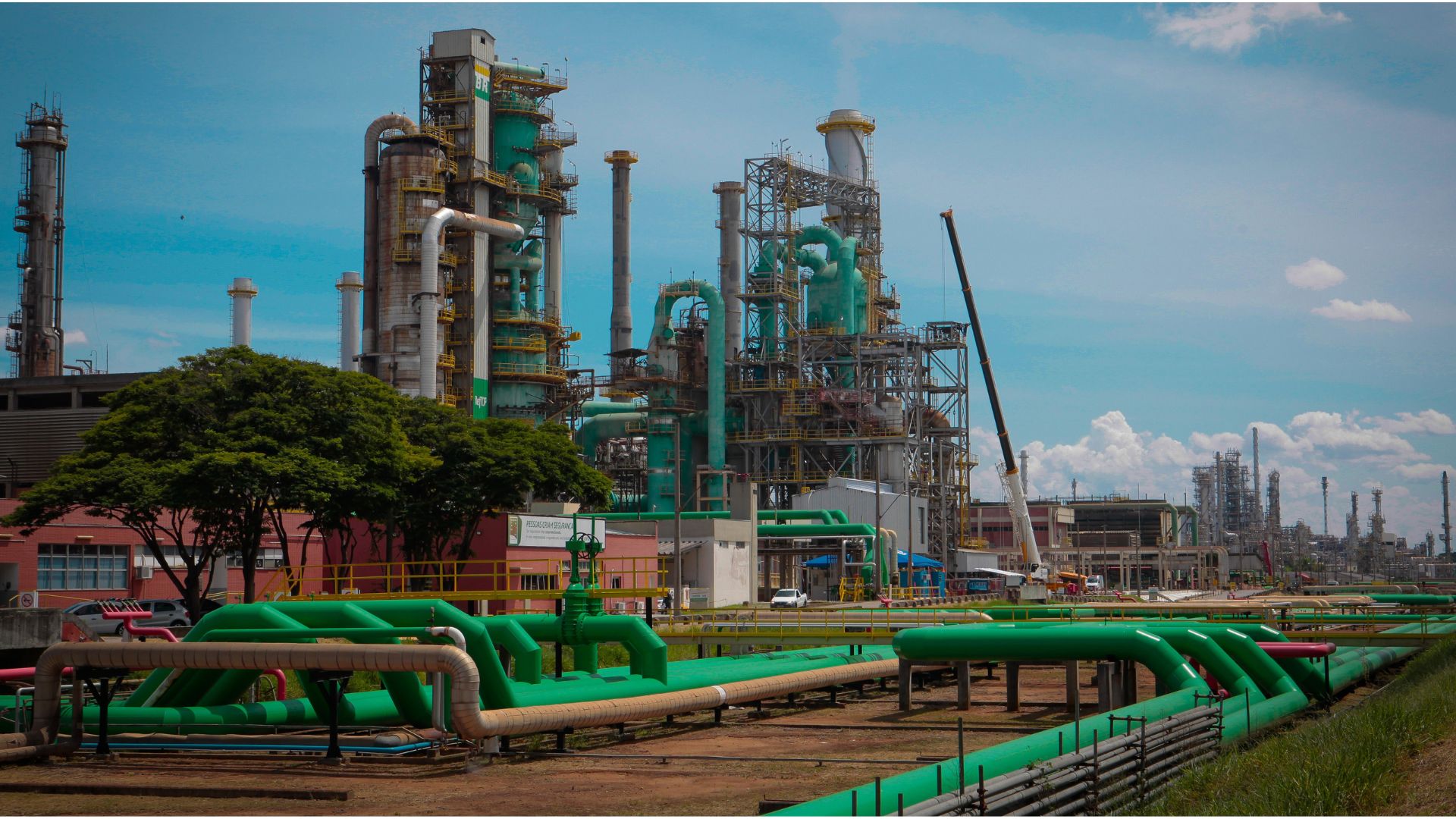
Revap Starts Operation of Modernized HDT and Petrobras Expands S-10 Diesel Production by 80% at the Refinery, Boosting Supply of Less Polluting Fuel in Brazil
-
Thermal Power Plant in Rio Grande do Sul Is Key to Attracting GWM


Biorefineries in Brazil Strengthen Technological Innovation and Sustainable Fuel Production
The report “Biorefinery Processes for the Production of SAF and Biobunker,” produced by the technical team from the Federal University of Paraná (UFPR) under the coordination of professors Luiz Pereira Ramos and Marcos Lúcio Corazza, details the technological routes that can consolidate Brazil’s leadership in the area.
According to the document, the country has unique conditions to expand the production of sustainable fuels in Brazil, taking advantage of the wide availability of biomass, existing infrastructure, and experience in the biofuels sector.
The analysis indicates that the integration of renewable resources and industrial processes can significantly reduce greenhouse gas emissions, contributing to a low-carbon economy.
EPE emphasizes that developing these production routes is essential to meet international decarbonization demands and maintain the competitiveness of the national industry.
Energy Transition and Investments in Sustainable Industrial Innovation
EPE emphasizes that Brazilian energy planning needs to incorporate innovation as a structural axis of public policies.
The consolidation of biorefineries in Brazil depends not only on technology but also on investments in sustainable industrial innovation that strengthen cooperation among government, the productive sector, and academia.
According to the study, adopting biorefinery processes could create new value chains, generate skilled jobs, and stimulate regional development.
This approach enhances the country’s capacity to participate in the global renewable fuels market, which moved over US$ 160 billion in 2024, according to international estimates.
Brazil, with its diverse agricultural and industrial base, is well-positioned to become one of the main exporters of SAF and biobunker in Latin America.
Public Policies and Technological Development for Clean Energy
In addition to technical aspects, the study highlights the importance of public policies aimed at technological development for clean energy, aligned with the climate commitments of the Paris Agreement.
EPE reinforces that expanding biorefineries in Brazil is part of an institutional effort to make the energy transition fair, inclusive, and sustainable.
The publication also connects with other initiatives of the company, such as research on green hydrogen, offshore wind energy, and energy integration.
All these fronts form a broad strategy to ensure energy security and industrial competitiveness for the country.
The complete document on biorefineries in Brazil details the technological routes and economic potentials of the sector and is available for public consultation on the EPE portal. The aim is to broaden access to technical knowledge and stimulate cooperation between universities and companies.








Seja o primeiro a reagir!