





 Portuguese
  English
  Spanish
 2 min of reading
  0 comments


How Biotechnology Innovation Can Be The Key To Overcoming Climatic Adversities In Agriculture
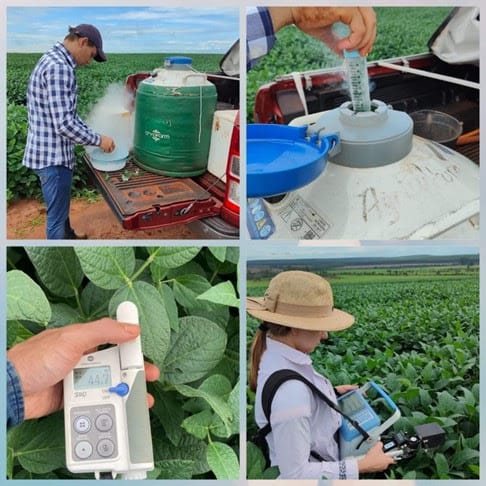
In the constant search for solutions to face climatic adversities, a study conducted by the esteemed Prof. Dr. Carlos Crusciol from Unesp Botucatu, along with a highly skilled team, shed light on the transformative power of Microgeo® Biotechnology. The focus? Increasing the resilience and productivity of soybeans in times of climatic challenges.
Climatic Impact and Soybean’s Struggle
Agronomist Engineer Me. Tatiani Galeriani, a member of the research team, highlighted that the 2022/2023 crop season had a distinct climatic scenario: abundant rainfall but a notable reduction in sunlight quality due to high cloudiness. This configuration led to a challenging limitation in the photosynthesis of soybean plants. In the face of this adversity, Microgeo® Biotechnology stood out as a valuable solution.
-
With an investment of R$ 612 million, a capacity to process 1.2 million liters of milk per day, Piracanjuba inaugurates a mega cheese factory that increases national production, reduces dependence on imports, and repositions Brazil on the global dairy map.

-
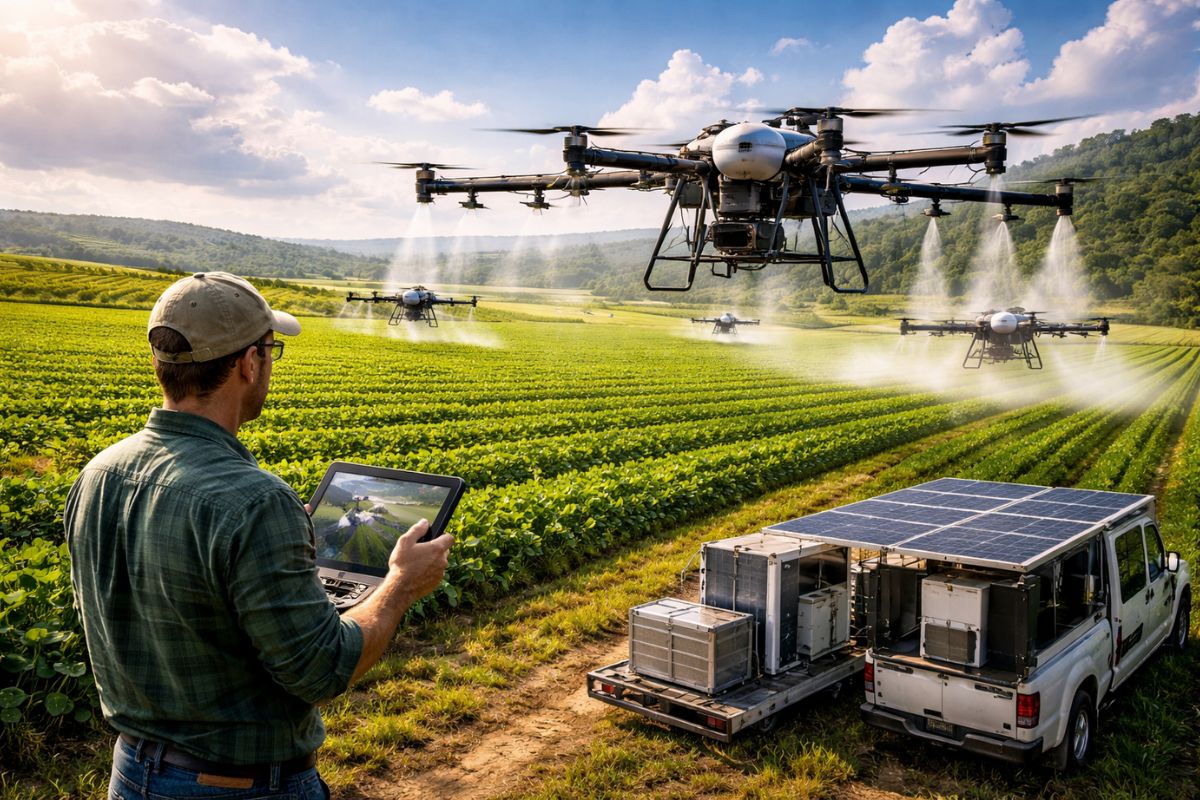
Alone, the producer applies 7,400 hectares with the T100 drone in an optimized structure, replaces the generator with a silent battery, and demonstrates how technology reduces costs, increases productivity, and even challenges the uniport in the field.
-
China banned the export of 22 tons of meat from Argentina.

-
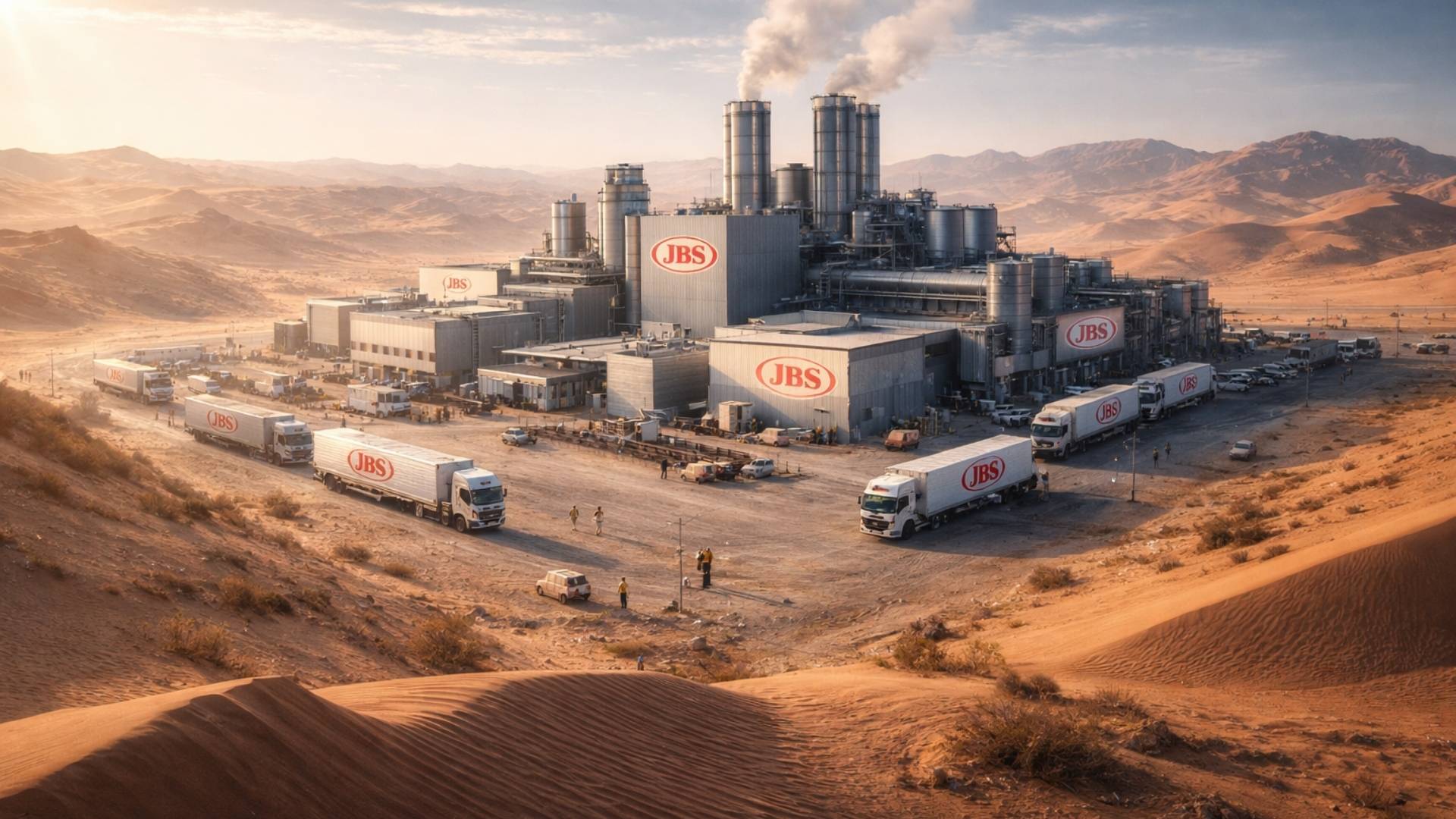
JBS, founded by the Batista brothers, continues to conquer the world: entrepreneurs built a ‘factory in the desert’ creating 3,000 jobs.

Promising Results with Biotechnology
The biotechnological intervention generated significant changes. There was an increase in soil enzymatic activities, a rise in the volume and dry mass of nodules in the soybean roots, and an optimized absorption of essential nutrients such as nitrogen, phosphorus, potassium, and zinc.
Surprisingly, the soybean subjected to biotechnology experienced a drop of 1.1°C in leaf temperature. This translated into more efficient processes, such as a more rational use of water. Despite the significant cloudiness, the plants showed an increase in the production of photosynthetic pigments, enhancing the efficiency of photosynthesis and, consequently, CO2 assimilation – a key point for sustainable agricultural practices aligned with ESG practices. The numbers illustrate the success: an impressive average gain of 6 sacks per hectare.
Galeriani noted: “The benefits of biotechnology are clear. Plants grown in soil enriched by Microgeo® Biotechnology boasted significantly improved nutrition, reflecting notable advancements in pigment production and photosynthesis efficiency.”
The Way Forward for Conscious Producers
Adopting Biological Management in soybean plantations, with Microgeo® Biotechnology as a standard, is proving to be not just a smart choice, but essential. This research signals substantial progress in the agricultural sphere, providing tangible solutions for the climatic unpredictability that producers face. The study reinforces the urgency of investment in innovations and research to elevate agricultural standards, ensuring environmental sustainability and more robust financial returns for farmers.
Source: Alfapress Comunicações – Mariana Cremasco









Seja o primeiro a reagir!